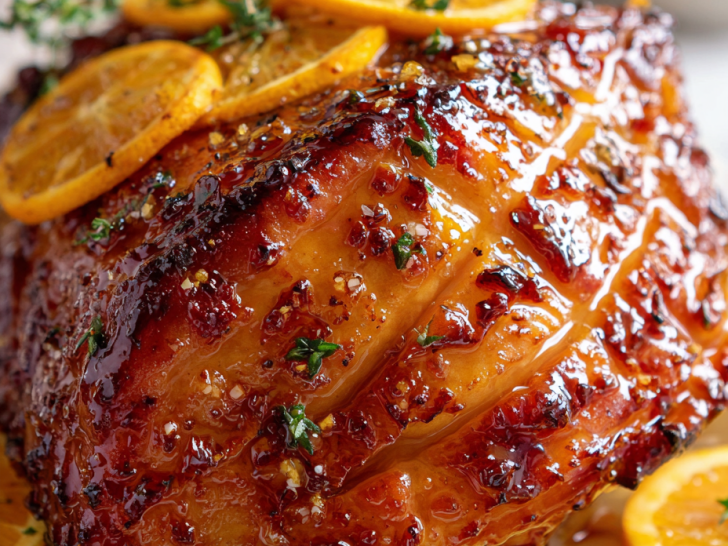
Cooking a ham isn’t just about the main event; it’s about how that glaze transforms it into something memorable. I love that a simple mixture of honey and citrus can elevate the flavor and add a shimmering, sweet crust. It’s a dish that’s perfect for holidays or just a weekend feast with friends.
Why this glaze keeps pulling me back
The way honey and citrus play off each other creates a vibrant, complex flavor. It’s forgiving and easy to adapt—swap orange for lemon or add a splash of bourbon. Every time, I’m reminded how simple ingredients can turn into something extraordinary. It’s a dish that makes me feel like a home cook with a bit of a flair.
Breaking down the star ingredients
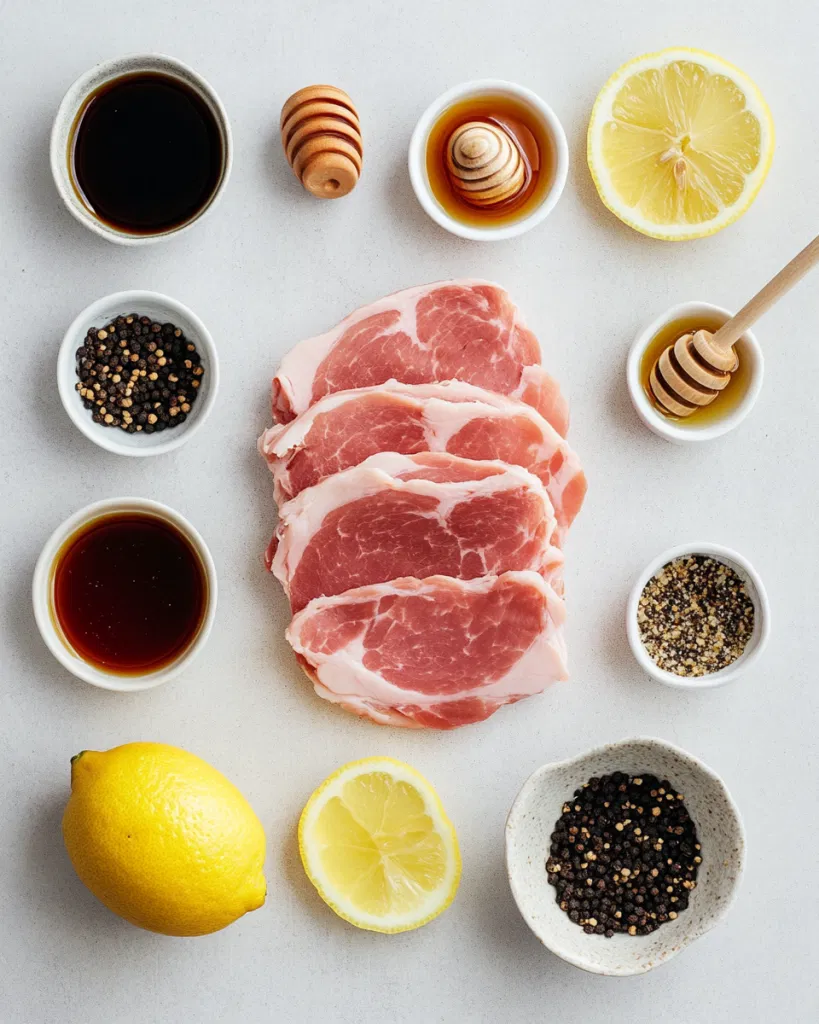
- Honey: Sweetens and promotes caramelization, adding that sticky, shiny finish.
- Dijon mustard: Brings a tangy depth that balances the sweetness, plus a little zing.
- Orange juice: Adds citrus brightness, making the glaze lively and fragrant.
- Ham (bone-in or boneless): The juicy, savory centerpiece that absorbs all those flavors.
- Brown sugar: Optional, for extra sweetness and a deeper caramel color.
- Cloves or cinnamon: A pinch adds warmth, but keep it subtle so it doesn’t overpower.
Tools of the trade for a perfect glaze
- Oven: To cook the ham evenly and develop that caramelized exterior.
- Sharp knife: To score the ham skin in a diamond pattern, helping the glaze seep in.
- Basting brush: To apply the glaze smoothly and thoroughly.
- Roasting pan: To hold the ham and catch drippings for easy basting.
Step-by-step to that glossy, citrus-scented finish
Step 1: Preheat your oven to 165°C (330°F).
Step 2: Score the ham skin in a diamond pattern, about 1 cm deep.
Step 3: Mix honey, Dijon mustard, and a splash of orange juice for the glaze.
Step 4: Brush the glaze generously over the ham, focusing on the scored areas.
Step 5: Bake uncovered for about 1.5 to 2 hours, basting every 30 minutes.
Step 6: In the last 20 minutes, increase oven temperature to 200°C (390°F) to caramelize the glaze.
Step 7: Let rest for 15 minutes before slicing to keep the juices locked in.
Step 8: Serve with extra glaze drizzled over, if desired.
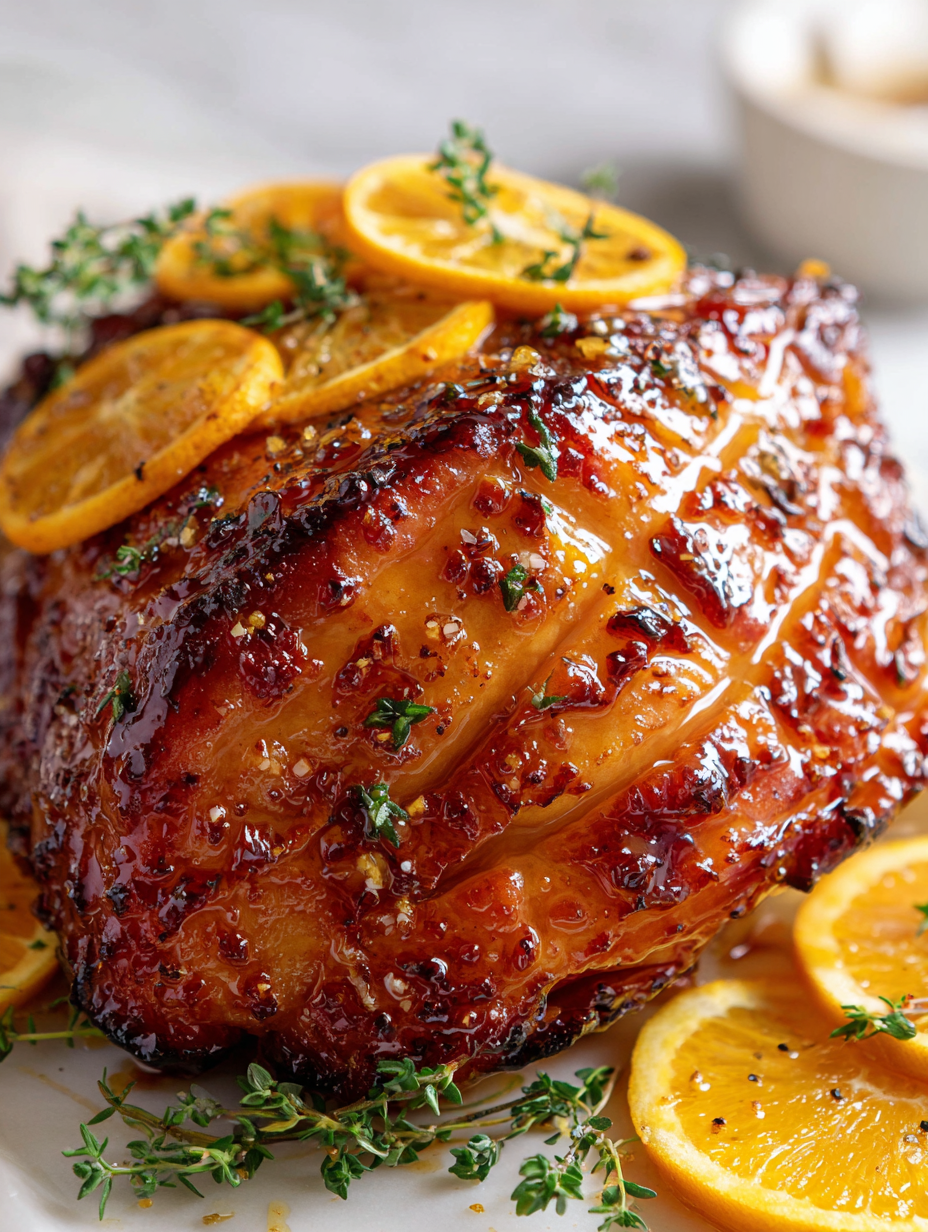
Citrus Honey Glazed Ham
Equipment
- Oven
- Sharp Knife
- Basting Brush
- Roasting pan
Ingredients
- 1 bone-in or boneless ham preferably whole, about 4-5 kg
- 1/2 cup honey for glazing and caramelization
- 2 tbsp Dijon mustard adds tang and depth
- 1/2 cup orange juice brightens the glaze with citrus flavor
- 2 tbsp brown sugar optional, for extra sweetness
- 1 pinch cloves or cinnamon for warmth and aroma
Instructions
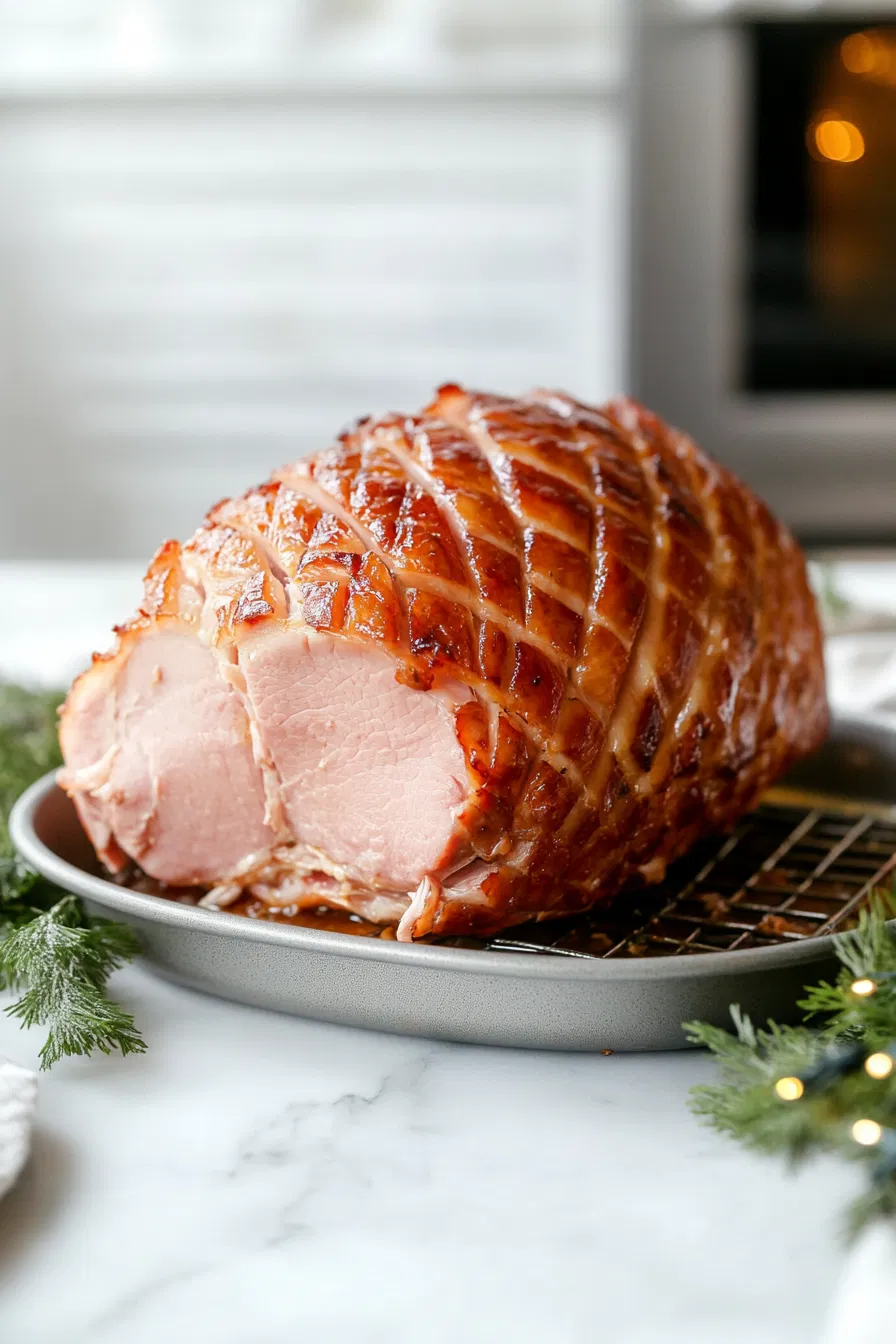
- Preheat your oven to 165°C (330°F). Place the ham on a cutting board and score the skin in a diamond pattern, about 1 cm deep, to help the glaze soak in and create a decorative look.
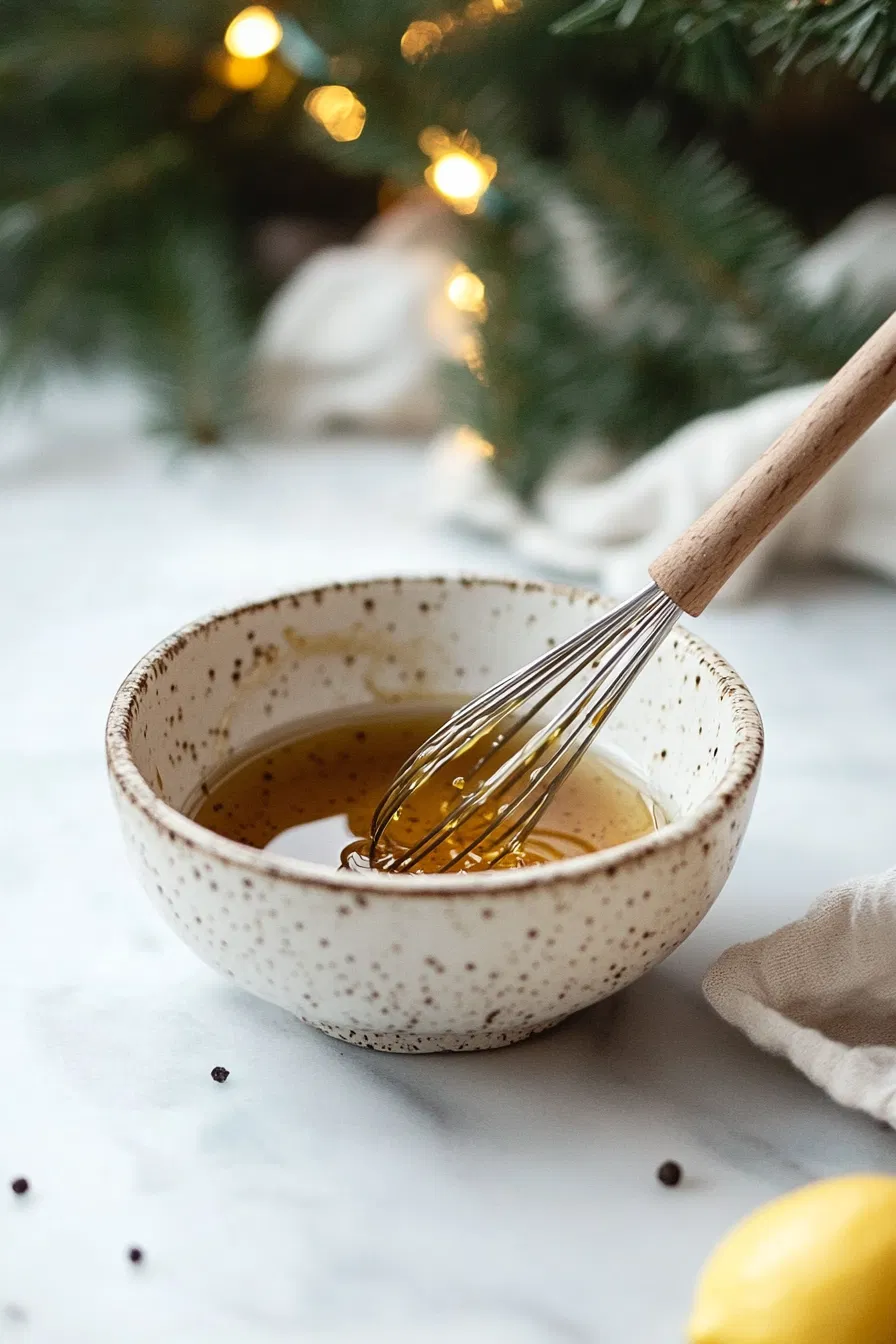
- In a bowl, whisk together honey, Dijon mustard, orange juice, and brown sugar until well combined. This mixture will become the flavorful glaze that coats the ham.
- Use a basting brush to generously apply the glaze over the scored ham, making sure to get into all the crevices. This first coat will start the flavor infusion.
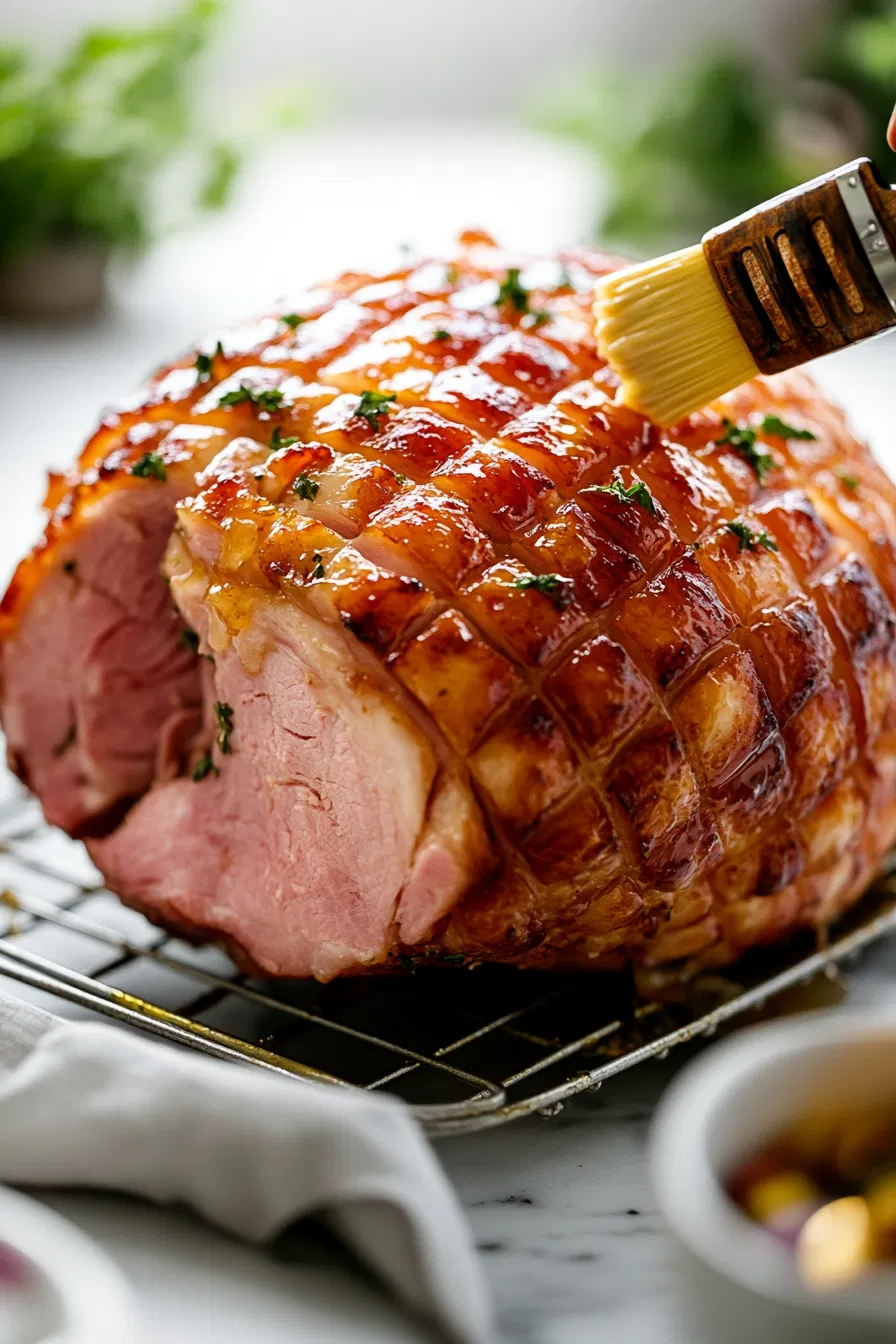
- Place the ham in a roasting pan and bake uncovered for about 1.5 to 2 hours, basting with the remaining glaze every 30 minutes. The aroma of citrus and honey will fill your kitchen as the glaze begins to caramelize.
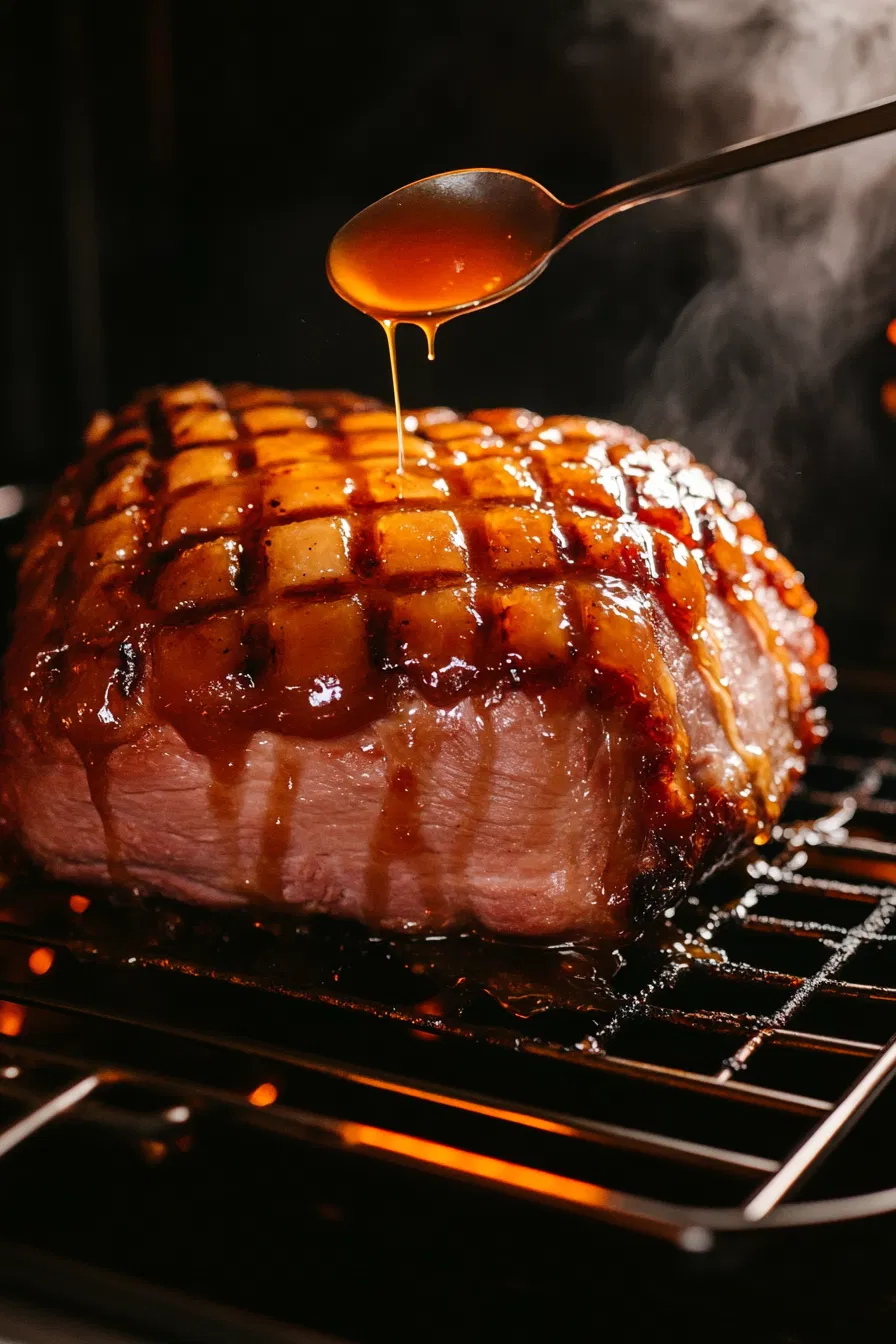
- During the last 20 minutes of baking, increase the oven temperature to 200°C (390°F) to help the glaze bubble and turn a rich, golden brown. Keep an eye on it to prevent burning.
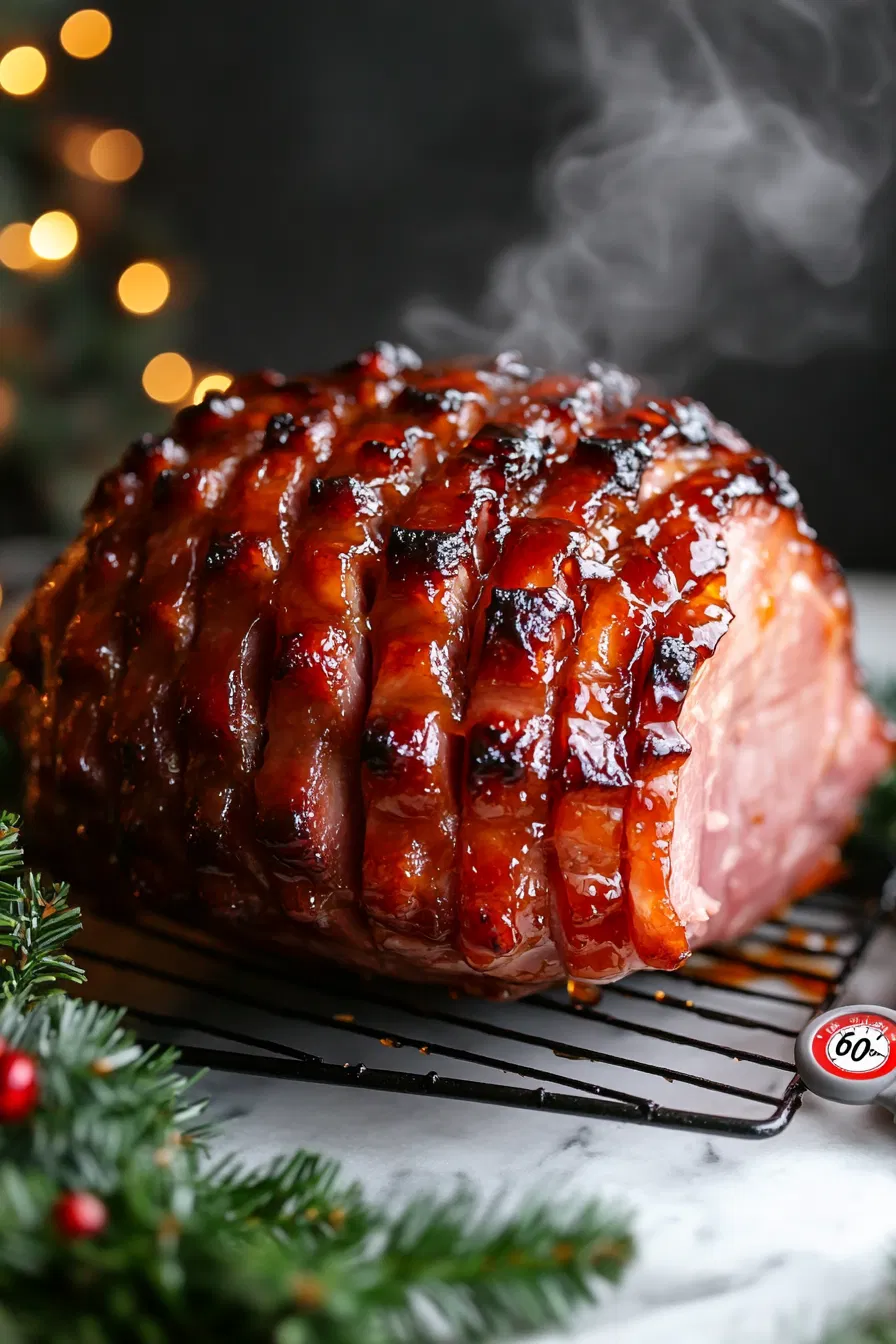
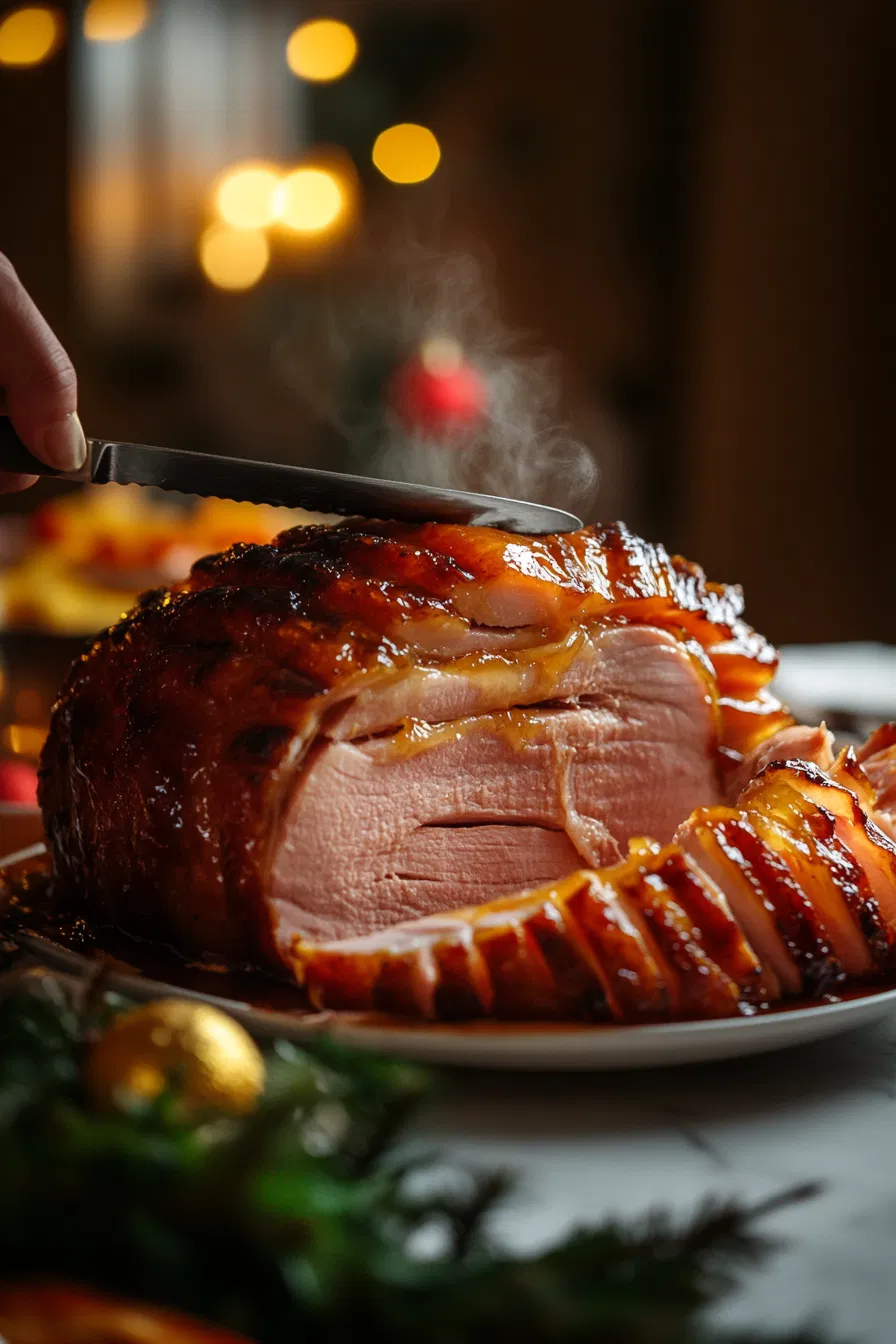
- Once the glaze is bubbling and the edges are caramelized, remove the ham from the oven and let it rest for about 15 minutes. This allows the juices to redistribute and makes slicing easier.

- Slice the ham into thick, juicy pieces, revealing a tender interior with a glossy, flavorful crust. Drizzle any extra glaze over the slices for added shine and flavor.
Nutrition
Cooking checkpoints to ensure perfection
- The glaze should be glossy and thick, not runny.
- The ham’s internal temperature should reach 60°C (140°F) for warm serving.
- The edges of the glaze should be bubbling and caramelized.
- The meat should be tender and juicy when pierced with a skewer.
Common pitfalls and how to dodge them
- Applying glaze at the start, which can burn and turn bitter.? Brush the glaze on too early; wait until the last 30 minutes to prevent burning.
- Basting too often, which prevents proper caramelization.? Over-baste; it can cause the glaze to become too thick or burn.
- Cooking without checking internal temperature.? Use a thermometer; undercooked ham is unsafe.
- Skipping scoring, leading to dull flavor absorption.? Not scoring the skin enough; the glaze won’t penetrate.
This honey glazed ham isn’t just about sweetness; the citrus zest adds a spark that cuts through the richness beautifully. It’s a rare find — a dish that feels special but comes together with simple pantry staples. Once you master that shiny, sticky glaze, it’s hard to go back to plain ham. Enjoy experimenting with different citrus or spice blends to make it your own.