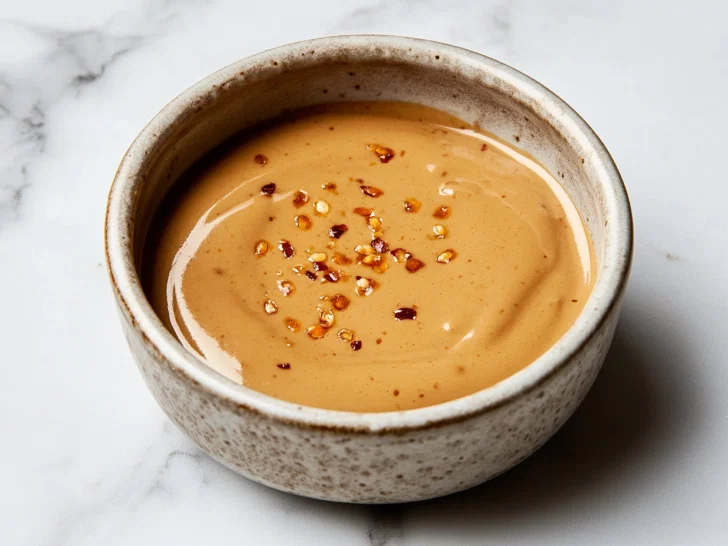
This savory peanut butter sauce isn’t just for drizzling over noodles or grilled veggies. It’s a quick, honest fix when you want something rich, spicy, and a little unexpected. I make it in my tiny kitchen, often with just what’s lingering in the fridge, and it never fails to brighten a simple meal.
There’s something satisfying about turning a humble jar of peanut butter into a sauce that feels indulgent but is totally doable on a busy weeknight. It’s a little messy, a little improvisational, but always flavorful. And honestly, that’s part of the charm.
A cook’s notes on making this sauce in a small, cluttered kitchen, emphasizing the improvisation and improvising with what’s at hand.
Why This Sauce Matters to Me
- I love how this sauce can turn plain veggies into a flavor-packed snack.
- Making it in my tiny kitchen, I’ve learned to improvise with what’s at hand, which keeps it exciting.
- There’s a nostalgic joy in mixing a quick sauce that tastes like it took more time than it did.
- I’ve used this sauce as a marinade, a dip, and a finishing touch—so many ways to enjoy it.
Inspiration Behind the Sauce
One chilly evening, I was craving something warm and spicy but had no time to cook a complicated sauce. I remembered the jar of peanut butter in the back of the pantry and started improvising. The result was so satisfying creamy, spicy, with a toasted aroma that filled the small kitchen. It became my go-to for quick dinners and unexpected guests. This recipe is rooted in that moment of improvisation, turning everyday ingredients into something memorable. It’s a reminder that good cooking often comes from experimenting with what’s on hand.
A Brief History and Fun Facts About Peanut Sauce
- This sauce echoes the flavors of satay but with a personal twist.
- Peanut butter sauces have roots in Southeast Asian cuisine, especially in Indonesian and Thai dishes.
- The combination of sweet, salty, and spicy is a classic balance in many Asian sauces.
- Using soy and vinegar creates a quick, pantry-friendly alternative to more complex sauces.
- It’s a great way to turn a simple jar of peanut butter into something special and versatile.
Ingredient Insights & Variations
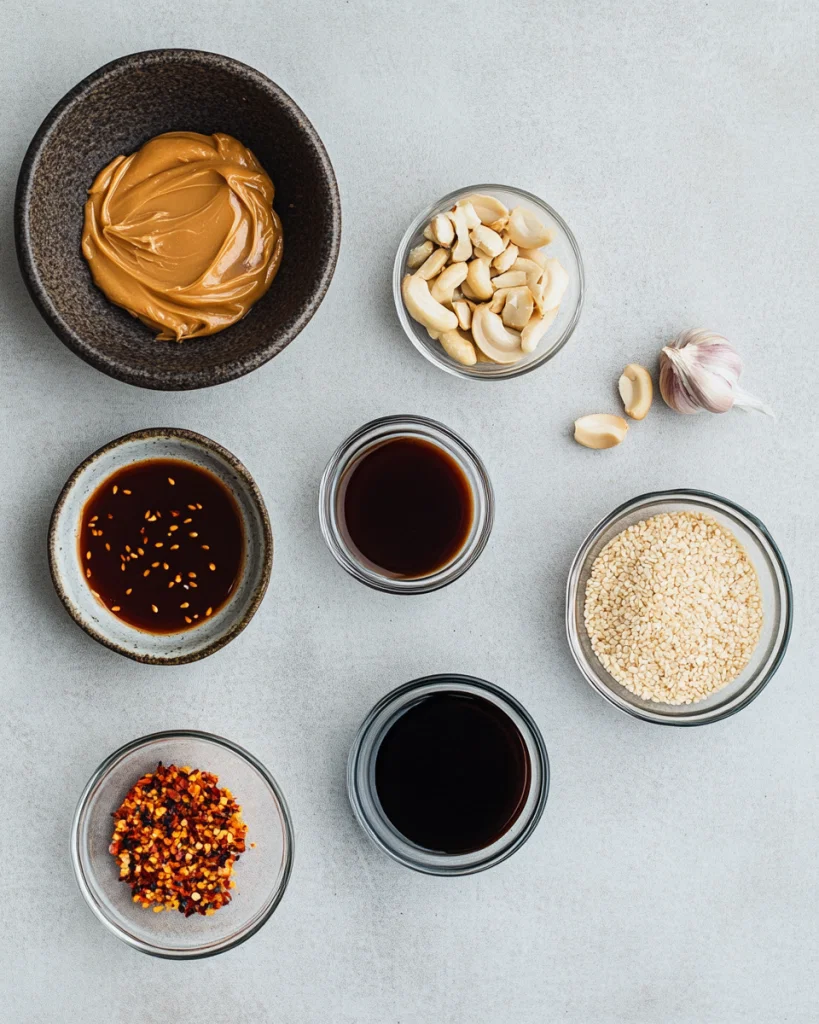
- Peanut butter: Creamy or crunchy, I prefer creamy for a smooth sauce. Crunch adds texture but may need extra stirring.
- Soy sauce: I use regular soy, but tamari works for gluten-free needs. It adds that salty umami punch.
- Rice vinegar: Brightens the sauce with a tangy note. Lemon juice can substitute but adds a different zing.
- Honey: Balances heat and salt. Maple syrup works, but it changes the flavor to a more earthy sweetness.
- Chili flakes: For heat. Adjust according to your spice tolerance. Smoked paprika can add a smoky layer.
Spotlight on Peanut Butter and Lime
Peanut Butter:
- The peanut butter provides richness and a nutty depth. Its natural oils help emulsify the sauce, creating a smooth, shiny finish.
- Look for natural peanut butter with just peanuts and a touch of salt for the best flavor and texture.
Lime Juice:
- Lime juice adds a fresh, citrusy brightness. It cuts through the richness, balancing the flavors.
- Use fresh lime for that zesty, aromatic punch. Bottled lime juice can work but tastes dull.
Swapping Ingredients Without Losing the Soul
- Dairy-Free: Use coconut aminos instead of soy for a sweeter, tropical flavor.
- Sweetener: Maple syrup or agave can replace honey for a different sweetness profile.
- Vinegar: Apple cider vinegar adds a fruity note—try it in place of rice vinegar.
- Oil: Toasted sesame oil gives a nutty aroma—use sparingly.
- Heat: Sriracha or chili paste for more spice—adjust to taste.
Equipment & Tools
- Small bowl: Mixing ingredients
- Pan: Cooking garlic and simmering sauce
- Wooden spoon or spatula: Stirring
- Measuring spoons and cups: Accurate measurement
- Whisk or fork: Emulsifying and blending
How to Make Savory Peanut Butter Sauce
- Combine peanut butter, soy sauce, rice vinegar, honey, and chili flakes in a small bowl.
- Heat a tablespoon of oil in a pan over medium heat, about 150°C/300°F.
- Add minced garlic and cook until fragrant, about 30 seconds, just until you smell garlic.
- Pour in the peanut butter mixture, stirring constantly to prevent sticking.
- Gradually add warm water or broth, a tablespoon at a time, until the sauce reaches your desired consistency.
- Simmer gently for 2-3 minutes, watching for a glossy, smooth texture.
- Taste and adjust salt, spice, or acidity as needed. Keep it simmering on low if thickening.
- For a smokier flavor, stir in a splash of toasted sesame oil or a pinch of smoked paprika.
- Once thickened and shiny, remove from heat. Let it sit for a minute to settle.
- Serve warm or at room temperature over noodles, grilled meats, or roasted vegetables.
Let the sauce rest one minute after cooking. Serve immediately or cool and store for later.
How to Know It’s Done
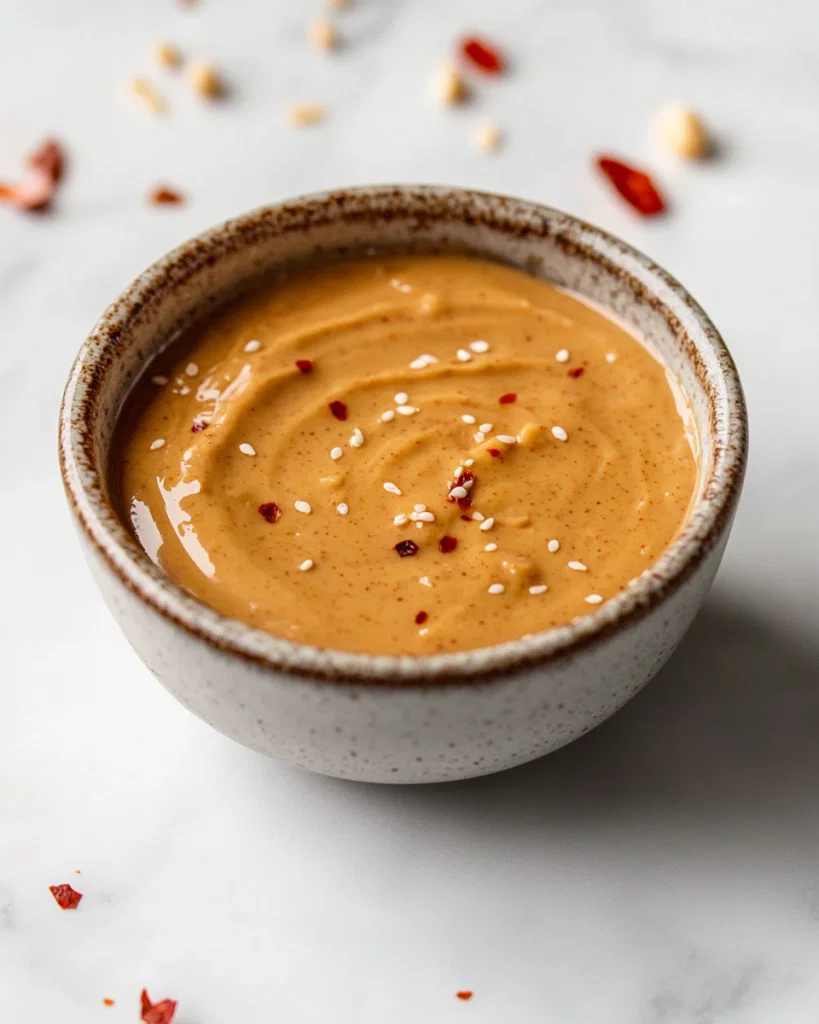
- The sauce should be glossy and slightly thickened.
- It should smell toasted and nutty, with a hint of spice.
- It should cling to a spoon and not be runny or watery.
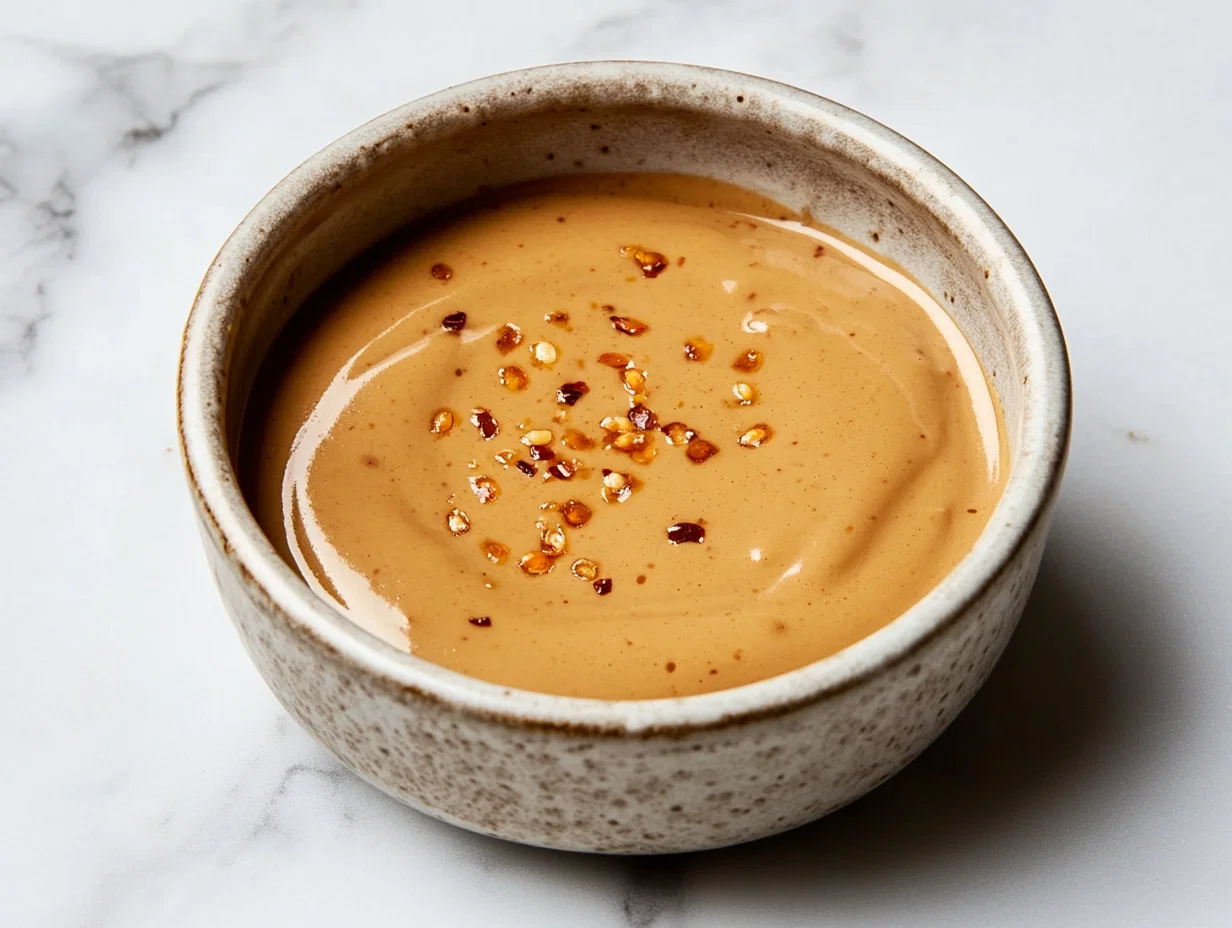
Savory Peanut Butter Sauce
Equipment
- Small Bowl
- Pan
- Measuring Spoons and Cups
- Whisk or Fork
Ingredients
- 1/2 cup natural creamy peanut butter preferably with just peanuts and salt
- 2 tablespoons soy sauce
- 1 tablespoon rice vinegar
- 1 teaspoon honey
- 1/2 teaspoon chili flakes adjust to spice preference
- 1 tablespoon oil vegetable or neutral oil
- 1 clove garlic minced
- 2-3 tablespoons warm water or broth to thin the sauce
- 1 squeeze lime juice freshly squeezed
Instructions
- Place the peanut butter, soy sauce, rice vinegar, honey, and chili flakes in a small bowl. Whisk together until smooth and slightly thickened.
- Heat the oil in a pan over medium heat until it shimmers and begins to ripple, releasing a faint fragrant aroma.
- Add the minced garlic to the hot oil and cook for about 30 seconds, until fragrant and just starting to turn golden, but not brown.
- Pour the peanut butter mixture into the pan, stirring constantly to incorporate the garlic and prevent sticking or burning.
- Gradually add warm water or broth, one tablespoon at a time, stirring until the sauce reaches your preferred consistency—smooth, velvety, and slightly thick.
- Reduce the heat to low and let the sauce simmer gently for 2-3 minutes, watching as it becomes glossy and coats the back of a spoon.
- Finish by stirring in a squeeze of fresh lime juice, brightening the flavors and balancing the richness of the peanut butter.
- Remove the pan from heat. The sauce should be shiny, smooth, and slightly thickened, ready to serve over your favorite dishes.
Notes
Nutrition
Cooking Tips & Tricks
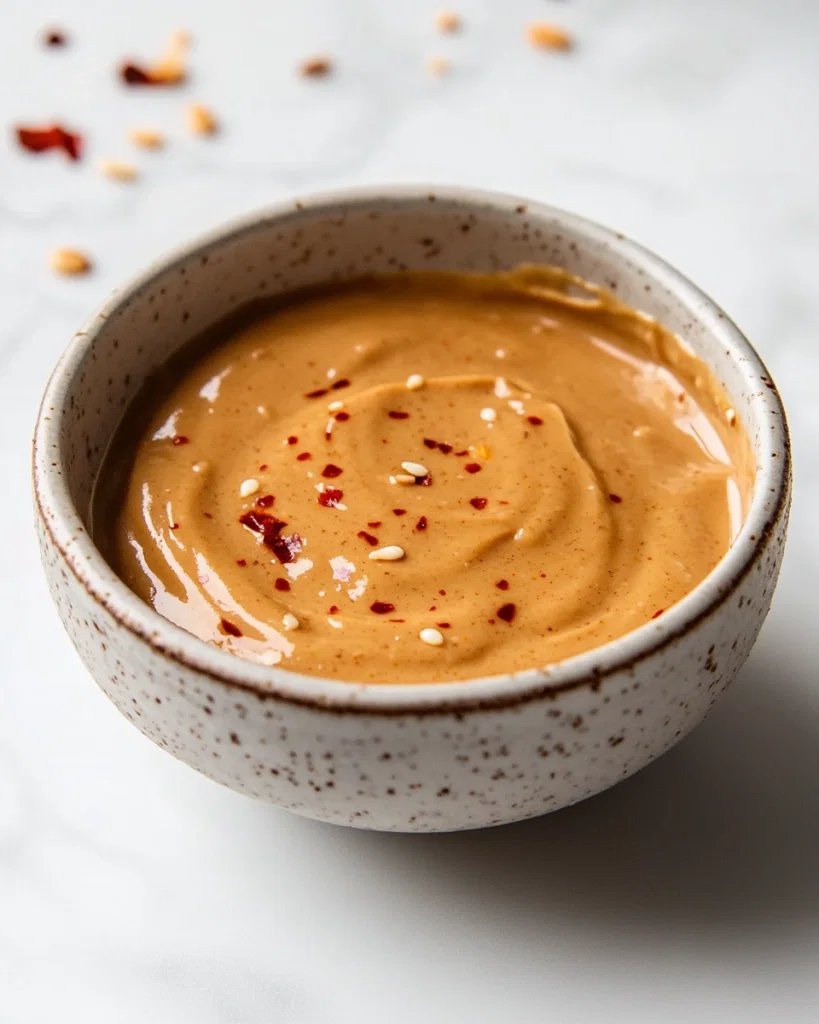
- GARLIC: Mince finely and add after oil heats for a fragrant, not bitter, aroma.
- SUGAR OR HONEY: Add slowly to balance spicy heat and enhance flavor.
- TASTE OFTEN: Adjust acidity and salt before removing from heat.
- USE LOW TEMP: Keep heat gentle to prevent separation and burning.
- STIR CONSTANTLY: Ensures smooth, glossy sauce without clumps.
- LIMBER UP: Warm water or broth makes thinning the sauce easier without sacrificing flavor.
- LET IT SIT: Rest for a minute after cooking to let flavors meld.
Common Mistakes and How to Fix Them
- FORGOT TO stir the sauce? Whisk vigorously over low heat to reincorporate the oil and solids.
- DUMPED TOO MUCH WATER? Simmer longer to thicken or add a spoonful of peanut butter for richness.
- OVER-TORCHED THE GARLIC? Start again with fresh garlic; burnt garlic tastes bitter.
- SALT TOO STRONG? Dilute with a splash more water or soy sauce, then adjust seasoning.
Quick Fixes for Common Sauce Flaws
- When sauce is too thick, splash in hot water and stir until smooth.
- When bland, add a dash more soy or a squeeze of lime.
- If sauce separates, whisk vigorously or reheat gently while stirring.
- Splash a few drops of sesame oil for a smoky depth.
- Patch thin sauce with a spoonful of peanut butter.
What to Serve With Peanut Butter Sauce
- Rice noodles
- Stir-fried vegetables
- Spring rolls
- Grilled chicken
- Steamed jasmine rice
Prep and Storage Tips
- The sauce can be made ahead and stored in an airtight container in the fridge for up to 3 days.
- Reheat gently on the stove, stirring frequently, until warmed through. It will loosen slightly.
- Flavors deepen with a day or two, but the texture may thicken—add warm water to loosen.
- Avoid freezing, as peanut butter can seize or become grainy after thawing.
10 Practical Q&As About Making Savory Peanut Butter Sauce
1. Can I use crunchy peanut butter in this sauce?
Use natural crunchy or smooth peanut butter for a richer, nutty flavor. Keep an eye on the salt content, as it varies.
2. Does crunchy peanut butter work well here?
Yes, but blend it longer to get a smooth texture. The crunch adds a nice texture but might need extra stirring.
3. Can I use chunky peanut butter?
Absolutely. It adds texture and a bit of extra nuttiness. Just stir well to incorporate the bits.
4. What can I swap for soy sauce?
Use soy sauce or tamari for a more authentic umami hit. Adjust the salt accordingly.
5. Can I replace lime juice with lemon?
Lime juice brightens the sauce. Lemon works too but adds a slightly different tang.
6. What’s the best way to thin the sauce?
Warm water or broth thin the sauce without dulling flavor. Cold water may cause clumping.
7. What heat should I cook the sauce at?
Cook on medium-low heat, around 150°C/300°F, to prevent burning and separation.
8. How do I know when the sauce is ready?
Check for smoothness and shine; it should cling slightly and smell toasted with a nutty aroma.
9. How long does the sauce keep?
Store in an airtight container in the fridge for up to 3 days. Reheat gently, stirring often.
10. My sauce is too thick after refrigeration, what do I do?
If it thickens upon storage, whisk in a splash of hot water or broth to loosen.
This sauce is a reminder that good food doesn’t need to be complicated. Sometimes, a spoonful of peanut butter, a splash of soy, and a squeeze of lime are enough to pull a dish together. It’s not about perfection but about quick, honest cooking in the chaos of a small kitchen.
Hopefully, this gives you a new way to think about what’s in your pantry. A little peanut butter can go a long way, especially when you’re improvising. Keep tasting and adjusting—sometimes, the best flavors come from just a bit of daring.