Cinnamon Tea Recipe
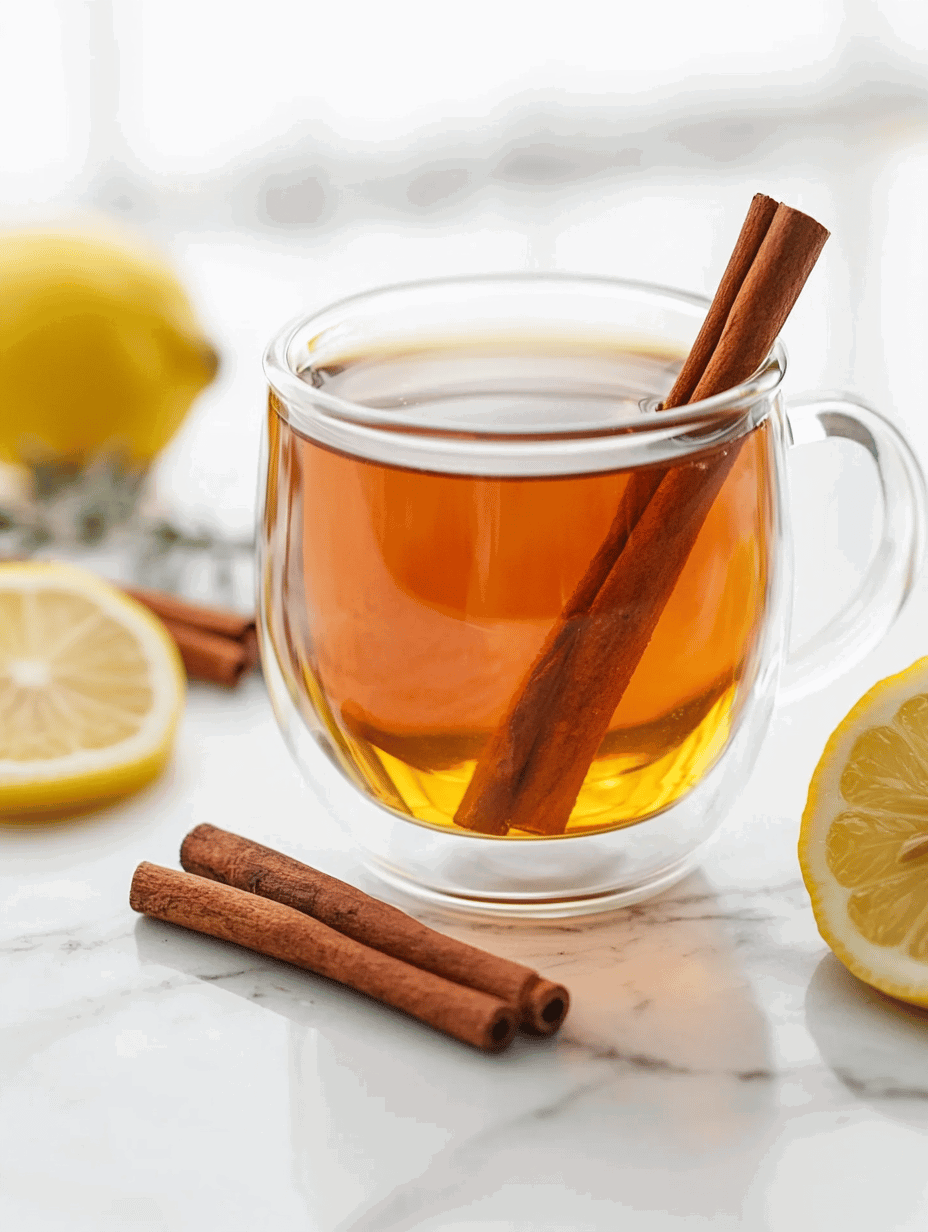
This Cinnamon Tea is a simple homemade herbal drink made by simmering cinnamon sticks in water until the infusion develops a warm amber color and rich spice aroma. With just a few ingredients, this comforting beverage is an easy choice for a relaxing morning drink, an afternoon sip, or a cozy evening routine.
The slow simmering process allows the cinnamon to release its naturally sweet and spicy notes, creating a smooth drink with a fragrant aroma. A small amount of honey adds gentle sweetness, while the clear cinnamon infusion offers a simple and comforting tea experience.
Why You’ll Keep Making This Recipe
- Simple Preparation: Requires only a few ingredients and basic kitchen equipment.
- Caffeine-Free Drink: A warm option when you want a beverage without traditional tea leaves.
- Quick Recipe: Comes together in just 15 minutes from start to finish.
- Budget Friendly: Uses inexpensive ingredients that can be stored for multiple batches.
- Easy to Customize: Works well with additional flavors like citrus, ginger, or herbs.
- Comforting Anytime Drink: Suitable for mornings, afternoons, or relaxing evenings.
Ingredient Insights and Easy Substitutions
- Cinnamon Sticks: Whole cinnamon sticks provide a clean infusion and slowly release their warm spice flavor. They are preferred over ground cinnamon because they are easier to strain.
- Water: Water acts as the base for extracting the cinnamon flavor. Filtered water can help create a cleaner-tasting tea.
- Honey: Honey adds optional sweetness and balances the natural spice of cinnamon. Maple syrup can also be used as an alternative sweetener.
- Cinnamon Variety: Different cinnamon types can create slightly different flavors. Ceylon cinnamon tends to have a lighter, delicate taste, while cassia cinnamon has a stronger spice profile.
- Fresh Cinnamon: Fresh cinnamon sticks usually produce a more noticeable aroma compared with older spices stored for a long time.
- Optional Additions: Ginger, lemon, orange peel, or cloves can be added for different flavor combinations.
Chef’s Tip: Let the cinnamon sticks simmer gently instead of boiling aggressively. A slower infusion helps release the spice flavor without making the tea taste overly strong.
Cinnamon Tea
Equipment
- Saucepan
- Strainer
Ingredients
- 2 pieces cinnamon sticks preferably whole
- 4 cups water
- 1 teaspoon honey optional, for sweetness
Instructions
- Place the cinnamon sticks in a saucepan and add the water.
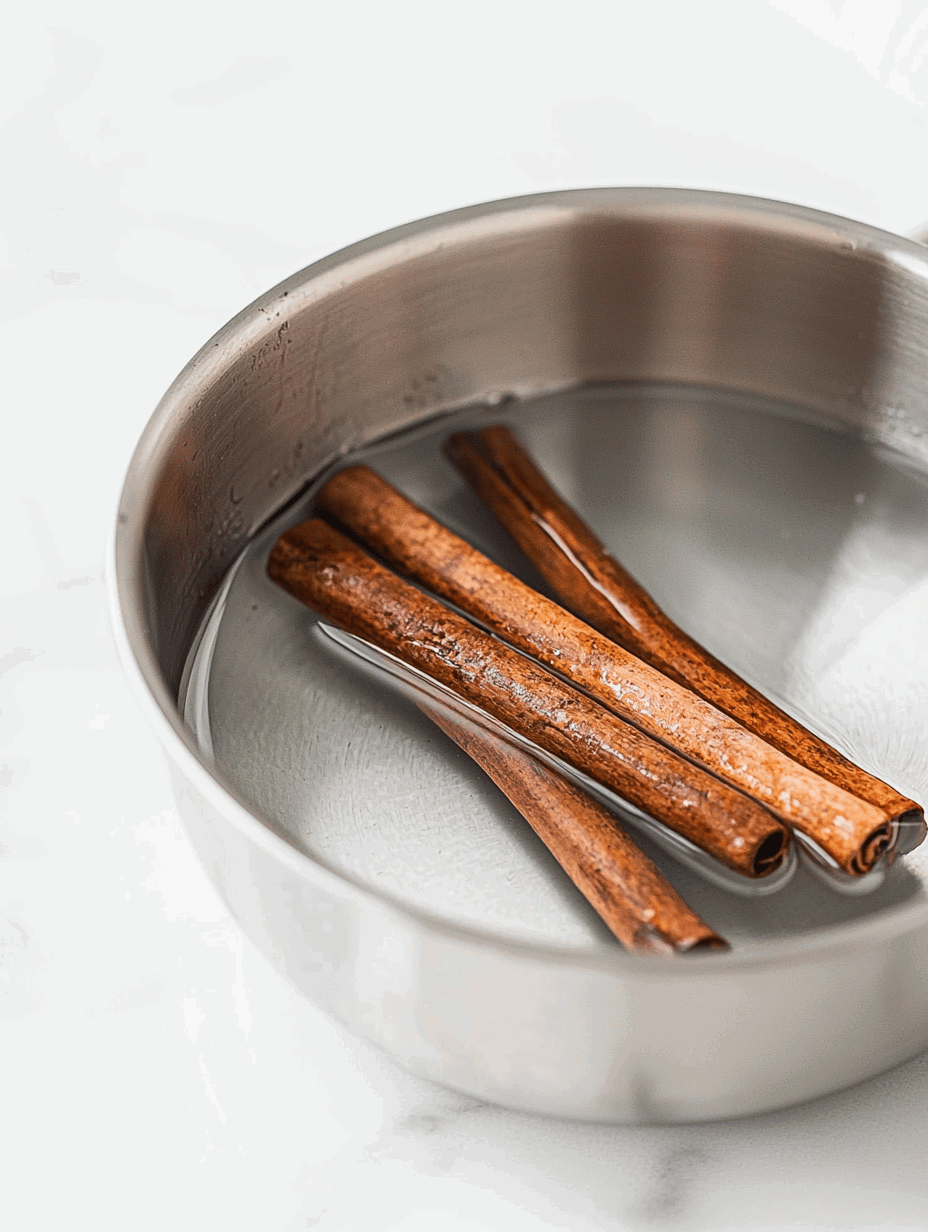
- Bring the mixture to a gentle boil over medium heat, releasing a warm, spicy aroma.
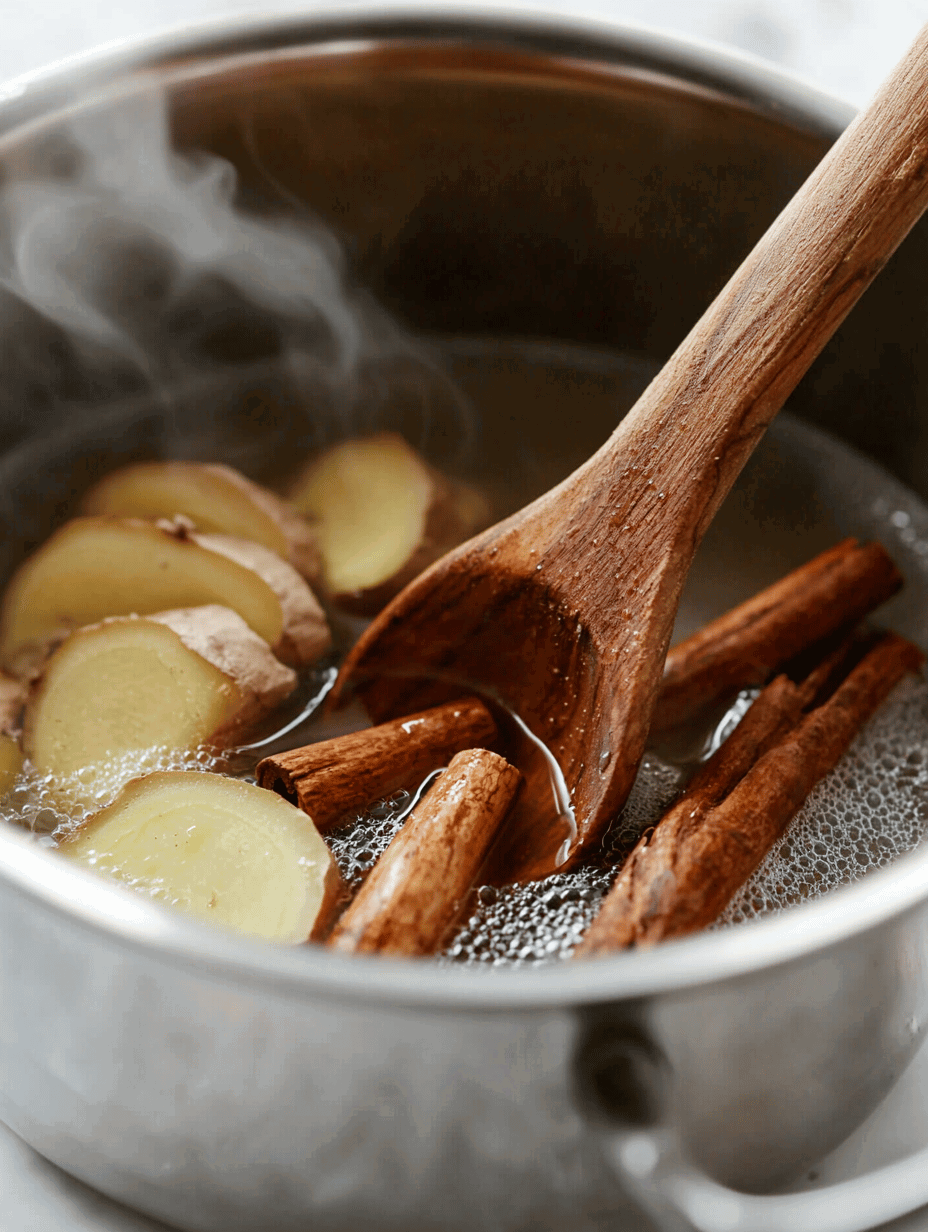
- Reduce the heat to low and let it simmer uncovered for about 5 to 10 minutes, allowing the flavors to deepen and the liquid to darken slightly.
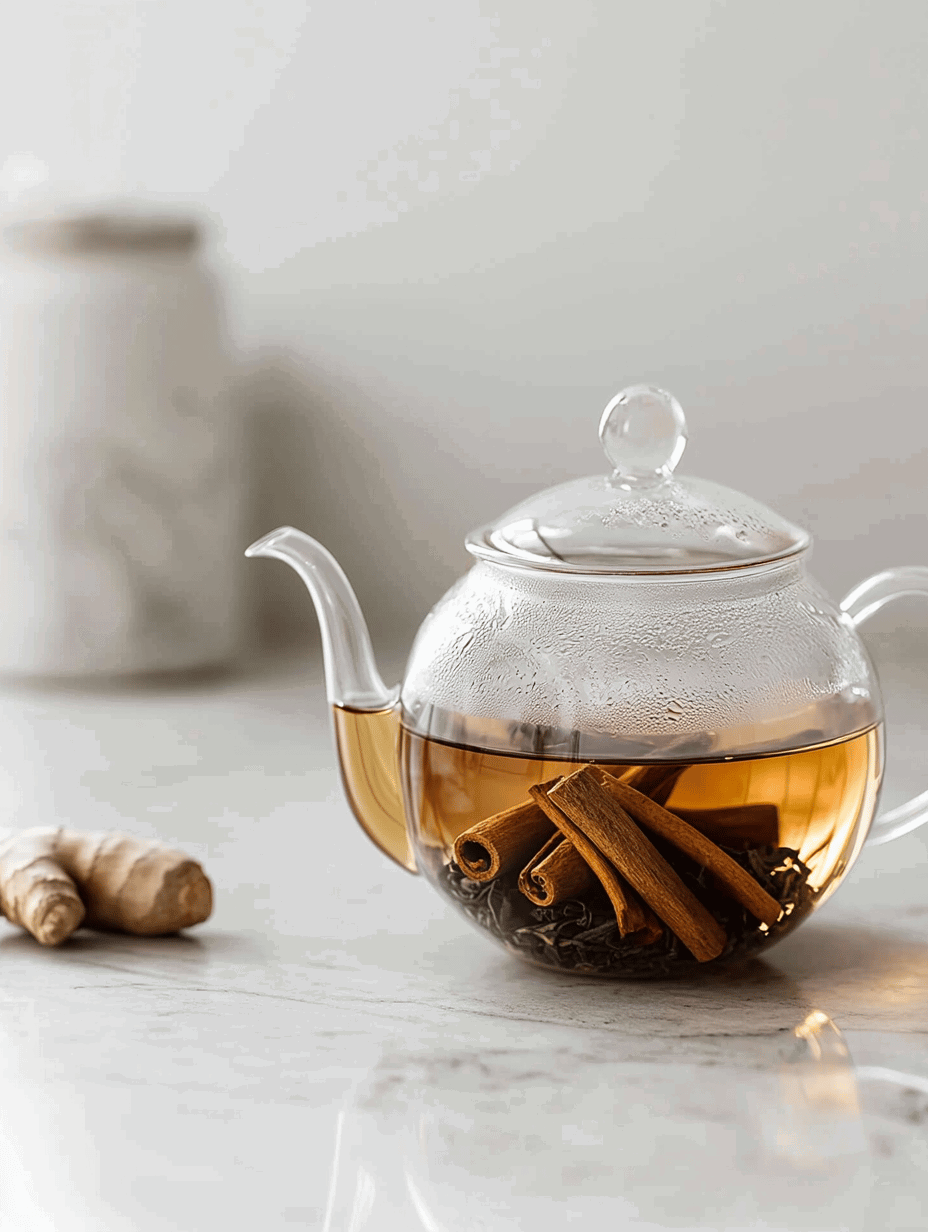
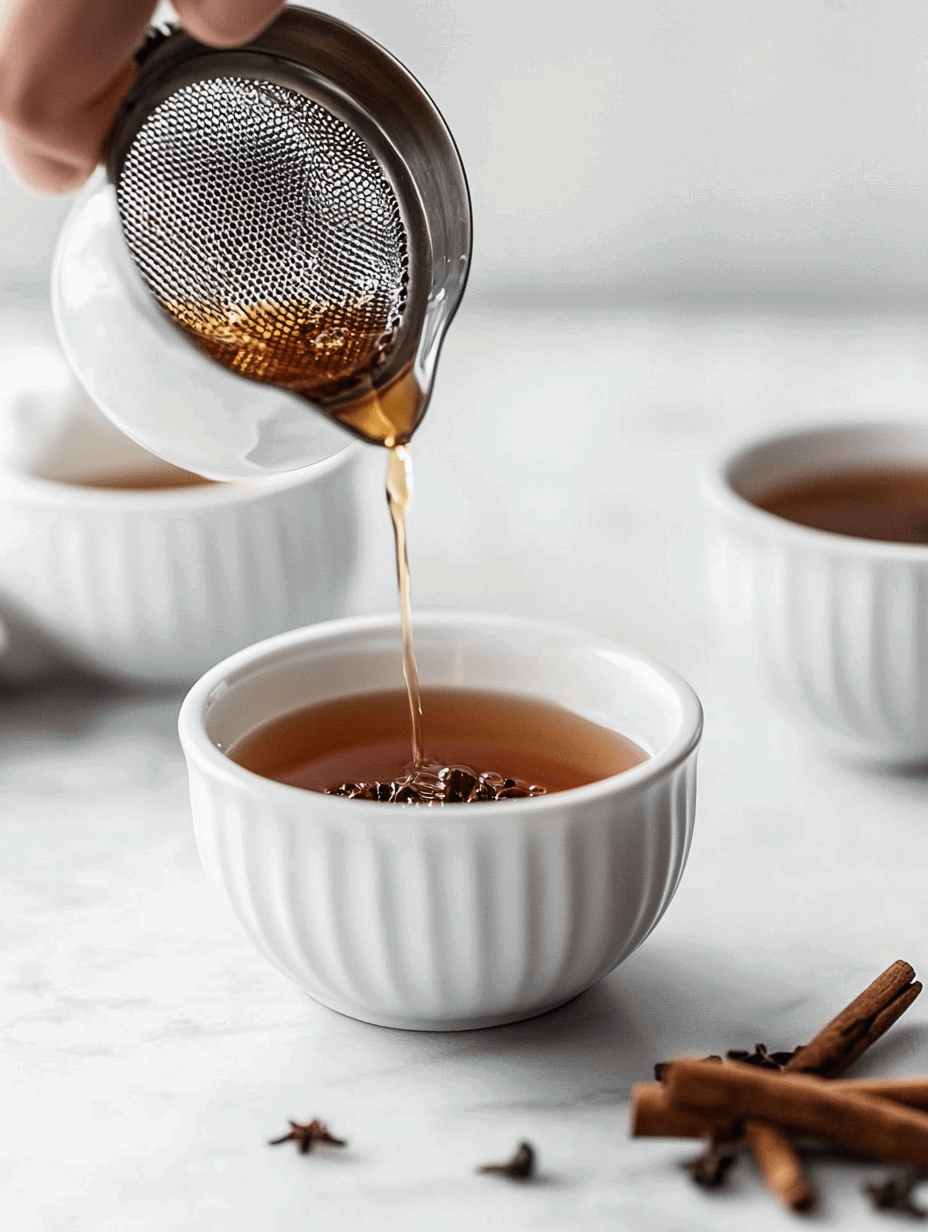
- Turn off the heat and strain the tea through a fine sieve into cups, catching the cinnamon sticks and any sediment.
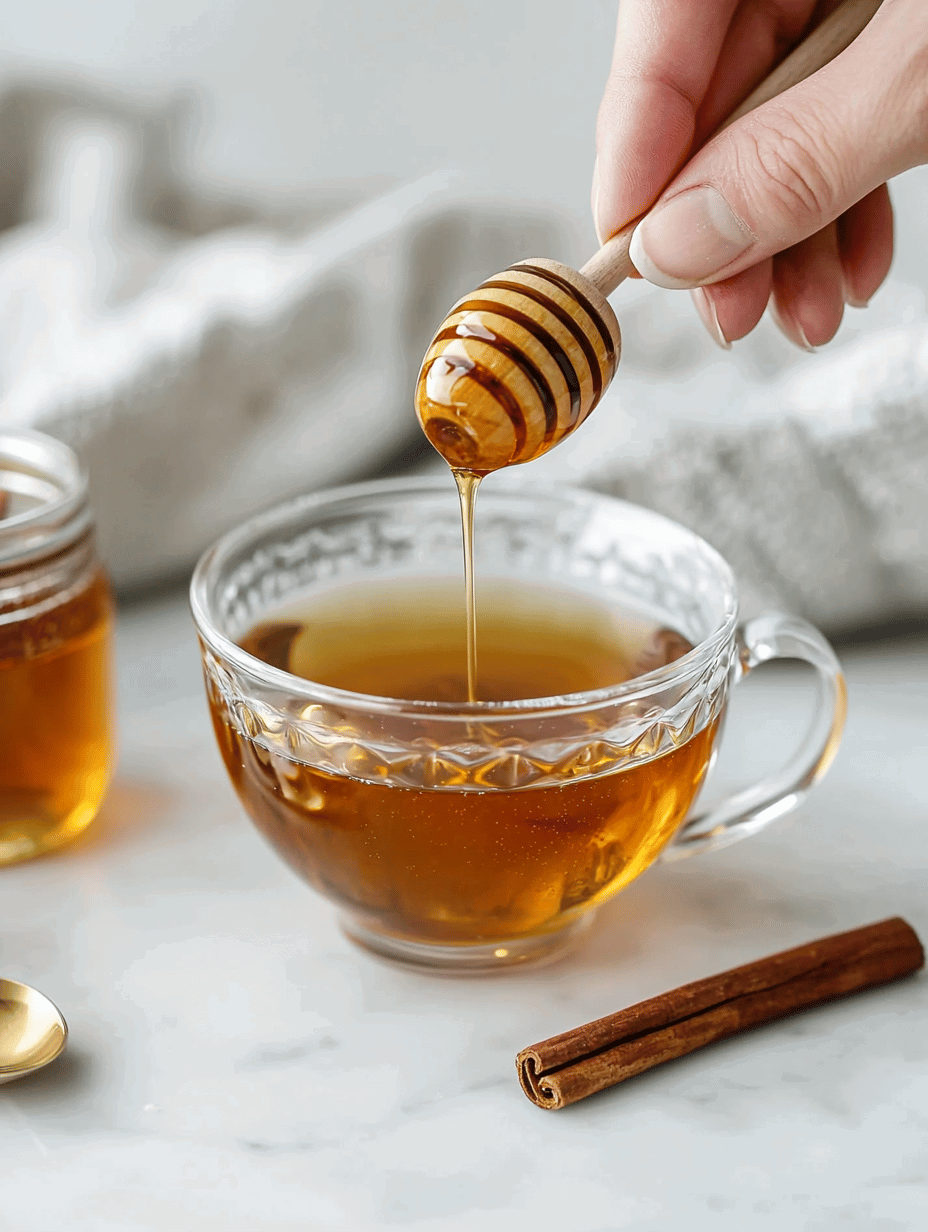
- If desired, stir in honey to add a touch of sweetness, and gently swirl to combine.
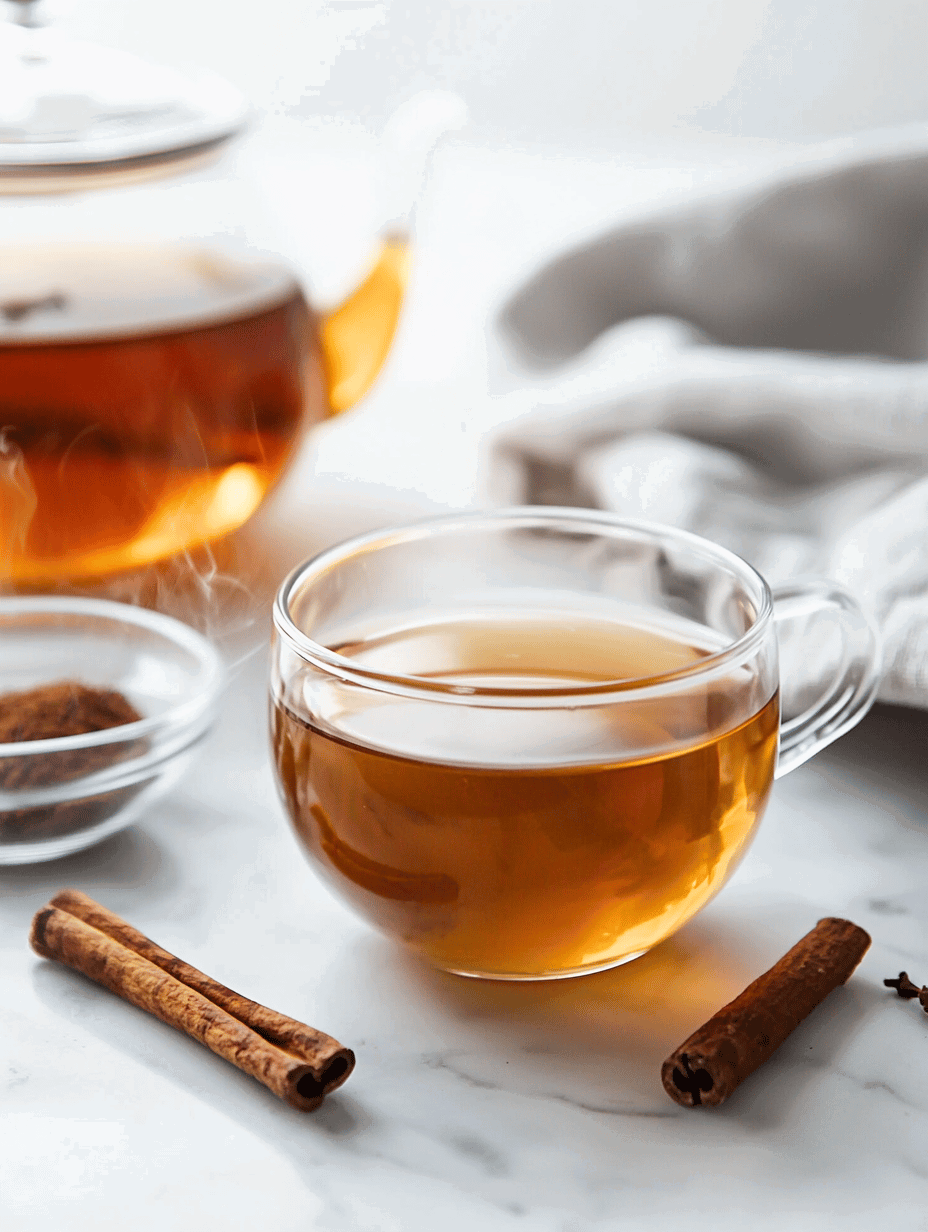
- Serve the warm cinnamon tea immediately, enjoying its fragrant aroma and smooth, amber-colored appearance.
Notes
Nutrition
Common Mistakes to Avoid
- Using Too Much Cinnamon: Excess cinnamon can create an overpowering or bitter flavor.
- Boiling Too Long: Extended high heat can make the infusion stronger than intended.
- Skipping the Straining Step: Small cinnamon particles can affect the smooth drinking experience.
- Using Old Cinnamon Sticks: Older spices may not release enough aroma or flavor.
- Adding Honey Too Early: Adding honey after straining helps preserve its flavor.
- Using Ground Cinnamon Without Adjustments: Ground cinnamon can create sediment and may require extra filtering.
Flavor Twists Worth Trying
- Ginger Cinnamon Tea: Add fresh ginger slices while simmering for a warmer spice profile.
- Orange Cinnamon Tea: Add orange peel for a bright citrus note.
- Apple Cinnamon Tea: Simmer with apple slices for a naturally fruity variation.
- Lemon Cinnamon Tea: Add fresh lemon juice after brewing for a refreshing finish.
- Clove Cinnamon Tea: Include whole cloves for a deeper spiced aroma.
- Vanilla Cinnamon Tea: Add a small splash of vanilla extract for a softer flavor.
- Mint Cinnamon Tea: Add fresh mint leaves after simmering for a cooling contrast.
More Simmering Pot Recipes You’ll Enjoy
- Cinnamon & Orange Simmer
- Spiced Cinnamon Apple Simmer
- Simmering Spice Blend
- Pumpkin Spice Simmering Potpourri
- Cranberry Cinnamon Simmering Potpourri
Best Ways to Store Leftovers
- Refrigerator Storage: Store cooled cinnamon tea in a covered container in the refrigerator for up to several days.
- Reheating: Warm gently on the stovetop or enjoy chilled over ice.
- Flavor Tip: Remove cinnamon sticks before storing to prevent the flavor from becoming too intense.
- Freshness Tip: Prepare smaller batches when you want the strongest aroma and flavor.
- Serving Tip: Add fresh honey or a citrus slice when serving stored tea to refresh the taste.
Frequently Asked Questions
- Can I make cinnamon tea with ground cinnamon?
Yes, but ground cinnamon creates sediment and may require extra straining before drinking. - How long should cinnamon sticks simmer for tea?
Simmering for about 5 to 10 minutes creates a flavorful infusion, though longer simmering can produce a stronger taste. - Is cinnamon tea naturally caffeine-free?
Yes. This recipe uses only cinnamon sticks and water, making it naturally free of caffeine. - Can I drink cinnamon tea cold?
Yes. After brewing and cooling, cinnamon tea can be served chilled over ice. - Why is my cinnamon tea too strong?
The tea may have simmered too long or used stronger cinnamon sticks. Reduce simmering time for a lighter flavor. - Can I reuse cinnamon sticks after making tea?
Yes, cinnamon sticks can sometimes be reused, but the second infusion will usually have a milder flavor. - What type of cinnamon is best for tea?
Both Ceylon and cassia cinnamon can be used. The best choice depends on whether you prefer a lighter or stronger cinnamon flavor. - Can I make a larger batch of cinnamon tea?
Yes. Simply increase the amount of water and cinnamon sticks while maintaining the same brewing method.
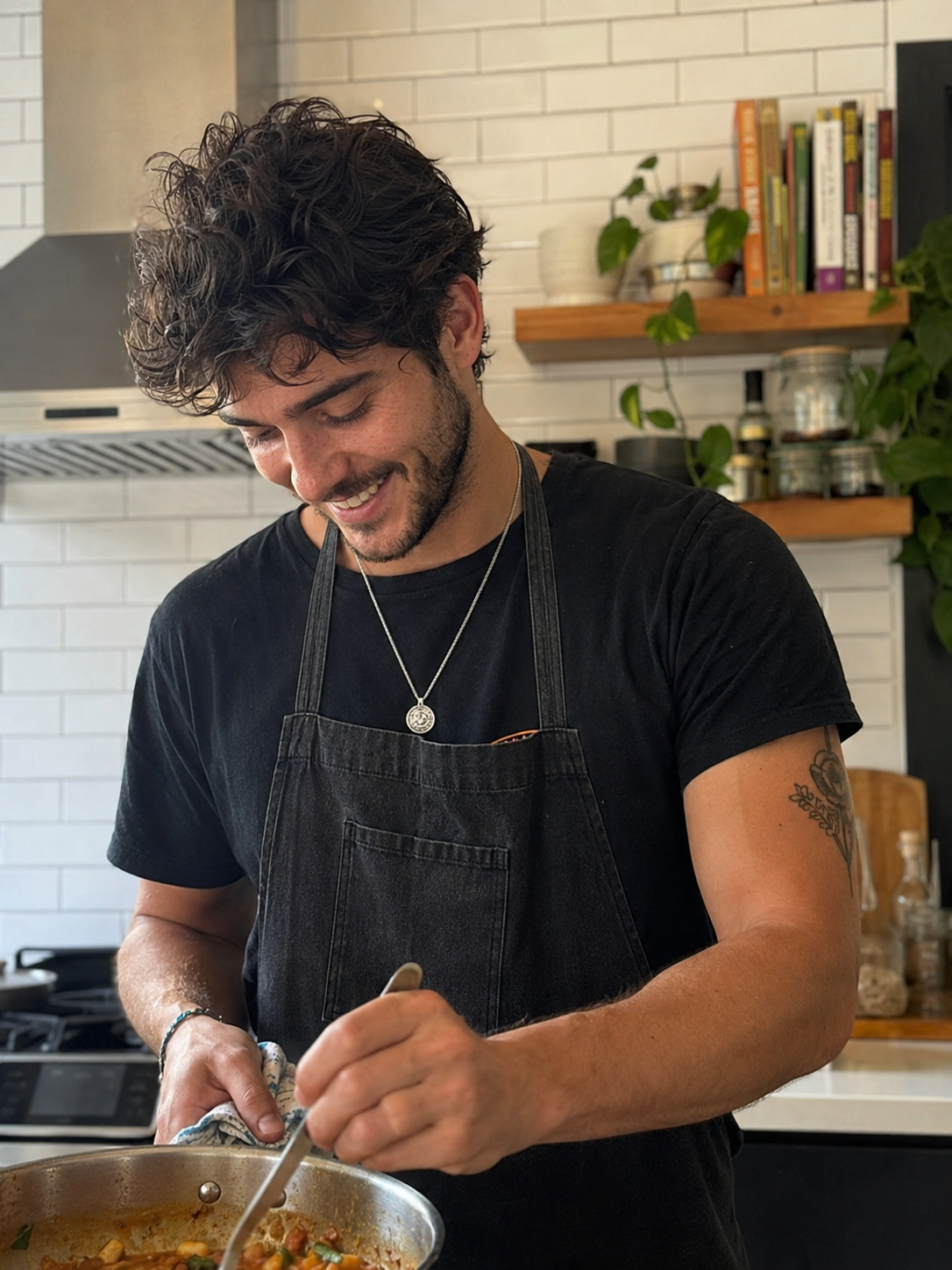
hi there,
i’m James
The home cook and food blogger behind Beyond the Bayou Blog. Cooking has always been my happy place.
know more