Apple Cider Doughnut Loaf Cake Recipe
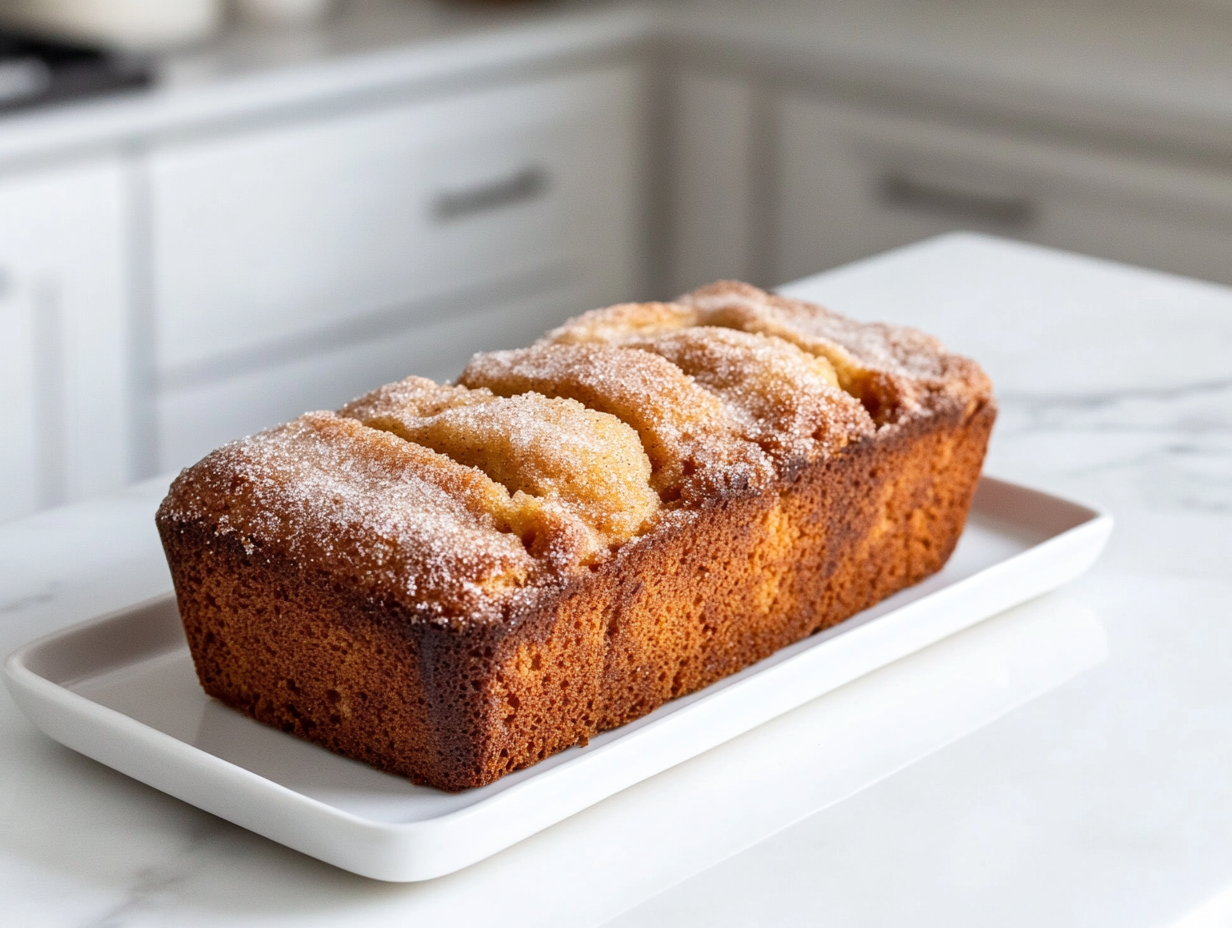
This Apple Cider Doughnut Loaf Cake brings the cozy flavors of a classic fall cider doughnut into an easy loaf cake. Concentrated apple cider, brown sugar, cinnamon, and nutmeg create a warmly spiced batter that bakes into a tender cake without the need for frying.
A buttery cinnamon-sugar coating gives each slice a lightly crisp exterior and a sweet finish. It is especially good while still slightly warm, when the coating is fresh and the apple cider aroma is at its best.
What Makes This Recipe Worth Trying
- Easy Loaf Format: You get the flavor of cider doughnuts without shaping or frying individual doughnuts.
- Simple Preparation: The batter comes together with basic baking ingredients and straightforward mixing.
- Seasonal Baking: Apple cider and warm spices make this a natural choice for fall breakfasts and gatherings.
- Make-Ahead Friendly: The loaf can be baked ahead and kept at room temperature for several days.
- Beginner-Friendly: A standard loaf pan and simple mixing technique make this approachable for home bakers.
- Easy to Slice: The loaf format makes portioning and serving especially convenient.
Ingredient Insights and Easy Substitutions
- Apple Cider: Reducing the cider concentrates its natural apple flavor, which is important for giving the cake its characteristic taste. Fresh cider is ideal, although apple juice can be used when necessary.
- Sour Cream: Adds moisture and richness to the batter while helping keep the finished cake tender. Full-fat sour cream works particularly well.
- Brown Sugar: Adds sweetness and a subtle molasses note that complements the apple cider and warm spices. Pack it firmly into the measuring cup.
- Cornstarch: Lightens the flour mixture and contributes to a delicate crumb. Measure it accurately along with the flour.
- Cinnamon and Nutmeg: These spices provide the warm, doughnut-inspired character. Freshly grated nutmeg gives the most pronounced aroma.
- Butter: Melted butter adds richness to both the cake and the finishing coating. Allow the butter for the batter to cool slightly before mixing it with the eggs.
Chef’s Tip: Let the reduced cider cool slightly before combining it with the sour cream. This keeps the mixture smooth and prevents the dairy from reacting to excessive heat.
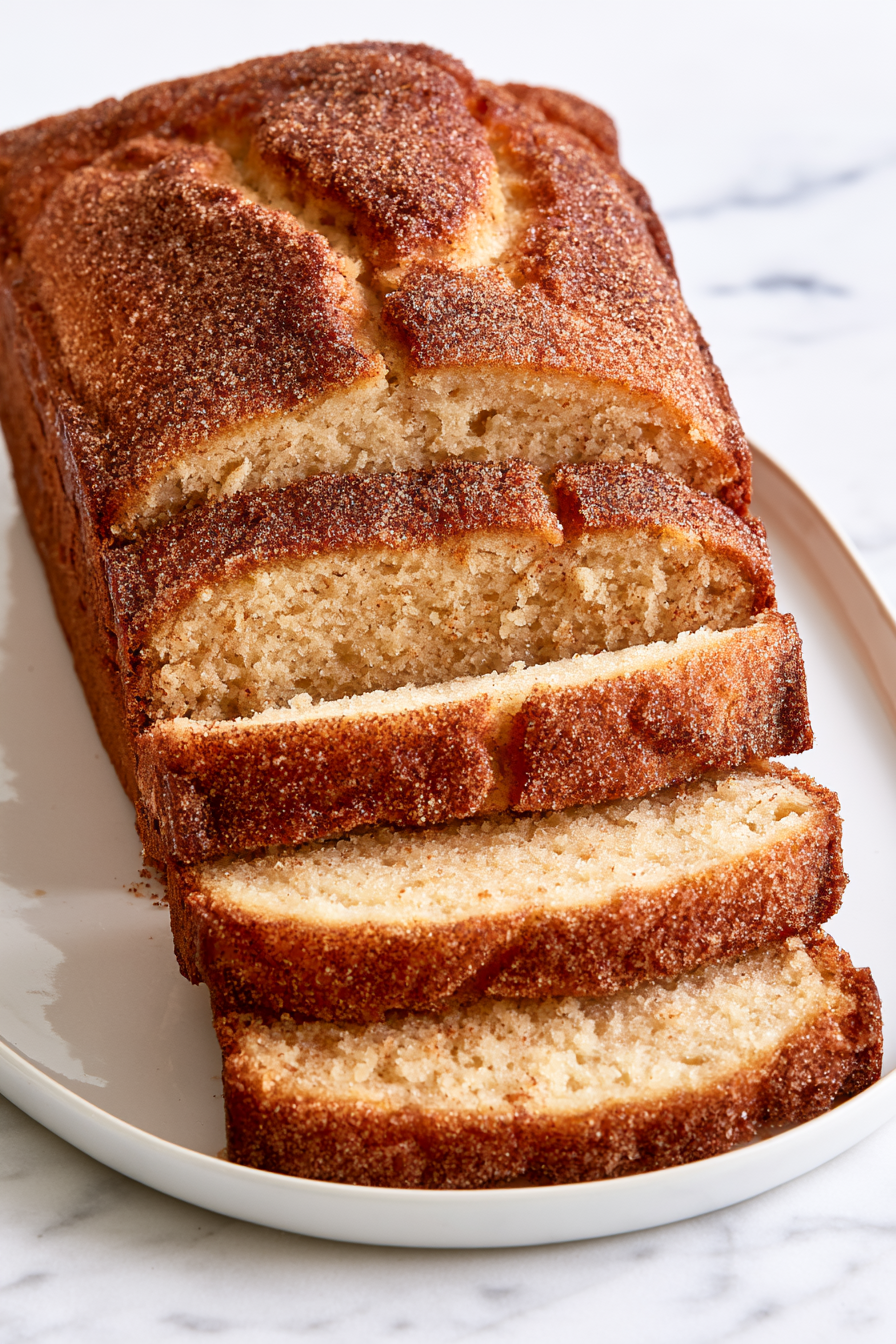
Apple Cider Doughnut Loaf Cake
Equipment
- 9×5-inch loaf pan
- Small Saucepan
- Large mixing bowl
- Medium mixing bowl
- Electric Mixer or Hand Mixer
- Rubber spatula
- Wire Cooling Rack
- Pastry Brush
Ingredients
For the Loaf Cake
- 1 cup apple cider
- ½ cup sour cream
- 2 teaspoons vanilla extract
- ½ cup unsalted butter melted
- 2 large eggs room temperature
- ¾ cup packed light brown sugar
- 1¼ cups plus 2 tablespoons all-purpose flour
- 2 tablespoons cornstarch
- 1¼ teaspoons baking powder
- ½ teaspoon baking soda
- ½ teaspoon salt
- ½ teaspoon ground cinnamon
- ¼ teaspoon freshly grated nutmeg
For the Cinnamon Sugar Coating
- 3 tablespoons unsalted butter melted
- ¼ cup granulated sugar
- ½ teaspoon ground cinnamon
Instructions
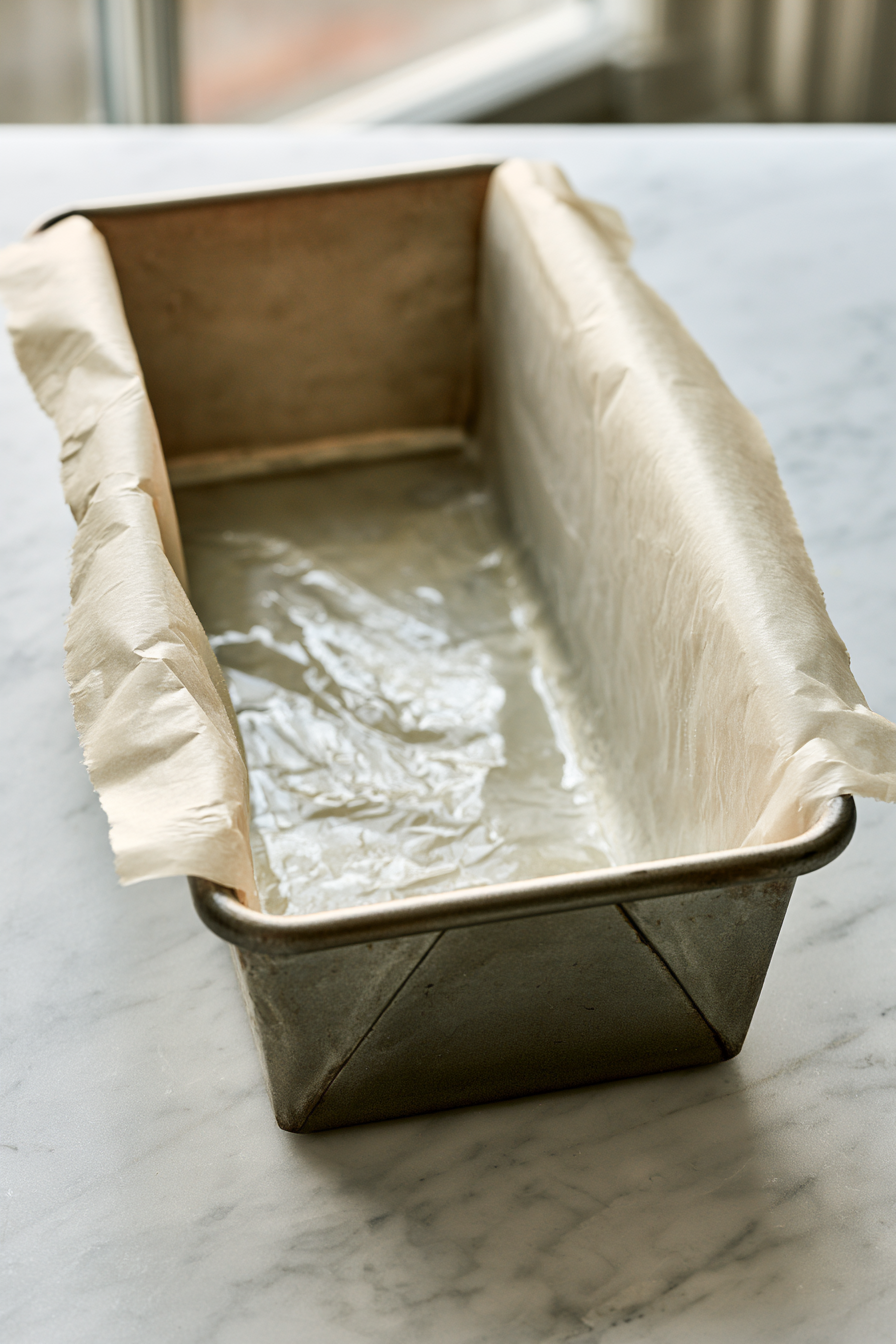
- Preheat the oven to 325°F (165°C). Grease a 9×5-inch loaf pan and line it with parchment paper.
- Bring the apple cider to a boil in a small saucepan. Reduce for about 10 minutes, until you have ½ cup. Let it cool slightly, then stir in the sour cream and vanilla.
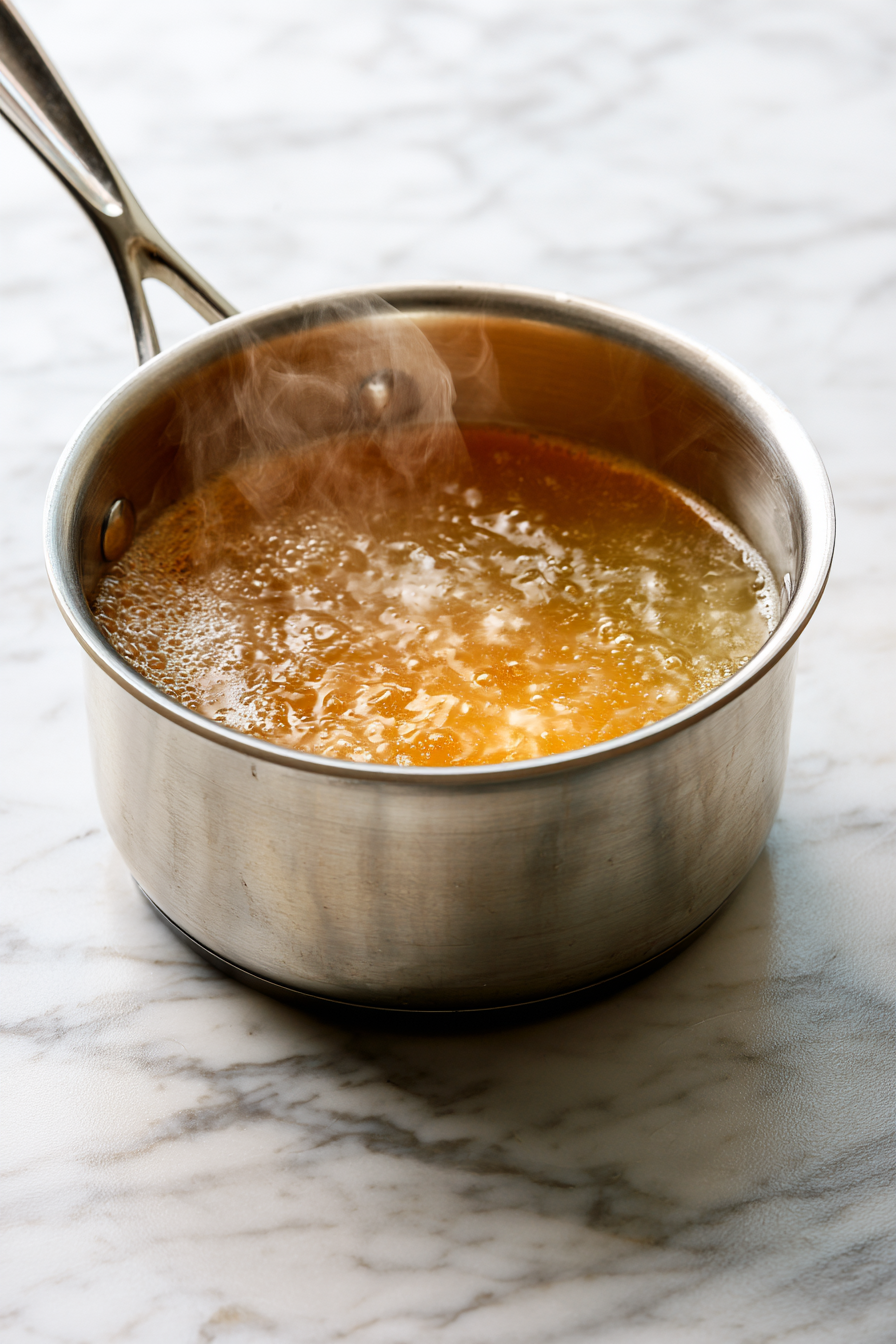
- Let it cool slightly, pour into the mixing bowl then stir in the sour cream and vanilla.
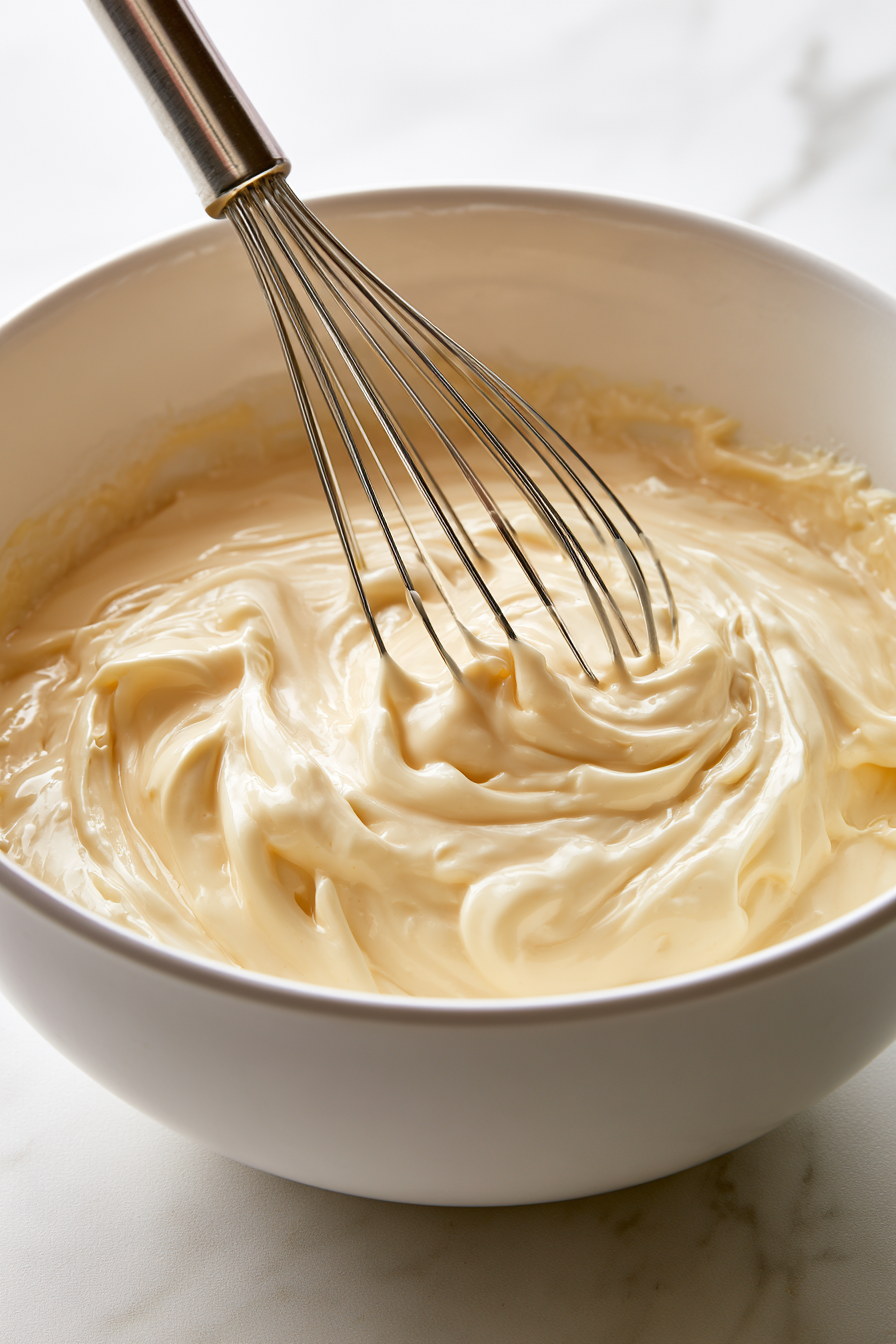
- Whisk the eggs and brown sugar until smooth and slightly frothy. Slowly mix in the melted butter.
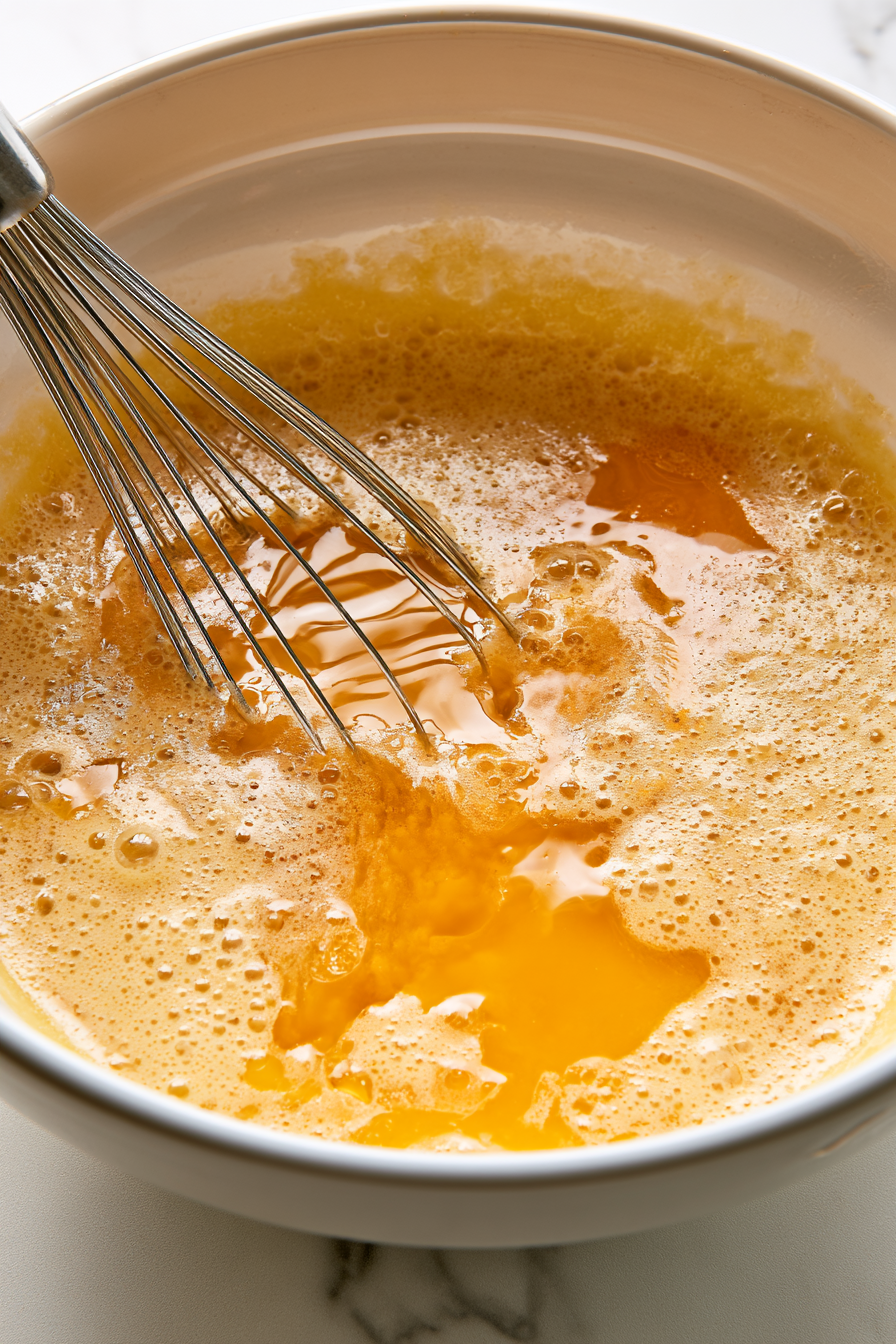
- In a separate bowl, whisk together the flour, cornstarch, baking powder, baking soda, salt, cinnamon, and nutmeg.
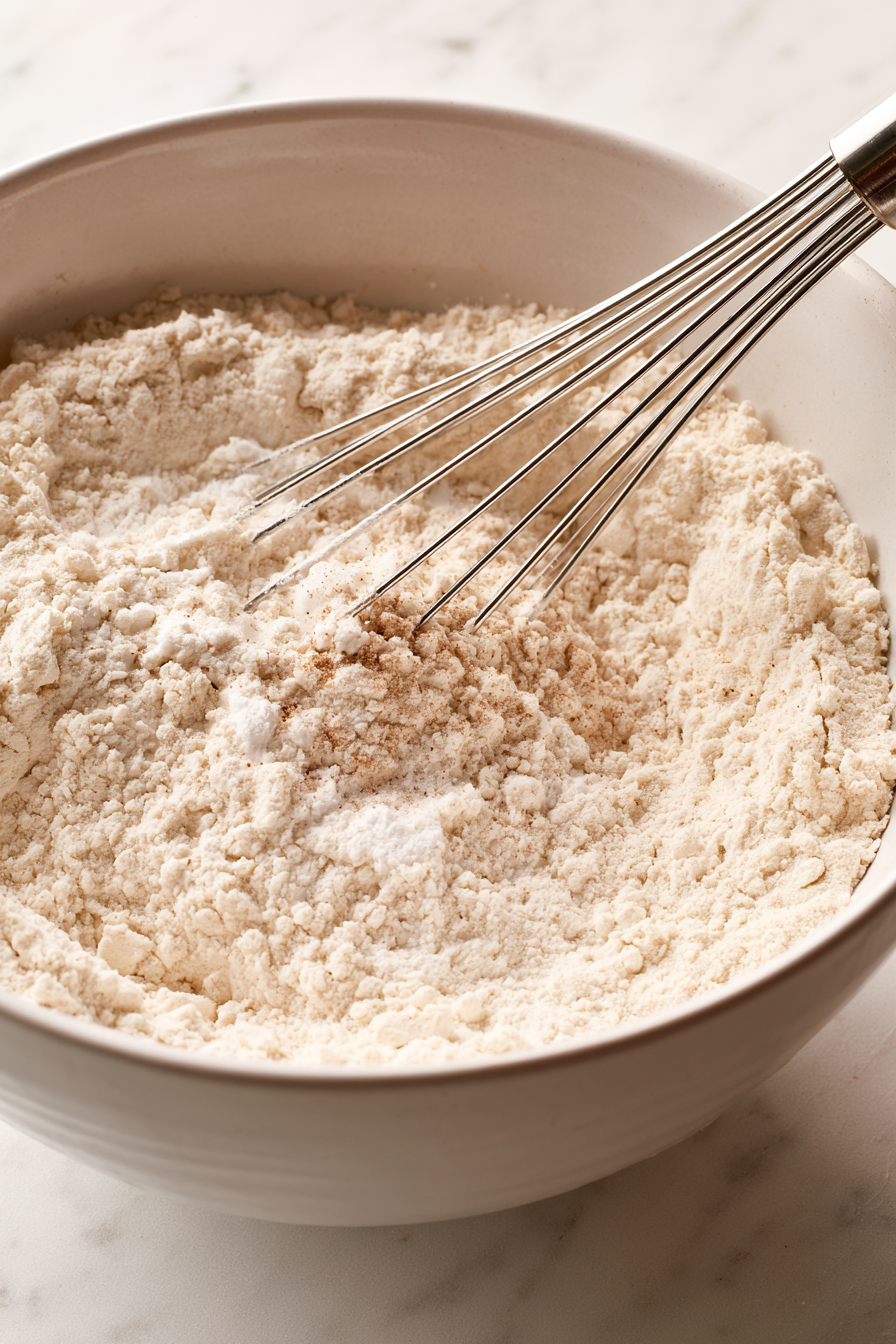
- Add the dry ingredients to the egg mixture, alternating with the cider mixture. Stir just until the batter is smooth.
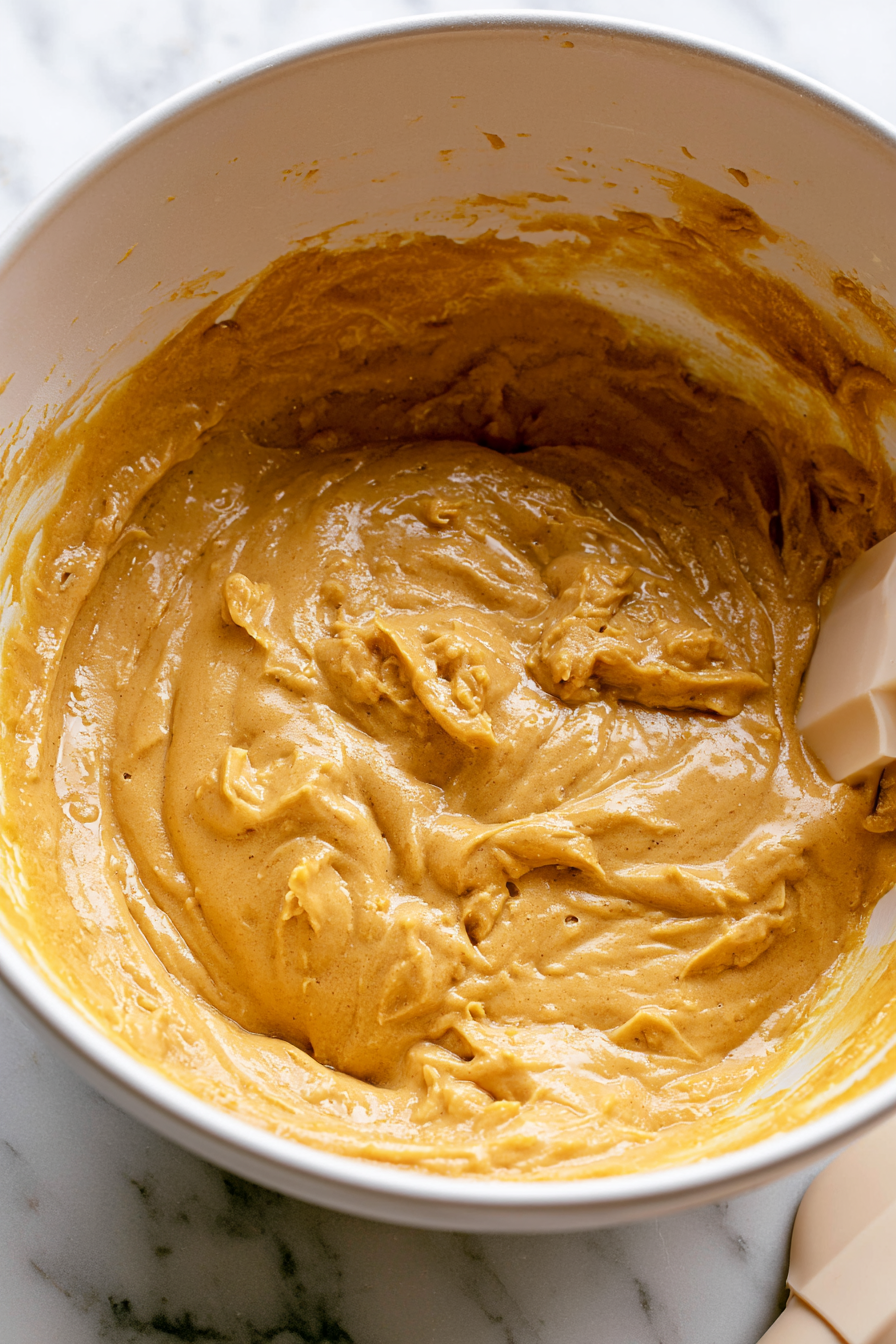
- Pour the batter into the prepared loaf pan and bake for 50–55 minutes, until a toothpick inserted in the center comes out clean or with a few moist crumbs.
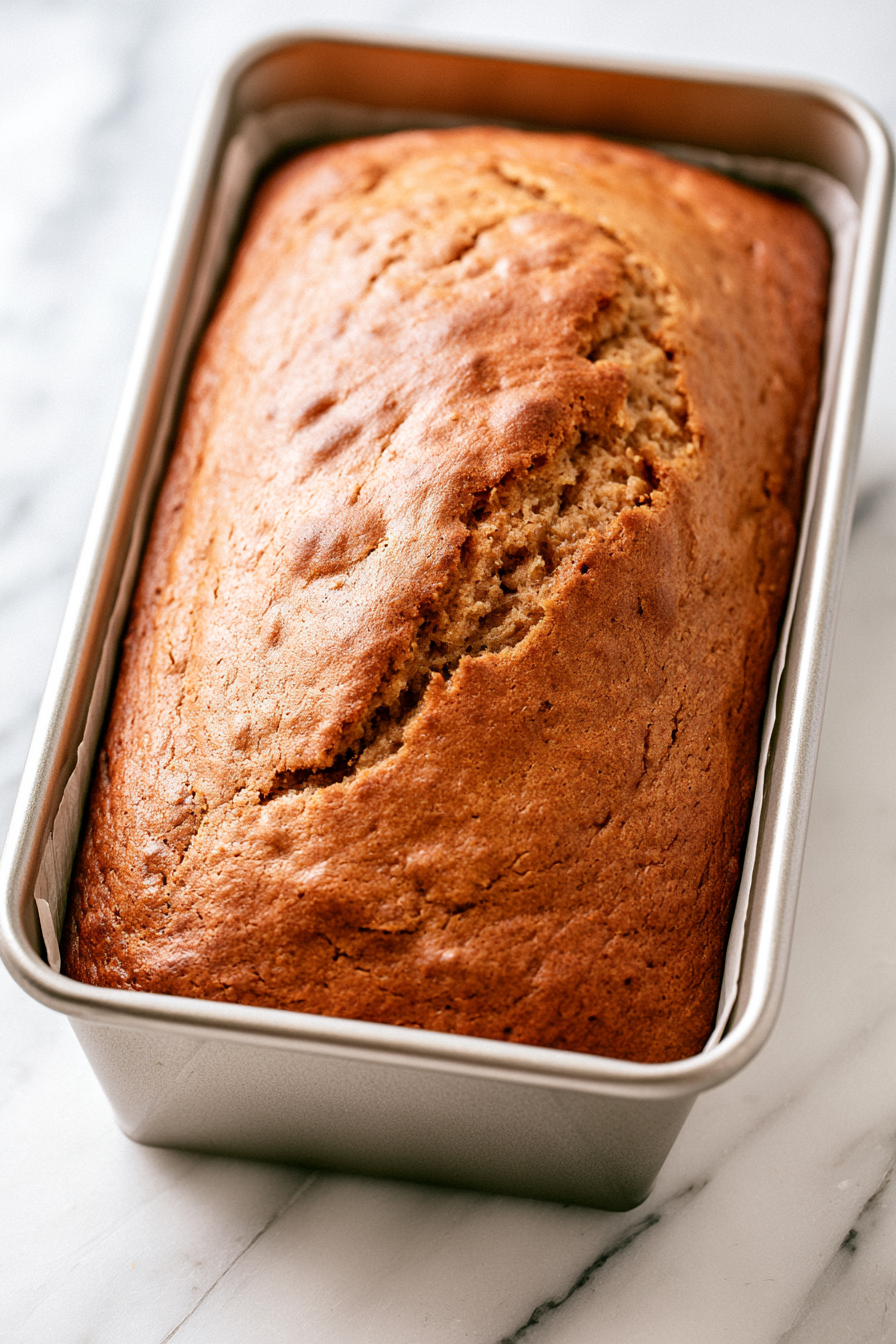
- Cool in the pan for 10 minutes, then transfer to a wire rack and cool for another 5 minutes.
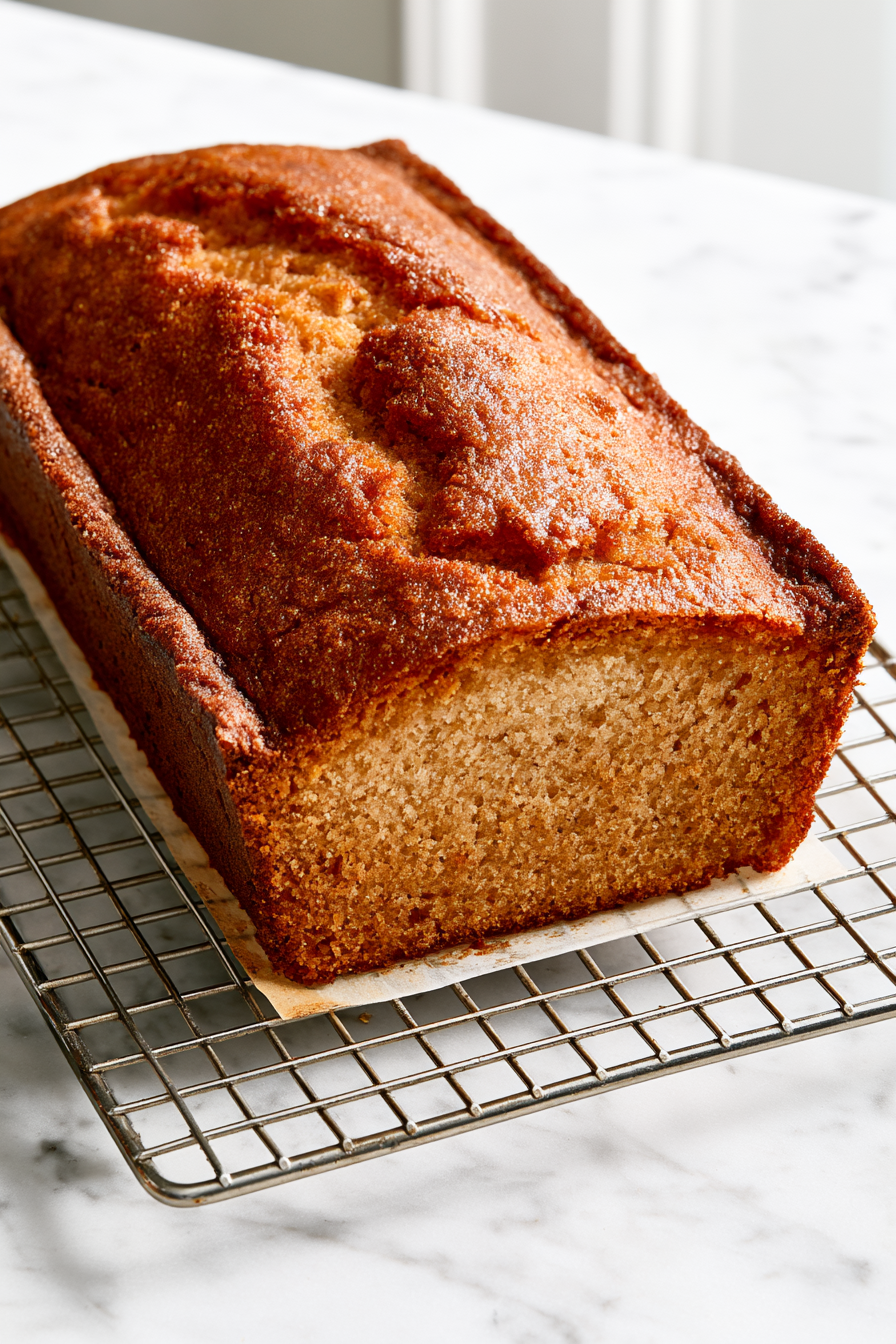
- Brush the warm loaf all over with melted butter. Combine the granulated sugar and cinnamon, then press the mixture generously over the top and sides of the loaf.
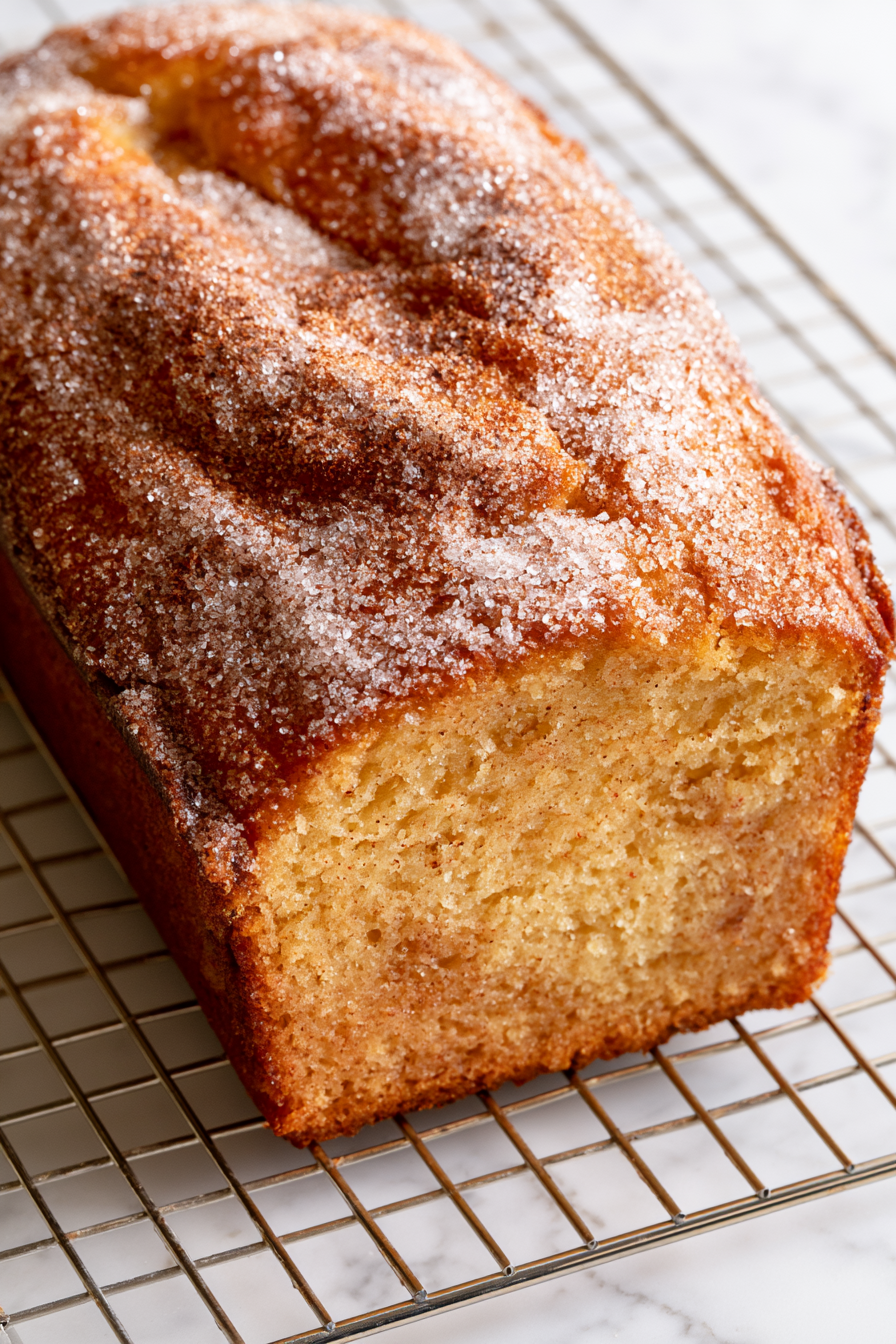
- Let the coating set before slicing and serving.
Notes
- Reducing the apple cider concentrates its flavor and gives the cake its signature apple cider doughnut taste.
- Fresh apple cider works best, but apple juice can be used if cider isn’t available.
- Keep the oven at 325°F for a soft, evenly baked loaf.
- Don’t skip the cinnamon-sugar coating—it creates the crisp, doughnut-like finish.
- Store the loaf loosely covered at room temperature for up to 3 days.
Nutrition Information
| Nutrient | Amount |
|---|---|
| Calories | 307 kcal |
| Carbohydrates | 38g |
| Protein | 3g |
| Fat | 16g |
| Fiber | 1g |
| Sugar | 24g |
| Sodium | 203mg |
Common Mistakes to Avoid
- Not Reducing the Cider: Using the full cup without reducing it changes the liquid balance and weakens the concentrated apple flavor.
- Overmixing the Batter: Excessive mixing can develop the gluten and make the loaf less tender.
- Using Cold Eggs: Very cold eggs can make it harder to create a smooth batter when combined with melted butter.
- Opening the Oven Too Early: Frequent opening can cause the loaf to lose heat before the center has properly set.
- Underbaking the Center: Check the middle with a toothpick before removing the loaf from the oven.
- Coating a Fully Cooled Loaf: The warm loaf helps the melted butter adhere properly and allows the cinnamon sugar to cling to the surface.
Flavor Twists Worth Trying
- Apple Spice Version: Add a small amount of apple pie spice alongside the cinnamon and nutmeg.
- Maple Variation: Replace part of the brown sugar with maple sugar for a deeper seasonal note.
- Pecan Topping: Press finely chopped toasted pecans into the cinnamon-sugar coating.
- Cardamom Twist: Add a pinch of ground cardamom to the batter for a fragrant variation.
- Vanilla Glaze: Drizzle a simple vanilla glaze over individual slices instead of using additional cinnamon sugar.
- Apple-Filled Loaf: Add a small amount of finely diced, peeled apple to the batter for extra fruit.
- Brown Butter Version: Use browned butter in place of melted butter for a deeper, nuttier character.
Serving Suggestions
Serve warm with coffee, chai, or hot honey.
Add a little whipped cream or vanilla ice cream for dessert.
Serve alongside fresh apple slices for a simple fall breakfast.
Slice and toast leftovers lightly before serving for extra crisp edges.
Storage Tips for the Best Texture
- Room Temperature: Store the loaf loosely covered at room temperature for up to 3 days.
- Keep the Coating Intact: Avoid tightly wrapping the loaf while the cinnamon-sugar surface is still setting.
- Slice as Needed: Keeping the loaf whole until serving helps minimize exposed surfaces.
- Refresh the Edges: Lightly toast individual slices to bring back some crispness to the exterior.
- Serving Temperature: Allow chilled or room-temperature slices to warm slightly before serving for a softer crumb.
Frequently Asked Questions
- Why do I need to reduce the apple cider?
Reducing the cider removes excess water while concentrating the apple flavor. The resulting half cup provides a much stronger cider presence without adding too much liquid to the batter. - Can I use apple juice instead of apple cider?
Yes. Apple juice can be used when cider is unavailable, although the finished loaf may have a lighter apple flavor. - Why is the oven temperature only 325°F?
The moderate temperature allows the loaf to bake gradually and evenly, helping the center cook through while keeping the crumb soft. - How do I know when the loaf is done?
Insert a toothpick into the center. It should come out clean or with a few moist crumbs attached. - Why did my cinnamon-sugar coating fall off?
The coating adheres best when the loaf is still warm and has been brushed thoroughly with melted butter. Press the cinnamon sugar gently onto the buttered surface. - Can I slice the loaf while it is hot?
It is better to let the coating set before slicing. Waiting briefly also allows the crumb to stabilize so the slices hold together more cleanly. - What size loaf pan should I use?
This recipe is written specifically for a 9×5-inch loaf pan. Using a significantly different pan size can change the baking time and loaf height.