
Slow Cooker Apple Cider Pork Roast Recipe

Slow Cooker Apple Cider Pork Roast combines tender pork with apples, onion, garlic, and warm spices in a cider-based cooking liquid. A quick skillet sear gives the roast a deeply browned exterior before the slow cooker takes over.
As the pork cooks, the apples and onions soften into the cider mixture, creating a naturally sweet and savory cooking liquid. A simple cornstarch slurry turns that liquid into a glossy sauce for spooning over the finished roast.
Why You’ll Want to Make This Recipe
- Slow Cooker Convenience: Most of the cooking happens hands-off after the initial sear.
- Deeply Browned Pork: Searing creates a flavorful exterior before the roast enters the slow cooker.
- Seasonal Ingredients: Apples and cider give this dinner an unmistakable fall character.
- Two Pork Options: Pork shoulder works for shredding, while pork loin is suited to slicing.
- Simple Sauce: The cooking liquid becomes a finishing sauce with just a quick stovetop step.
- Generous Yield: Six servings make this useful for a family meal or planned leftovers.
Chef’s Tip: Don’t skip the initial sear. Browning the pork on every side gives the finished roast a more developed savory base before it cooks slowly in the cider mixture.
Slow Cooker Apple Cider Pork Roast
Equipment
- Slow cooker or Crock-Pot
- Large Skillet
- Sharp Knife
- Tongs
- Small saucepan, for thickening the sauce
Ingredients
- 3 pounds pork shoulder or pork loin roast trimmed of excess fat
- 2 cups apple cider
- 2 large apples cored and sliced
- 1 medium yellow onion sliced
- 3 cloves garlic minced
- 1 tablespoon olive oil
- 2 teaspoons ground cinnamon
- 1 teaspoon dried thyme
- 1 teaspoon salt
- ½ teaspoon black pepper
- 1 tablespoon Dijon mustard
- 1 tablespoon Worcestershire sauce
- 2 tablespoons maple syrup or honey
- 2 tablespoons cornstarch
- 3 tablespoons cold water
Instructions
- Pat the pork dry and season it with salt and black pepper.
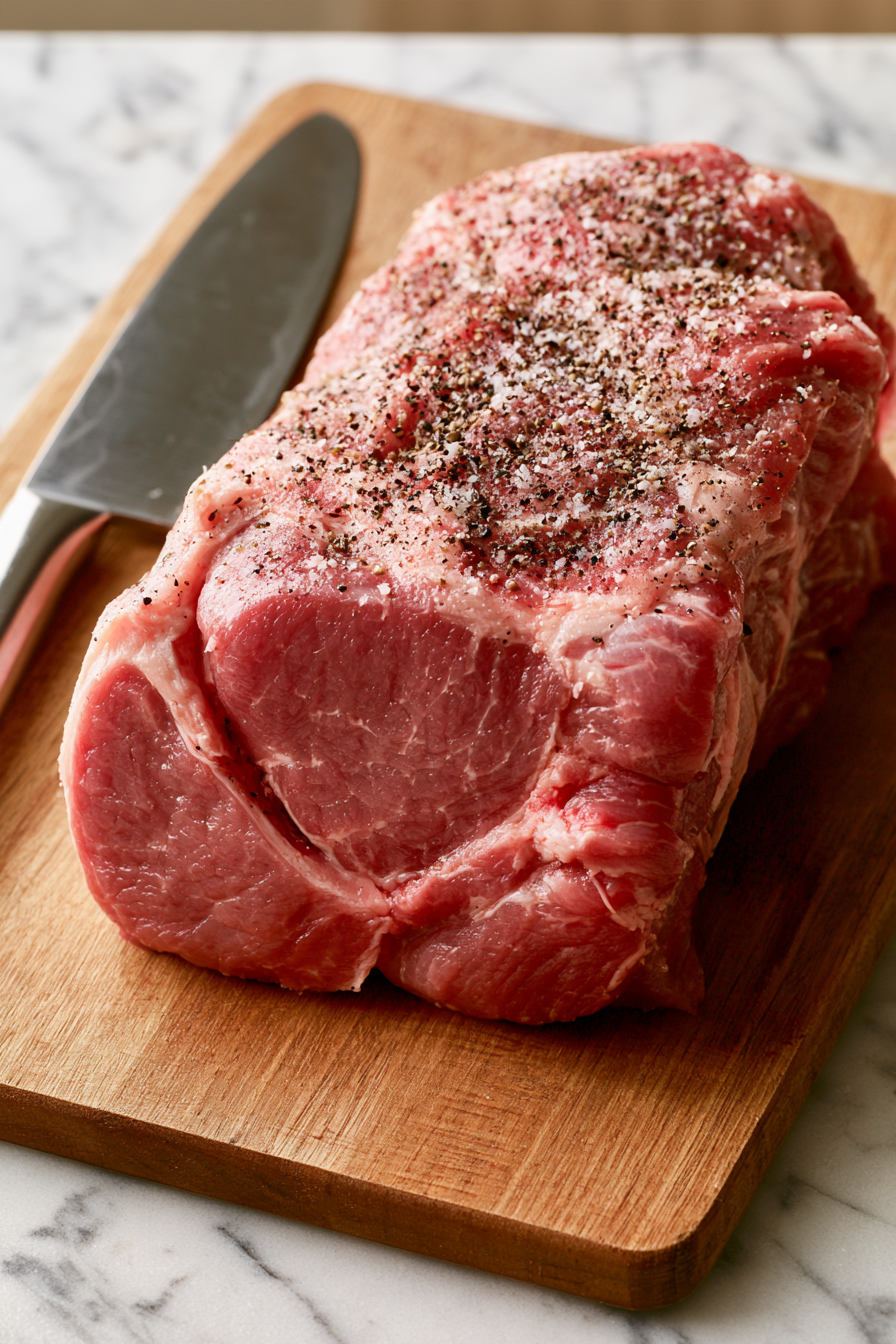
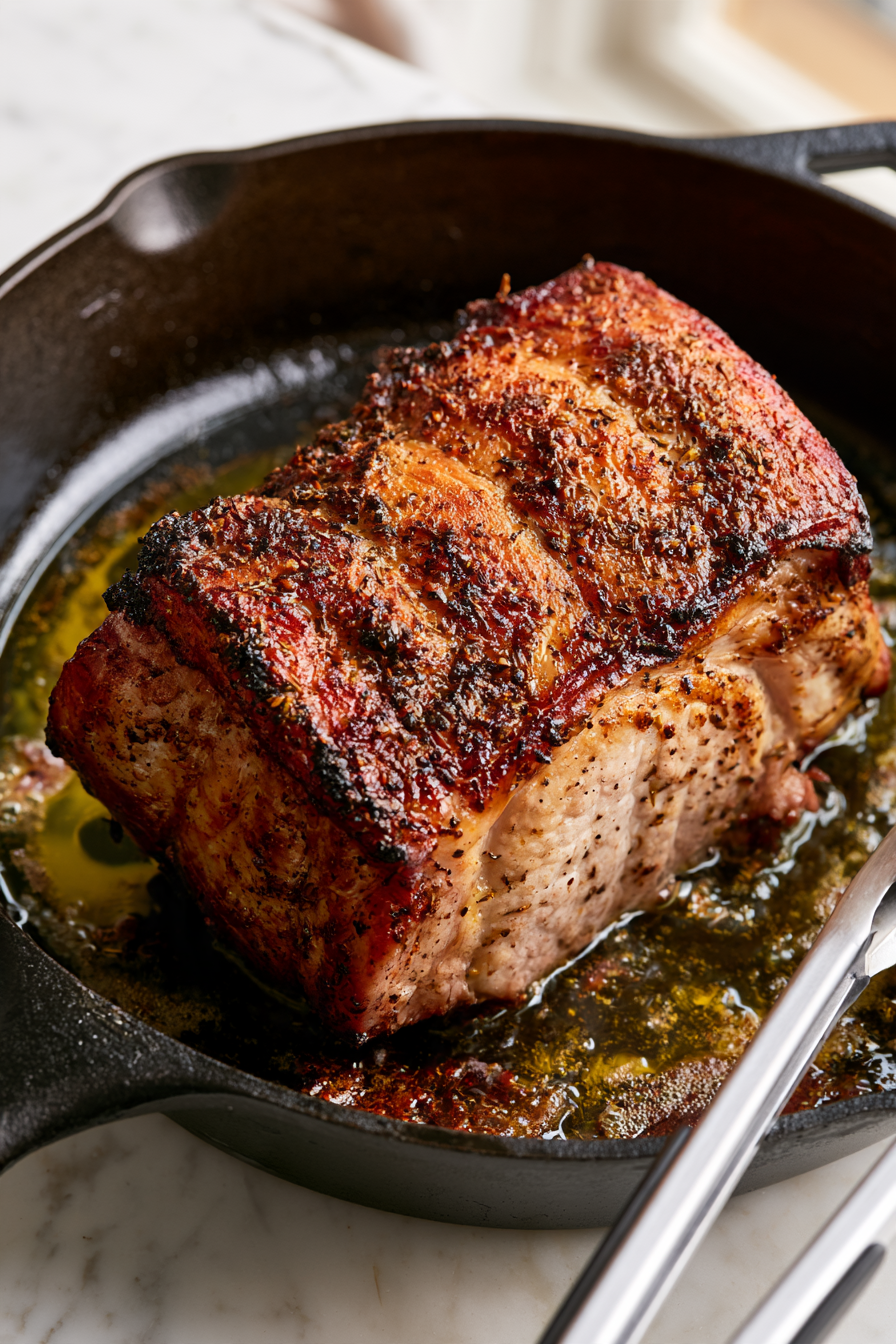
- Heat olive oil in a large skillet over medium-high heat. Sear the pork on all sides until deeply browned, about 3–4 minutes per side.
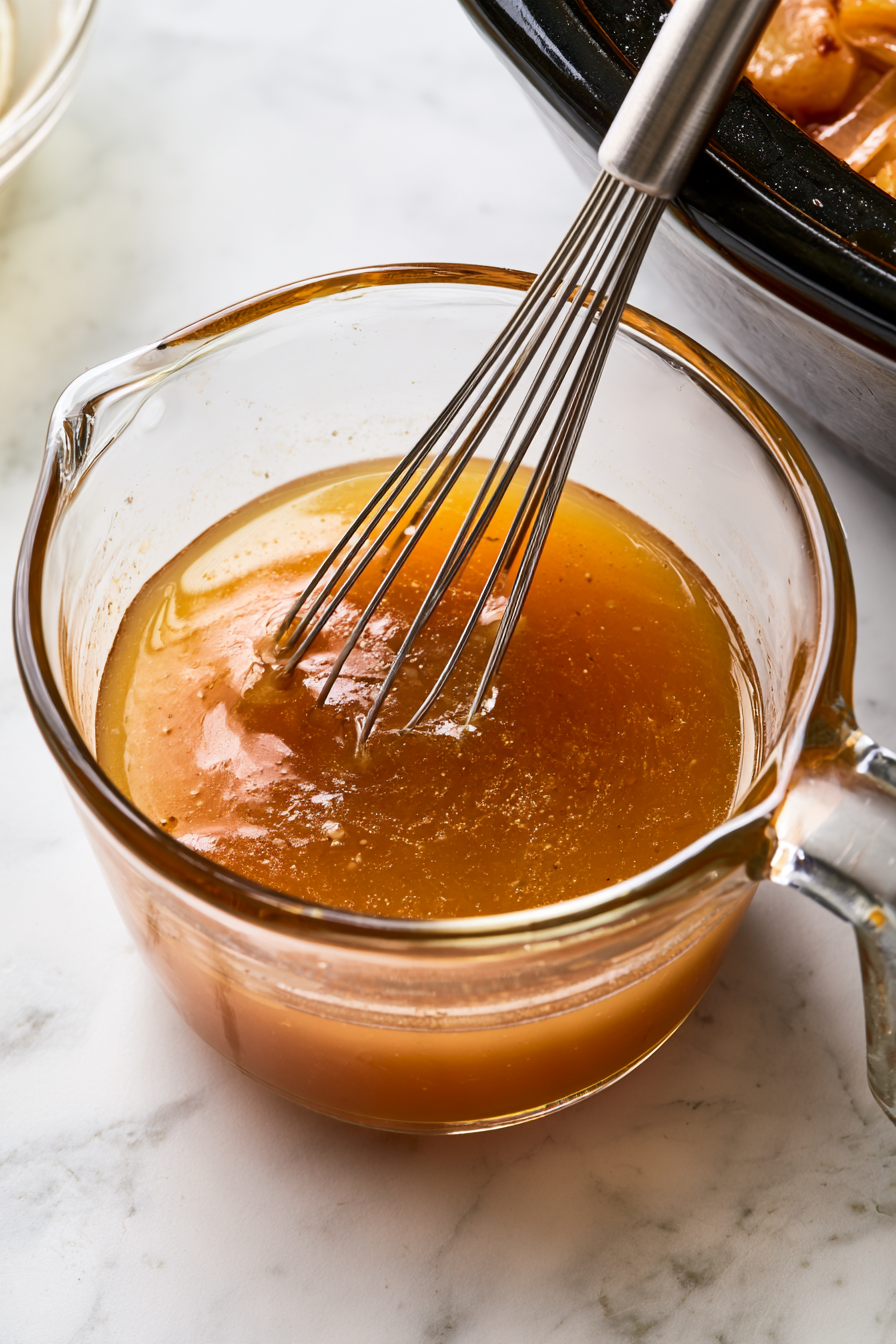
- Whisk together the apple cider, Dijon mustard, Worcestershire sauce, and maple syrup, then pour the mixture around the pork.
- Place the sliced onion and apples in the bottom of the slow cooker. Add the garlic, cinnamon, and thyme. Set the seared pork on top of the apples and onions.
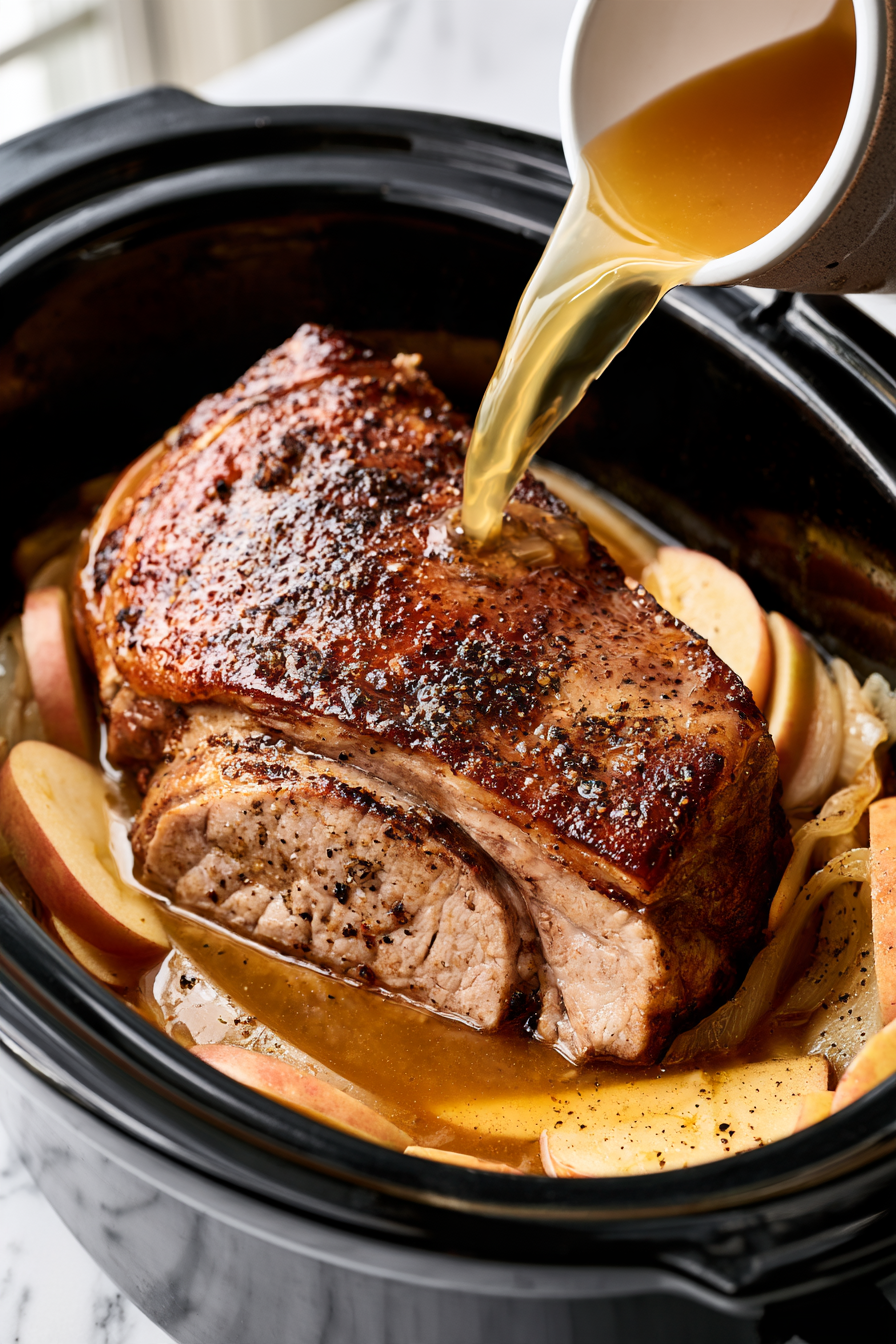
- Cover and cook on LOW for 6–8 hours or HIGH for 3–4 hours, until the pork is tender and reaches at least 145°F (63°C) internally. For pork shoulder, cooking toward the longer end of the LOW range will give you a more tender, pull-apart texture.
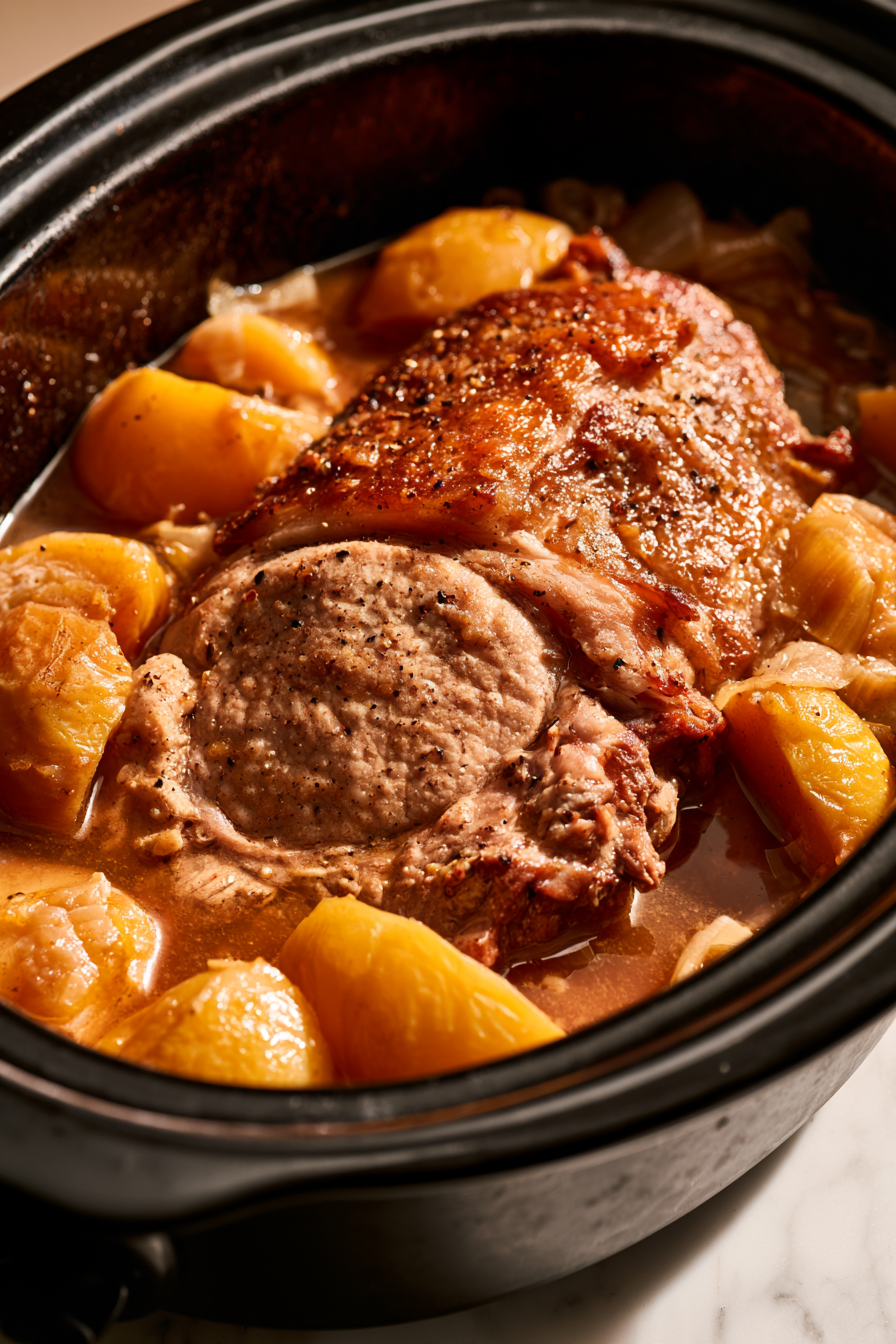
- Transfer the pork to a cutting board, tent loosely with foil, and let it rest for 10–15 minutes.
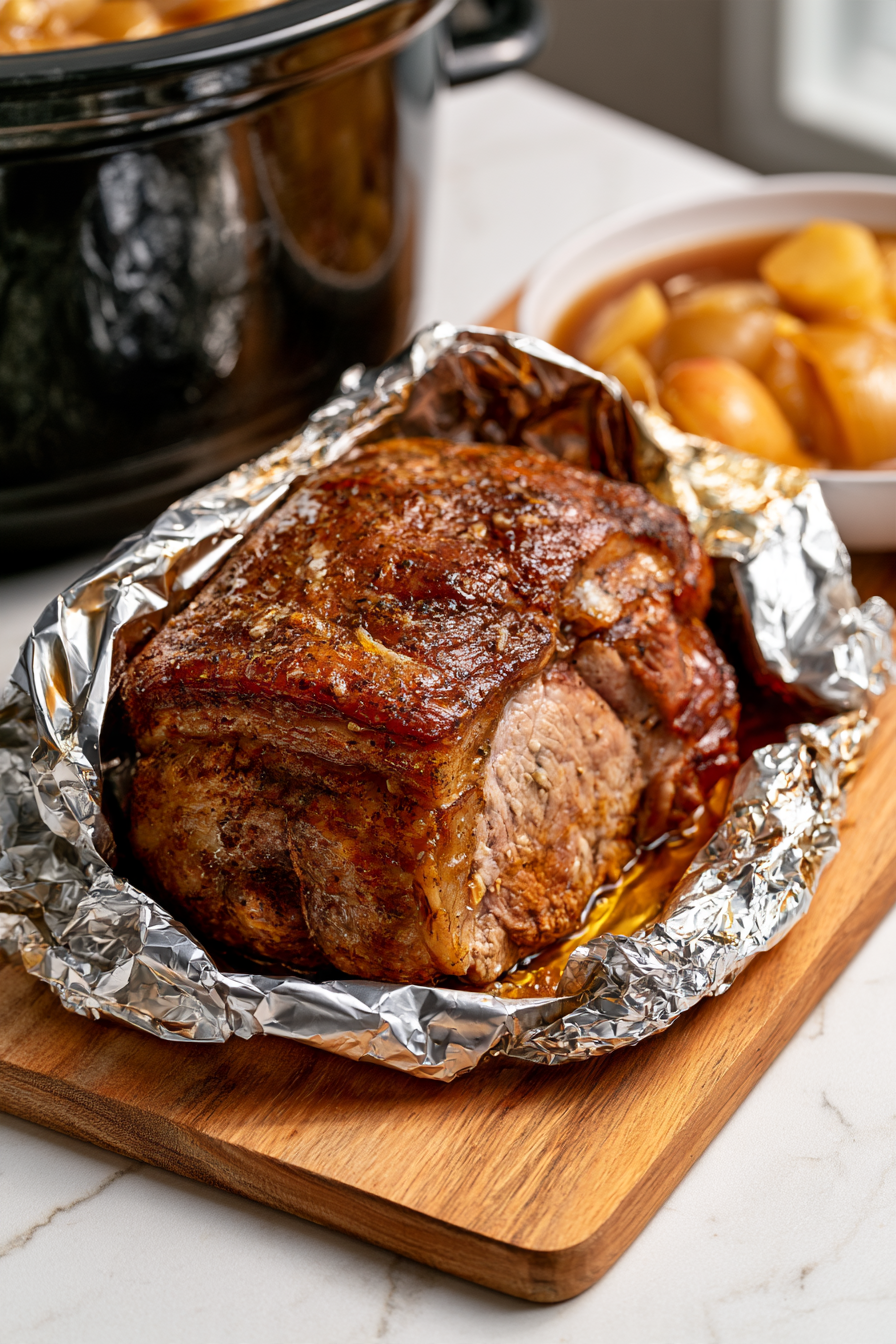
- Strain the cooking liquid into a saucepan if you want a smooth sauce. Bring it to a gentle simmer. Mix the cornstarch with cold water to make a slurry, then whisk it into the simmering cider mixture. Cook for 1–2 minutes, until thickened and glossy.
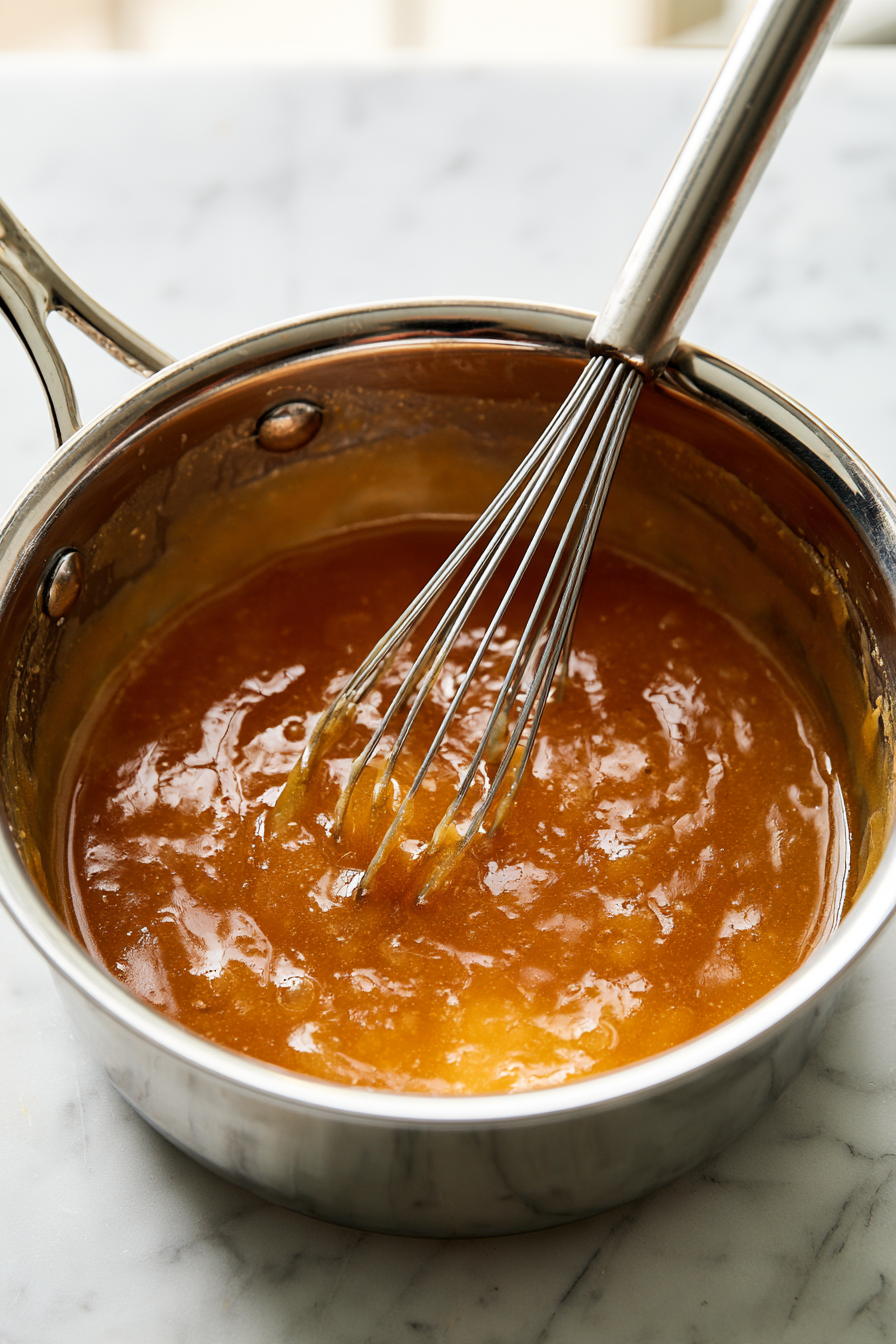
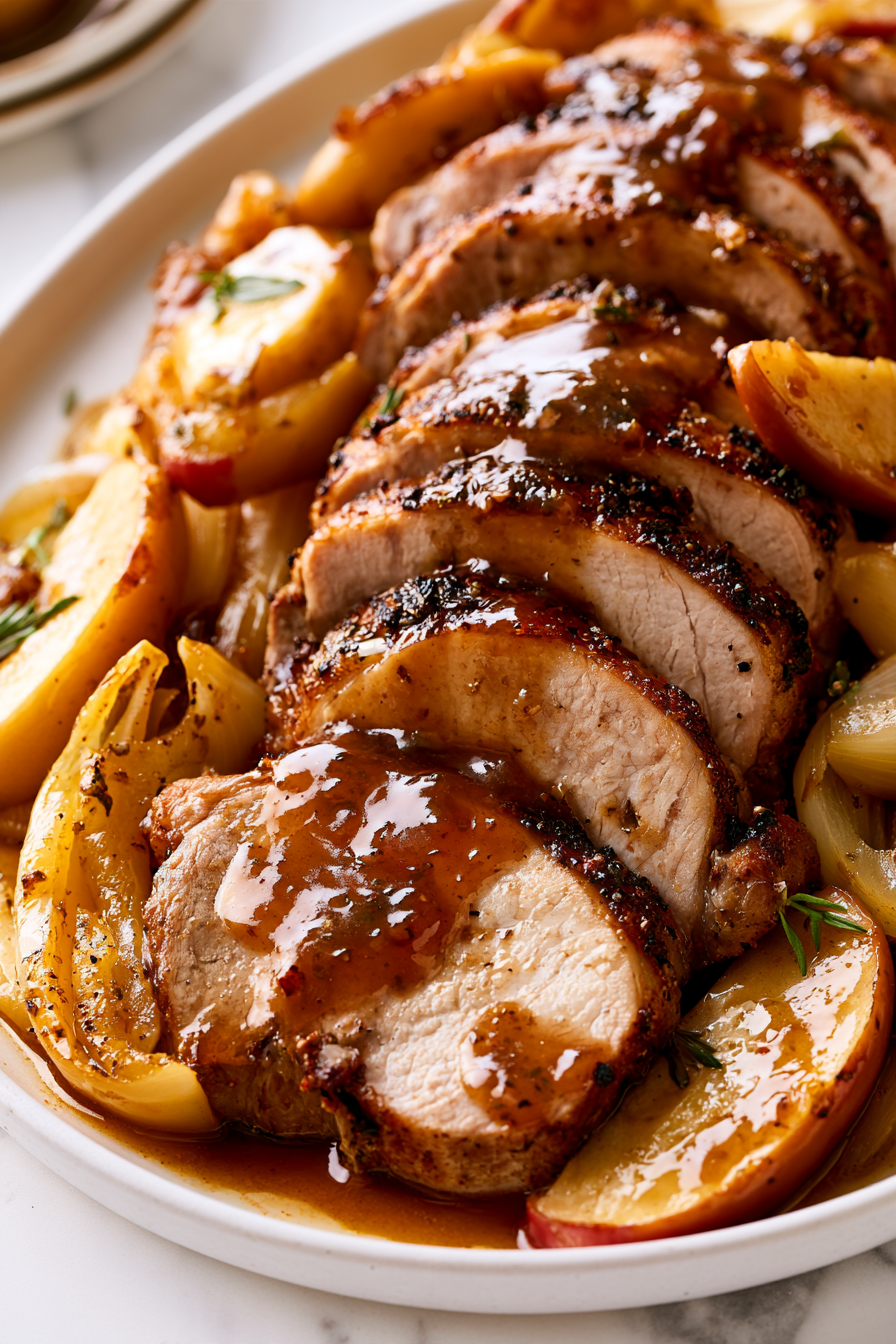
- Slice or shred the rested pork and arrange it with the cooked apples and onions. Spoon the warm cider sauce over the top and serve.
Notes
Nutrition
Nutrition Information
| Nutrient | Amount Per Serving |
|---|---|
| Calories | 480 kcal |
| Carbohydrates | 30g |
| Protein | 42g |
| Fat | 20g |
| Fiber | 3g |
| Sugar | 24g |
| Sodium | 620mg |
Nutrition information is an estimate and may vary depending on the cut of pork and specific ingredients used.
Common Mistakes to Avoid
- Skipping the Sear: Putting the pork directly into the slow cooker works, but you will miss the browned exterior created by the skillet.
- Using the Same Timing for Both Cuts: Pork loin can become dry if cooked for the same extended period as a shoulder.
- Adding Cornstarch Directly: Always mix cornstarch with cold water first to create a smooth slurry.
- Thickening Over High Heat: Keep the sauce at a gentle simmer while the slurry cooks so it thickens evenly.
- Cutting the Pork Immediately: Resting allows the meat to settle before slicing or shredding.
- Ignoring the Thermometer: Check the thickest part of the roast with an instant-read thermometer to verify it has reached at least 145°F (63°C).
Easy Variations
- Shoulder Roast: Choose pork shoulder when you want a softer texture that can be pulled apart.
- Loin Roast: Use pork loin for a leaner preparation with neat slices.
- Extra-Spiced Cider: Add a small pinch of cloves or nutmeg for additional warmth.
- Maple Finish: Use maple syrup in place of honey for a stronger maple note.
- Bourbon Cider: Add 2 tablespoons bourbon to the cider mixture for a deeper flavor.
- Different Apples: Combine a tart apple with a sweeter variety for more contrast.
- Chunkier Sauce: Skip straining the cooking liquid and keep some softened onion and apple pieces in the finished sauce.
Serving Suggestions
Serve this apple cider pork roast with creamy mashed potatoes, roasted green beans, Brussels sprouts, or glazed carrots.
For a complete fall dinner, add warm dinner rolls or crusty bread to soak up the sweet and savory cider sauce.
Storage Tips
- Refrigerate Promptly: Transfer leftovers to an airtight container and refrigerate within two hours of cooking.
- Keep Meat and Sauce Together: Storing the pork with some of the cider sauce helps maintain moisture.
- Use Within Three Days: Refrigerated leftovers should be used within 3 days.
- Reheat Gently: Warm the pork and sauce over low to medium-low heat to help prevent the meat from drying out.
- Store Portions Separately: Individual containers make it easier to reheat only the amount you need.
Frequently Asked Questions
- What cut of pork is best for this recipe?
Pork shoulder is the better choice for a very tender, pull-apart result, while pork loin works well when you prefer a leaner roast that can be sliced.
- Can I use apple juice instead of apple cider?
Yes, apple juice can be used, although cider generally provides a more concentrated apple character.
- Do I need to peel the apples?
No. The apples can be cooked with their skins on. Choose firm varieties that hold their shape well.
- Why is the pork seared before slow cooking?
Searing creates browning on the surface of the meat, which adds another layer of savory flavor to the finished roast.
- Can I leave the cooking liquid unstrained?
Yes. Straining is optional and is mainly useful when you want a smoother sauce. Leaving it unstrained keeps some of the softened apple and onion in the mixture.
- How do I know when pork loin is done?
Use an instant-read thermometer in the thickest part of the roast. The pork should reach at least 145°F (63°C) internally.
- Why does my cider sauce need cornstarch?
Cornstarch thickens the liquid into a spoonable sauce that coats the pork instead of remaining thin like the original cooking liquid.
- Can I shred pork loin like pork shoulder?
It is possible, but pork loin is leaner and is generally better served sliced. Pork shoulder is more suitable when a pull-apart texture is the goal.

hi there,
i’m James
The home cook and food blogger behind Beyond the Bayou Blog. Cooking has always been my happy place.
know more


