Best Galbi Jjim Recipe
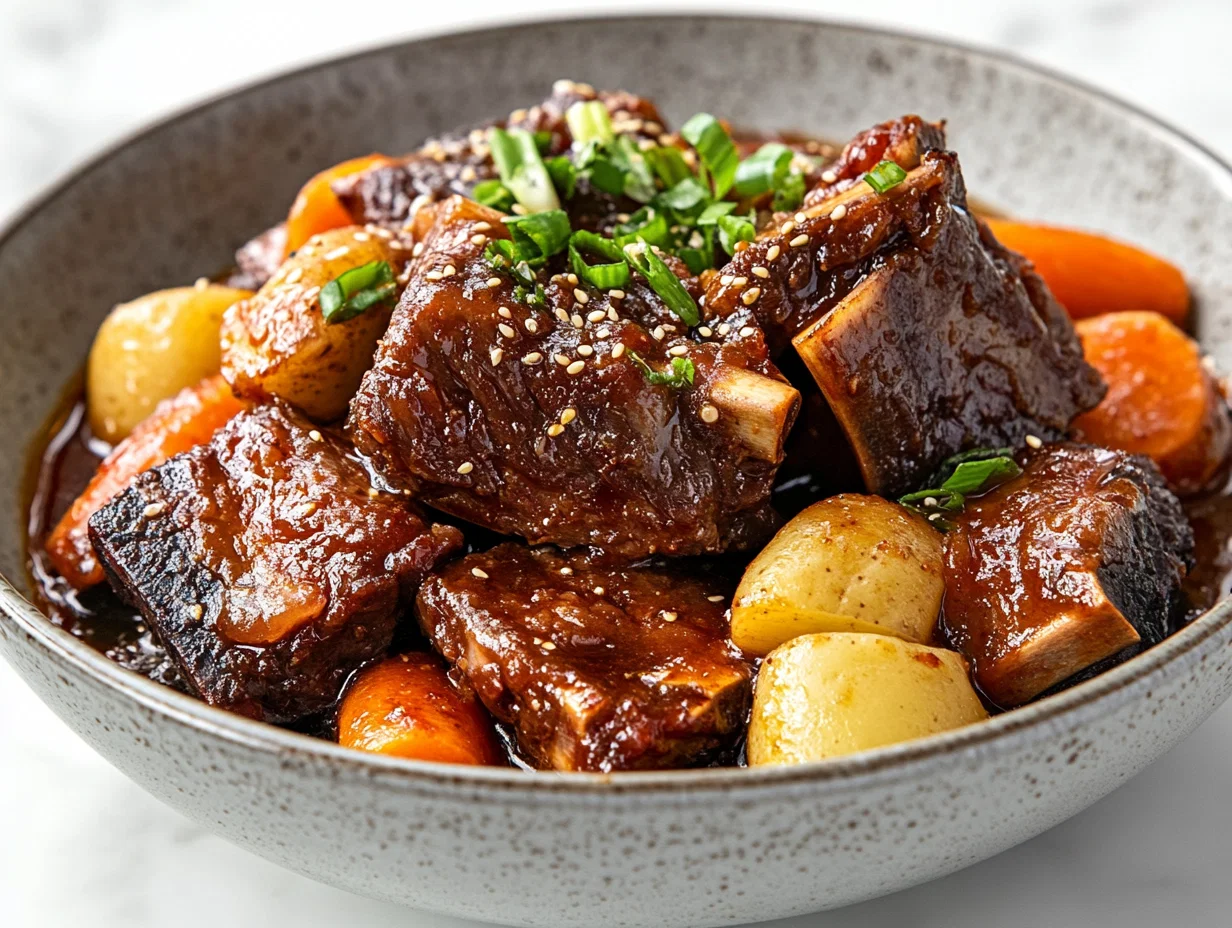
Galbi Jjim is a deeply comforting Korean braised short rib dish known for its tender meat, rich soy-based sauce, and beautifully balanced sweet-savory flavor.
Slow-cooked until the beef practically falls off the bone, this dish is often reserved for special occasions, family gatherings, and celebrations, but it’s just as satisfying to make at home. This recipe focuses on traditional flavors and simple technique.
The magic happens during the slow braise, where the beef absorbs the sauce, vegetables soften into the broth, and everything comes together into a glossy, deeply flavorful dish that feels both hearty and soulful.
Why This Recipe Works So Well
- Special Occasion Worthy: A beautiful centerpiece dish for holidays, celebrations, and Korean-inspired dinners.
- Slow Cooking Method: Gentle braising helps develop deeper flavors while softening the ribs.
- Complete One-Pot Meal: The meat and vegetables cook together, reducing the need for multiple dishes.
- Traditional Approach: Uses classic Korean ingredients like soy sauce, pear, garlic, and ginger.
- Meal-Friendly Recipe: A large batch makes it suitable for sharing or enjoying over several meals.
- Beginner Accessible: The steps are straightforward even if you are new to Korean cooking.
Ingredient Notes & Easy Substitutions
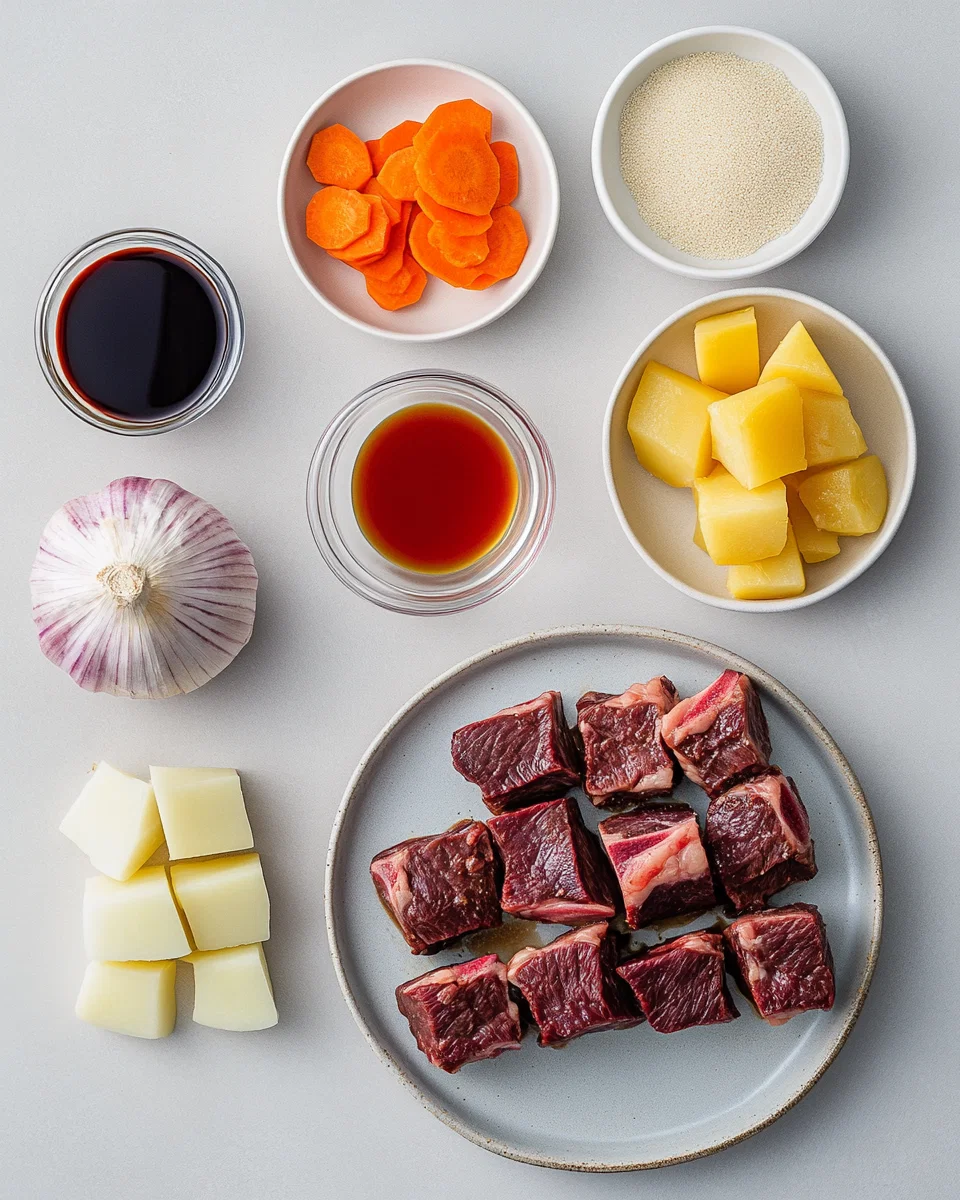
- Beef Short Ribs: Bone-in short ribs provide richness and structure to the dish. Choose ribs with good marbling for the best results.
- Asian Pear: Grated Asian pear adds natural sweetness and helps balance the savory sauce. A small apple can be used if pear is unavailable.
- Soy Sauce: Use a good-quality soy sauce because it forms the foundation of the braising sauce. Low-sodium soy sauce can be used if preferred.
- Rice Wine or Mirin: These ingredients add depth and balance to the sauce. Mirin provides a slightly sweeter flavor profile.
- Daikon Radish and Vegetables: These vegetables absorb the braising liquid and add variety to the dish. Choose firm vegetables that hold their shape during long cooking.
Chef’s Tip: For the most tender Galbi Jjim, allow the ribs to simmer gently instead of boiling rapidly. A low, steady temperature helps the meat become soft while keeping the sauce balanced.
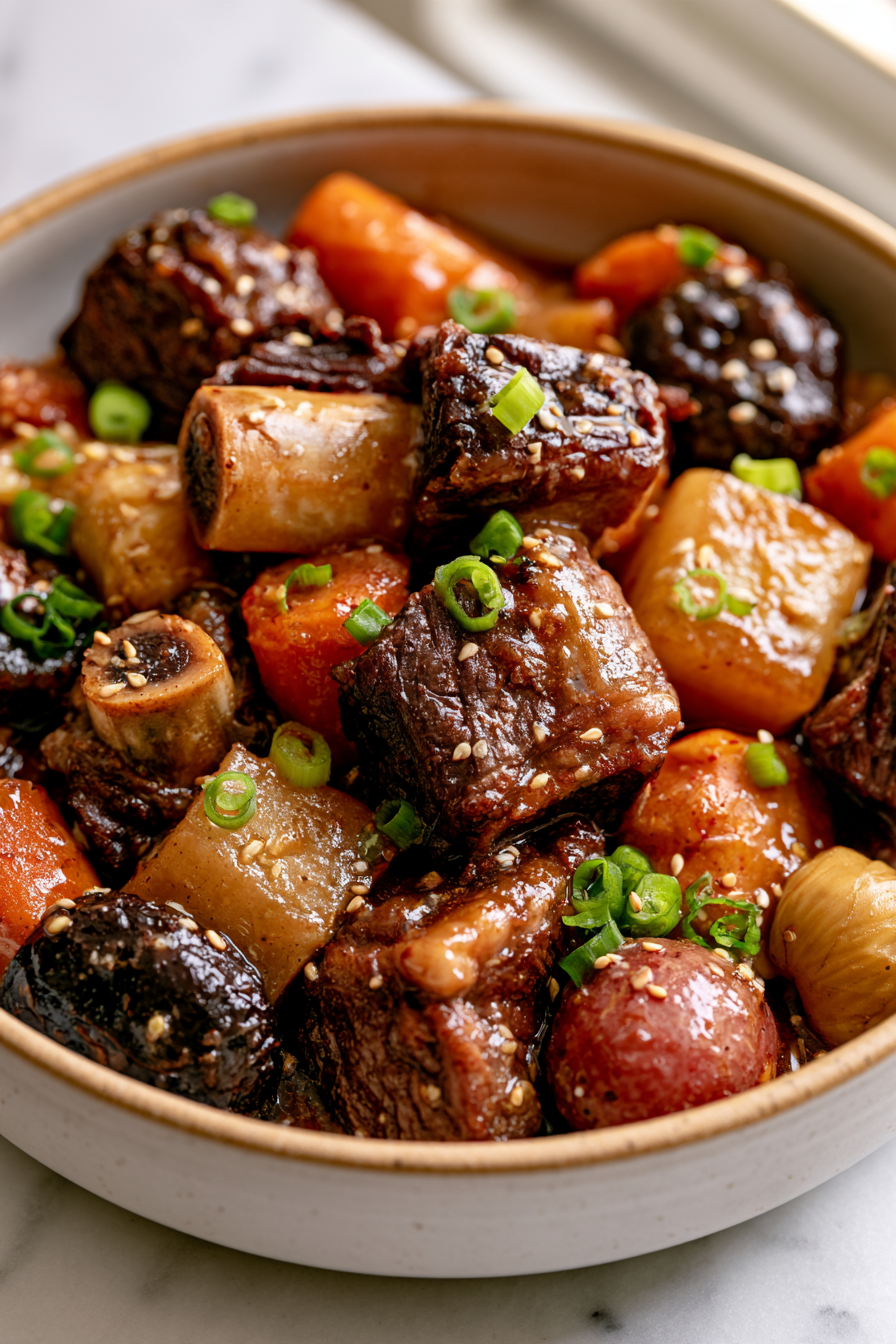
Traditional Galbi Jjim Recipe
Equipment
- Large bowl for soaking ribs
- Cutting Board and Knife
- Large Dutch oven or heavy-bottom pot
- Fine mesh strainer (optional)
Ingredients
For the Short Ribs
- 3 pounds beef short ribs bone-in
- Cold water for soaking
For the Braising Sauce
- ½ cup soy sauce
- 2 cups water or beef broth
- 1 Asian pear peeled and grated (or 1 small apple)
- ¼ cup brown sugar
- 3 tablespoons rice wine or mirin
- 6 cloves garlic minced
- 1 tablespoon fresh ginger grated
- 1 tablespoon sesame oil
- 1 teaspoon black pepper
Vegetables
- 1 large onion quartered
- 2 carrots cut into large chunks
- 1 small daikon radish cut into chunks
- 2 medium potatoes quartered
- 4 –5 dried shiitake mushrooms optional
- 8 –10 chestnuts optional
For Garnishing
- Sliced green onions
- Sesame seeds
Instructions
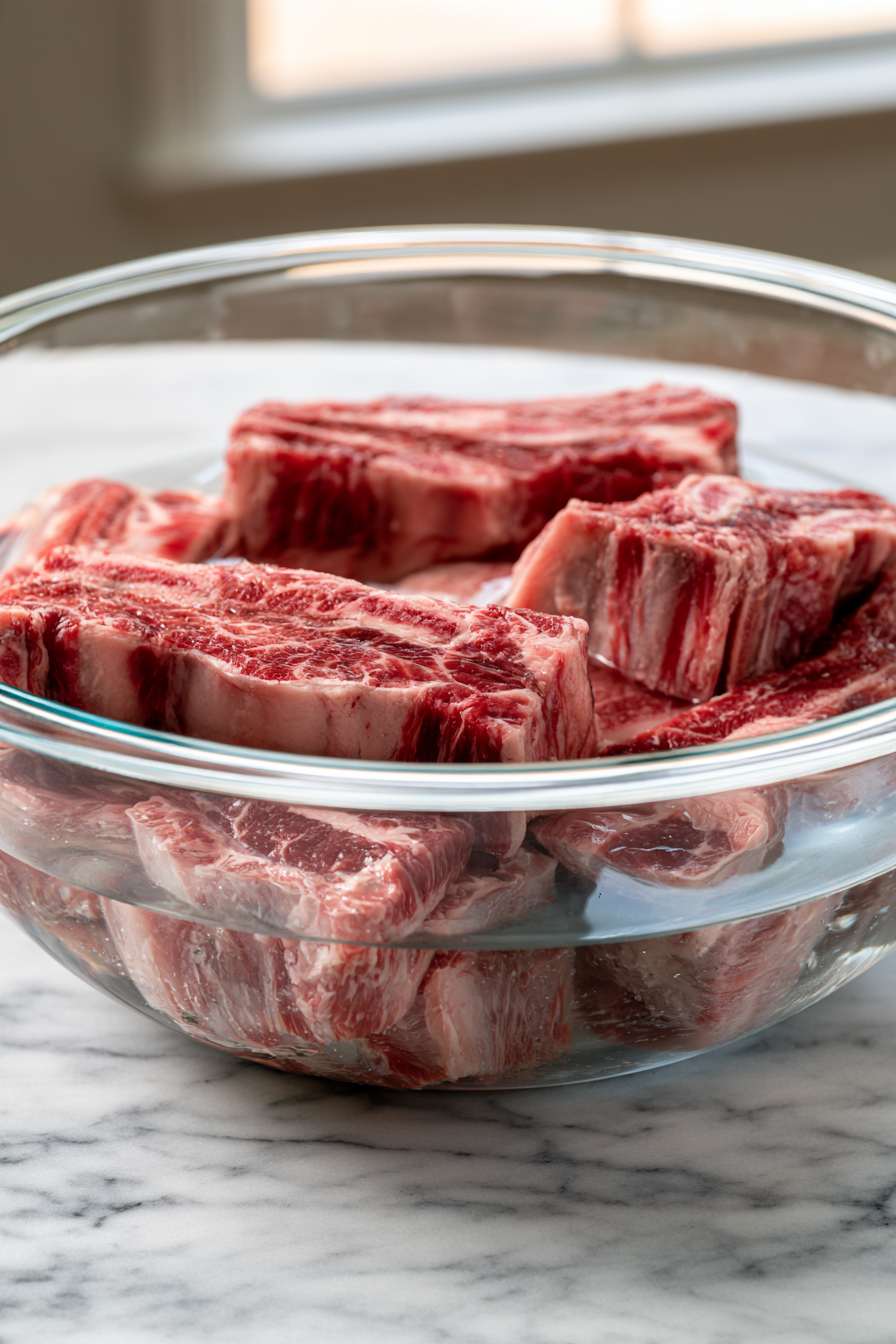
- Place beef short ribs in a large bowl and cover with cold water. Let them soak for 1 hour, changing the water once or twice to remove excess blood and impurities. Drain and rinse well.
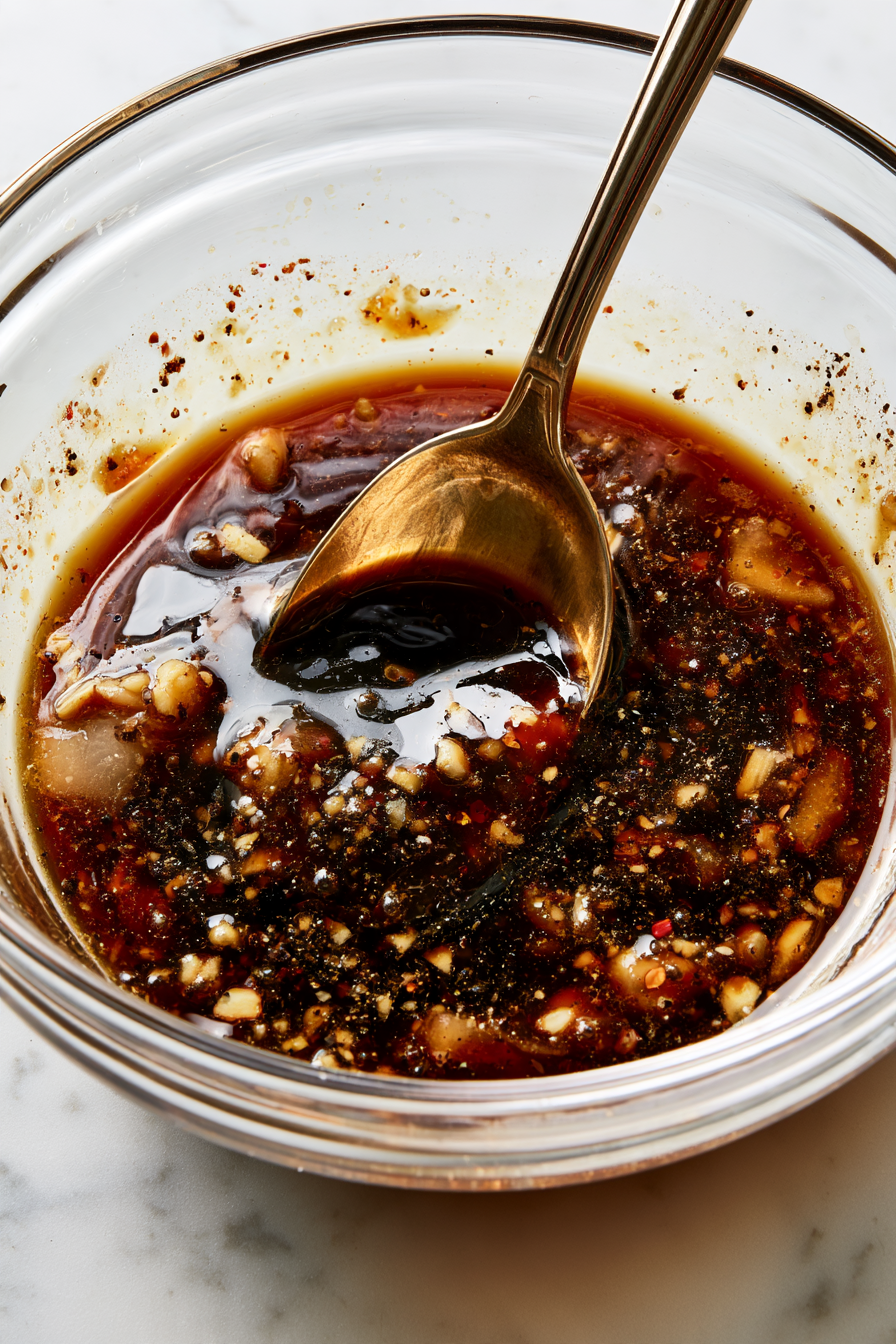
- Blend or mix soy sauce, water, grated pear, brown sugar, rice wine, garlic, ginger, sesame oil, and black pepper until combined.
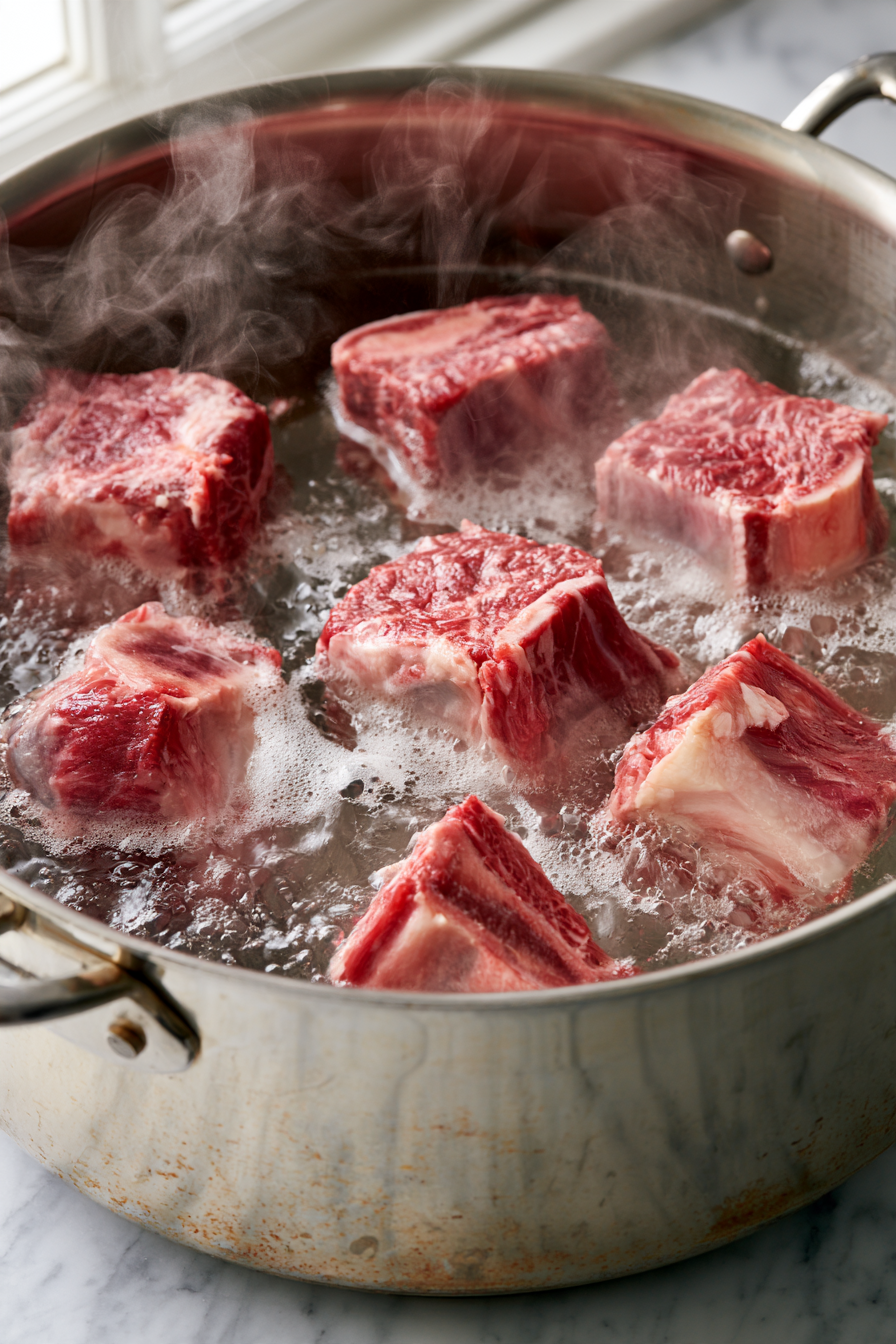
- Place ribs in a pot of boiling water and cook for 5–7 minutes. Drain and rinse the ribs under cold water, removing any foam or residue.
- Add ribs to a Dutch oven along with the braising sauce. Bring to a gentle boil, then reduce heat to low. Cover and simmer for about 1½ hours.
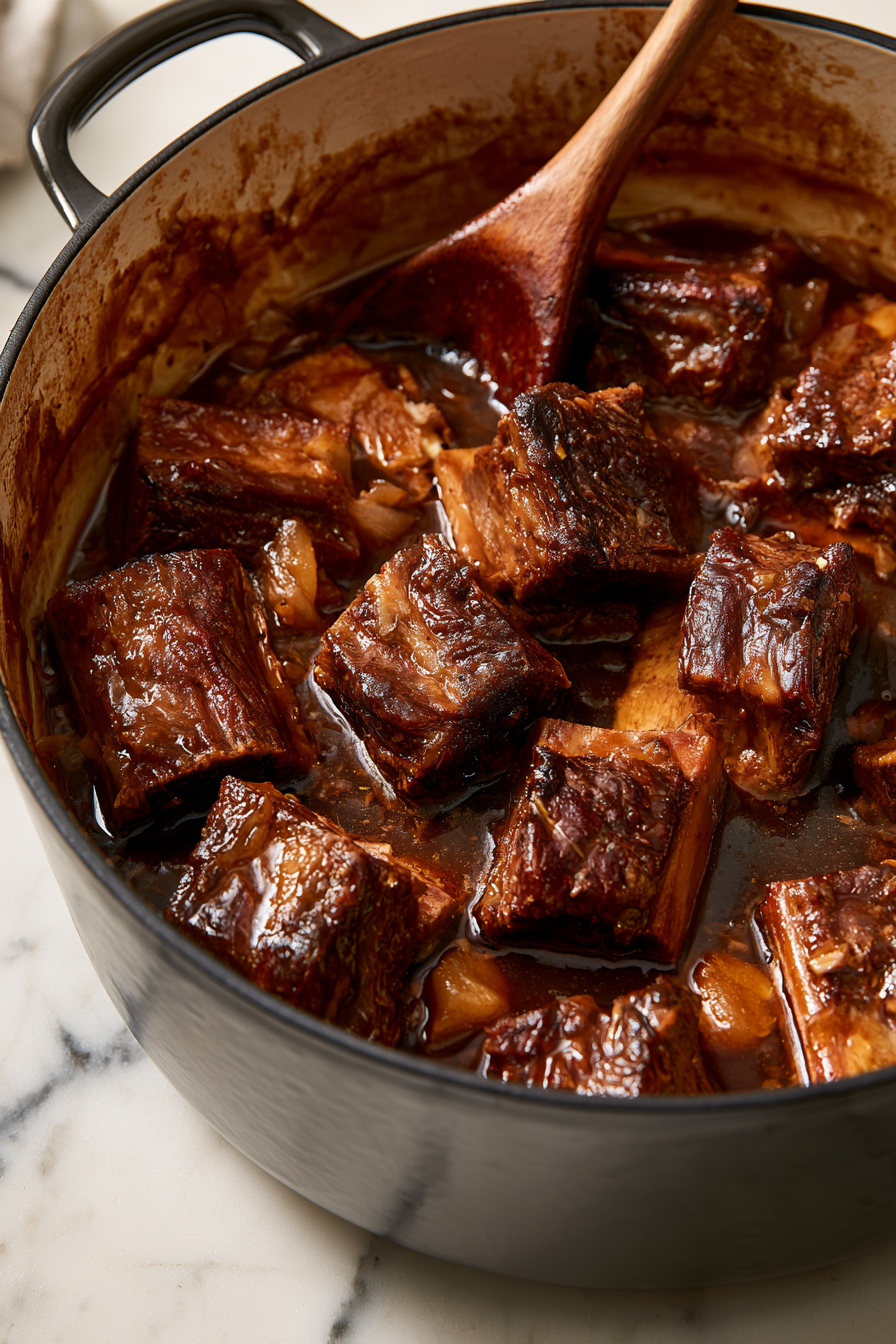
- Add onion, carrots, daikon radish, potatoes, mushrooms, and chestnuts if using. Continue cooking uncovered or partially covered for another 45–60 minutes until the meat is tender and vegetables are soft.
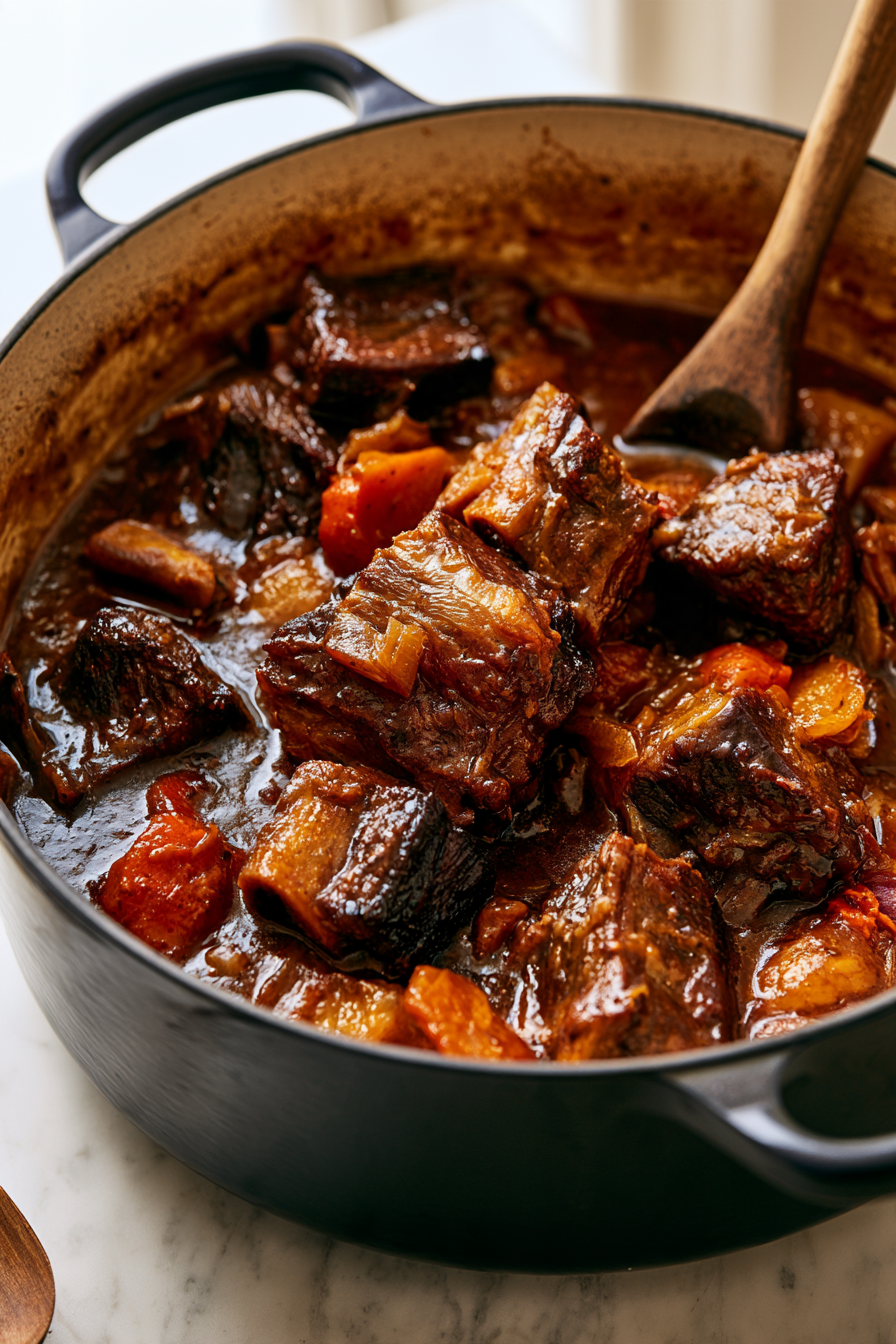
- Remove excess fat from the surface if needed. Simmer uncovered for a few minutes until the sauce becomes glossy and slightly thickened.
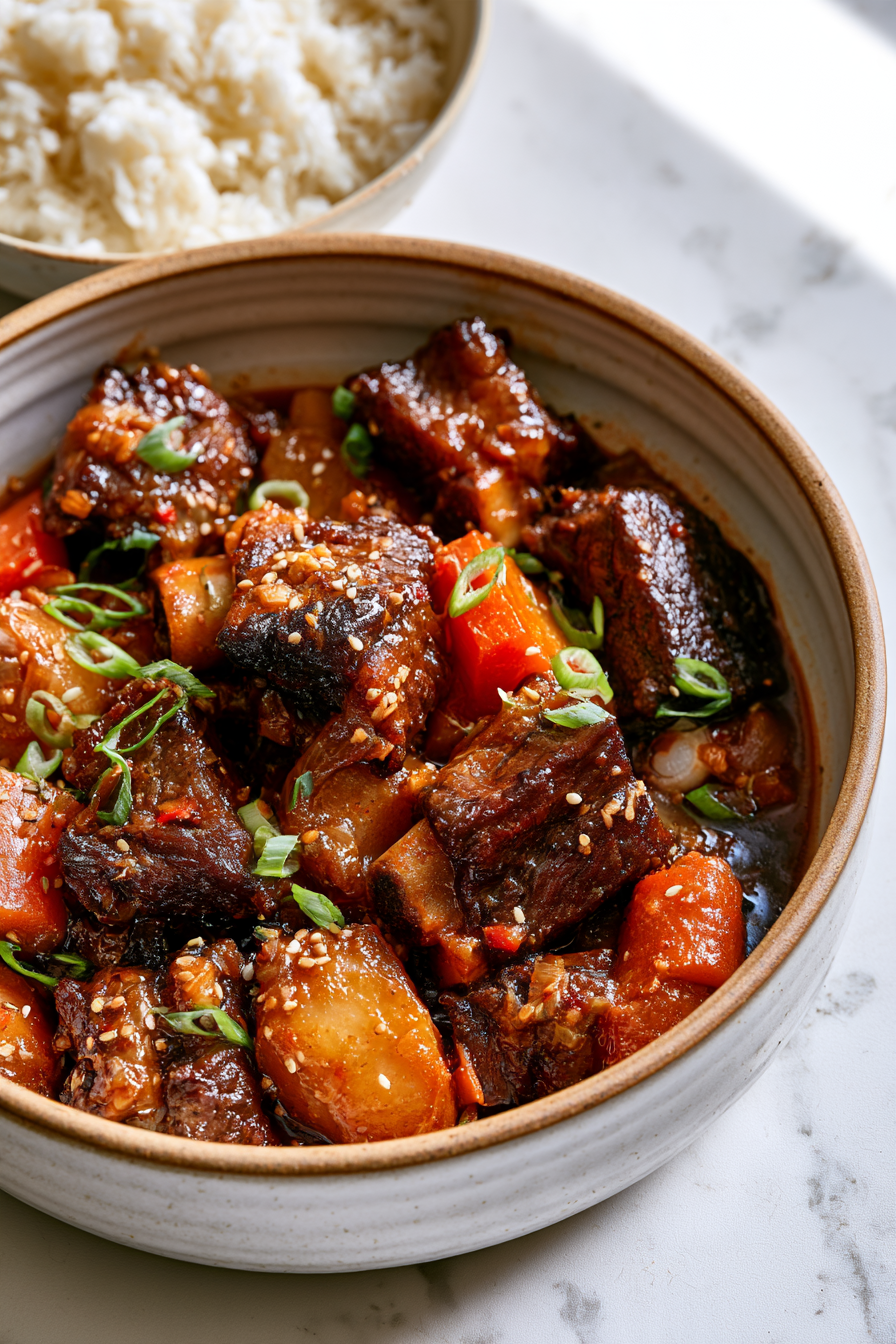
- Transfer Galbi Jjim to a serving dish. Garnish with green onions and sesame seeds. Serve hot with steamed rice and Korean side dishes.
Notes
- Soaking the ribs:
This traditional step helps remove excess blood and creates a cleaner-tasting sauce. - Using pear or apple:
The fruit adds natural sweetness and helps tenderize the meat while balancing the salty soy sauce. - Vegetable timing:
Add softer vegetables later so they absorb flavor without becoming mushy. - Make ahead:
Galbi Jjim tastes even better the next day because the flavors continue to develop.
Nutrition
Common Mistakes to Avoid
- Skipping the Soaking Step: This can leave extra impurities in the cooking liquid and affect the final sauce.
- Cooking at High Heat: Rapid boiling can make the meat tougher instead of tender.
- Adding Vegetables Too Early: Soft vegetables may break down too much during the long cooking process.
- Not Removing Excess Fat: Too much surface fat can make the sauce feel heavy.
- Using Thin Ribs: Smaller cuts may not provide the same tenderness and richness as traditional short ribs.
- Reducing the Sauce Too Quickly: High heat can concentrate the sauce unevenly and make it overly salty.
Delicious Variations You Should Try
- Spicy Galbi Jjim: Add Korean chili flakes or sliced fresh chilies for extra heat.
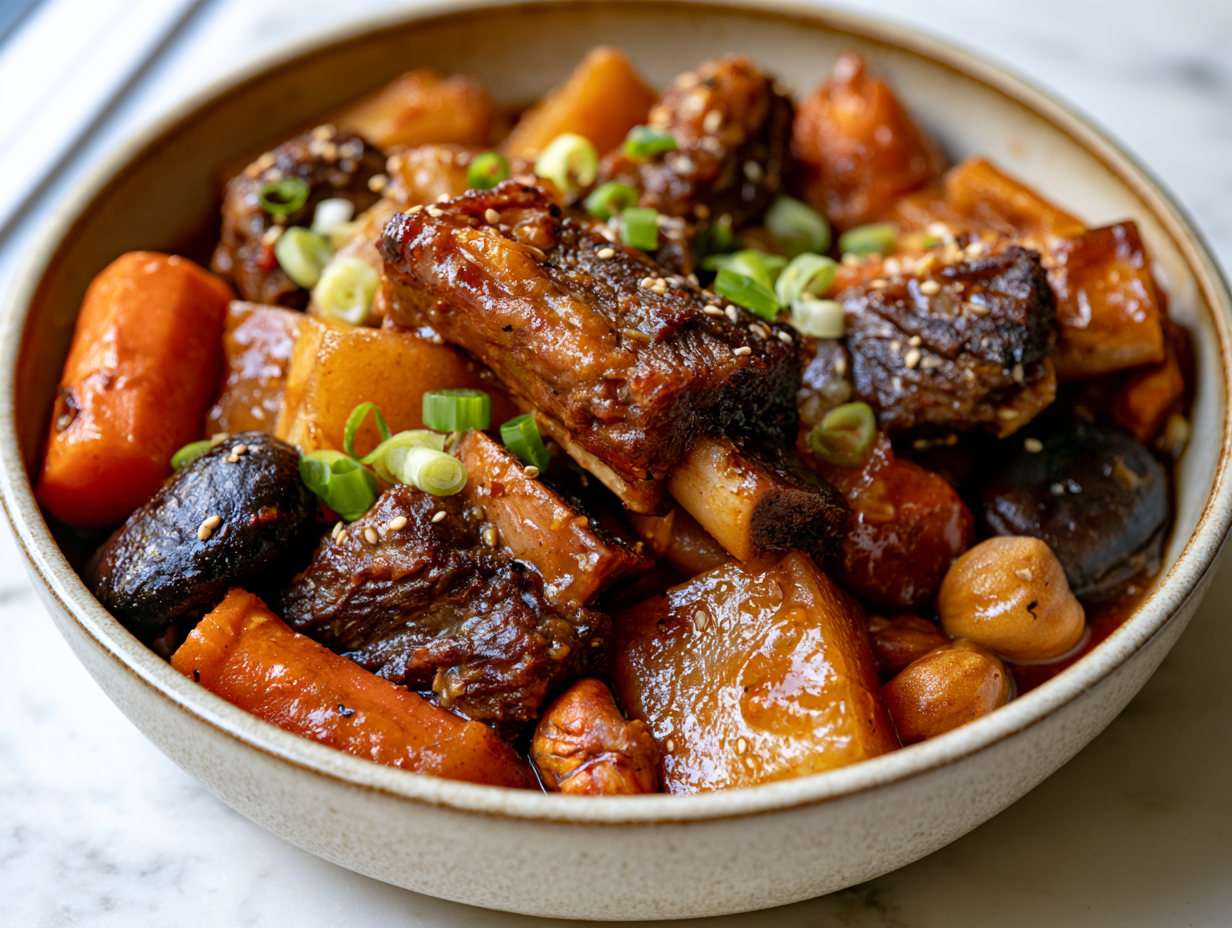
- Mushroom Version: Increase the amount of shiitake mushrooms for a deeper earthy flavor.
- Extra Vegetable Style: Add more root vegetables like sweet potatoes or turnips.
- Sweet Soy Variation: Increase the brown sugar slightly for a sweeter Korean-style sauce.
- Chestnut-Focused Version: Add extra chestnuts for a traditional holiday-inspired touch.
- Slow Cooker Method: Adapt the ingredients for a slow cooker when you want hands-off cooking.
What To Serve With Galbi Jjim?
Best Ways to Store Leftovers
- Refrigerator Storage: Store leftover Galbi Jjim in an airtight container for up to 4 days.
- Separate Sauce Storage: Keep extra sauce with the meat to help maintain moisture.
- Remove Excess Fat: Chilled leftovers may have solidified fat that can be removed before reheating.
- Portion Storage: Divide into smaller containers for easier meal planning.
- Freshness Tip: Store garnishes separately and add them before serving.
Frequently Asked Questions
1. Is Galbi Jjim spicy?
No, it’s savory-sweet rather than spicy.
2. Can I make this in a slow cooker?
Yes, cook on low for 7–8 hours.
3. Do I need Korean soy sauce?
Regular soy sauce works well.
4. Can I freeze Galbi Jjim?
Yes, freeze for up to 2 months.
5. Why soak the ribs first?
It removes impurities and improves flavor.
6. Can I add mushrooms?
Yes, shiitake mushrooms are a great addition.
7. Is sugar necessary?
Yes, it balances the saltiness of soy sauce.
8. Can I make it less sweet?
Reduce sugar slightly to taste.
9. How do I thicken the sauce?
Simmer uncovered near the end.
10. Is this a traditional Korean dish?
Yes, Galbi Jjim is a classic Korean celebratory dish.