5-Minute Best Mimosa Recipe Ever!
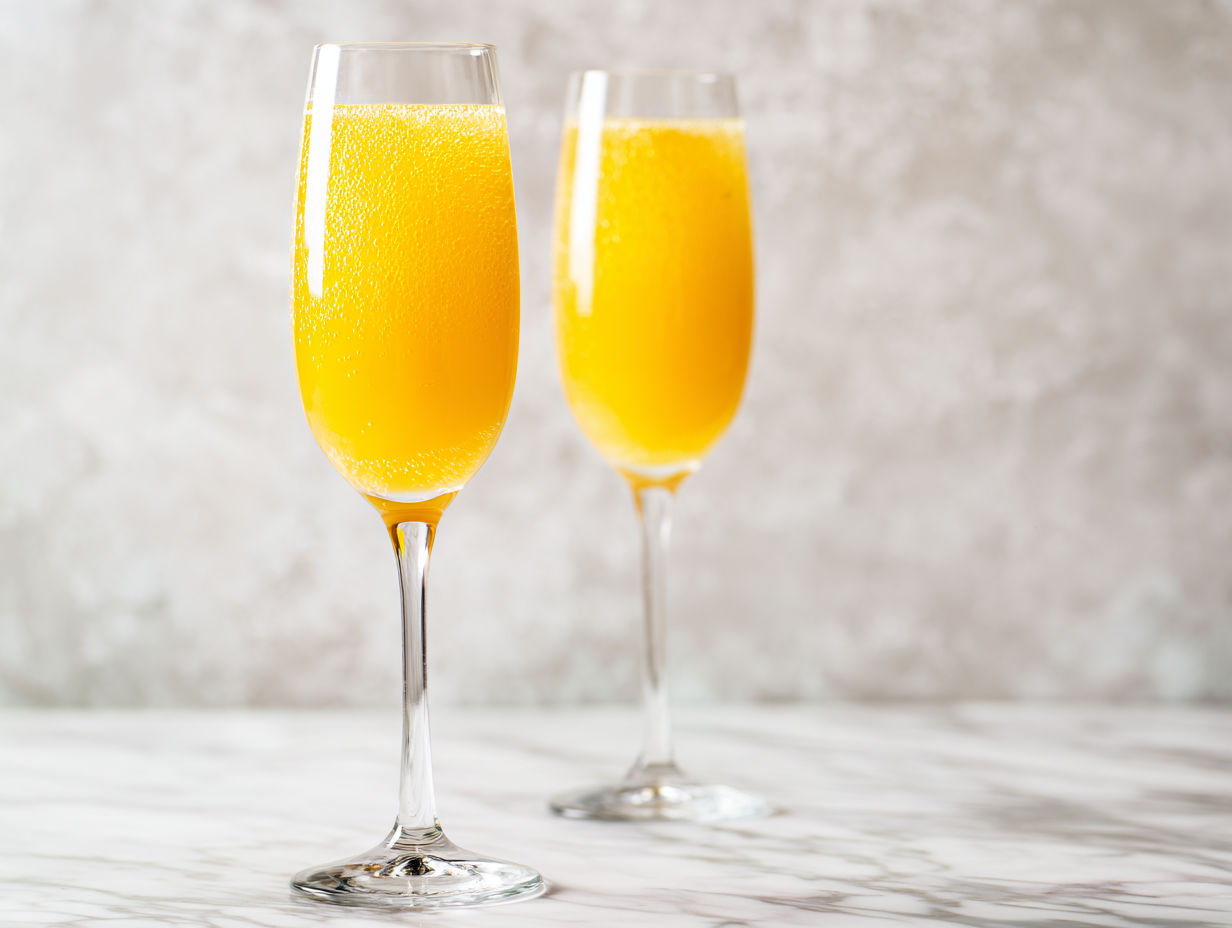
Hello, lovelies! Austin Carter welcomes you all to Beyond the Bayou blog to make you feel refreshed with the easiest and simplest cocktail ever. Yes, you read it right! All you need is two ingredients to get a glass of this amazing cocktail in your hand, Mimosa.
Okay, are you thinking why it is called Mimosa? The mimosa cocktail originated in France in the 1920s at the Ritz Hotel in Paris. It was named after the yellow mimosa flower due to its similar color. Getting it? Right!
I remember my adulthood attending various parties whether it was a family function, weddings, or festivals like Easter or Christmas. I still don’t remember any of them without Mimosa. Yes, it is a must at parties especially when we talk about brunch.
If you are someone who has missed the boat and still doesnot know how it can adorn your parties just learn this recipe with me and try serving it with Battenberg Cake or Avocado Toast. I will be waiting for you guys right here to listen to all your anecdotes.
Lets begin!
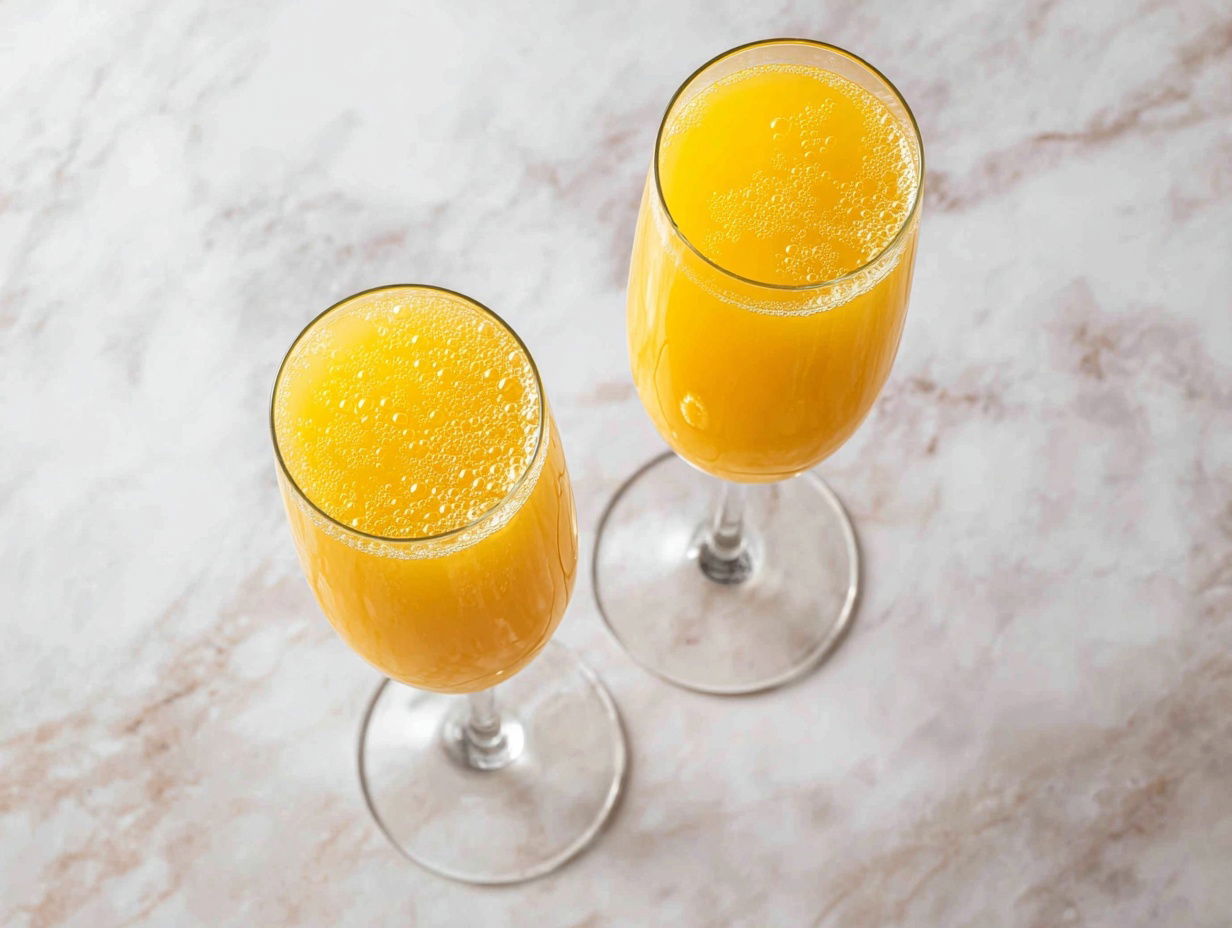
Mimosa Recipe
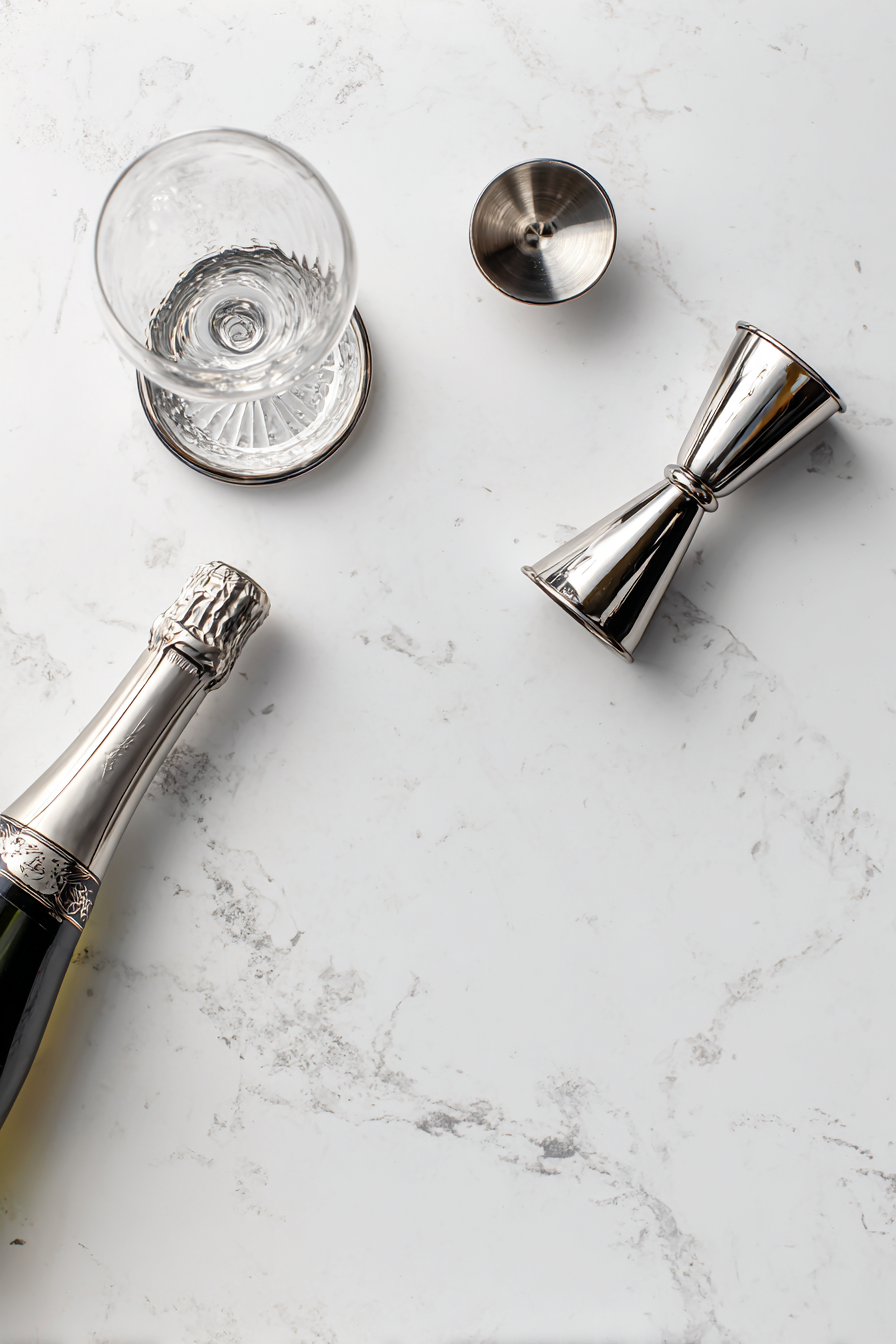
Equipment
- Champagne flute or wine glass
- Jigger or measuring cup for accurate pouring (optional)
- Stirrer or spoon for mixing (optional)
Ingredients
- 1 bottle 750 mL chilled Cava or Prosecco
- 2 to 4 cups chilled pulp-free orange juice
Instructions
- Hold the Champagne flute at a slight tilt.
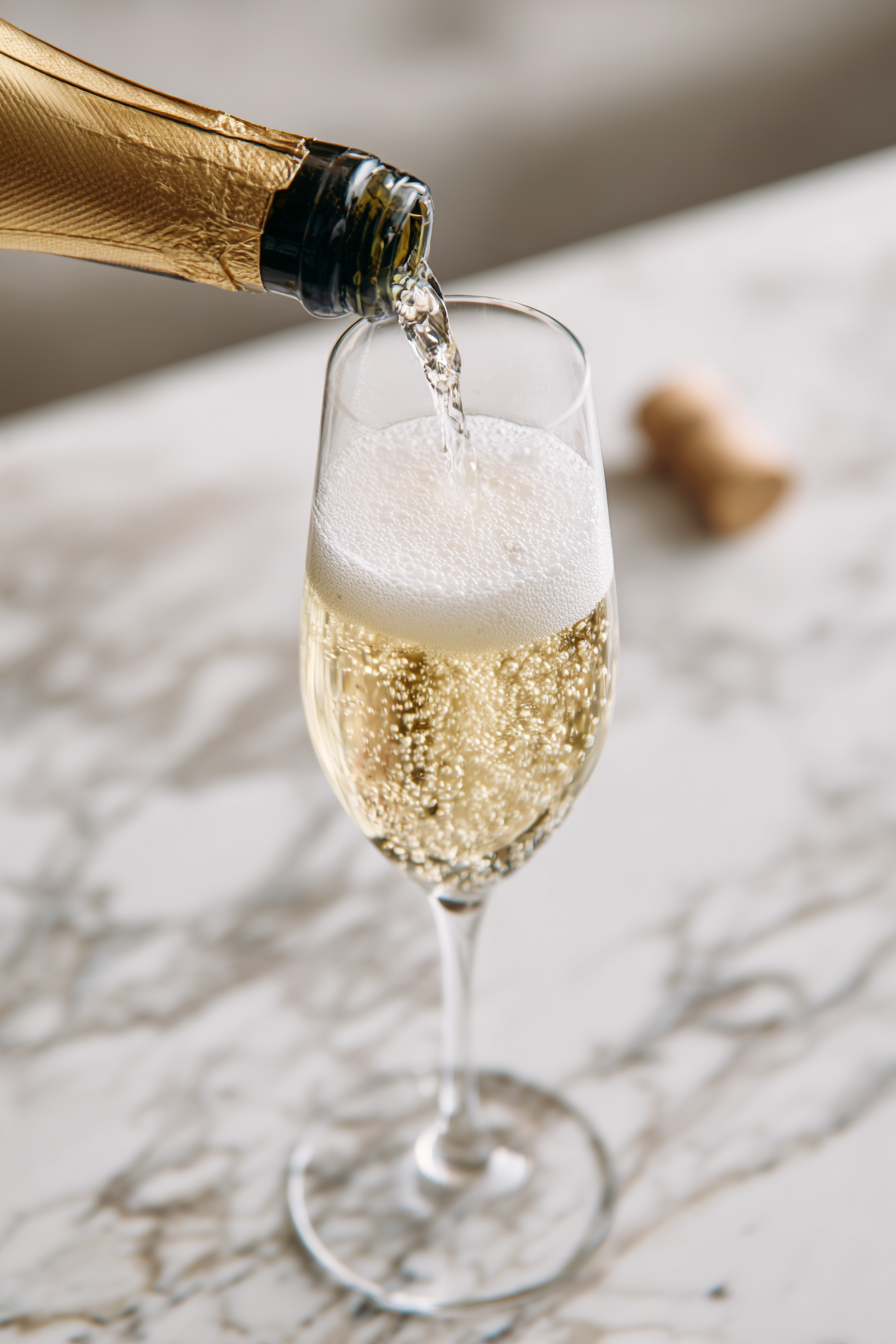
- Pour sparkling wine into the glass, filling it halfway.
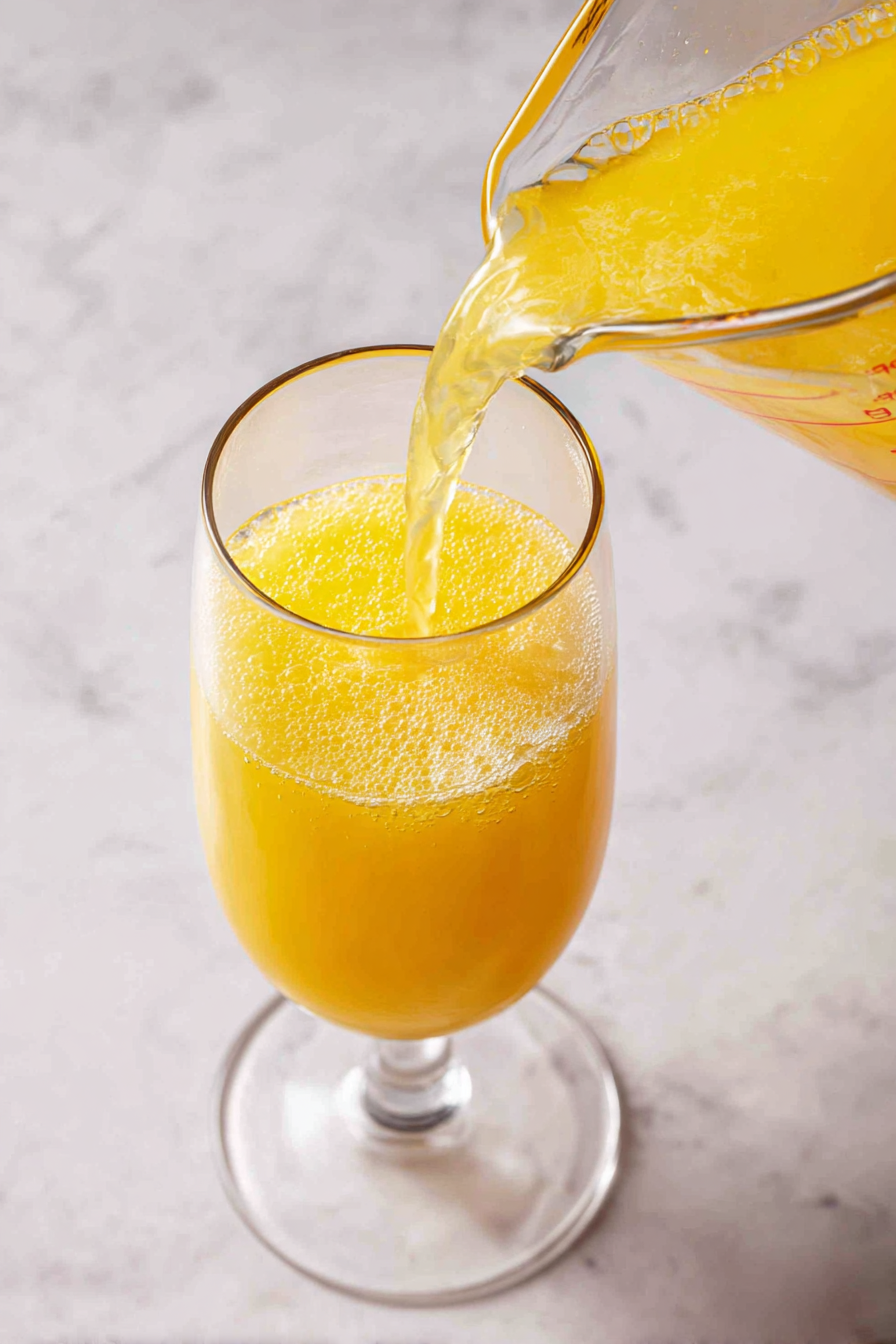
- Add orange juice to fill the rest of the glass.
- Stir gently to mix the ingredients.
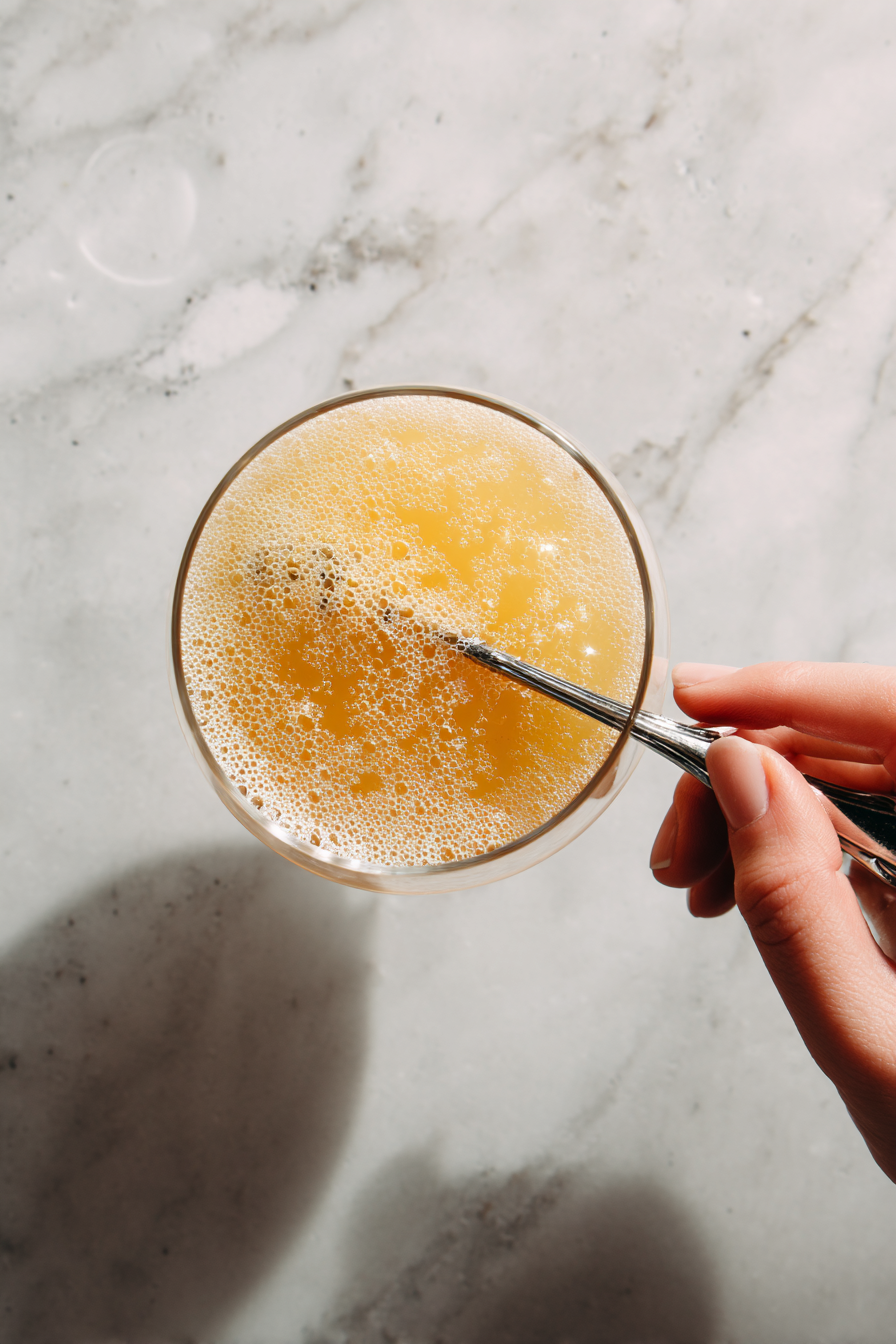
- Serve promptly and enjoy!
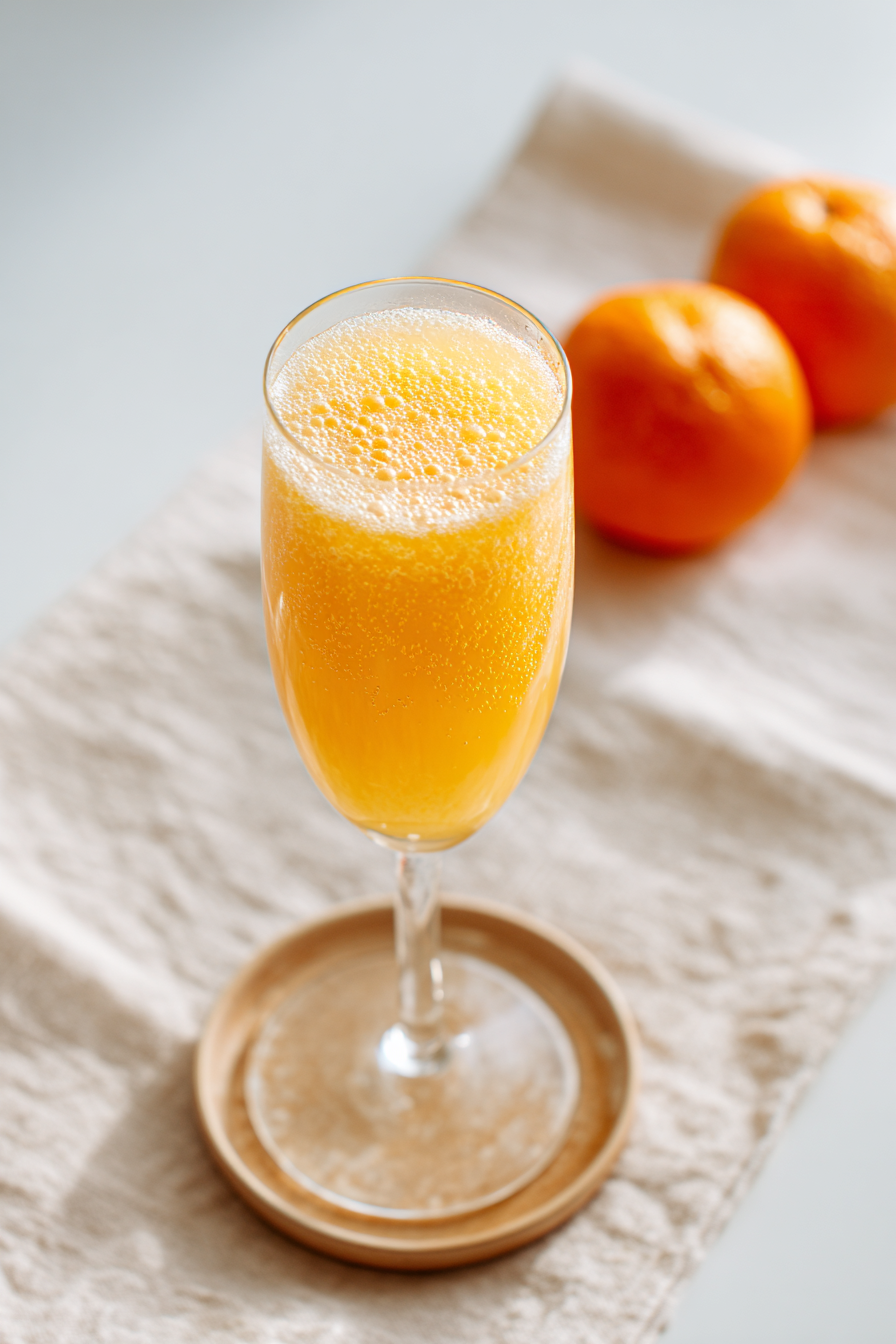
Nutrition
Customize Your Mimosa with Me!
Swapping Orange Juice:
- Blood Orange Juice (“Bloody Mimosa”): Substitute regular orange juice with vibrant blood orange juice for a tangy twist and a striking red hue.
- Cranberry Juice (“Poinsettia Mimosa”): Swap orange juice with tart cranberry juice for a festive touch, perfect for holidays or special occasions.
- Grapefruit Juice (“Megmosa”): Use grapefruit juice instead of orange juice for a refreshing and slightly bitter flavor, creating a “Megmosa” variation.
Exploring Different Fruit Juices:
- Peach Purée (“Bellini Mimosa”): Combine peach purée with sparkling wine for a Bellini-inspired mimosa, adding a fruity sweetness.
- Pineapple Juice: Substitute orange juice with pineapple juice for a tropical twist, ideal for summer brunches.
- Pear Nectar: Use pear nectar for a subtly sweet and fragrant mimosa, offering a unique flavor profile.
- Pomegranate Juice: Add pomegranate juice to create a vibrant and antioxidant-rich mimosa, perfect for a colorful presentation.
- Apple Cider: Use apple cider instead of orange juice for a cozy autumn-inspired mimosa, featuring warm apple flavors.
- Watermelon Juice: Swap orange juice with refreshing watermelon juice for a light and summery mimosa, ideal for outdoor gatherings.
Feel free to experiment with these variations to discover your favorite custom mimosa recipe, tailored to your taste preferences and seasonal inspirations!
Tips & Easy Fixes
Even a simple mimosa can be elevated with a few small tricks. Start by keeping the ratio of sparkling wine to juice around 1:1 for a balanced flavor, though you can adjust to taste.
Always chill your orange juice and sparkling wine beforehand—this helps preserve the bubbles and keeps the drink refreshing.
When pouring, hold your flute at a slight tilt to reduce foaming and avoid overflowing. Stir gently if needed, but don’t overmix, as you want the effervescence to stay intact.
If your mimosa ends up too sweet, add a splash more sparkling wine; too tart, add a little extra juice. A small garnish of orange slices, berries, or a sprig of mint can instantly make the presentation look special.
What To Serve With A Mimosa?
Make-Ahead & Storage Tips
Mimosas are best served immediately, but you can prep efficiently for a brunch or party. Measure out juice in advance and keep it chilled in the refrigerator.
Pre-chill your sparkling wine as well-cold bubbles retain their fizz longer.
If making multiple mimosas for a crowd, consider pre-pouring juice into glasses and keeping the sparkling wine separate until serving; this prevents the drinks from going flat.
Avoid storing pre-mixed mimosas, as sparkling wine loses its carbonation quickly. With these simple strategies, your mimosas will stay lively, fresh, and bubbly for every toast.
Frequently Asked Questions
- What is the best sparkling wine to use?
Cava, Prosecco, or Champagne all work beautifully—choose a dry or brut style for balance. - What is the ideal ratio of juice to sparkling wine?
A 1:1 ratio is classic, but you can adjust to taste—slightly more juice for sweeter, more wine for drier. - Can I use frozen orange juice?
Yes, just thaw and chill it fully to preserve flavor and bubbles. - Can this be made ahead?
Measure the juice ahead, but add sparkling wine right before serving to keep it fizzy. - Can I make a large batch?
Yes! Pre-measure the juice in a pitcher and pour sparkling wine individually into each glass. - What glasses work best?
Champagne flutes or tall wine glasses hold bubbles and make the drink elegant. - Can I make a non-alcoholic version?
Absolutely! Use sparkling water, club soda, or non-alcoholic sparkling wine in place of champagne. - How long will a mimosa stay fresh?
Once poured, best enjoyed immediately; pre-mixed mimosas lose bubbles quickly. - Can I try other juices besides orange?
Yes! Blood orange, cranberry, grapefruit, pineapple, or pear nectar all make delicious variations. - Can I garnish mimosas for parties?
Definitely! Orange slices, berries, or a sprig of mint add a festive touch and make the drink visually appealing.

Hi, I’m Austin. Every recipe you’ll find here is carefully tested, photographed, and created to help you cook with confidence…..
know more