Shrimp Scampi Pasta Recipe
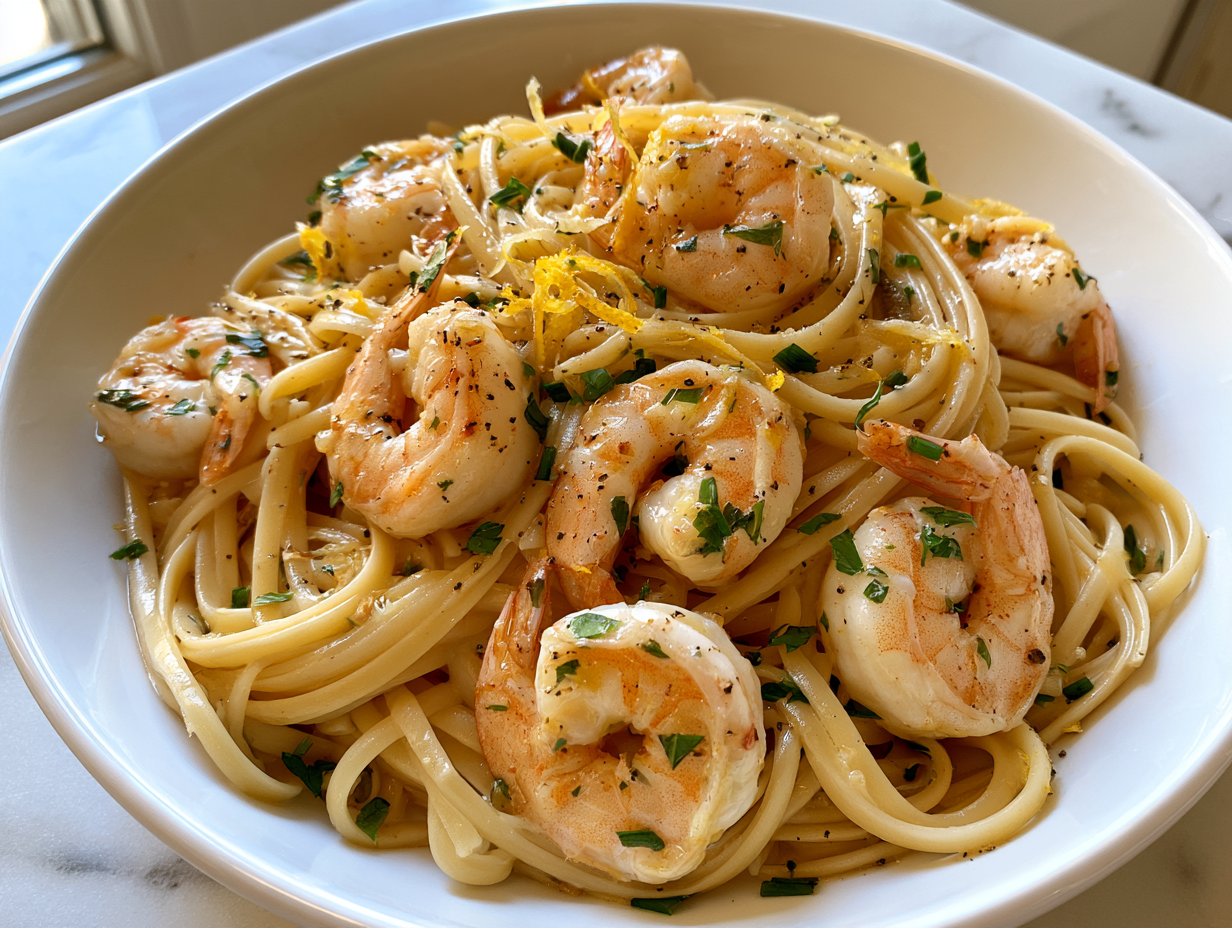
This Shrimp Scampi Pasta features tender shrimp and linguine tossed in a silky garlic-butter sauce with fresh lemon and herbs. Dry vermouth adds depth, while a pinch of red pepper flakes brings gentle heat.
It’s an elegant but approachable dinner that comes together in about 35 minutes. The sauce is bright and buttery, and a splash of reserved pasta water helps it cling to every strand of pasta.
Why You’ll Love This Shrimp Scampi Pasta
- Tender, flavorful shrimp: A quick cook keeps the shrimp juicy, while a little baking soda helps give them a firm, snappy texture.
- Silky garlic-butter sauce: Olive oil, butter, garlic, and pasta water come together in a glossy sauce that coats the pasta.
- Bright lemon flavor: Fresh juice and zest balance the richness of the butter.
- Fresh herbs: Parsley, tarragon, and chives add a fragrant, fresh finish.
- A little gentle heat: Red pepper flakes bring warmth without overpowering the shrimp.
- Quick enough for a weeknight: The pasta and sauce come together in about 35 minutes.
Ingredient Breakdown
1. Large shrimp: Peeled and deveined shrimp are easy to prepare and cook quickly. Pat them dry if they seem wet so they can brown more easily in the skillet.
2. Linguine: Linguine is a classic choice for scampi because its long strands hold the buttery sauce well. Spaghetti or fettuccine also work.
3. Olive oil and unsalted butter: Olive oil helps cook the shrimp and garlic, while butter gives the sauce its rich, silky finish. Adding the butter off the heat helps it melt smoothly into the sauce.
4. Garlic and red pepper flakes: Garlic creates the savory base of the sauce, and a pinch of red pepper flakes adds gentle heat. Cook the garlic only until fragrant so it does not turn bitter.
5. Dry vermouth: Vermouth adds depth and a subtle herbal note. Let it simmer briefly to reduce the liquid before adding the butter.
6. Lemon and fresh herbs: Lemon juice and zest brighten the sauce, while parsley, tarragon, and chives add freshness and aroma.
Chef’s Tip: Reserve pasta water before draining the linguine. Add it to the sauce a little at a time while tossing the pasta and shrimp, stopping when the sauce looks glossy and clings to the noodles.
Shrimp Scampi Pasta
Equipment
- Large Skillet
- Colander
- Large mixing bowl
- Microplane or fine grater
- Tongs
Ingredients
Shrimp
- 1 lb large shrimp peeled and deveined
- Kosher salt to taste
- ¼ tsp baking soda
Pasta
- 1 lb linguine spaghetti, or fettuccine
- Salt for the pasta water
Scampi Sauce
- 10 tbsp extra-virgin olive oil divided
- 8 tsp minced garlic about 8–10 medium cloves
- Pinch red pepper flakes
- 1 cup dry vermouth
- 6 tbsp unsalted butter cut into tablespoon-size pieces
- 2 tbsp fresh lemon juice
- Zest of 1 lemon
- 4 tsp finely minced fresh parsley
- 4 tsp finely minced fresh tarragon
- 4 tsp finely minced fresh chives
- Freshly ground black pepper to taste
Instructions
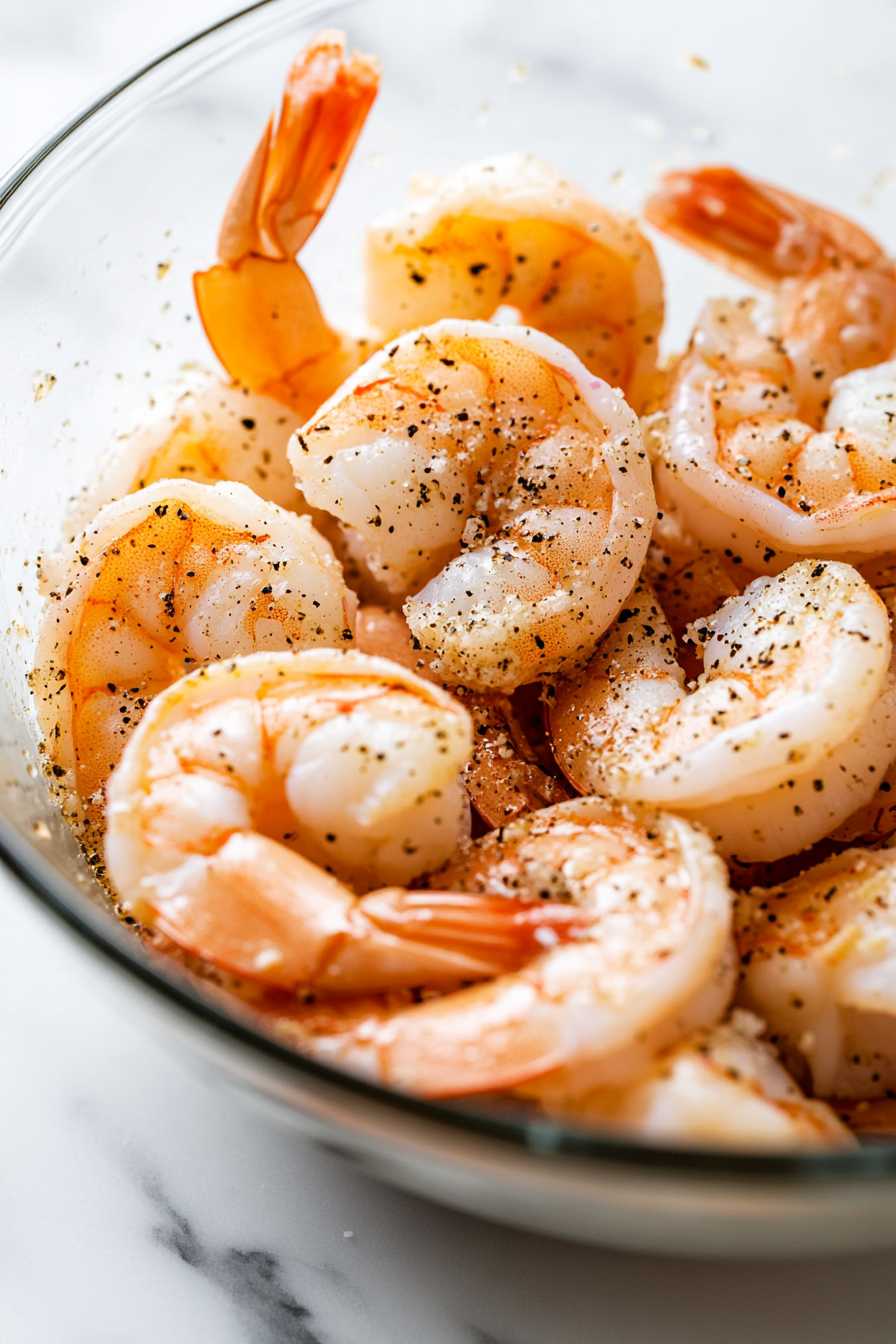
- Place the shrimp in a bowl and season with kosher salt and baking soda. Toss well to coat and let them rest briefly while you prepare the other ingredients.
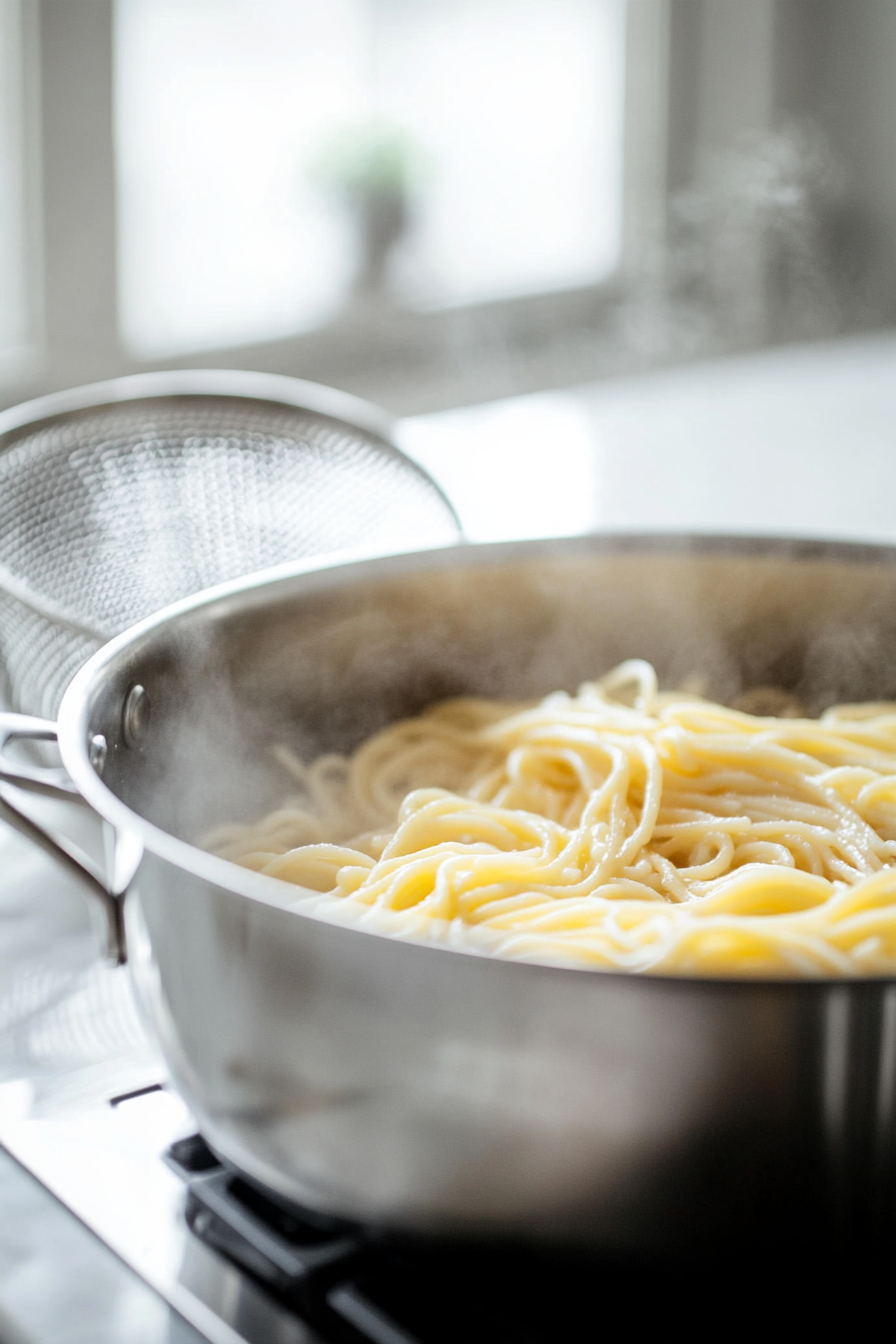
- Bring a large pot of generously salted water to a boil. Cook the pasta according to the package directions until al dente. Reserve about 1 cup of the pasta water, then drain.
- While the pasta cooks, heat about 4–6 tablespoons of the olive oil in a large skillet over medium-high heat. Add the shrimp and cook until just cooked through and lightly browned, turning as needed. Transfer the shrimp to a plate and set aside.
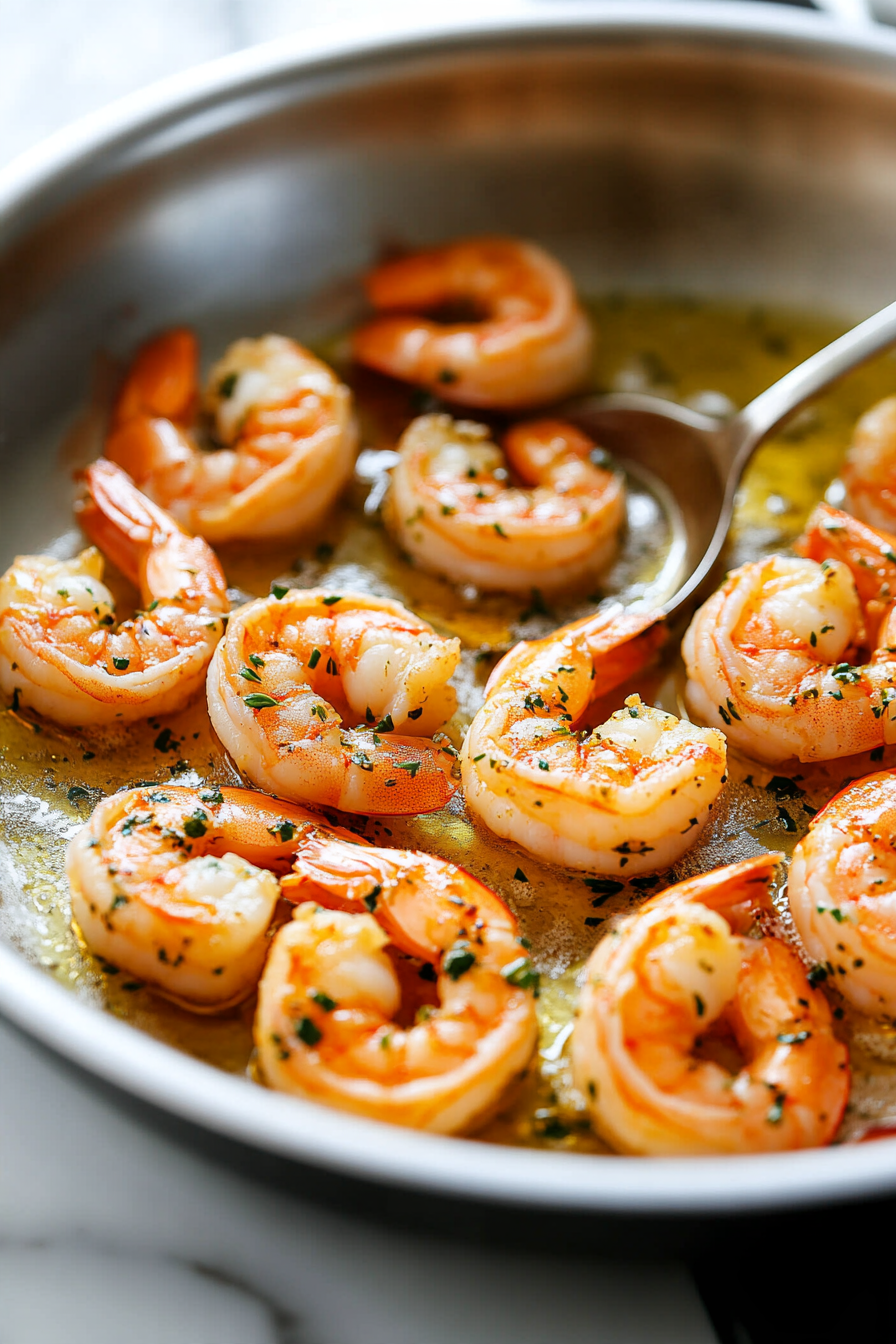
- Reduce the heat to medium. Add the remaining olive oil to the skillet along with the minced garlic and red pepper flakes. Cook briefly, stirring constantly, until the garlic is fragrant but not browned.
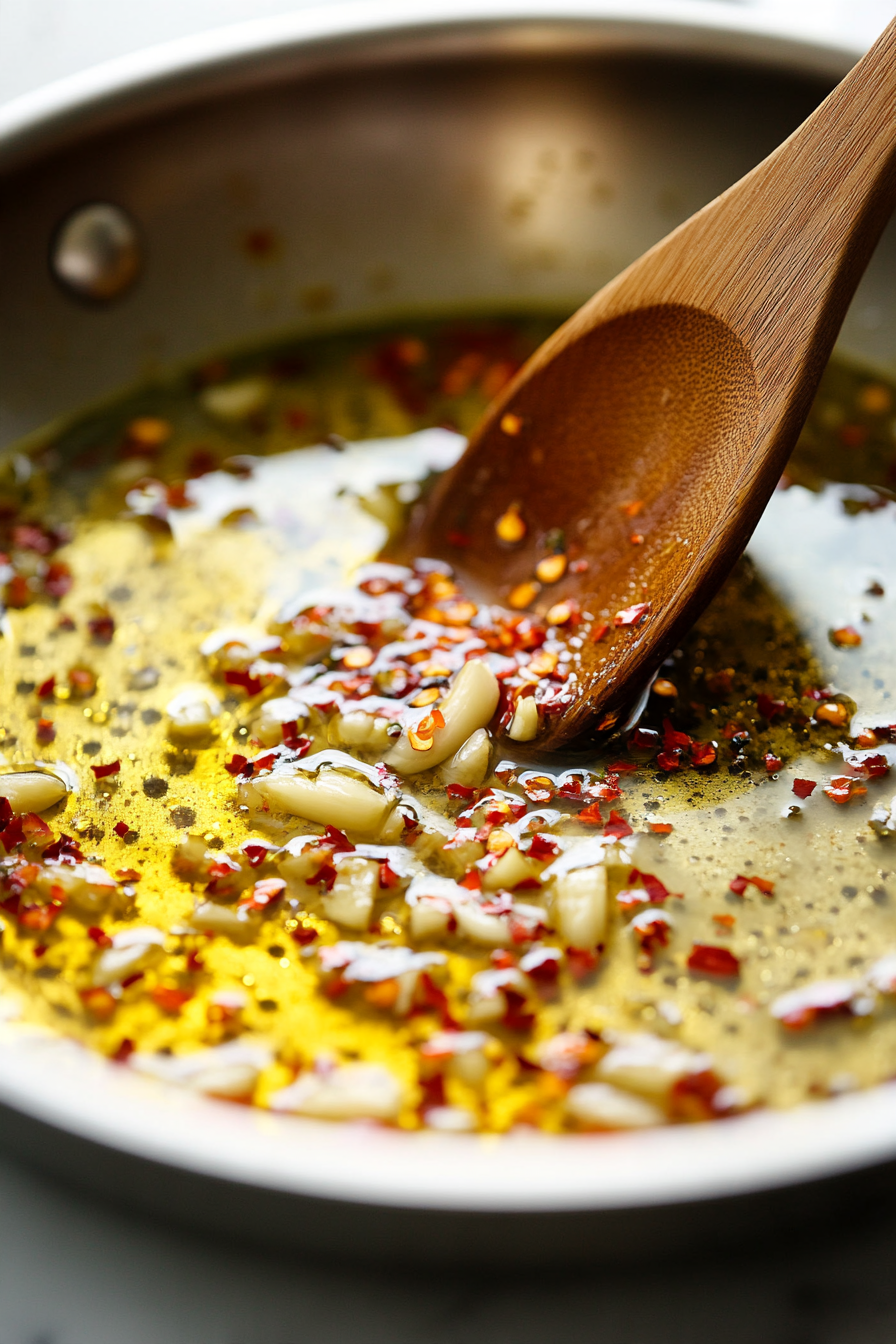
- Add the dry vermouth and bring it to a simmer. Cook until the liquid reduces slightly and the alcohol cooks off.
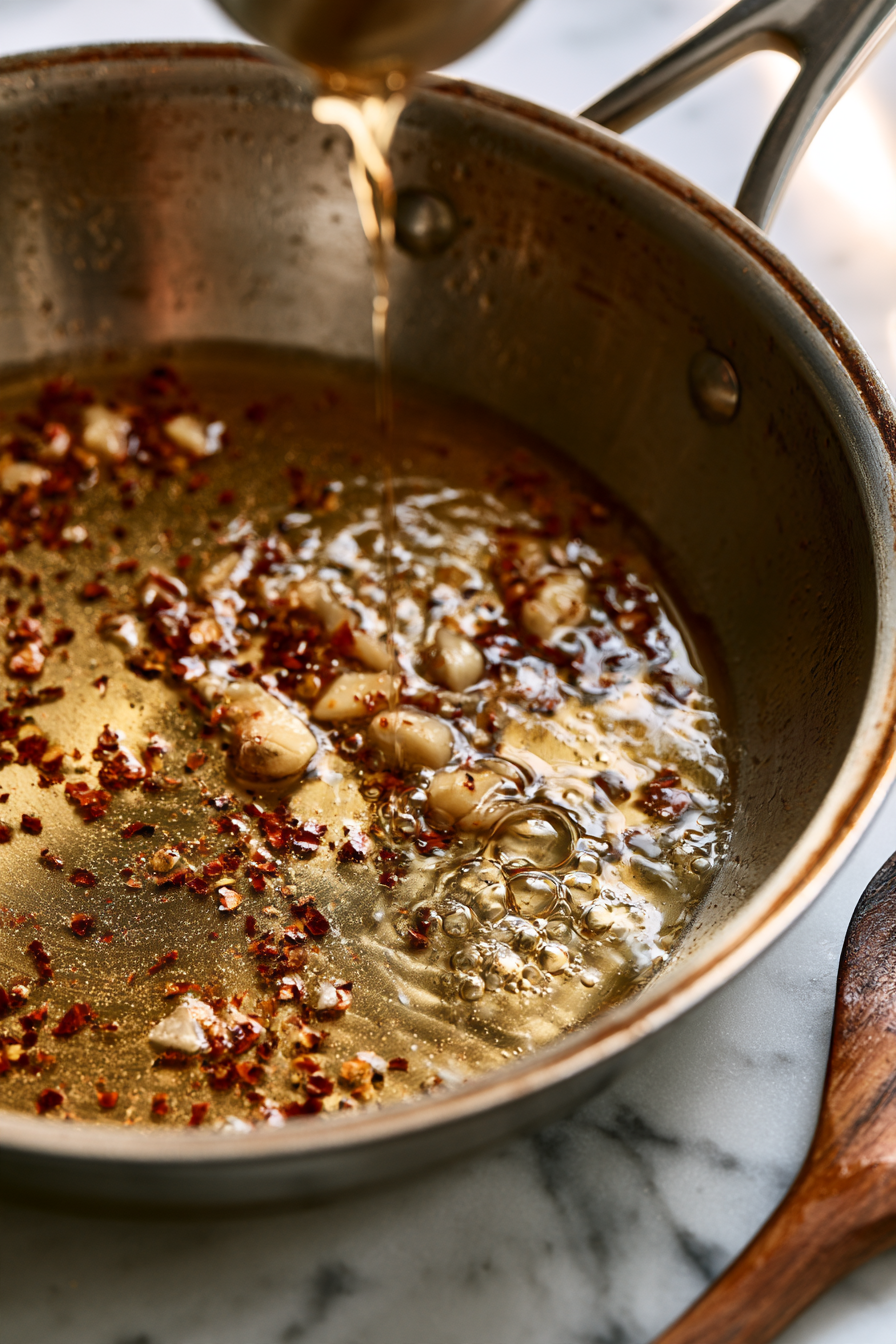
- Remove the skillet from the heat and gradually whisk or stir in the butter until it melts into a smooth, glossy sauce.
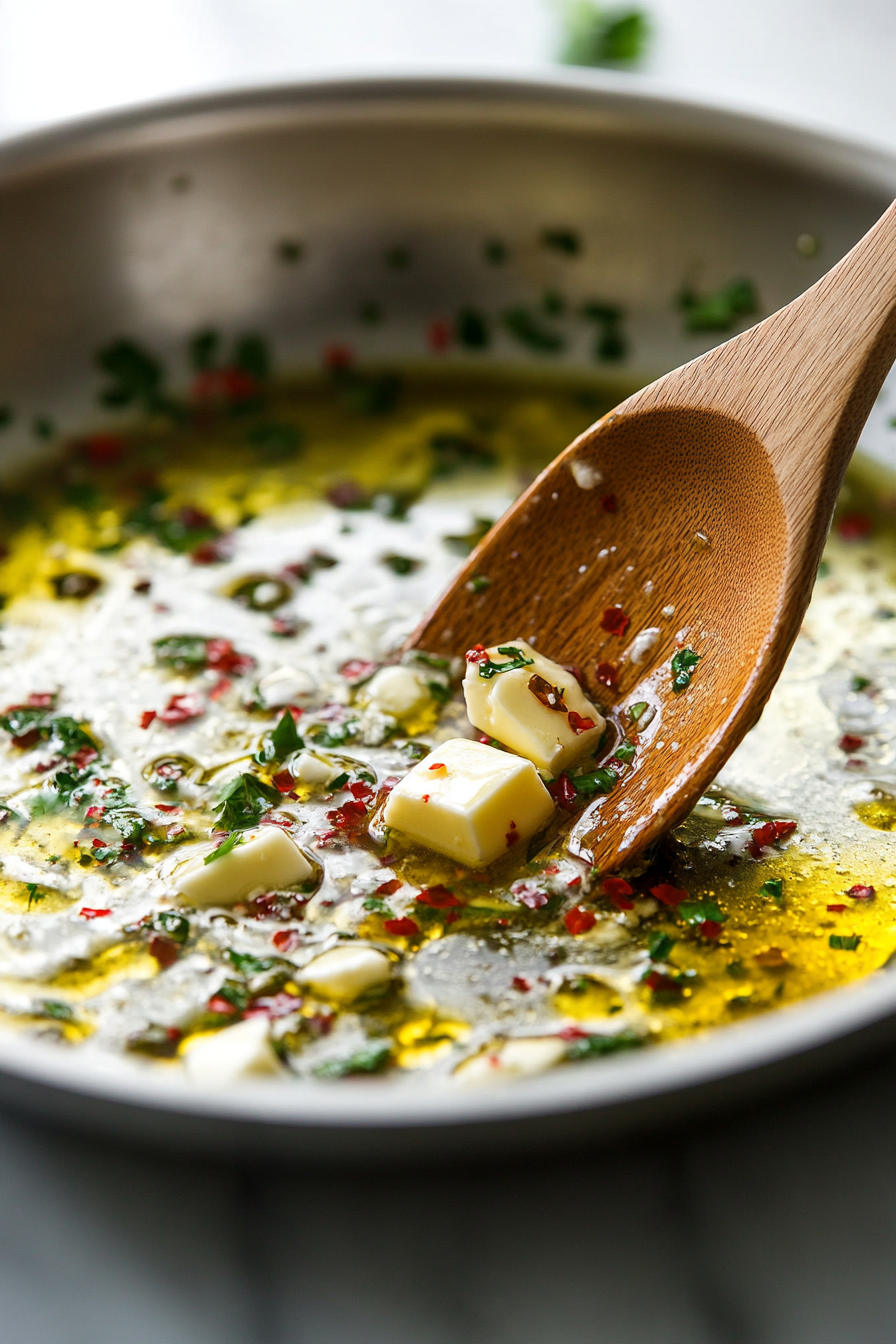
- Add the lemon juice, lemon zest, parsley, tarragon, and chives. Season with freshly ground black pepper.
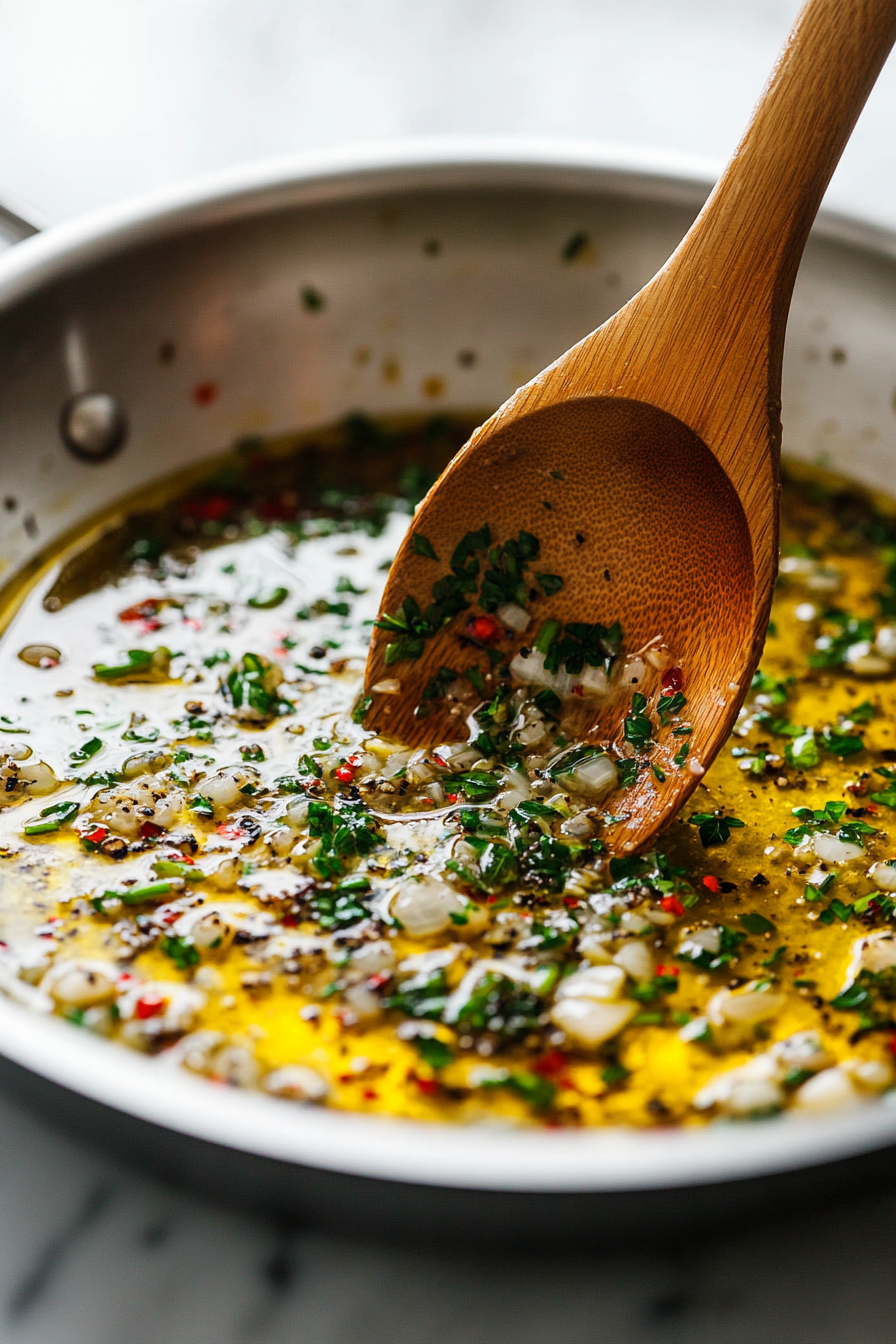
- Add the cooked pasta and shrimp to the skillet and toss thoroughly to coat everything in the sauce. Add a little reserved pasta water as needed to loosen the sauce and help it cling to the pasta.
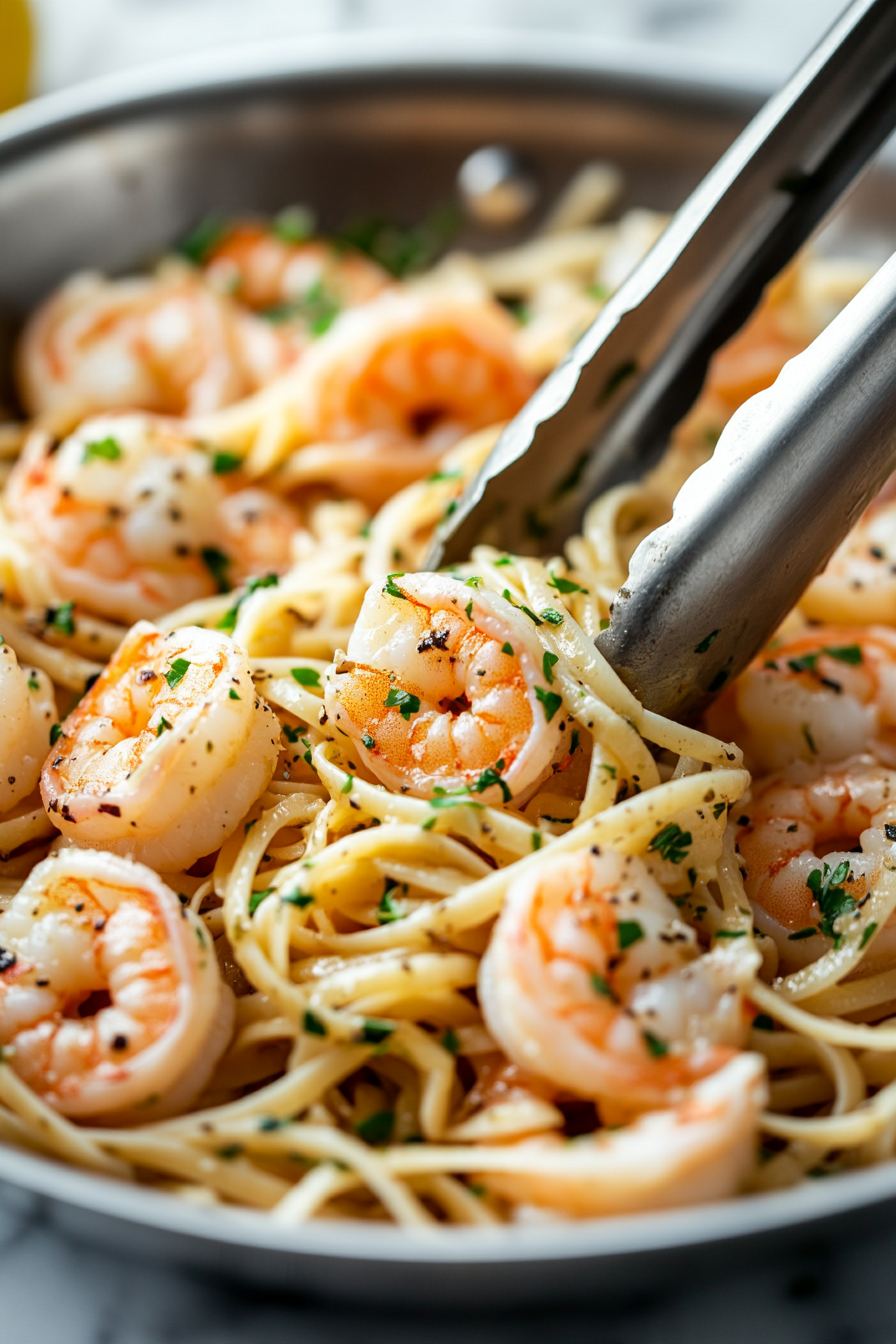
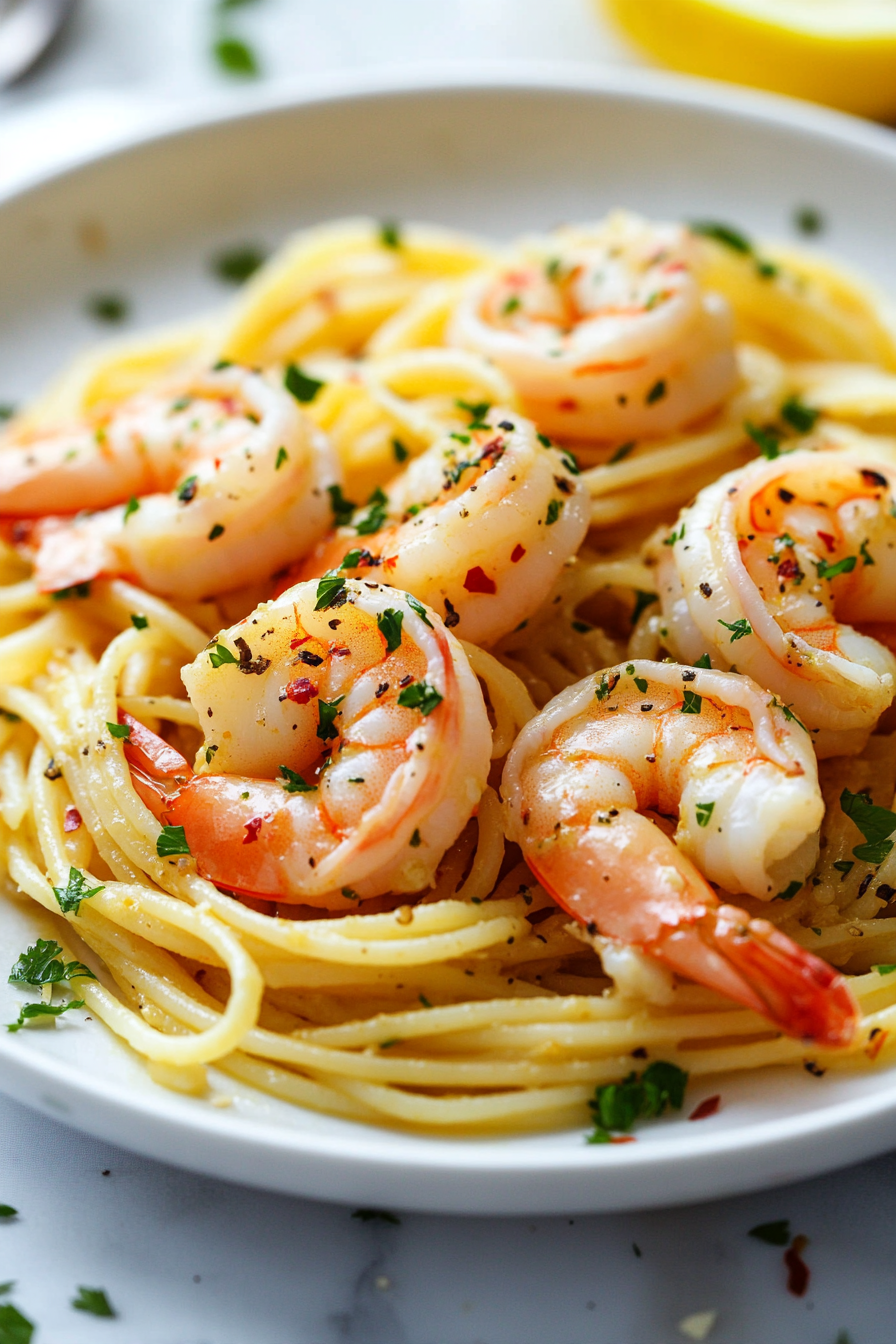
- Taste and adjust the seasoning. Serve immediately with additional lemon zest or fresh herbs if desired.
Notes
- Do not overcook the shrimp. They should be just cooked through and tender.
- The baking soda helps improve the shrimp’s texture and gives them a firmer, snappier bite.
- Vermouth can be used in place of the more common white wine for a deeper, herbaceous flavor.
- Add pasta water gradually; you may not need the entire reserved cup.
- Fresh herbs make a noticeable difference in the finished sauce.
- For less heat, use only a small pinch of red pepper flakes.
Nutrition Information
Estimated per serving · 4 servings
| Nutrient | Amount |
|---|---|
| Calories | 650 kcal |
| Carbohydrates | 78g |
| Protein | 32g |
| Fat | 27g |
| Saturated Fat | 9g |
| Fiber | 3g |
| Sugar | 3g |
| Sodium | 700mg |
Nutrition is estimated and may vary depending on the pasta, shrimp, butter, olive oil, and amount of sauce consumed.
Troubleshooting Tips
- Shrimp turn rubbery: Cook them just until they are opaque and lightly browned, then remove them from the skillet. They will be tossed with the pasta at the end.
- Garlic tastes bitter: Keep the heat at medium and stir constantly. Remove the skillet from the heat if the garlic starts to brown.
- Sauce looks oily or separated: Take the skillet off the heat and toss in a small splash of reserved pasta water until the sauce looks glossy.
- Sauce is too thick: Add reserved pasta water a little at a time until it coats the noodles easily.
- Sauce tastes too sharp: Toss the pasta thoroughly with the butter sauce and add a little more pasta water if needed to help balance the flavors.
- Pasta sticks together: Drain it just before combining with the sauce, and toss it promptly with the shrimp and sauce.
Variations to Try
- White Wine Scampi: Replace the dry vermouth with dry white wine for a more traditional wine-forward flavor.
- Extra-Garlicky Scampi: Add a little more minced garlic if you prefer a stronger garlic flavor.
- Spicy Shrimp Scampi: Increase the red pepper flakes for a more pronounced kick.
- Scampi with Cherry Tomatoes: Add halved cherry tomatoes to the skillet after cooking the garlic and let them soften briefly.
- Scampi with Spinach: Toss in a few handfuls of fresh spinach with the hot pasta until just wilted.
- Gluten-Free Shrimp Scampi: Use your favorite gluten-free linguine or spaghetti and reserve some of its cooking water for the sauce.
More Shrimp Recipes to Try
- Shrimp Ceviche
- Baja Shrimp Tacos
- Quick & Easy Shrimp Enchiladas
- Texas Roadhouse Grilled Shrimp
- Authentic Blackened Shrimp Bowls
How to Store Shrimp Scampi Pasta
- Refrigerate leftovers: Store cooled pasta and shrimp in an airtight container in the refrigerator for up to 2 days.
- Keep it covered: Seal the container well to help prevent the pasta from drying out or absorbing other odors.
- Reheat gently: Warm leftovers in a skillet over low heat with a splash of water until heated through.
- Avoid high heat: Reheating too quickly can make the shrimp tough and cause the sauce to separate.
- Store promptly: Refrigerate leftovers soon after serving rather than leaving the pasta at room temperature for an extended period.
Frequently Asked Questions
1. Can I use frozen shrimp?
Yes. Thaw the shrimp completely and pat them dry before seasoning and cooking so they can brown properly.
2. What can I use instead of dry vermouth?
Dry white wine is a good substitute. The flavor will be slightly different, but it will still add depth to the sauce.
3. Can I use a different type of pasta?
Yes. Spaghetti and fettuccine both work well in place of linguine. Cook the pasta until al dente and reserve some cooking water for the sauce.
4. Why add baking soda to the shrimp?
A small amount of baking soda helps the shrimp develop a firmer, snappier texture. Toss it evenly with the shrimp and let them rest briefly before cooking.
5. Can I leave out the red pepper flakes?
Yes. The red pepper flakes add gentle heat, but the dish will still be flavorful without them.
6. Why should I add the butter off the heat?
Removing the skillet from the heat helps the butter melt smoothly into the liquid, creating a glossy sauce rather than a greasy one.
7. How do I keep the sauce from becoming too thin?
Add reserved pasta water gradually while tossing the pasta. Stop once the sauce lightly coats the noodles; you may not need the full cup.
8. Can I make shrimp scampi pasta ahead of time?
It is best served immediately because the shrimp can become firm and the sauce may thicken as it sits. For the freshest texture, cook the pasta and shrimp just before serving.