
Easy Croissant Recipe For Beginners!
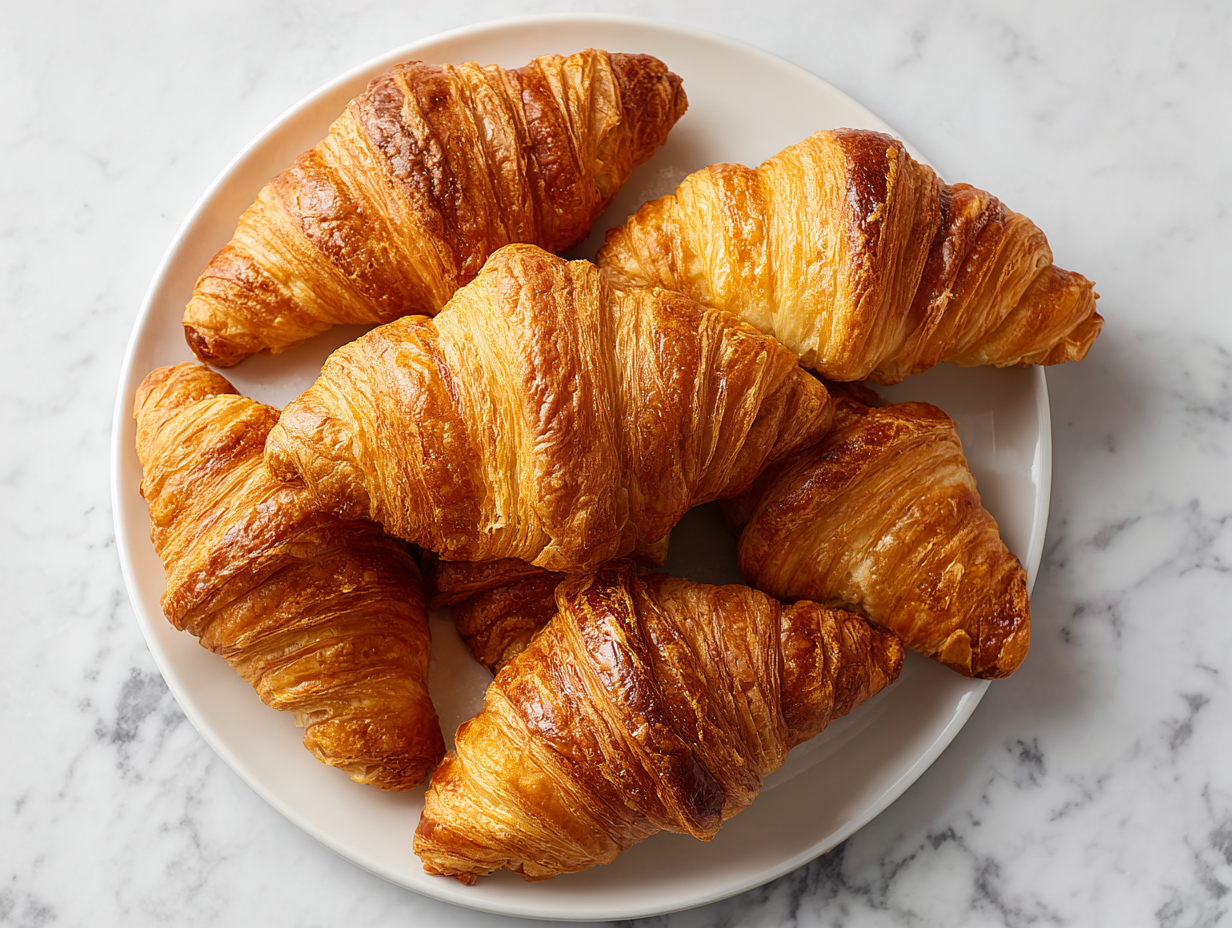
This Croissants Recipe gives you a straightforward way to make homemade French-style croissants with a buttery dough, classic laminated layers, and a golden baked exterior. While croissants take time because of chilling, laminating, and proofing, the individual steps are simple and manageable at home.
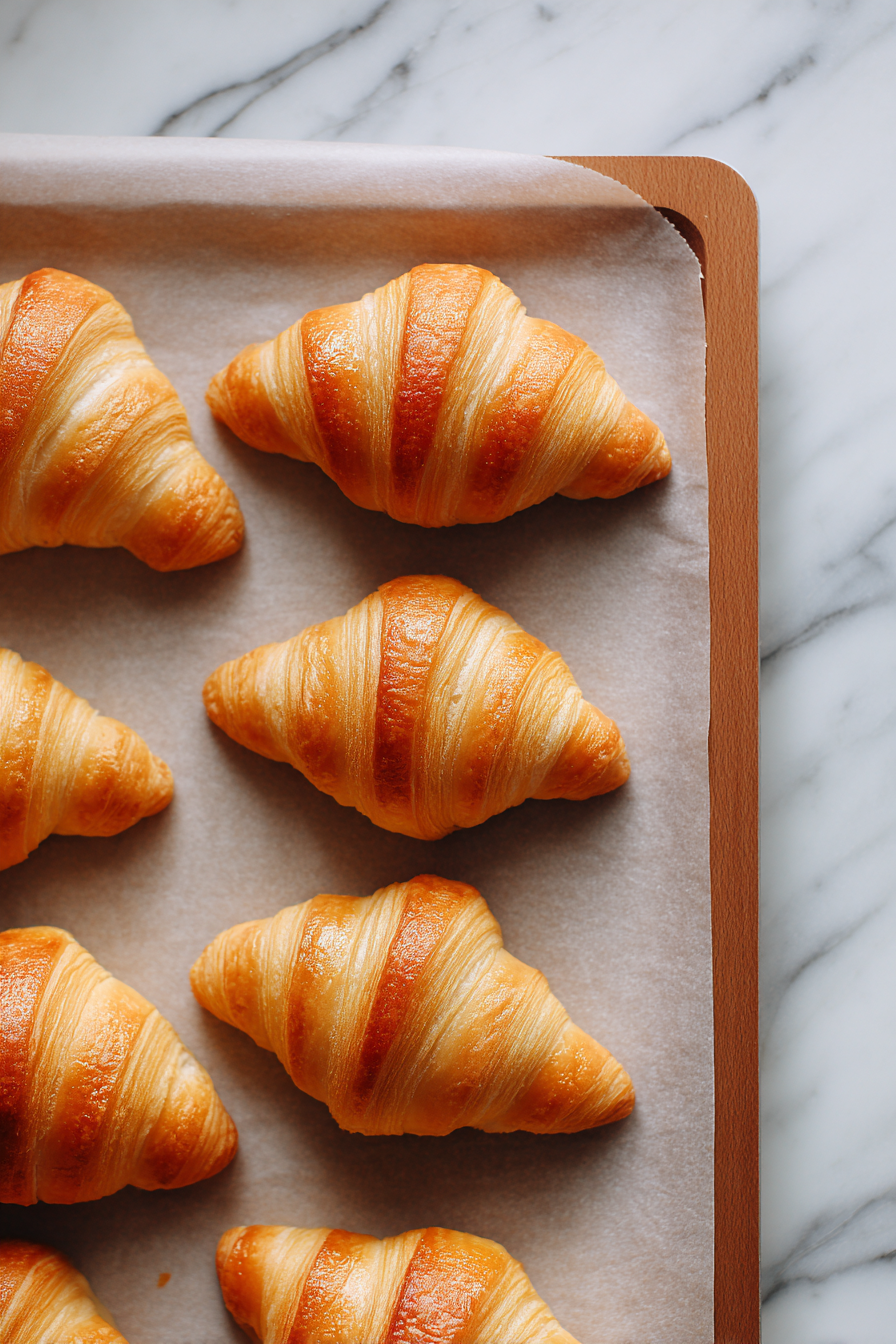
The finished croissants are crisp and golden on the outside with delicate, airy layers inside. Fresh from the oven, they have a rich buttery aroma and a light texture that makes them especially good for breakfast, brunch, or an afternoon pastry.
What Makes This Recipe Worth Trying
- Homemade Pastry: Make classic laminated croissants at home instead of relying on store-bought pastries.
- Straightforward Process: The recipe breaks the work into manageable stages from mixing to baking.
- Simple Ingredients: Flour, yeast, milk, butter, sugar, salt, and eggs form the basic dough.
- Make-Ahead Friendly: Chilling and resting periods allow you to work around your schedule.
- Beginner Accessible: The recipe introduces lamination without requiring professional pastry equipment.
- Fresh-Baked Results: Homemade croissants can be baked until golden and served while still warm.
Ingredient Insights and Easy Substitutions
- All-Purpose Flour: Provides the structure needed for the dough and laminated layers. Weighing the flour is helpful for consistent results.
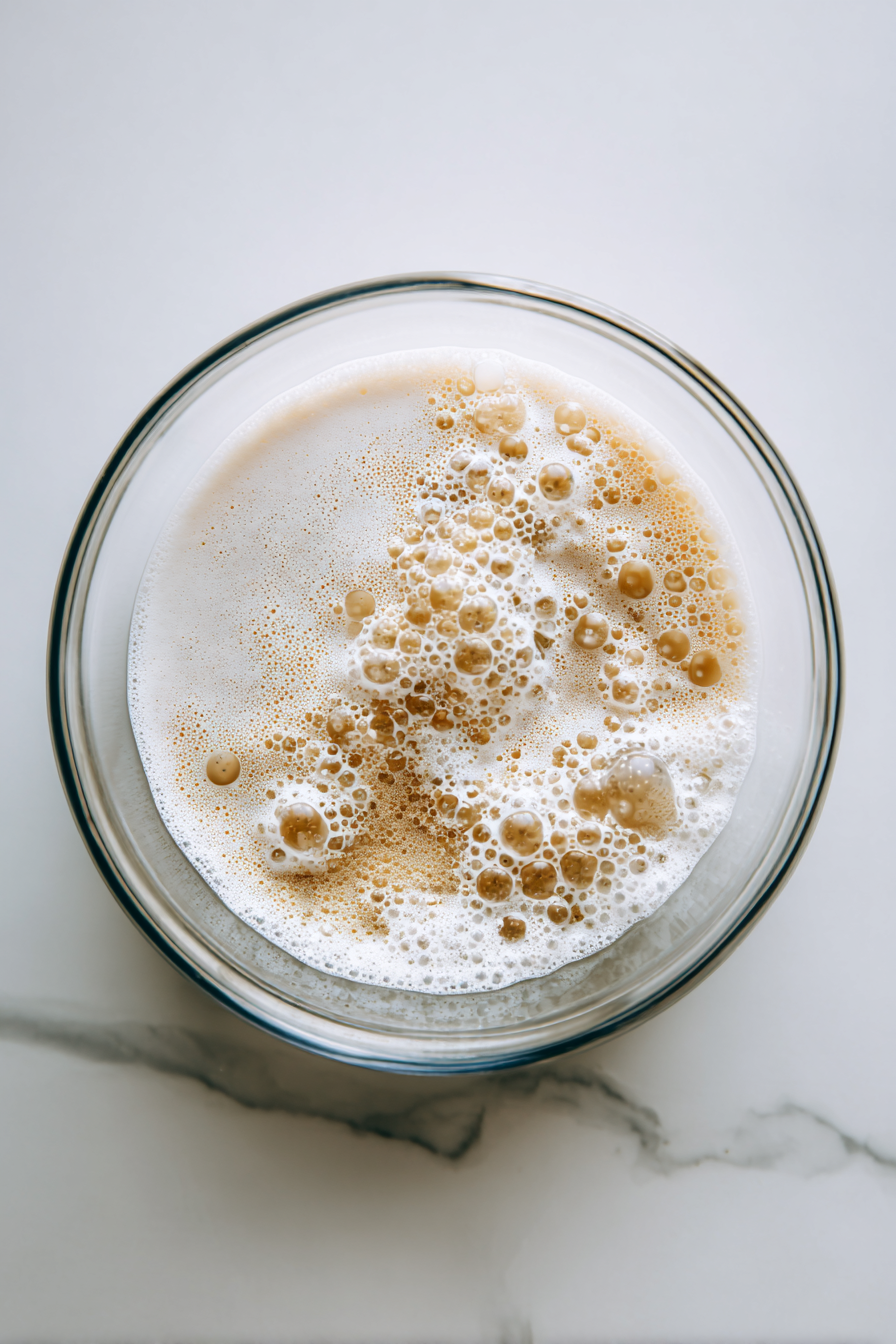
- Active Dry Yeast: Gives the dough its rise and contributes to the light interior. Make sure the yeast becomes frothy when activated.
- Warm Milk: Adds moisture and richness to the dough. The milk should be warm rather than hot when combined with the yeast.
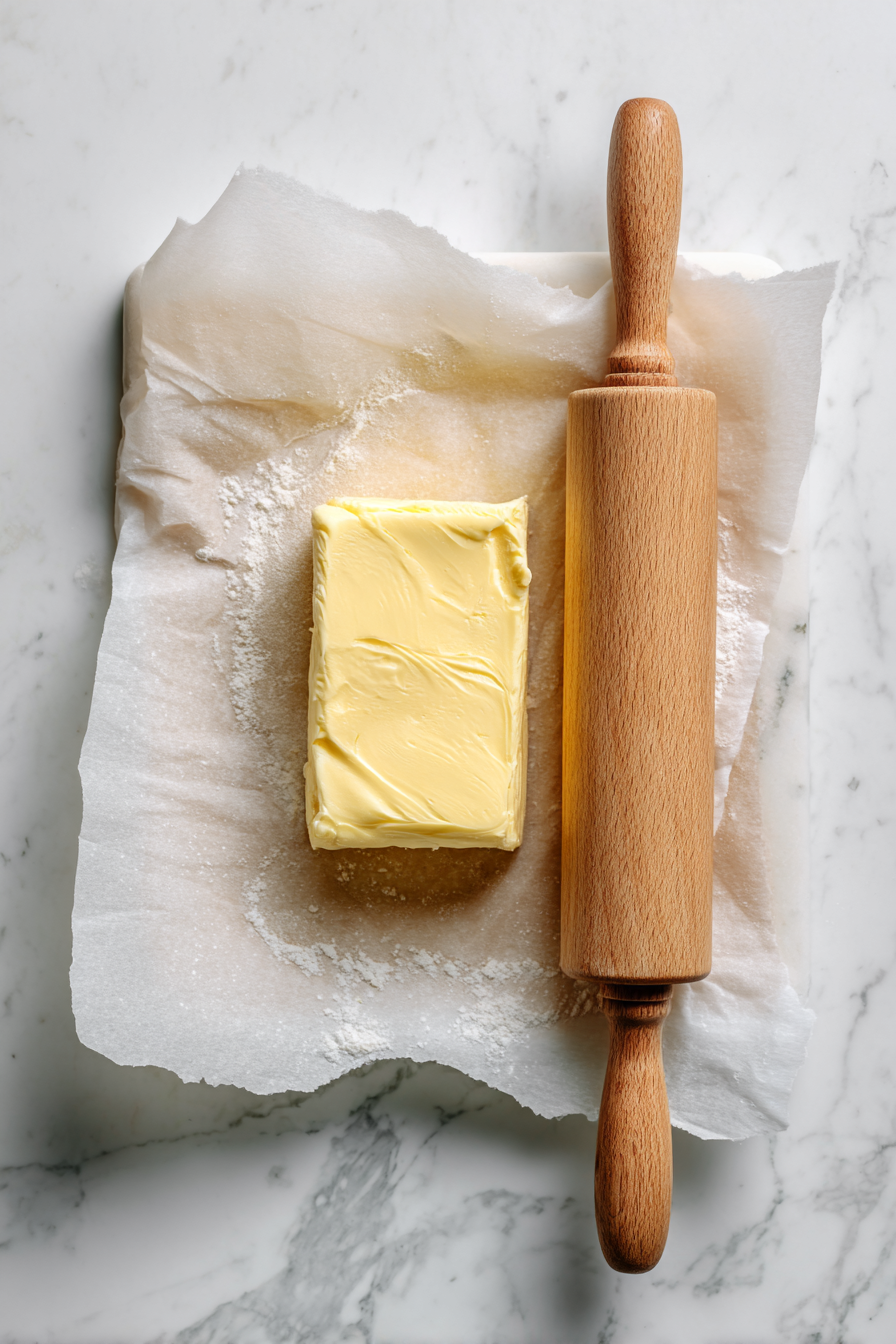
- Unsalted Butter: Butter is essential for creating the layers during lamination. Keep it cold and shape it into a flat rectangle before working with the dough.
- Granulated Sugar: Adds sweetness while also contributing to browning during baking. Measure it accurately so the dough maintains the intended balance.
- Egg Wash: Beaten eggs brushed over the shaped croissants create a shiny, golden surface during baking. Apply it carefully without saturating the exposed layers.
Chef’s Tip: Keep the dough and butter cold during lamination. If the butter begins to soften or smear into the dough, chill everything before continuing.

Croissants Recipe
This simplified croissant recipe will have you baking croissants like a pro. Flaky, buttery, and deliciously authentic, yet so easy to make.
Print
Pin
Rate
Calories: 300kcal
Servings: 5 people
Equipment
- Plastic Wrap
- Oven
- Pastry Brush
Ingredients
- 625 g all-purpose flour
- 10.5 g active dry yeast
- 312.5 ml warm milk
- 37.5 g granulated sugar
- 12.5 g salt
- 312.5 g unsalted butter cold
- 5 eggs beaten (for egg wash)
Instructions
- Activate the yeast: Mix warm milk with yeast, let it sit until frothy.
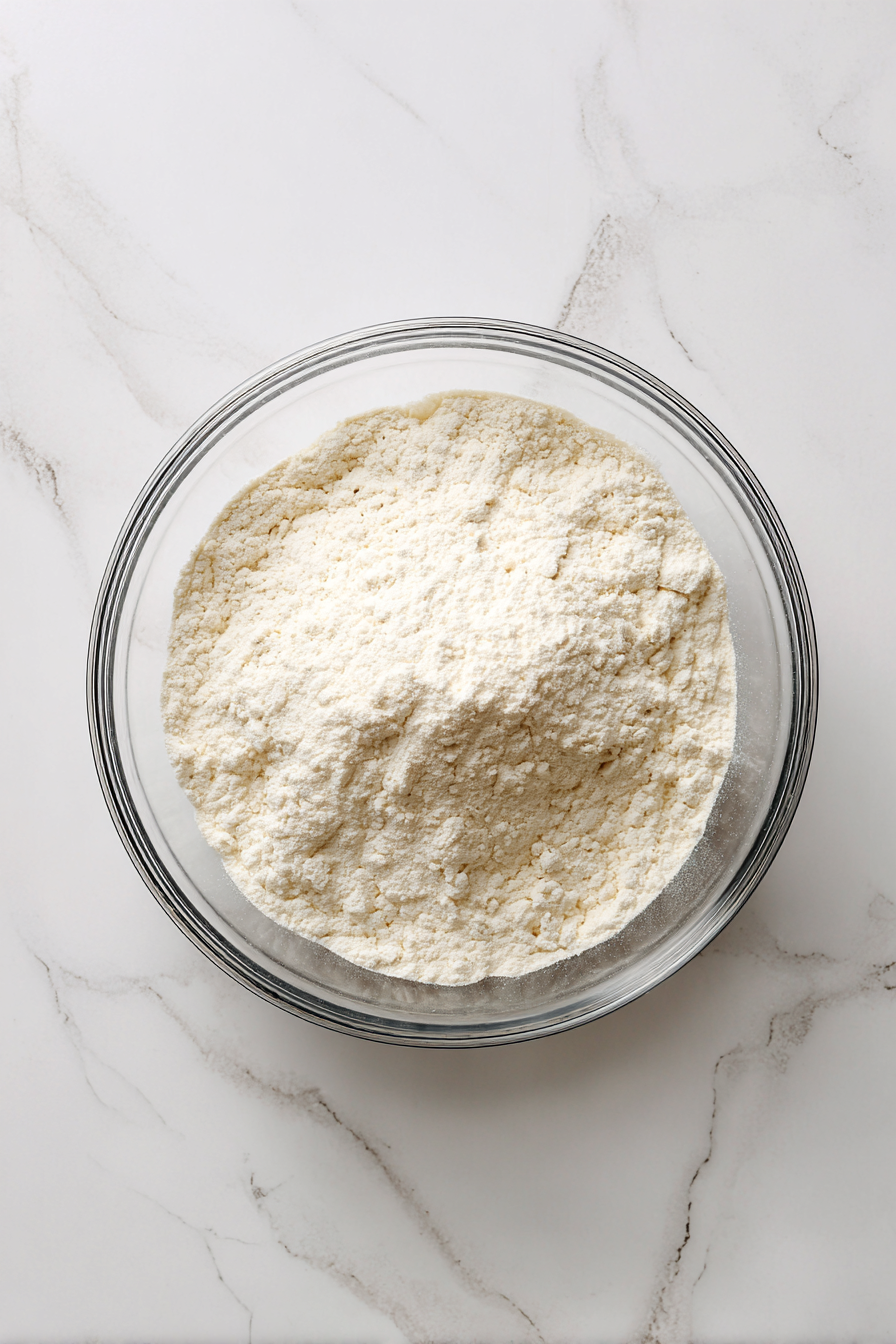
- Mix dough: Combine flour, sugar, salt, add yeast mixture, mix until dough forms.
- Knead dough: Knead until smooth, elastic.

- Chill dough: Wrap, refrigerate for at least 1 hour.

- Prepare butter: Pound cold butter into flat rectangle, chill.
- Laminate dough: Roll out dough, place butter, fold, roll, repeat 2 more times.

- Shape croissants: Roll out dough, cut into triangles, roll tightly.

- Proof: Let croissants rise until doubled in size.

- Bake: Until golden brown, about 15-20 minutes.
Notes
Instant yeast may be substituted. Rise time may need to be reduced by 10 to 15 minutes. You’ll know your dough is done rising when it has doubled in volume.
Nutrition
Calories: 300kcal | Carbohydrates: 30g | Protein: 10g | Fat: 5g | Fiber: 2g | Sugar: 15g
Common Mistakes to Avoid
- Warm Butter: Soft butter can blend into the dough instead of creating distinct laminated layers.
- Skipping Chilling: The dough needs adequate chilling between stages to remain workable.
- Uneven Rolling: Roll the dough evenly so the layers develop consistently throughout the croissants.
- Loose Shaping: Roll each triangle tightly enough to maintain its shape during proofing and baking.
- Underproofing: Croissants that have not risen sufficiently may bake up dense rather than light.
- Overproofing: Excessive proofing can weaken the dough and affect its ability to hold the laminated structure.
Creative Variations for Your Next Batch

- Almond Croissants: Fill baked croissants with almond cream and top with sliced almonds.
- Chocolate Croissants: Add chocolate pieces before rolling the dough into triangles.
- Ham and Cheese: Place a small amount of ham and cheese inside each triangle before shaping.
- Herb Butter: Incorporate fresh herbs into the butter for a savory variation.
- Cinnamon Sugar: Add a light cinnamon-sugar layer before shaping for a sweet breakfast pastry.
- Cheese Croissants: Add shredded Gruyère or another melting cheese before rolling.
- Plain Classic: Keep the recipe as written for traditional buttery croissants.
More Breakfast Recipes You’ll Enjoy
- Strawberry Banana Bread
- Smoothie Bowl
- Loaded Breakfast Hash
- Pumpkin Spice Pancakes
- Breakfast Burrito
Best Ways to Store Leftovers
- Room Temperature: Store baked croissants in an airtight container at room temperature for short-term storage.
- Refrigerator Storage: Refrigerate leftovers in a sealed container if they need to be kept longer.
- Reheating: Warm croissants in the oven to help restore some of their crisp exterior.
- Avoid Excess Moisture: Do not seal warm croissants in a container, as trapped steam can soften the pastry.
- Freshness Tip: For the best texture, serve homemade croissants as soon as practical after baking.
Frequently Asked Questions
- Why does croissant dough need to be laminated?
Lamination creates alternating layers of dough and butter. During baking, moisture in the butter turns to steam and helps separate those layers. - How do I know when the yeast is activated?
The yeast and warm milk should become visibly frothy after sitting. This indicates that the yeast is active and ready to use. - Why does the butter need to stay cold?
Cold butter is easier to maintain as a separate layer inside the dough. If it melts into the dough during rolling, the finished croissants may not develop distinct layers. - How do I know when croissants are properly proofed?
The shaped croissants should visibly increase in volume and reach approximately double their original size before baking. - Can I make the dough by hand?
Yes. The recipe only requires basic mixing and kneading before the dough is chilled and laminated. - Why are my croissants dense inside?
Insufficient proofing, excessive handling, or butter that became too warm during lamination can all affect the final interior structure. - What should the finished croissants look like?
They should be deeply golden on the outside with a baked, layered interior and a light pastry structure.



Simply delicious.
The perfect crunch.
This is just delicious.
Go for it.
Perfect as a side dish.
Go for it.