Goan Fish Curry Recipe
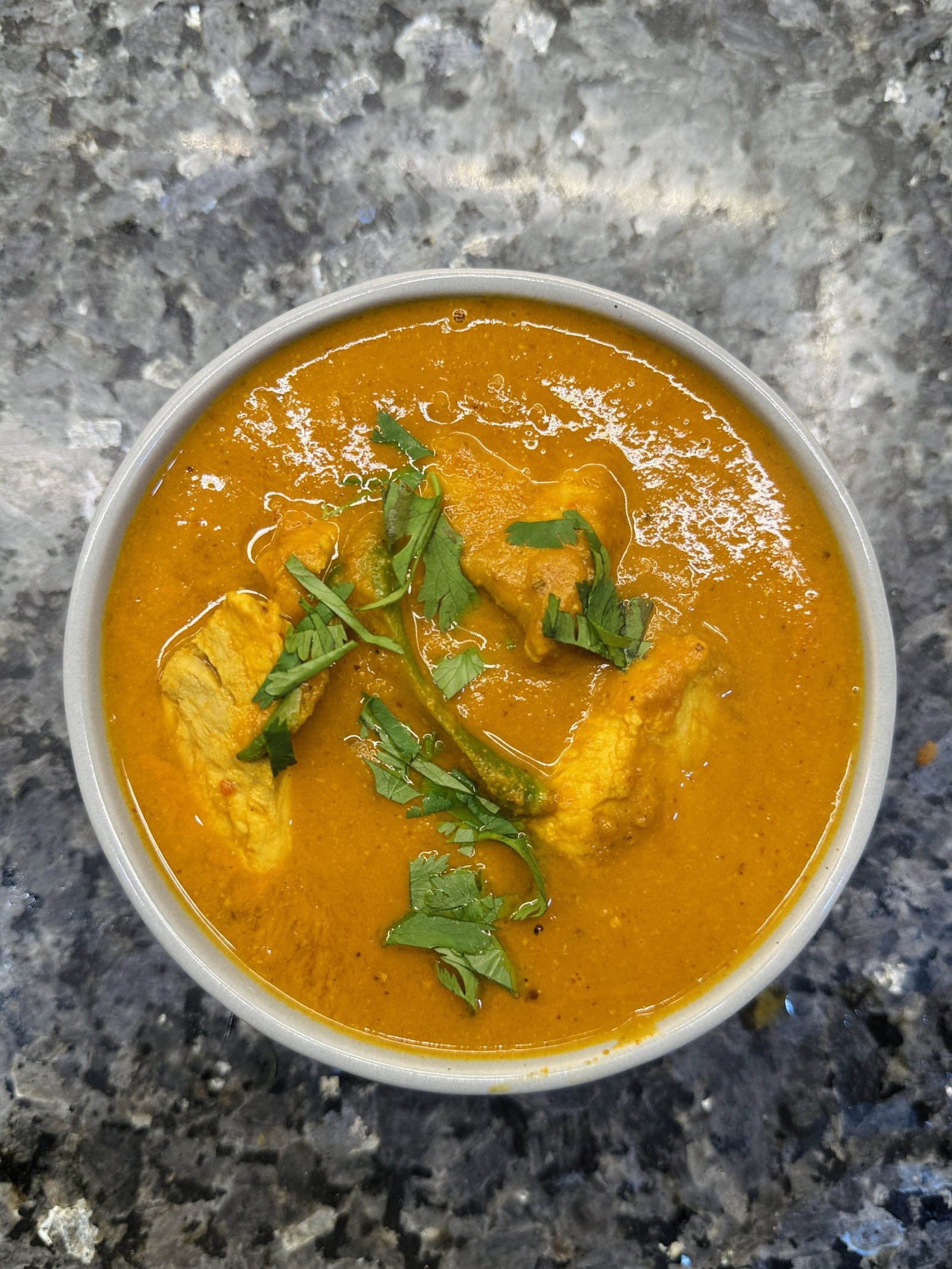
Goan Fish Curry is a vibrant dish bursting with tropical flavors and bold spices. It’s like a culinary adventure through the coastal streets of Goa, offering a refreshing yet satisfying depth with every bite.
This dish pairs beautifully with Garlic Naan and Cucumber Salad a perfect balance of hearty and fresh that amplifies the fish curry’s tangy, creamy flavors. These sides bring out the best in each other, making every meal feel like a celebration. Perfect for a family dinner or weekend gathering.
Why You’ll Love This Recipe
This recipe stands out for its bold yet balanced flavor. The coconut base smooths out the spices while tamarind and tomato bring a gentle tang that keeps every bite interesting.
It is also very practical. The curry cooks quickly, uses simple ingredients, and can easily be adjusted for spice level, making it suitable for both everyday meals and special occasions.
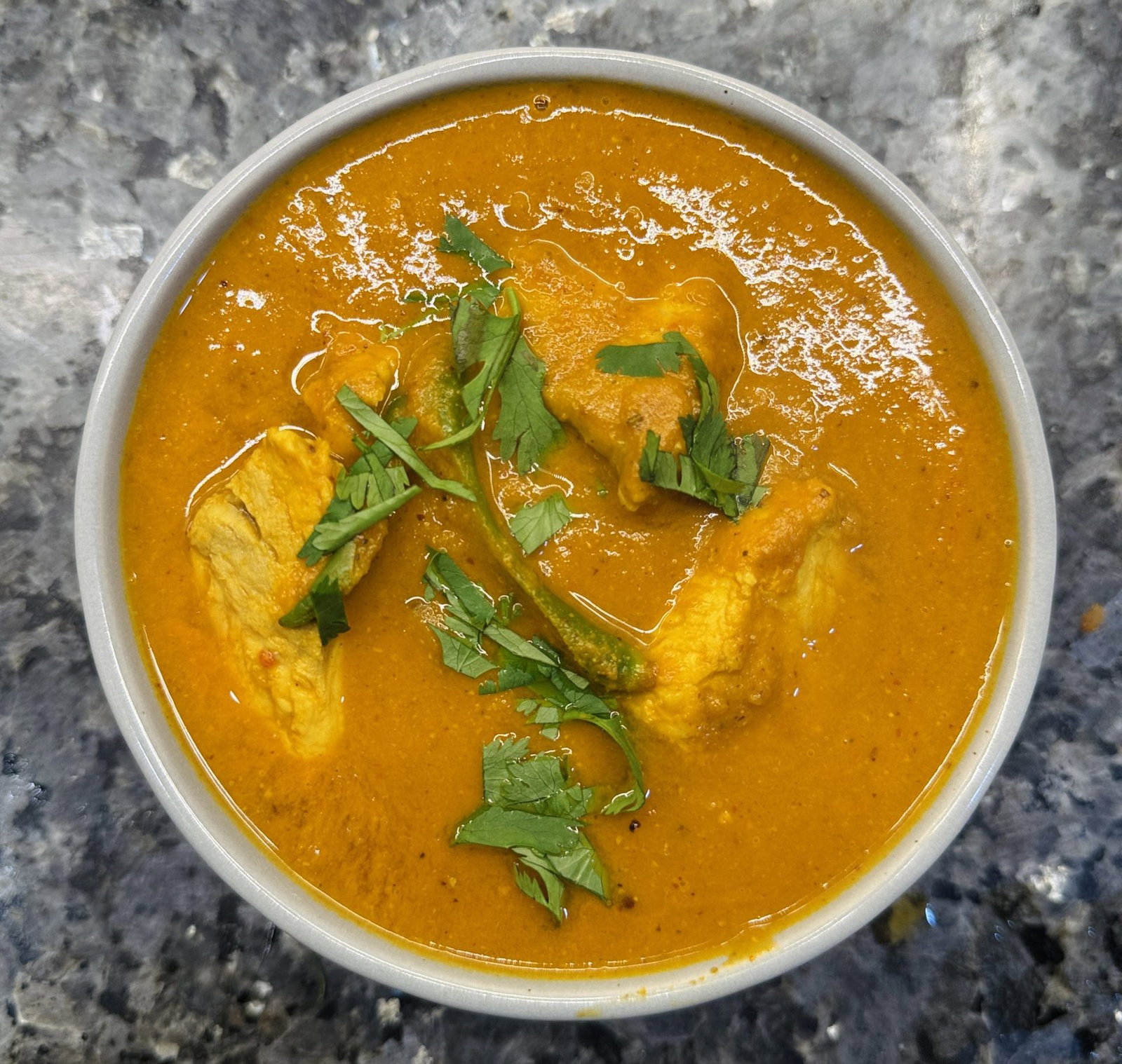
Goan Fish Curry Recipe
Equipment
- Blender stick
- Tall jug or milkshake container
Ingredients
Curry
- 1 tbsp tomato paste
- 3 tbsp vegetable oil
- 1.2 lbs firm-fleshed white fish
- 2 long green chillies
- ¼ tsp chilli powder
- 2 cut into half lengthwise and deseeded
- 1½ tsp sugar
- 1 tomato
- ½ tsp black mustard seeds
- ⅔ cup canned tomato pulp/polp
- ⅔ cup water
- ½ red onion
Curry paste
- 1 tsp turmeric
- 2½ tbsp Kashmiri chilli powder
- 2 tsp cumin
- 1 tbsp coriander
- ½ red onion chopped
- 2 tbsp tamarind puree
- 6 tbsp water
- 6 garlic cloves
- ⅜ tsp ground cloves
- 1 tbsp fresh ginger
- ½ tsp fenugreek powder
Garnish or Serving
- ¼ cup fresh coriander/cilantro leaves
- Basmati rice
- Finely sliced green chillies optional
Instructions
- To prepare the curry paste, combine all paste ingredients in a tall jug or milkshake container, then blend until smooth, adding water as needed.

- In a large pot, heat oil over medium heat and add black mustard seeds, letting them sizzle for 30 seconds.

- Stir in red onion and cook for 3 minutes until slightly golden.

- Add the curry paste, cooking for another 3 minutes to enhance the spices and remove excess water.

- Turn the heat up to medium-high, mix in tomato paste and tomato pulp, and cook for 2 minutes.

- Pour in water, coconut milk, sugar, salt, and chili powder if using, then bring to a gentle simmer.

- Stir in the fish and let it cook for 3 to 4 minutes until it flakes easily.

- Remove from heat, garnish with fresh coriander and green chilies, and serve.
Notes
- For a less spicy version, substitute Kashmiri chili powder with smoked paprika and omit additional chili powder.
- Tamarind puree can be replaced with a mix of tomato ketchup and white vinegar for a similar tangy depth.
- Full-fat coconut milk gives the best flavor and thickness; if unavailable, use evaporated milk or cream.
- Firm white fish like snapper, cod, or barramundi works best, while oily or overly delicate fish should be avoided.
Nutrition
Nutrition Facts (Approx. per serving, 4 servings)
| Nutrition | Value |
| Calories | 320kcal |
| Carbohydrates | 18g |
| Fibre | 3g |
| Fat | 14g |
| Protein | 30g |
Common Mistakes to Avoid
- Fish Breaking Apart: Cook gently without stirring too much.
- Curry Too Thin: Simmer longer to reduce.
- Raw Spice Taste: Cook paste properly before adding liquid.
- Overcooked Fish: Cook only until it flakes.
- Too Sour: Balance with a little sugar.
- Too Spicy: Reduce chili powder or chillies.
Cooking Tips and Tricks
- Blend Paste Smoothly: Ensures rich texture.
- Toast Spices Well: Enhances flavor depth.
- Use Fresh Fish: Improves taste and texture.
- Simmer Gently: Keeps fish tender.
- Add Fish Last: Prevents overcooking.
- Garnish Fresh: Adds brightness before serving.
Delicious Variations You Should Not Miss
This curry can be adjusted easily depending on your taste and available ingredients.
- Prawn Version: replace fish with prawns
- Vegetable Version: use potatoes or cauliflower
- Extra Coconut Flavor: add more coconut milk
- Spicy Version: increase green chillies
- Mild Version: reduce chili and use paprika
- Coconut Cream Version: use thicker coconut cream
- Curry Leaf Twist: add fresh curry leaves
- Lemon Finish: add lemon juice before serving
What To Pair With This Recipe?
Best Make-Ahead and Storage Tips
- Fridge Storage: Store for up to 2 days
- Freezer Friendly: Freeze curry without fish
- Reheat Tip: Warm gently to avoid breaking fish
- Make Ahead: Prepare curry base in advance
- Freshness Tip: Add fish fresh when reheating
Frequently Asked Questions
- Can I make this ahead for guests?
Yes, prepare the curry base in advance. - What does it taste like?
It is rich, tangy, and mildly spicy with a creamy finish. - Can kids enjoy this too?
Yes, reduce the spice for a milder version. - Which fish works best?
Firm white fish like cod or snapper works best. - Can I make it without coconut?
Yes, but the flavor will change slightly. - Is this very spicy?
It is moderately spicy but adjustable. - Can I use frozen fish?
Yes, thaw completely before cooking. - What can I serve it with?
Steamed rice pairs best. - Can I add vegetables?
Yes, potatoes or okra work well. - How do I thicken the curry?
Simmer longer or add a little coconut cream.

Hi, I’m Austin. Every recipe you’ll find here is carefully tested, photographed, and created to help you cook with confidence…..
know more