Oat Bread Recipe
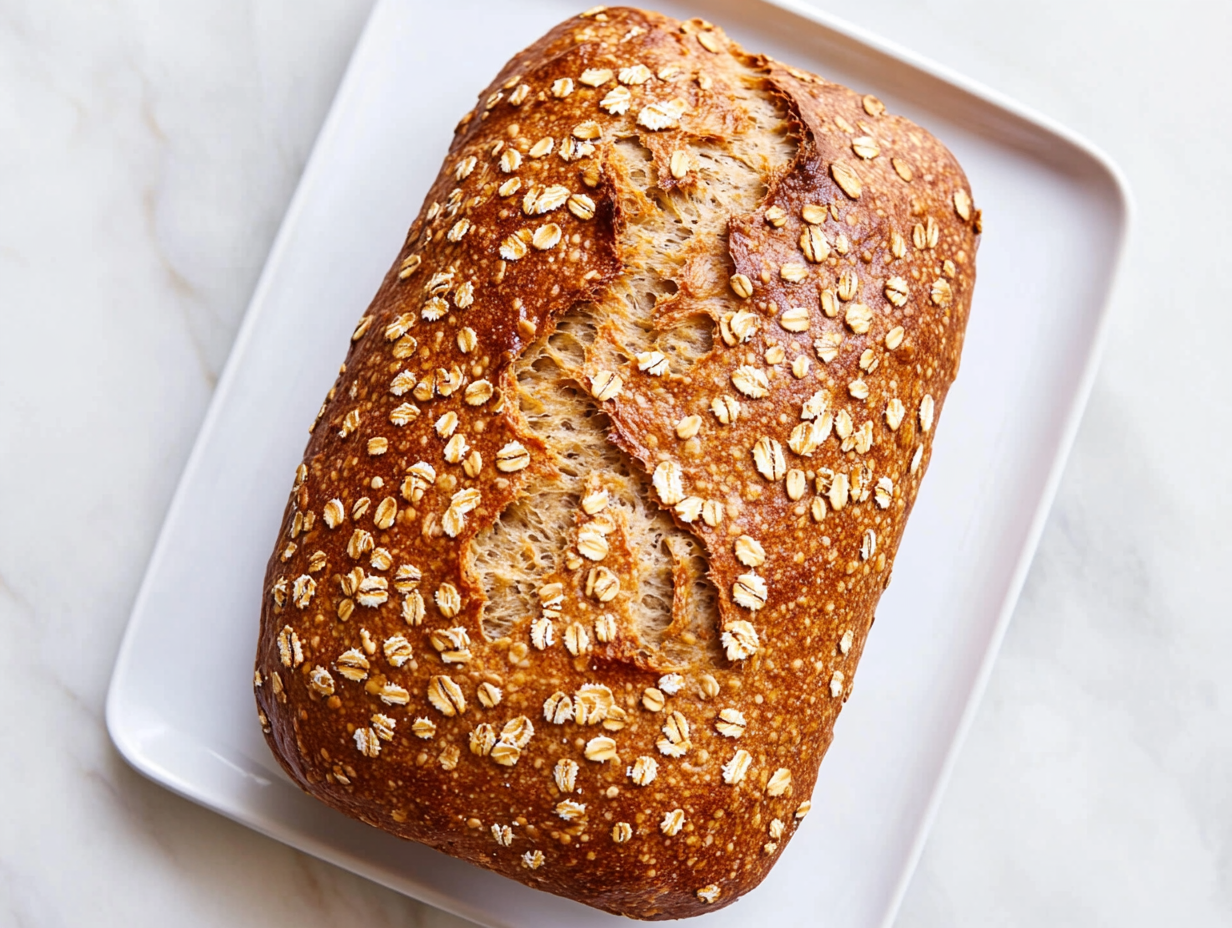
If you’re seeking a bread that’s both delightful and nutritious, this Delicious Oat Bread Recipe is your answer. With its irresistible texture and health benefits, oat bread turns a simple sandwich into a hearty meal and breakfast toast into a gourmet treat.
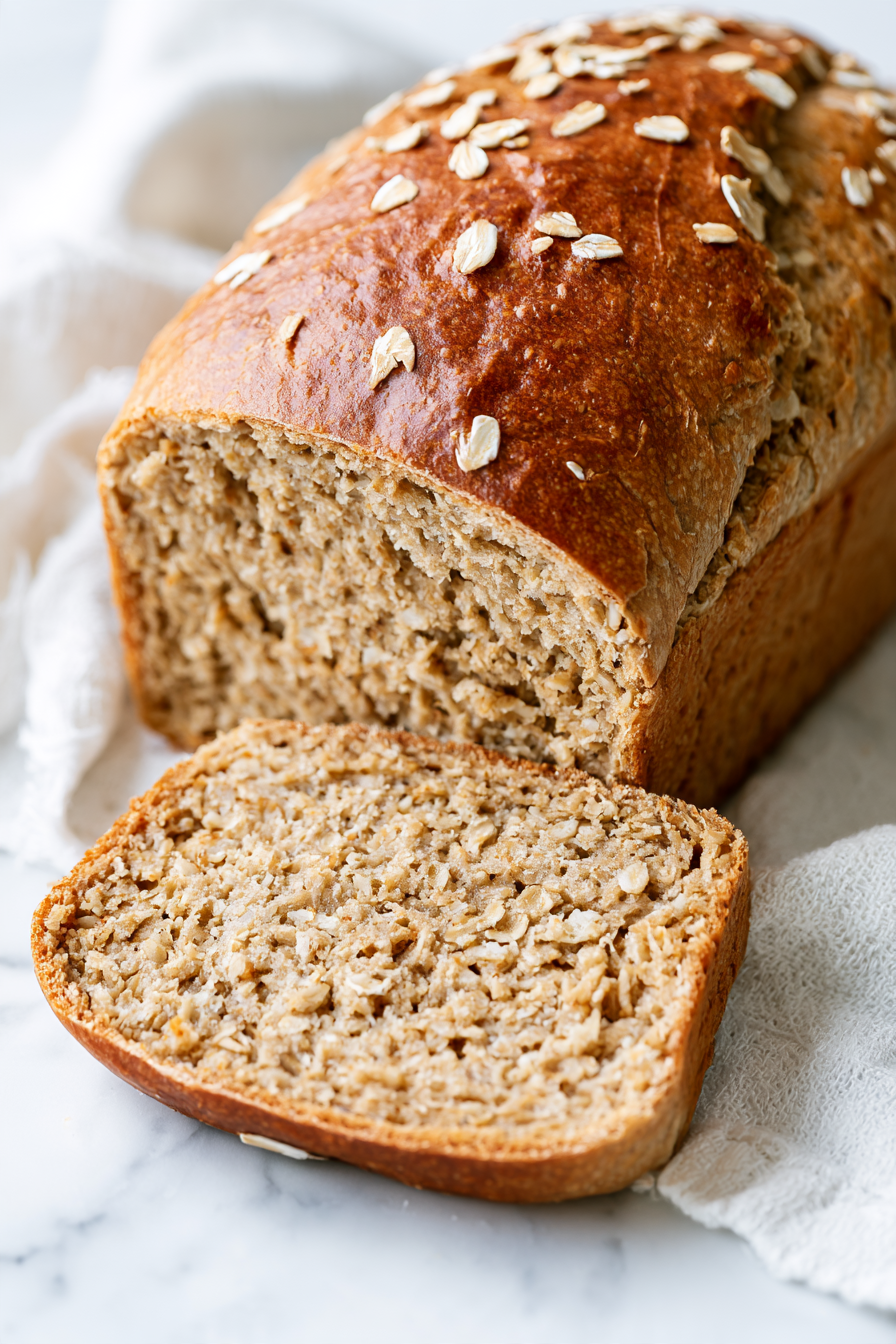
This Healthy Oat Bread is a hearty homemade loaf made with rolled oats, whole wheat flour, yeast, and a touch of honey. It has a slightly nutty flavor, a tender crumb, and a wholesome texture that makes it delicious for everyday toast and sandwiches.
I love how simple the ingredients are, especially when you want homemade bread without complicated techniques. Serve a slice warm with butter, spread it with peanut butter and honey, or use it to make your favorite breakfast sandwich.
Why I Love This Recipe?
- Nutritional Boost: This bread is packed with fiber and whole grains, making it a heart-healthy option that fits seamlessly into a balanced diet.
- Versatile Flavor: Whether toasted or fresh, it pairs wonderfully with everything from sweet spreads to savory toppings.
- Ease of Preparation: With simple ingredients and straightforward steps, it’s perfect for both beginner and experienced bakers.
- Personal Favorite: I’ve experimented with this recipe over the years, tweaking it to suit different tastes and discovering how it elevates even the simplest of meals.
Ingredient Breakdown
1. Rolled oats: One cup adds texture, fiber, and a mild nutty flavor. Old-fashioned rolled oats work well because they retain some texture in the finished bread.
2. Whole wheat flour: Two cups provide the structure and hearty flavor. Whole wheat flour absorbs more moisture than all-purpose flour, so the dough may feel slightly denser.
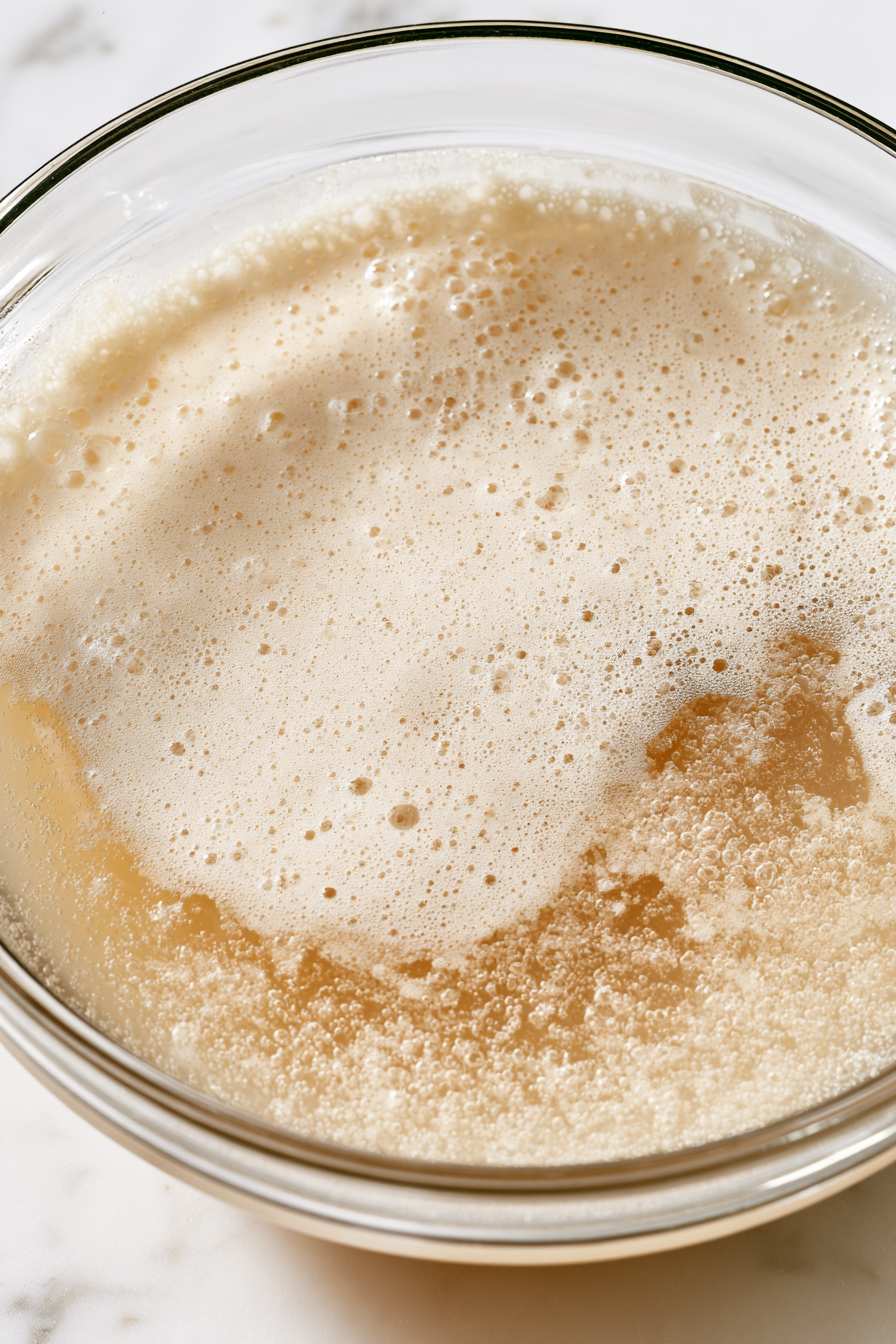
3. Active dry yeast: Two teaspoons help the dough rise and create a lighter loaf. Make sure the yeast becomes foamy after activation.
4. Salt: One teaspoon balances the honey and brings out the flavor of the oats and flour.
5. Warm water: One cup hydrates the flour and activates the yeast. Keep it around 105–110°F so it is warm but not hot.
6. Honey: Two tablespoons provide mild sweetness and help feed the yeast during activation.
7. Olive oil: One tablespoon adds moisture and helps keep the bread tender.
Pro Tip: Whole wheat dough can feel slightly tacky while kneading. Resist the temptation to add too much extra flour. A soft, slightly sticky dough usually produces a more tender loaf.
Healthy Oat Bread Recipe
Equipment
- 9×5-inch loaf pan
- Large mixing bowl
- Small Bowl
- Clean kitchen towel
- Wire rack
Ingredients
- 1 cup rolled oats
- 2 cups whole wheat flour
- 2 teaspoons active dry yeast
- 1 teaspoon salt
- 1 cup warm water about 105–110°F
- 2 tablespoons honey
- 1 tablespoon olive oil
Instructions
- Activate the yeast: Stir the warm water and honey together in a small bowl. Sprinkle in the yeast and let stand for 5–10 minutes, until foamy.
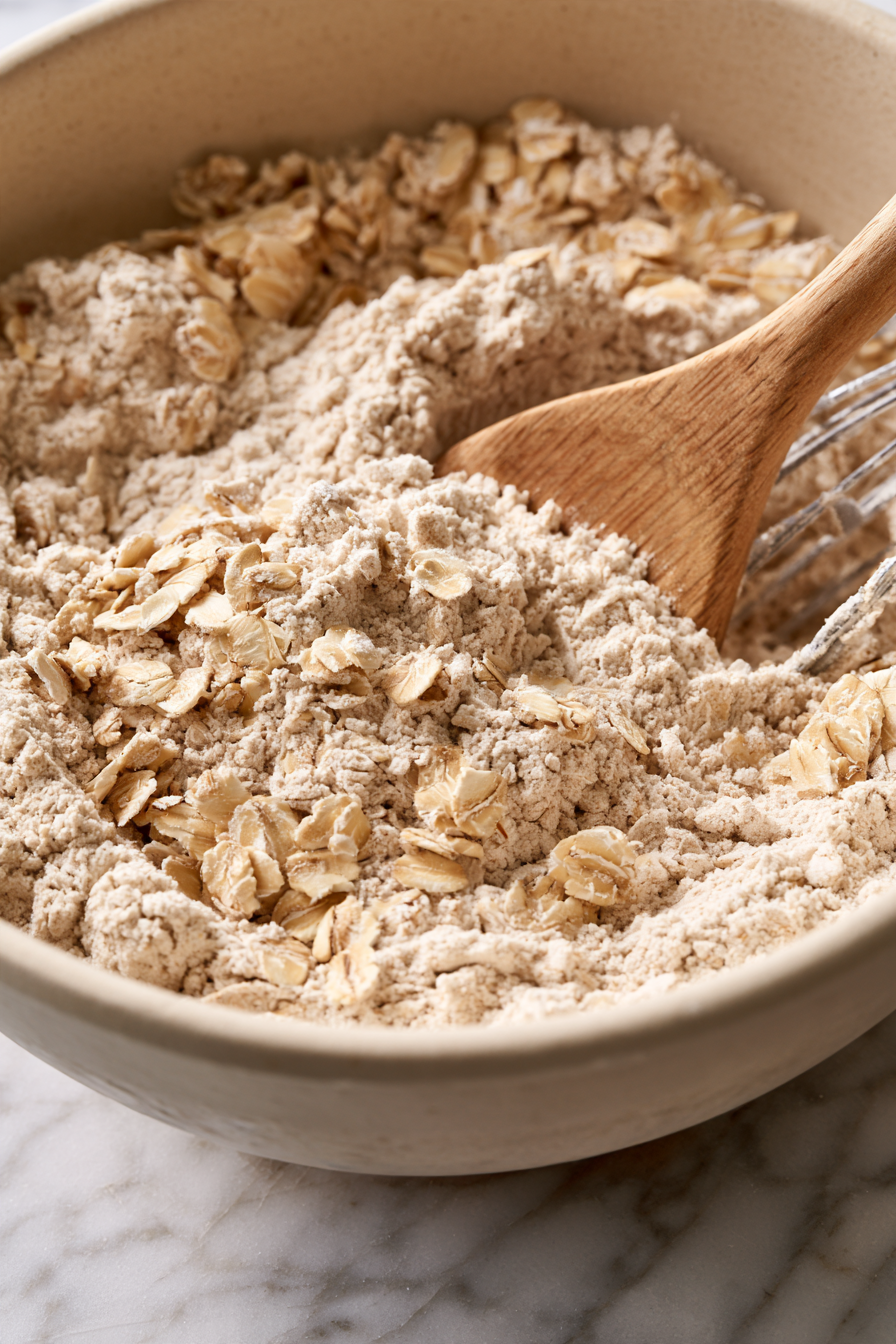
- Combine the dry ingredients: In a large bowl, whisk together the oats, flour, and salt.
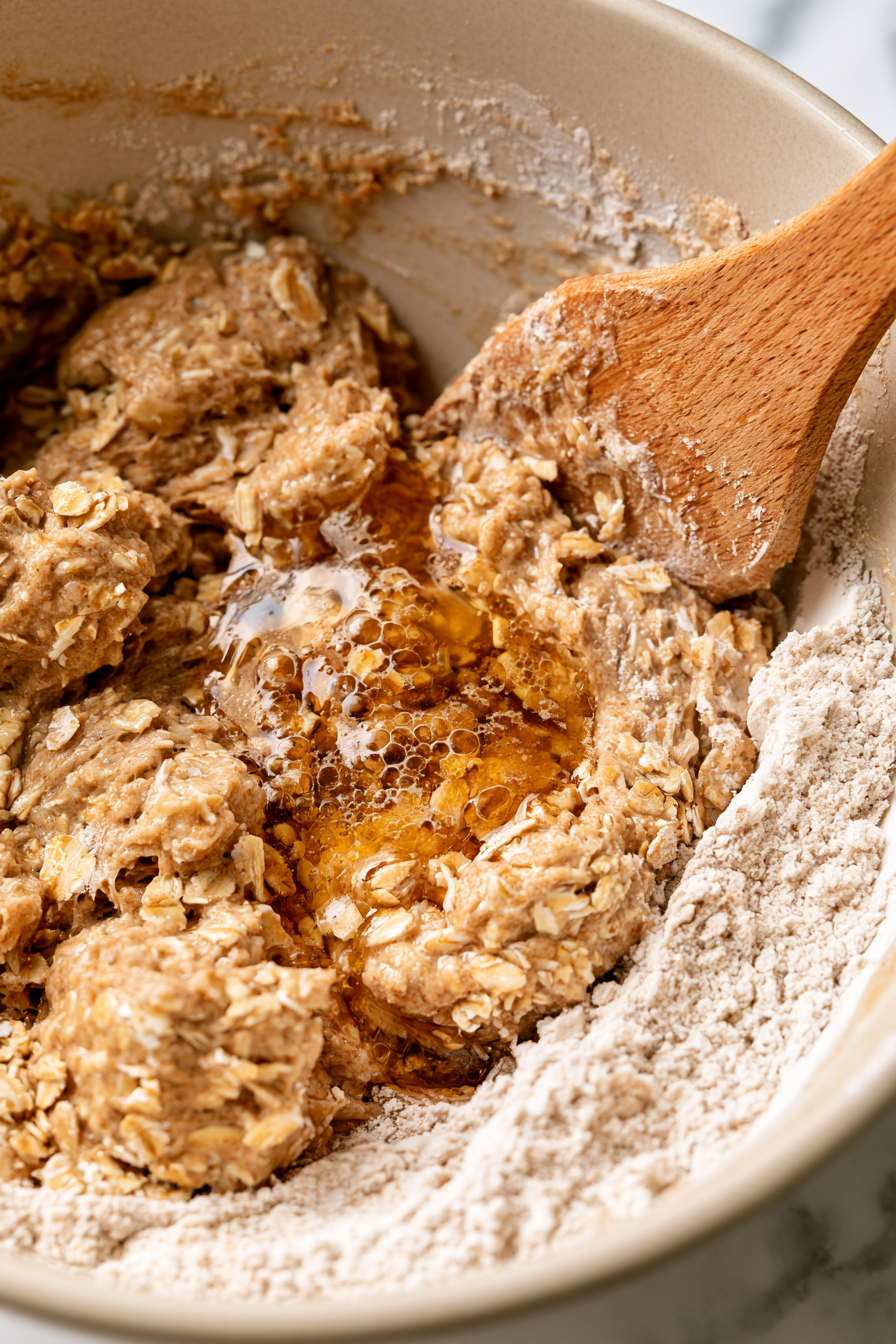
- Make the dough: Pour the yeast mixture and olive oil into the dry ingredients. Stir until a shaggy dough forms.
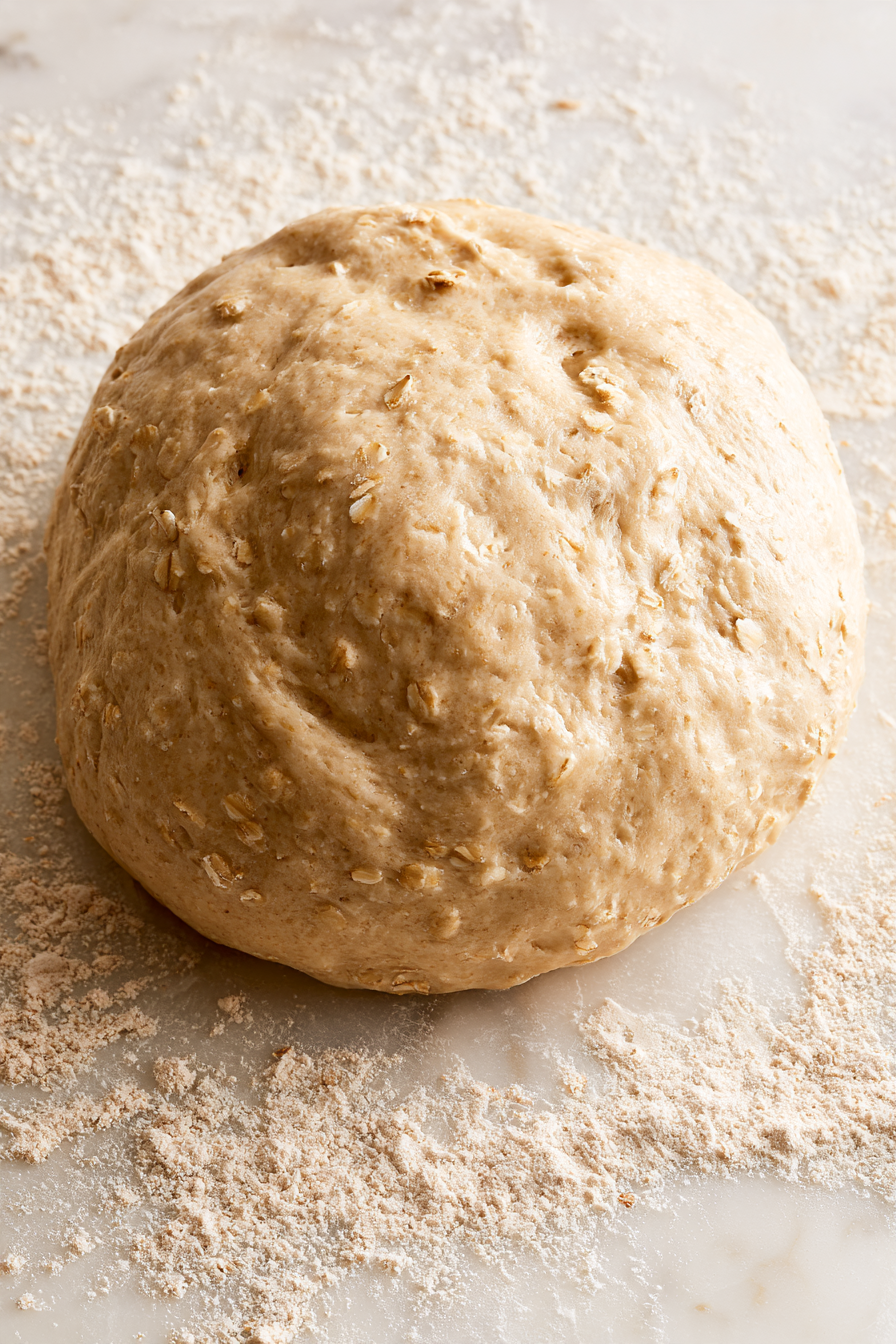
- Knead: Transfer the dough to a lightly floured surface and knead for 5–7 minutes, until smooth and elastic.
- Let it rise: Place the dough in a lightly greased bowl, cover, and let rise in a warm, draft-free spot for about 1 hour, or until doubled in size.
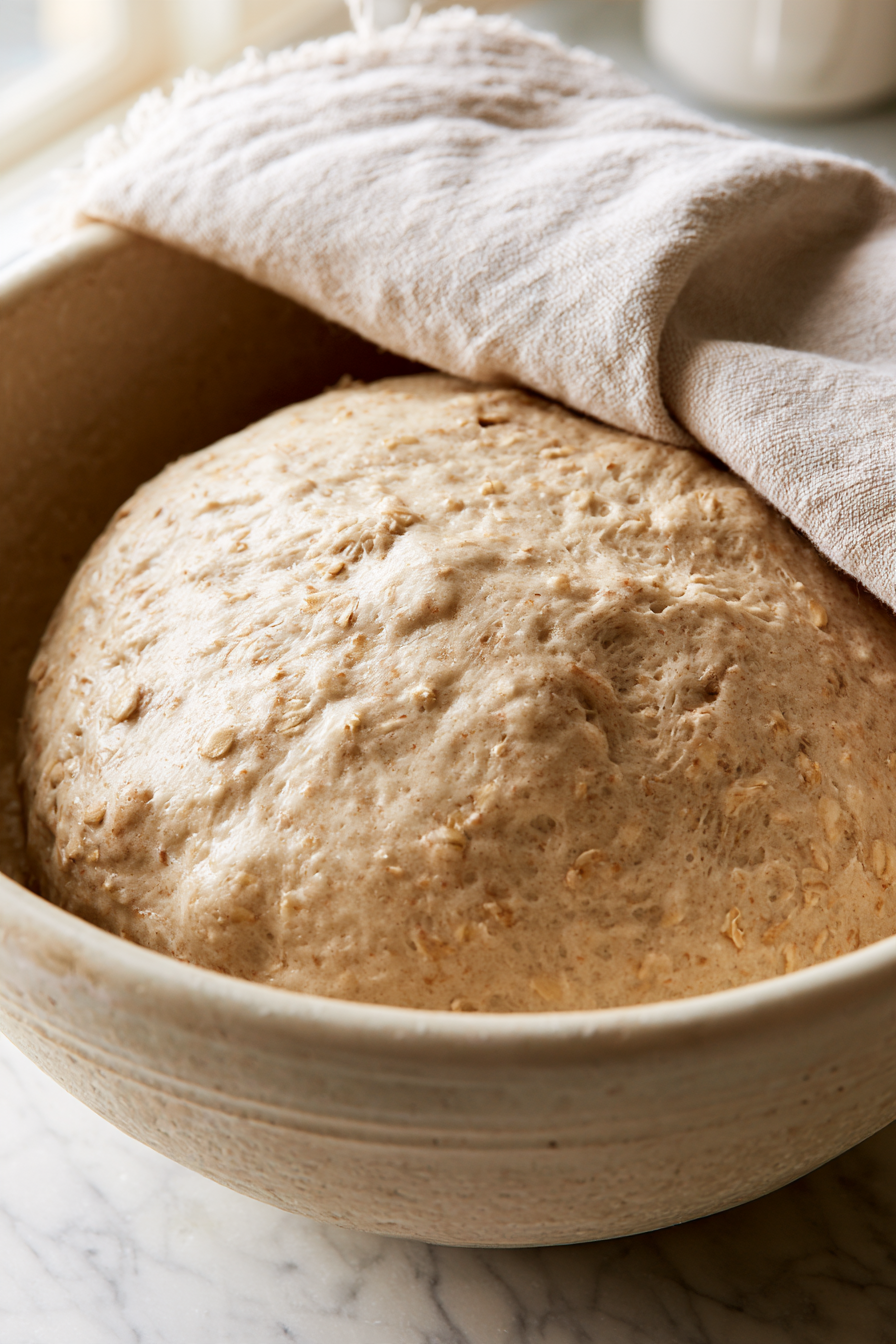
- Shape the loaf: Grease a 9×5-inch loaf pan. Punch down the dough, shape it into a loaf, and place it in the pan. Cover and let rise for another 20–30 minutes.
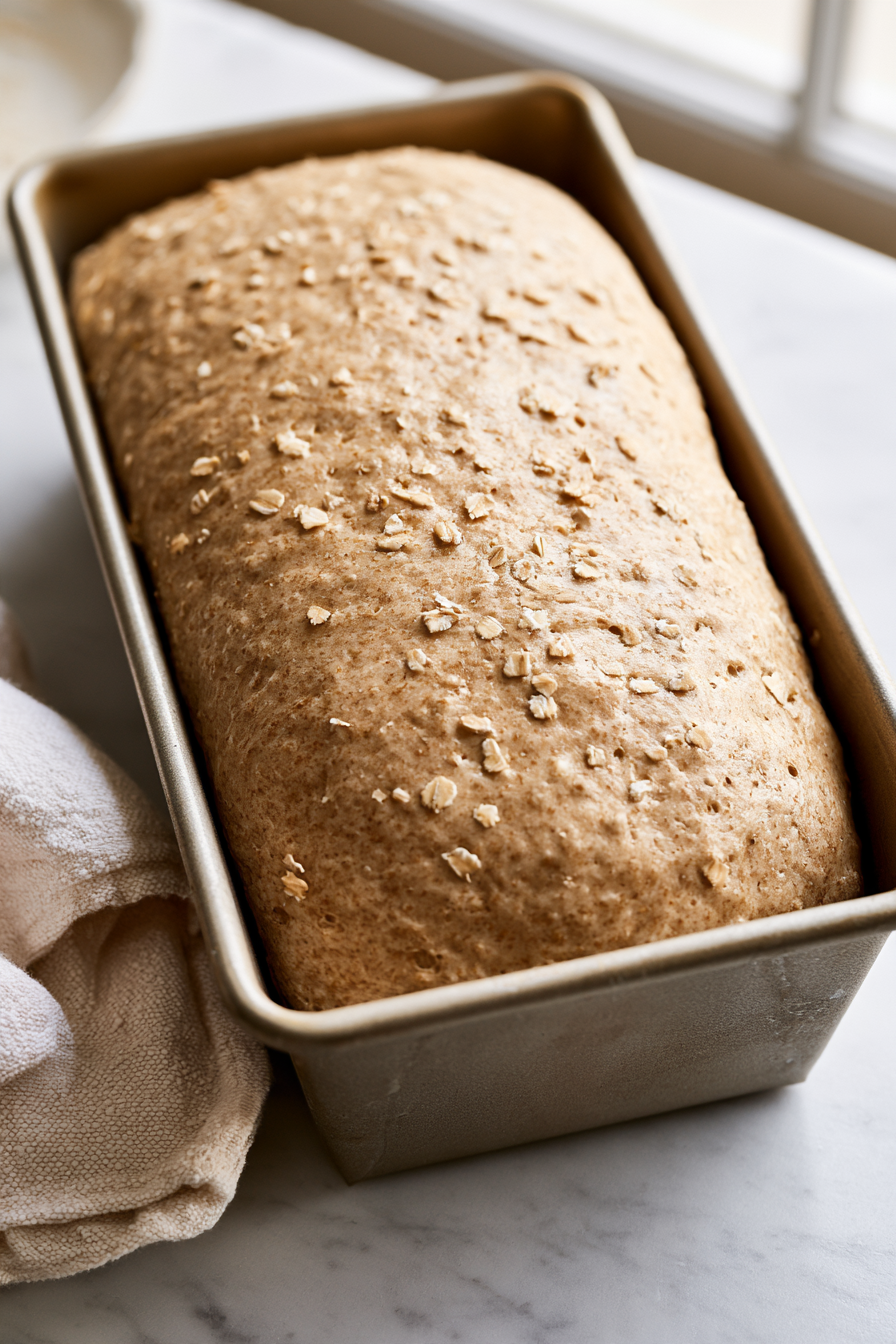
- Bake: Meanwhile, heat the oven to 375°F. Bake the bread for 30–35 minutes, until golden brown and the loaf sounds hollow when tapped.
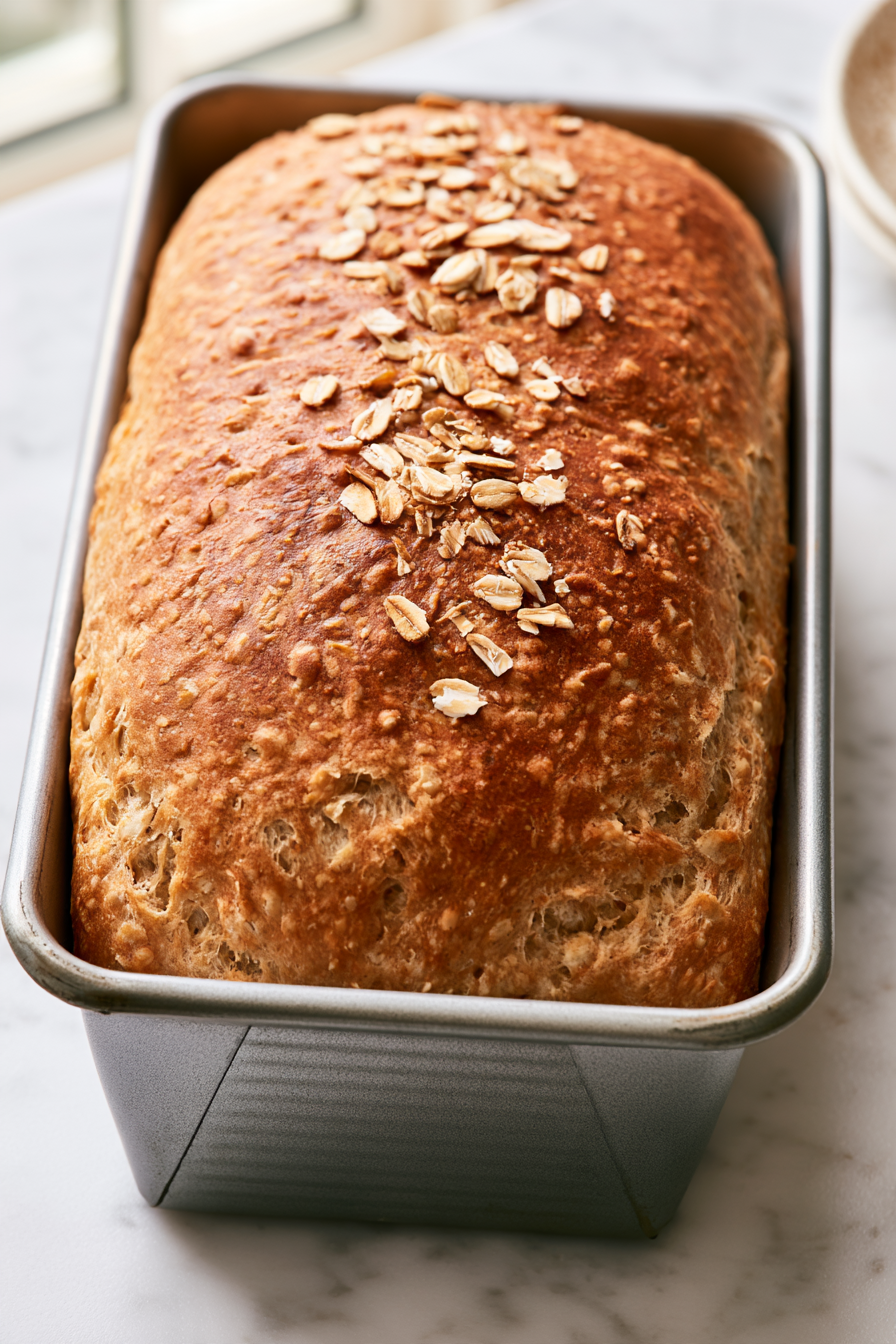
- Cool: Let the bread cool in the pan for 5–10 minutes, then transfer it to a wire rack. Cool completely before slicing.
Notes
- The dough should be soft and slightly tacky but not wet. Add a little flour if necessary while kneading.
- Let the loaf cool completely before slicing so the crumb can finish setting.
- Whole wheat flour gives the bread a heartier texture; all-purpose flour can be substituted for a softer loaf.
- For extra oat flavor, sprinkle a few rolled oats over the loaf before baking.
Nutrition
Per slice, based on 10 slices.
| Nutrient | Amount |
|---|---|
| Calories | 145 kcal |
| Carbohydrates | 26g |
| Protein | 5g |
| Fat | 3g |
| Fiber | 4g |
| Sugar | 3g |
| Sodium | 235mg |
Bread Baking SOS: Fixing Common Issues
- Dough isn’t rising: Your yeast may be inactive, or the room may be too cold. Check that the yeast becomes foamy during activation.
- Bread is too dense: The dough may not have risen enough. Allow it to double during the first rise before shaping.
- Dough feels too sticky: Add a little flour while kneading, but avoid adding too much at once.
- Crust is browning too quickly: Check the loaf during baking and loosely cover it with foil if the top becomes too dark.
- Bread has a gummy center: It may need more baking time or additional cooling before slicing.
- Loaf doesn’t hold its shape: Make sure the dough is kneaded until smooth and shaped firmly before placing it in the pan.
Mix-Ins & Flavor Ideas
- Seeded oat bread: Add sunflower seeds, pumpkin seeds, or sesame seeds for extra crunch.
- Cinnamon oat bread: Add ground cinnamon for a warmer flavor that pairs well with breakfast spreads.
- Nutty oat bread: Fold in chopped walnuts or almonds for additional texture.
- Extra oat topping: Brush the loaf lightly with water and sprinkle rolled oats over the top before baking.
- Softer oat bread: Replace the whole wheat flour with all-purpose flour for a lighter texture.
- Dried fruit bread: Add raisins or chopped dried cranberries for a slightly sweeter loaf.
What to serve with Oat Bread?
Storage
- Room temperature: Store the completely cooled loaf in an airtight container or bread bag for up to 3 days.
- Refrigeration: Refrigeration can make homemade bread dry out faster, so room-temperature storage is preferable for short-term use.
- Freezing whole: Wrap the cooled loaf tightly and freeze for up to 3 months.
- Freezing slices: Slice the bread before freezing so you can remove only what you need.
- Thawing: Let frozen slices thaw at room temperature or toast them directly from frozen.
Frequently Asked Questions
1. Can I make Healthy Oat Bread without a stand mixer?
Yes. This recipe can be prepared by hand using a large mixing bowl and a lightly floured work surface. Knead the dough for 5–7 minutes until smooth and elastic.
2. Do I need to soak the rolled oats before making the dough?
No. The rolled oats are added directly to the dry ingredients in this recipe. They soften as the dough hydrates and the bread bakes.
3. Why is my homemade oat bread crumbly?
Crumbly bread can result from too much flour, insufficient kneading, or not enough moisture. Measure the flour carefully and keep the dough slightly tacky.
4. Can I use quick oats instead of rolled oats?
You can, but quick oats have a finer texture and may blend into the dough more than rolled oats. The finished loaf may have a slightly different texture.
5. Why does my bread need two rises?
The first rise allows the dough to expand and develop flavor. The second rise helps the shaped loaf become lighter before baking.
6. Can I make this bread in a bread machine?
The ingredients are suitable for a bread-machine-style loaf, but the kneading and rising times may differ depending on your machine. Follow its whole wheat bread instructions and check the dough consistency during mixing.
7. How do I get evenly sliced homemade bread?
Cool the loaf completely before cutting. Use a sharp serrated bread knife and gentle sawing motions to avoid squashing the slices.
8. Is this oat bread suitable for sandwiches?
Yes. Its hearty but tender texture makes it suitable for everyday sandwiches, toast, and breakfast slices.