
Cozy Japanese Pork Curry Recipe
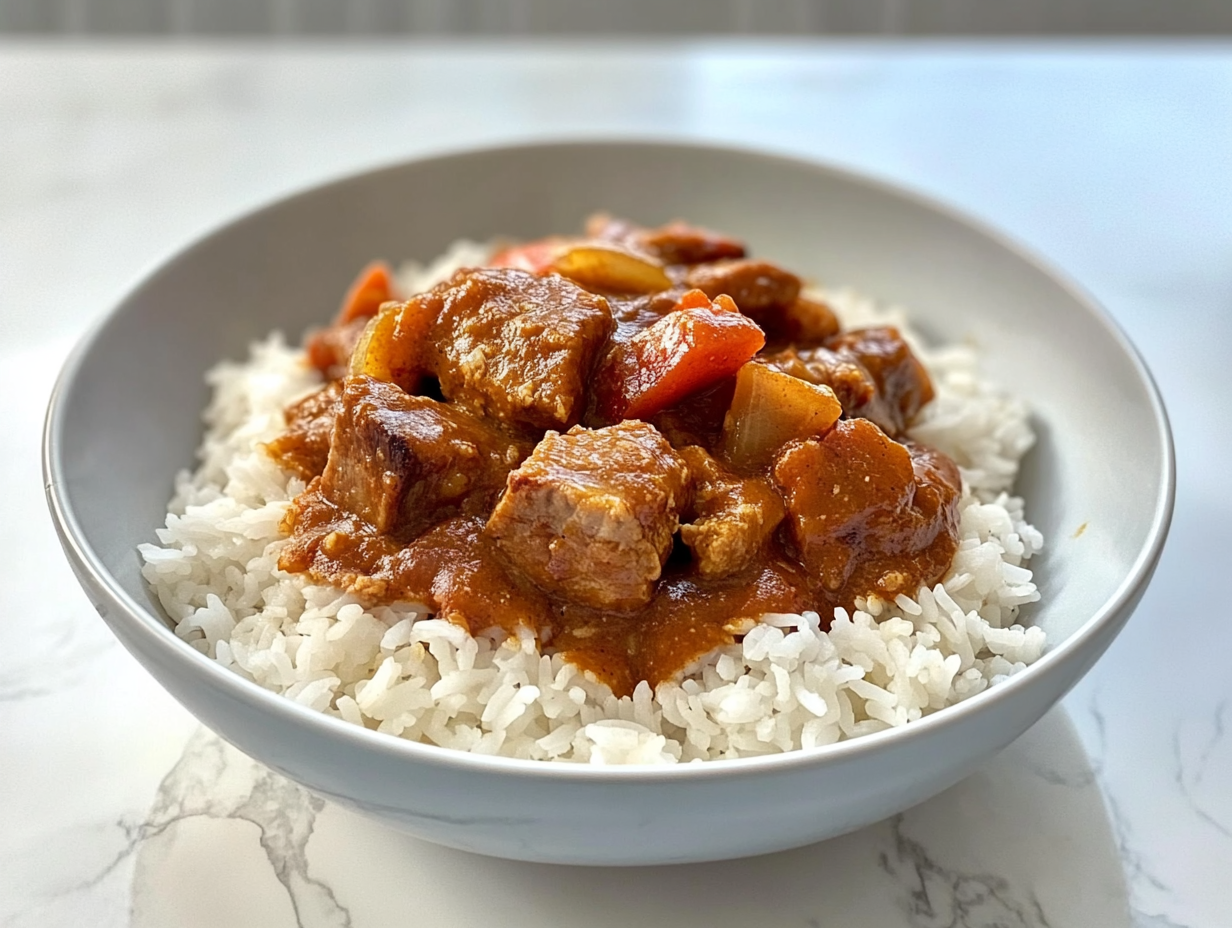
There’s something especially comforting about Japanese pork curry on a cold evening.
I first fell in love with Japanese curry during a quiet autumn trip to Kyoto. I still remember stepping into a tiny diner while the smell of simmering curry filled the room, rich, slightly sweet, and impossible to forget.
Ever since then, I’ve been trying to recreate that same feeling at home. This version keeps everything I loved most about that first bowl: the velvety sauce, the gentle spice, and the kind of warmth that makes dinner feel slower and calmer.
What Makes Japanese Curry So Comforting
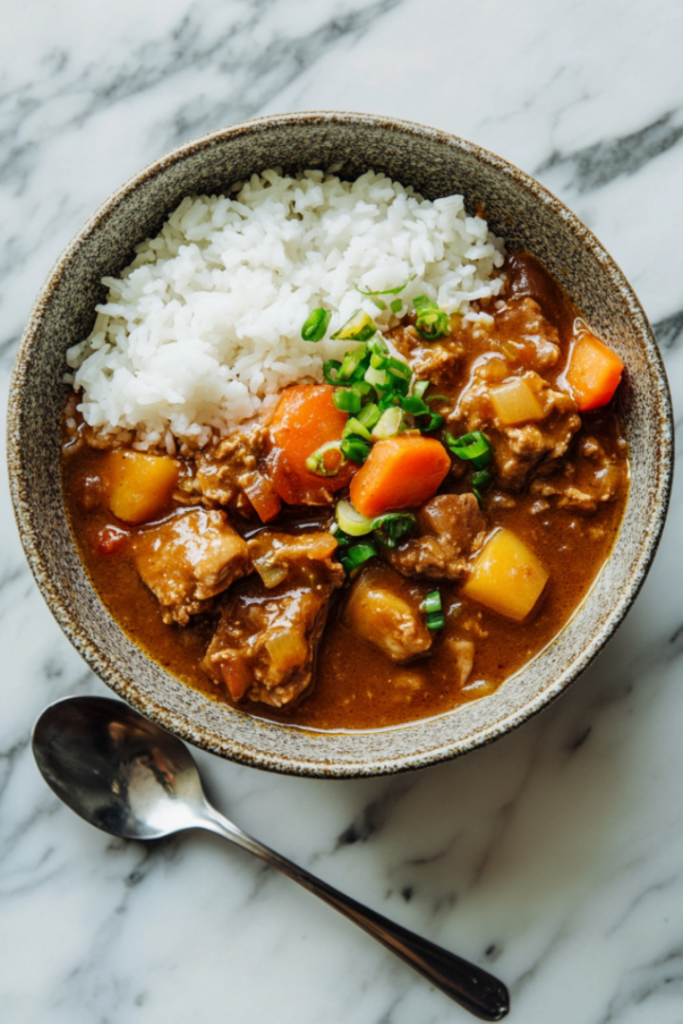
Japanese curry has a completely different kind of warmth compared to many other curries.
Instead of being intensely spicy, it leans mellow, rich, and slightly sweet, with a thick sauce that coats the rice in the most comforting way possible.
The slow-cooked onions, tender pork, soft potatoes, and deep curry flavor all come together into something that feels filling without being heavy.
Savory Japanese Pork Curry
Equipment
- Cutting Board and Knife
- Pot
- Ladle or spoon
Ingredients
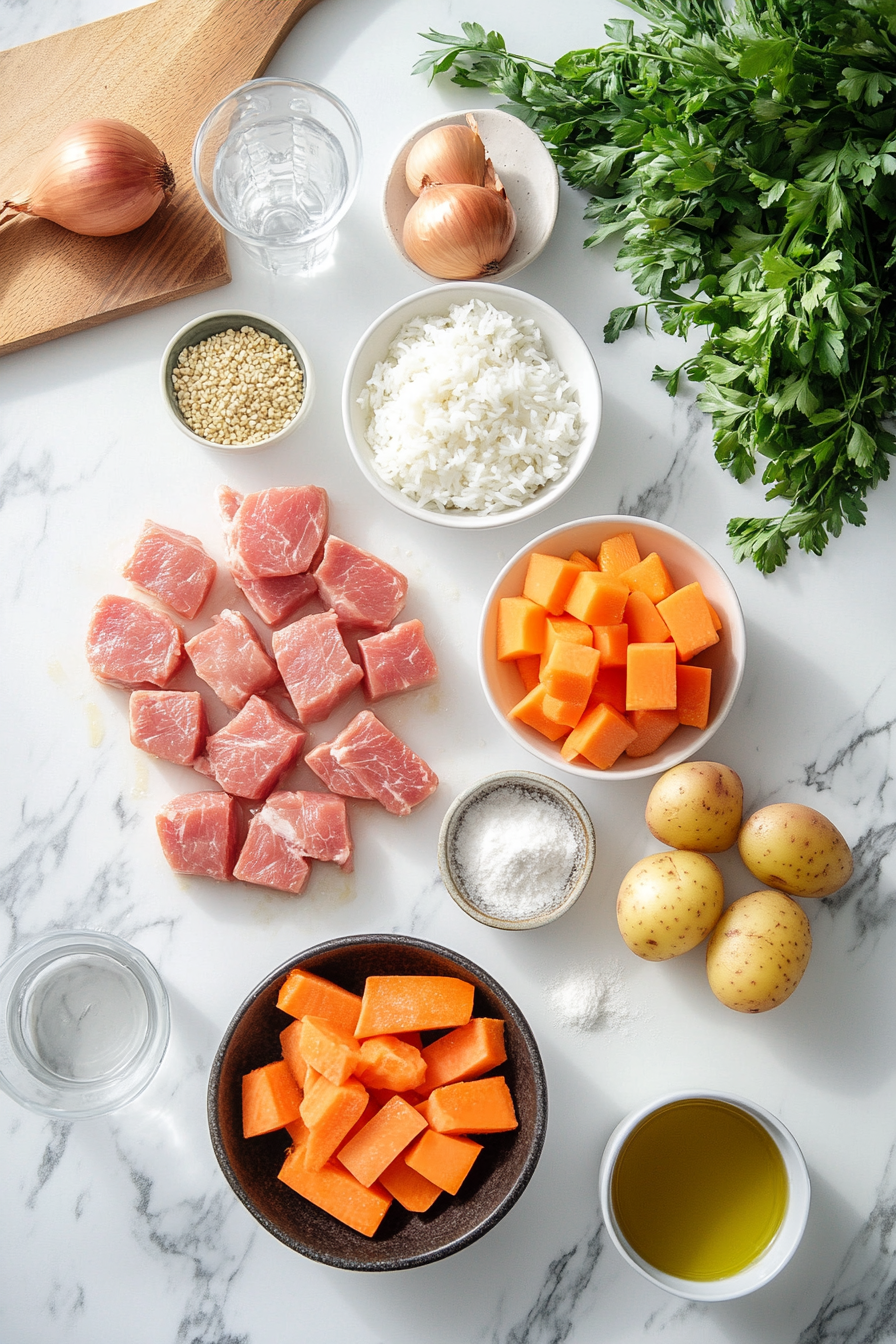
- 2-3 boneless porkchop, cubed
- 1/4 large onion, cubed
- 1 tsp oil
- 3 cups water
- 2 medium size carrots, cut into big chunks
- 1 medium size potato, cut into big chunks
- Half a box of Japanese curry sauce
- Cooked rice
Instructions
- Cut vegetables and pork into bite-size cubes.
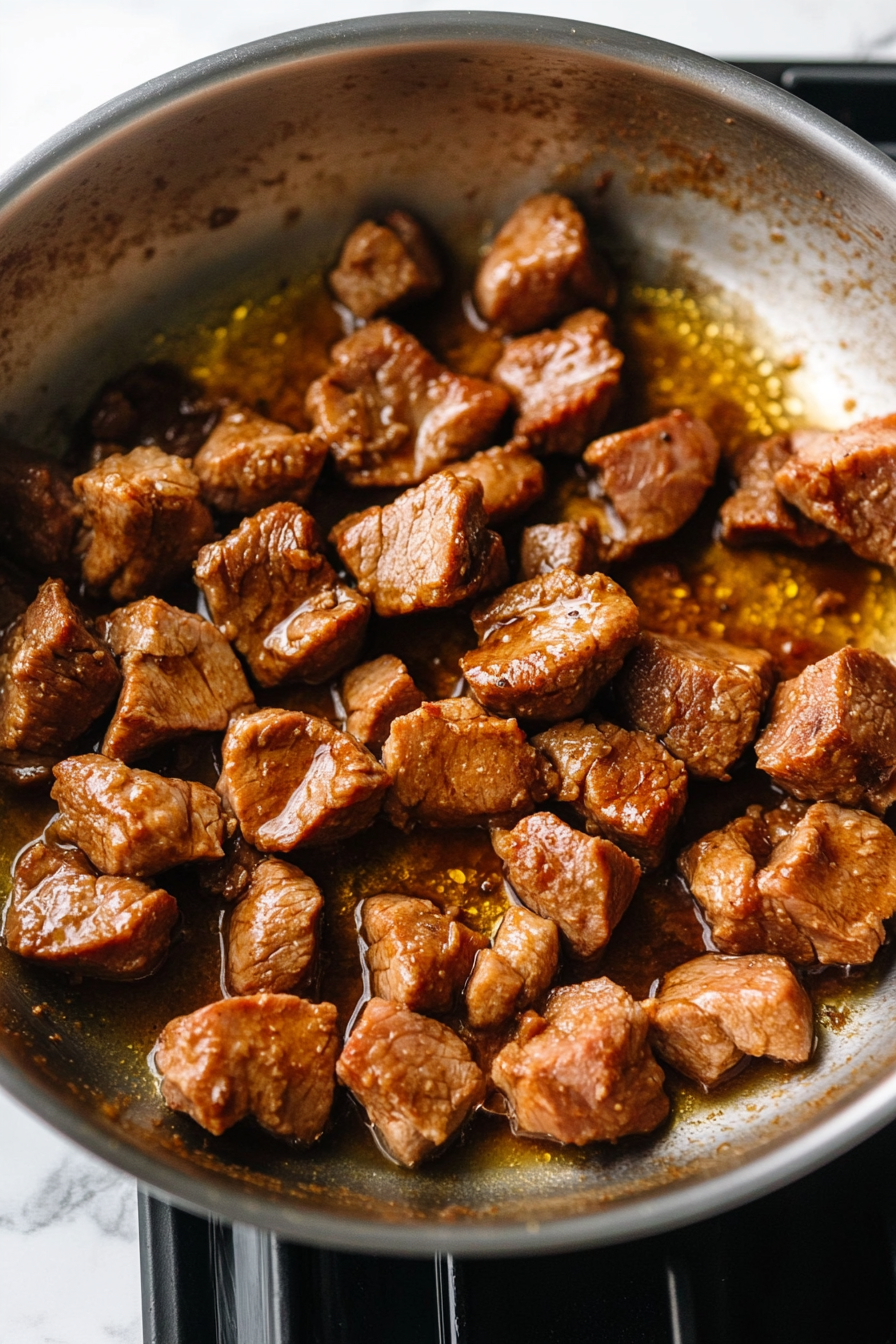
- Brown the pork in a pot.
- Add vegetables and water, then boil until potatoes are tender.
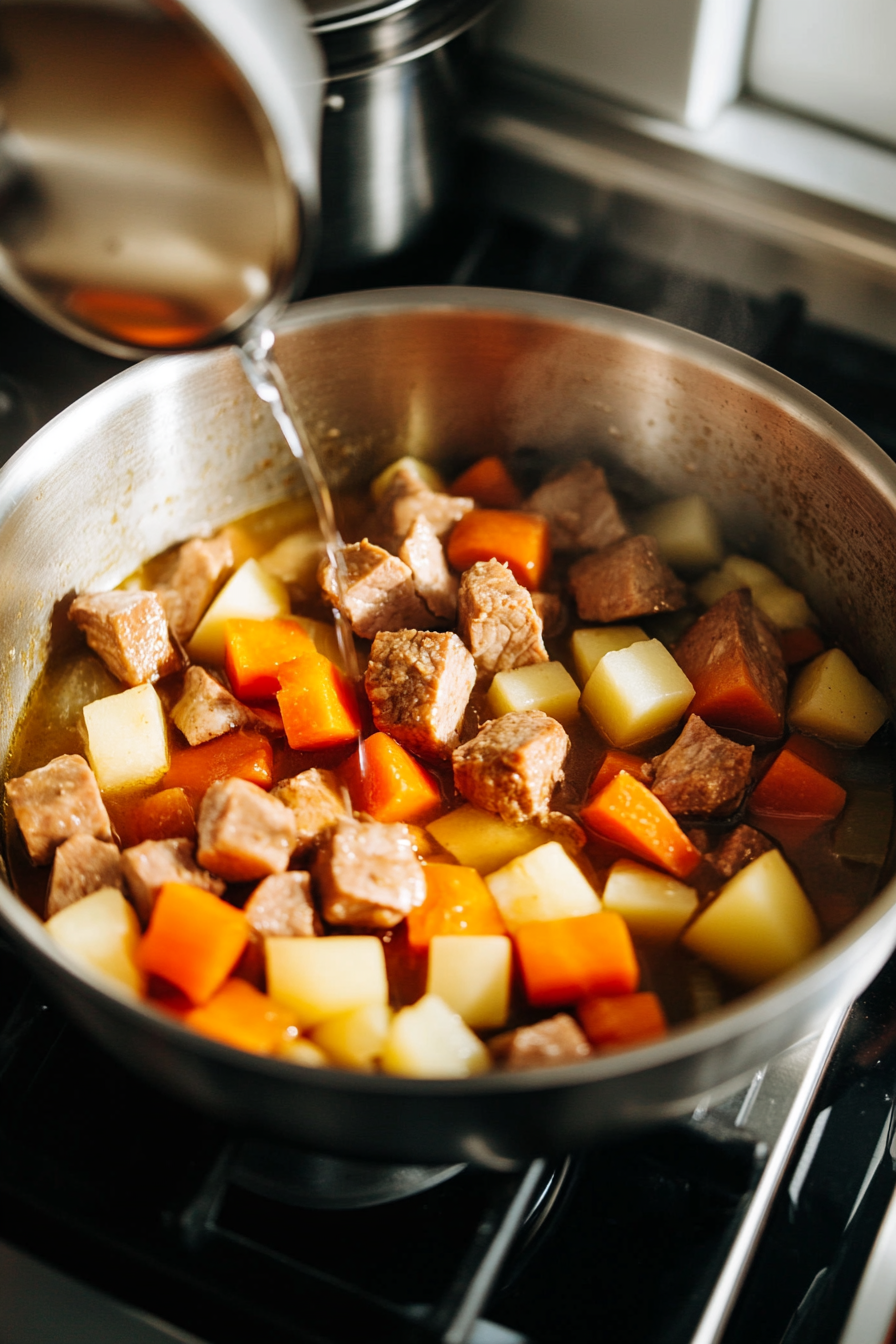
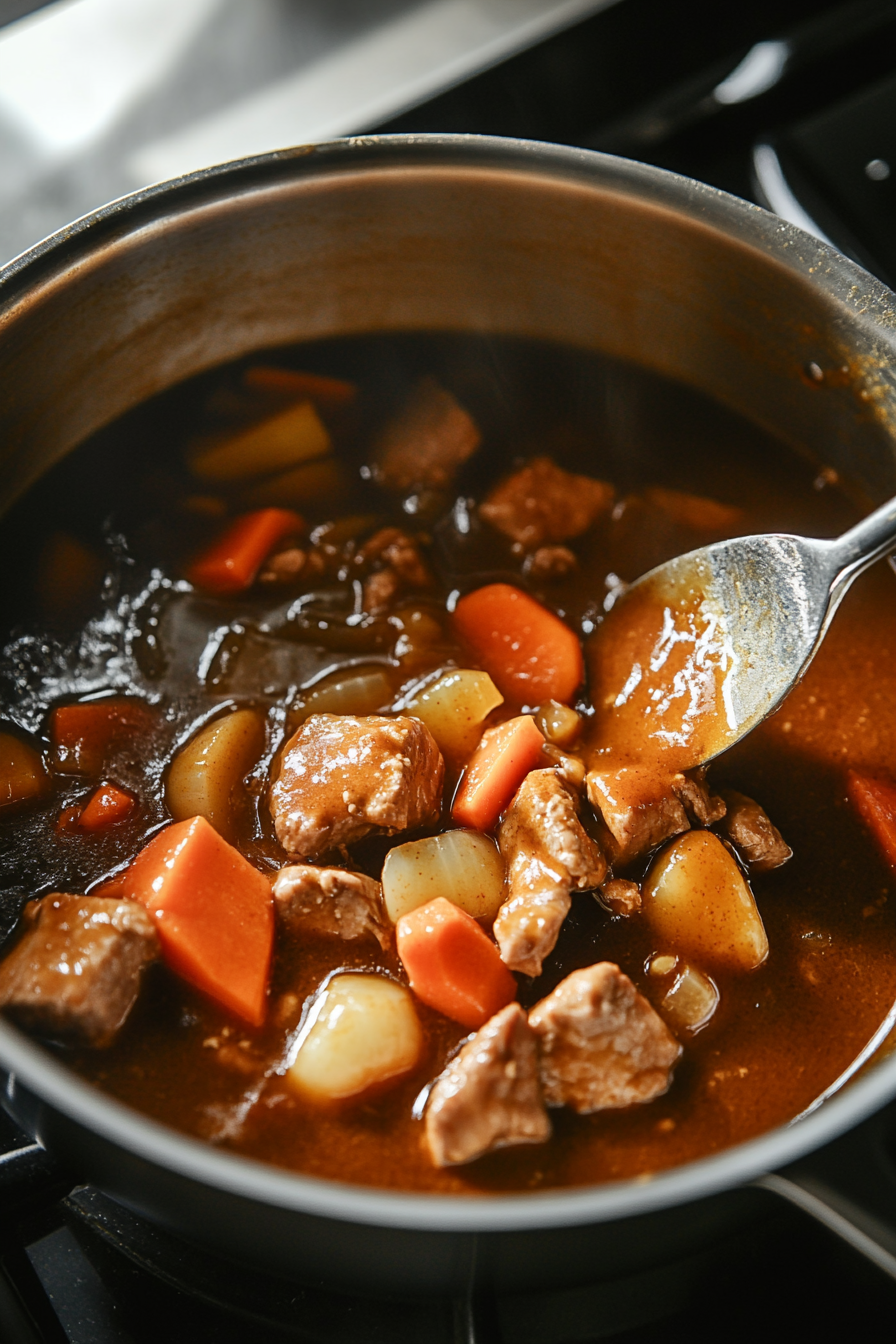
- Add Japanese curry sauce mix/roux and stir until dissolved.
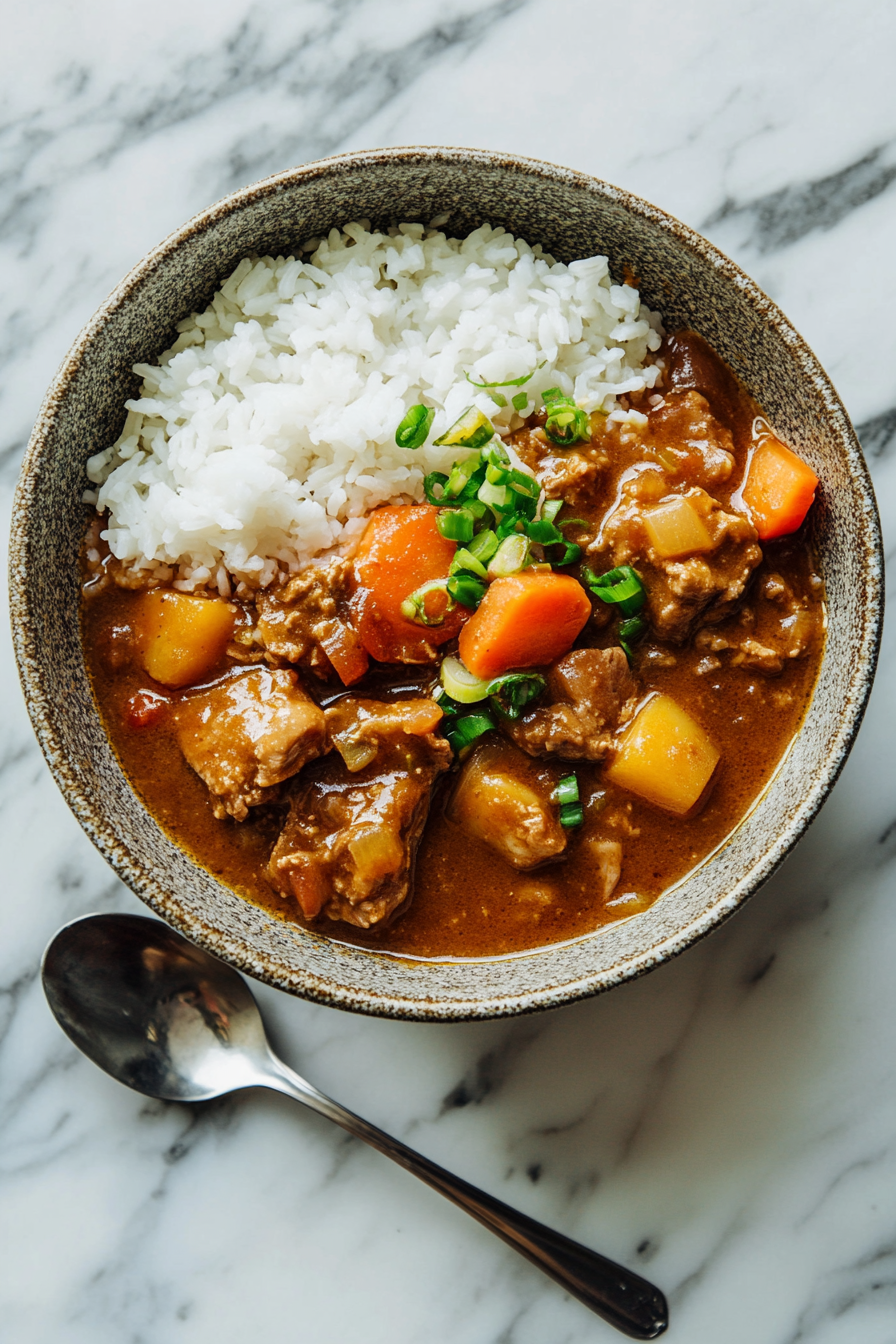
- Serve over rice or noodles.
Nutrition
Why Japanese Curry Feels Different From Other Curries
One of the things that makes Japanese curry stand out is its texture and flavor balance.
The sauce is usually thicker, smoother, and slightly sweeter than many Indian or Thai curries. Instead of strong heat, the flavor focuses more on richness, gentle spice, and slow-cooked depth.
The curry roux melts into the broth to create a velvety texture that clings perfectly to rice, which is part of what makes the dish feel so cozy and satisfying.
And while every household makes it a little differently, most versions share that same comforting, mellow character that keeps people coming back to it.
The Smell That Fills the Kitchen
The best part of making Japanese curry might honestly be the way the kitchen smells while everything simmers together.
The onions slowly turn soft and sweet, the curry roux melts into the broth, and the warm savory aroma starts filling the whole room long before dinner is ready.
By the time the rice is steaming and the curry thickens, the entire kitchen feels warmer somehow.
It’s one of those meals that makes people wander in early asking when dinner will be ready.
A Few Things That Make the Curry Better
- Let the onions cook slowly so they become sweeter and more flavorful.
- Simmer gently instead of boiling hard to keep the vegetables tender.
- Add the curry roux gradually and stir well so the sauce stays smooth.
- Let the curry rest for a few minutes before serving so the flavors settle together.
- The curry tastes even deeper the next day after the flavors have had more time to blend.
What to Serve With Japanese Pork Curry
Japanese curry is usually best served with simple sides that let the rich sauce stay the focus.
How to Store Japanese Pork Curry
- Store cooled curry in an airtight container for up to 4 days.
- Reheat gently on the stovetop with a splash of water or broth.
- Japanese curry freezes well for up to 2 months.
- For best texture, freeze without potatoes because they can become grainy after thawing.
Frequently Asked Questions
- Is Japanese curry very spicy?
Usually no. Japanese curry is known for being milder, slightly sweet, and more comforting than heavily spicy curries. - What makes Japanese curry different from Indian curry?
Japanese curry is typically thicker, smoother, and less spicy. It uses curry roux cubes that create a rich, velvety sauce perfect for serving over rice. - Can I use chicken instead of pork?
Absolutely. Chicken, beef, or even tofu work well in Japanese curry. - What kind of rice goes best with Japanese curry?
Short-grain Japanese rice is the most traditional choice because its soft texture pairs perfectly with the thick curry sauce. - Can I make this curry ahead of time?
Yes, and many people think it tastes even better the next day after the flavors have had more time to blend together. - Can I freeze Japanese curry?
Yes. The curry freezes well for up to 2 months, though potatoes may soften slightly after thawing. - Why is my curry too thin?
Let it simmer a little longer so the sauce can thicken naturally, or add a little extra curry roux. - What can I use instead of curry roux cubes?
You can make homemade curry roux using butter, flour, curry powder, and broth, though the flavor may be slightly different from traditional Japanese curry blocks. - Why do some recipes add apple or honey?
A small amount of sweetness helps balance the savory curry flavor and gives Japanese curry its signature mellow richness. - What toppings go well with Japanese curry?
Soft-boiled eggs, pickled vegetables, green onions, sesame seeds, and crispy cutlets all pair beautifully with it.

Hi, I’m Austin. Every recipe you’ll find here is carefully tested, photographed, and created to help you cook with confidence…..
know more




best pork curry
best pork curry out there
best japanese curry recipe
best recipe so far
Perfect for meal prep.
Great for a quick weeknight dinner.
Super easy and fast to make!
Healthy and satisfying
I really enjoyed this recipe, but I think it could use a bit more spice. Next time, I might add some chili flakes or a dash of hot sauce to give it a little kick
Everyone was so impressed with its taste when I served it for dinner last night. Maybe I’ll charge for this from next time! 😄
Looks delicious! Can you tell me what brand of Japanese curry sauce you’re using? Or post a picture? Thank you!!
Hi Emilie,
Thank you! I’m glad you like the look of the recipe. For the curry sauce, I usually use brands like S&B Golden Curry or Mae Ploy, which are both widely available and give a great flavor. I’ll try to post a picture next time! 😊 Hope you enjoy making it!