Vegan Spaghetti Aglio e Olio Recipe
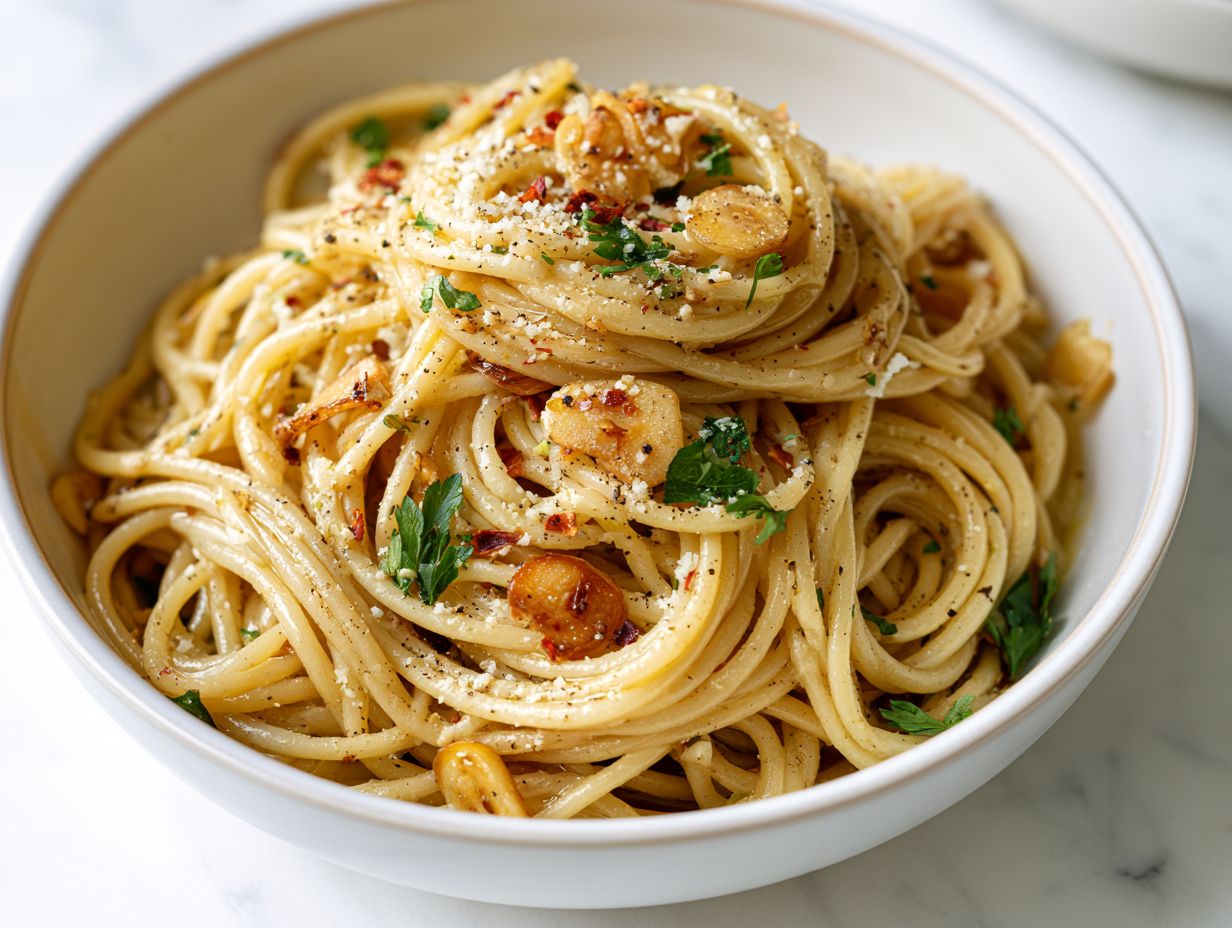
This Vegan Spaghetti Aglio e Olio Recipe is a simple Italian-inspired pasta dish made with pantry staples, garlic-infused olive oil, spaghetti, and fresh herbs.
With just a few ingredients and a quick cooking process, it is a practical choice for a homemade meal when you want something comforting without spending hours in the kitchen.
Spaghetti aglio e olio is traditionally known for its simplicity, relying on garlic, olive oil, chili, and pasta water to create its signature coating.
The finished pasta has tender strands coated in a silky garlic oil sauce with gentle heat from red pepper flakes and freshness from parsley.
The combination of fragrant olive oil, golden garlic, and chewy spaghetti creates a balanced dish that feels elegant while remaining easy enough for everyday cooking.
Why You’ll Reach for This Recipe Again
- Minimal Ingredients: Uses simple kitchen staples that are easy to keep on hand.
- Quick Preparation: The entire dish comes together in about 25 minutes from start to finish.
- Beginner Friendly: The straightforward cooking method makes it approachable for new home cooks.
- Budget Conscious: Creates a satisfying pasta meal without requiring expensive ingredients.
- Naturally Vegan: The base recipe does not rely on dairy products or animal-based ingredients.
- Flexible Dinner Option: Works well as a main dish or as part of a larger Italian-inspired meal.
Ingredient Insights and Swaps
- Extra Virgin Olive Oil: Since olive oil creates the foundation of the sauce, choose a good-quality variety with a fresh aroma and smooth taste.
- Garlic Cloves: Thinly sliced garlic releases flavor gradually and creates evenly cooked golden pieces throughout the pasta.
- Spaghetti: Long pasta works best because it allows the garlic oil sauce to coat each strand. Linguine or bucatini can also work well.
- Reserved Pasta Water: The starch from the cooking water helps bring the oil and pasta together into a smoother coating.
- Red Pepper Flakes: This ingredient adds gentle heat and can be adjusted depending on your preferred spice level.
- Vegan Parmesan: Optional vegan Parmesan or nutritional yeast adds extra savory notes while keeping the dish dairy-free.
Chef’s Tip: Cook the garlic slowly over medium-low heat instead of rushing the process. Gentle cooking allows the oil to absorb the garlic flavor without making the garlic bitter.
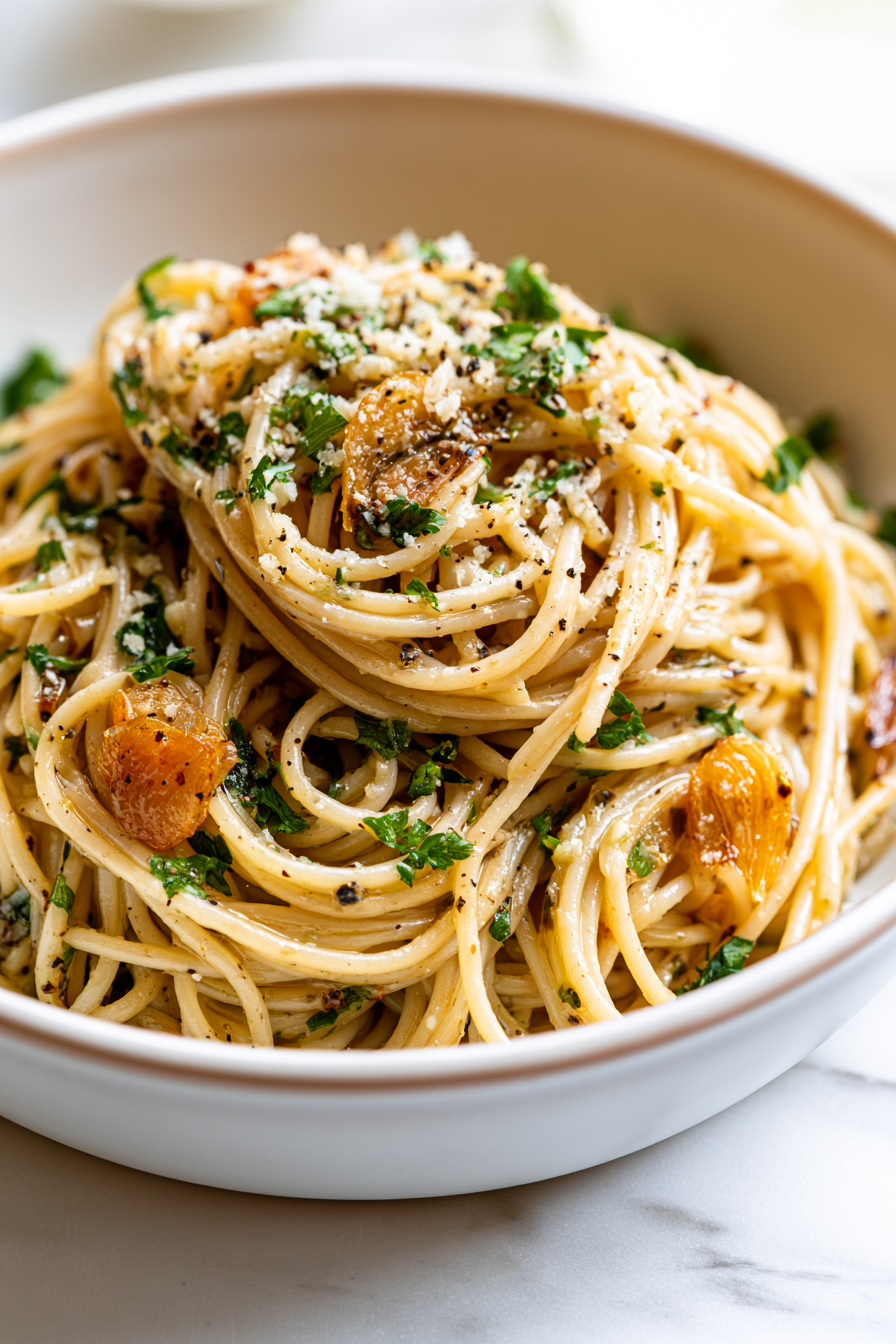
Vegan Spaghetti Aglio e Olio
Equipment
- Large skillet or sauté pan
- Colander
- Tongs
- Chef's Knife
Ingredients
- 12 ounces spaghetti or other long pasta
- ¼ cup extra virgin olive oil
- 6 garlic cloves thinly sliced
- ½ teaspoon red pepper flakes adjust to taste
- ½ cup reserved pasta water
- ¼ cup fresh Italian parsley finely chopped
- ¼ cup vegan Parmesan or 2 tablespoons nutritional yeast optional
- ½ teaspoon freshly ground black pepper
- ¾ teaspoon sea salt plus more for pasta water
- 1 tablespoon fresh lemon juice optional
Instructions
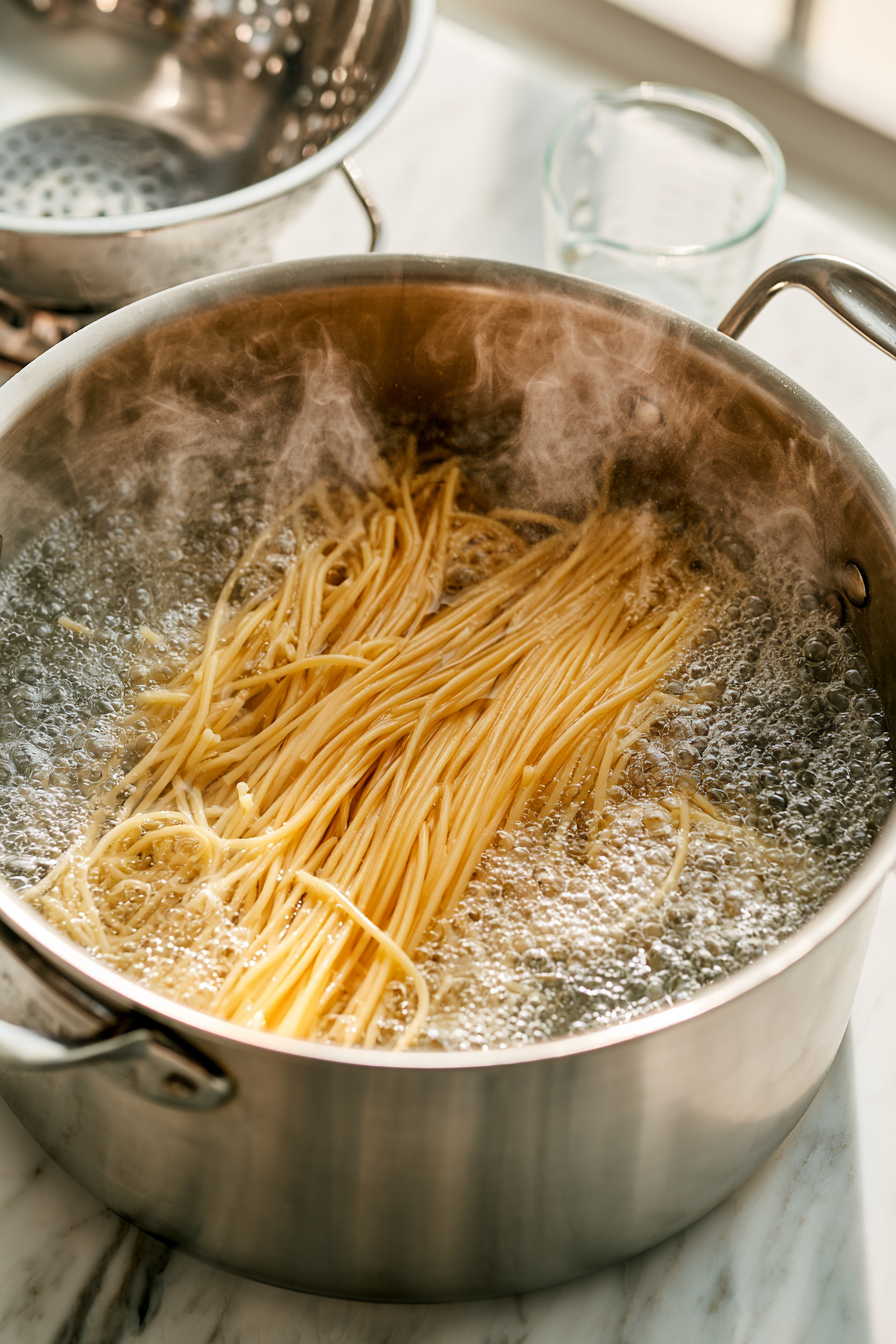
- Bring a large pot of water to a boil and season generously with salt. Cook the spaghetti according to the package directions until al dente, usually about 8–10 minutes depending on the pasta.
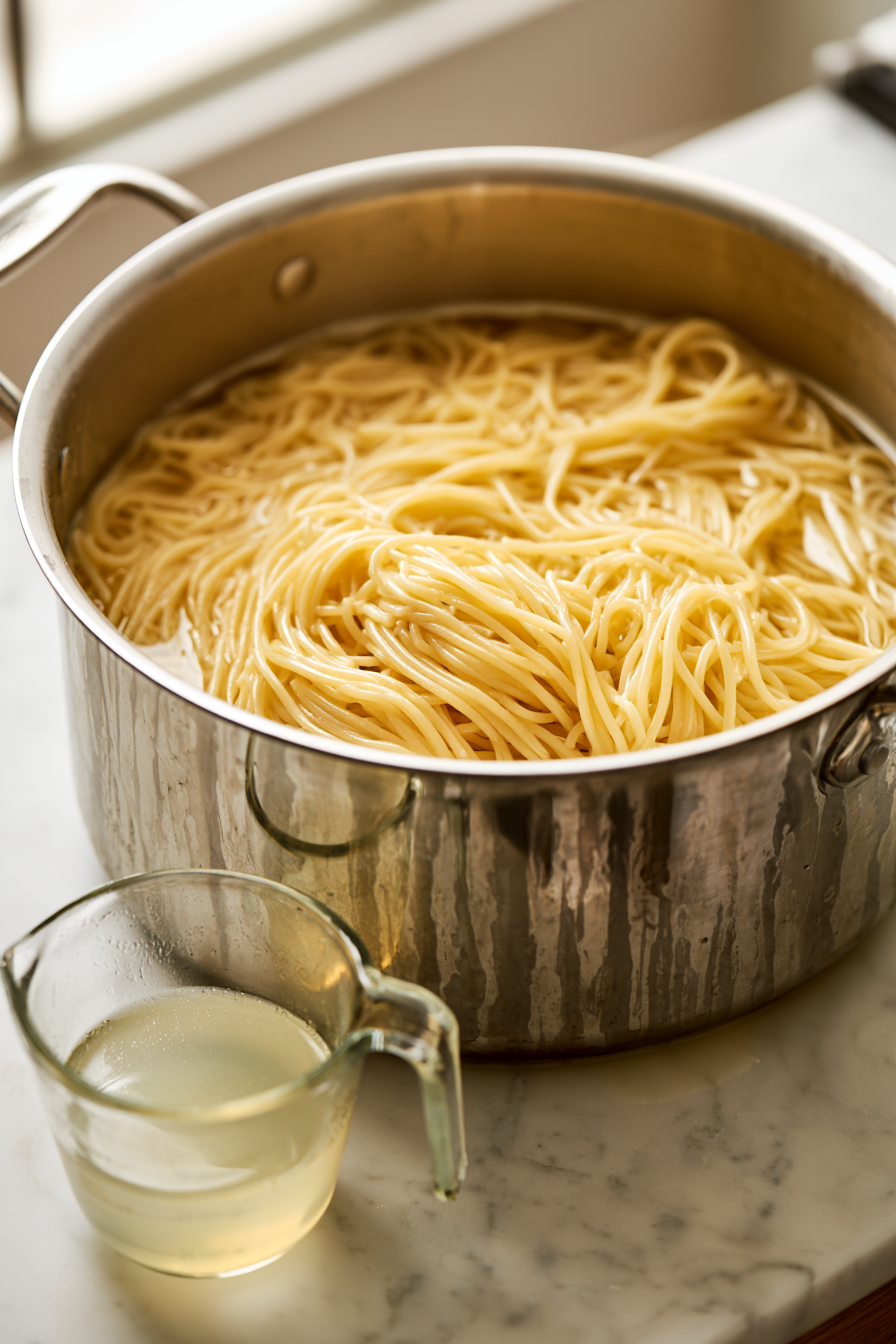
- Before draining the pasta, reserve about ½ cup of the starchy cooking water. This helps create a silky sauce that coats the spaghetti instead of leaving the oil sitting separately.
- While the pasta cooks, heat the olive oil in a large skillet over medium-low heat. Add the sliced garlic and gently cook for 3–5 minutes, stirring frequently, until the garlic becomes lightly golden and fragrant.
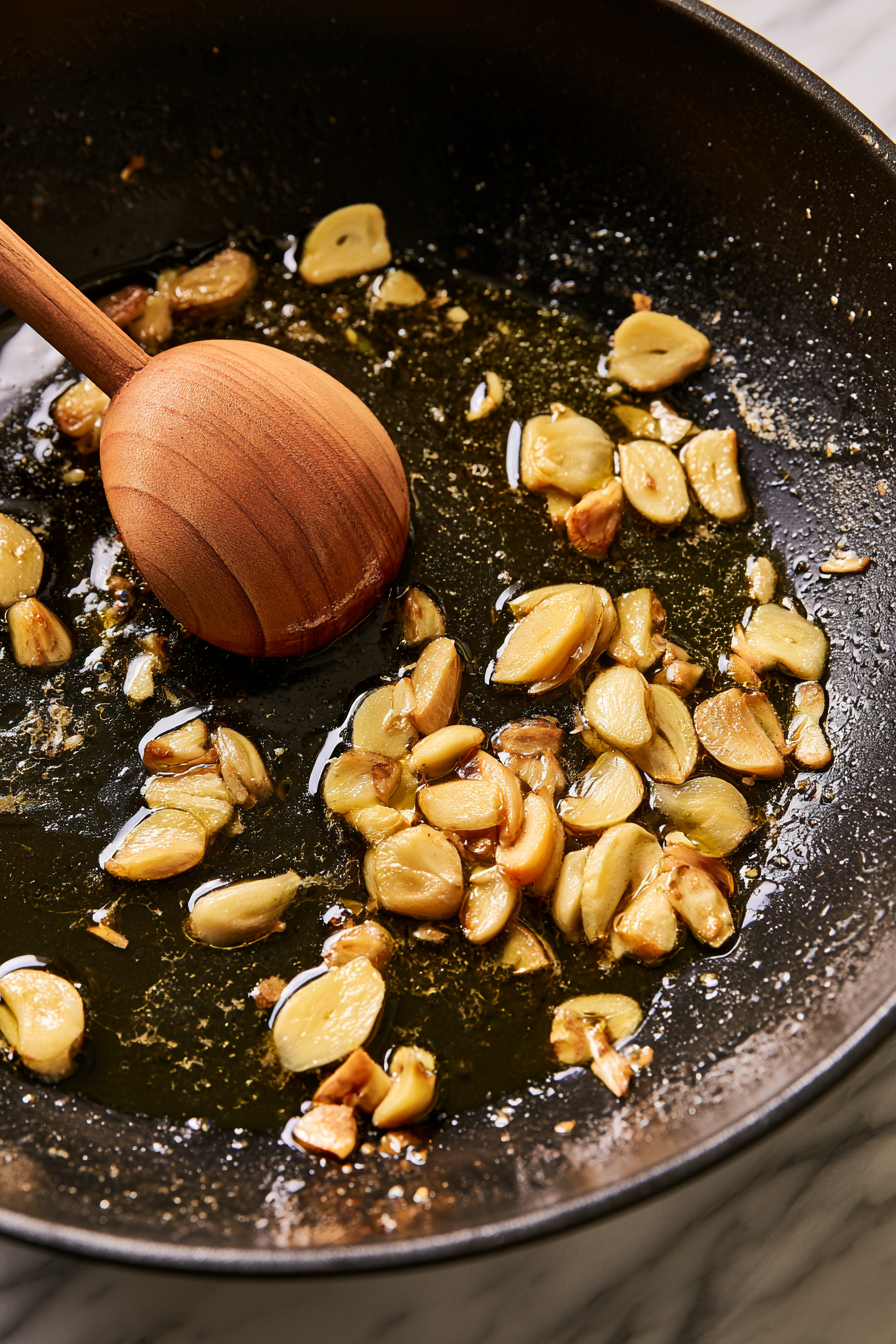
- Be careful not to brown the garlic too much. Overcooked garlic can become bitter and overpower the delicate flavor of the dish.
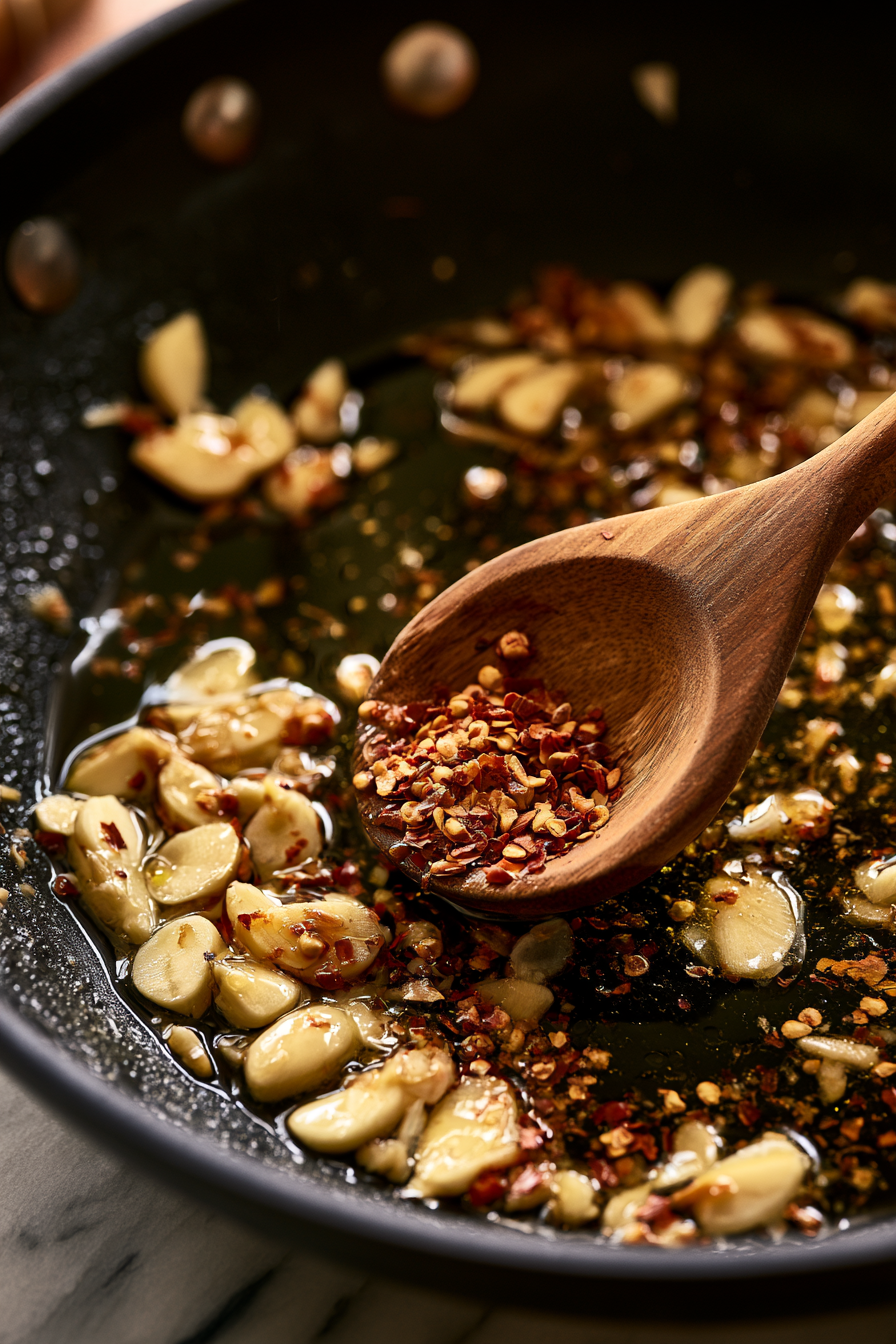
- Add the red pepper flakes to the garlic oil and cook for about 30 seconds to release their flavor.
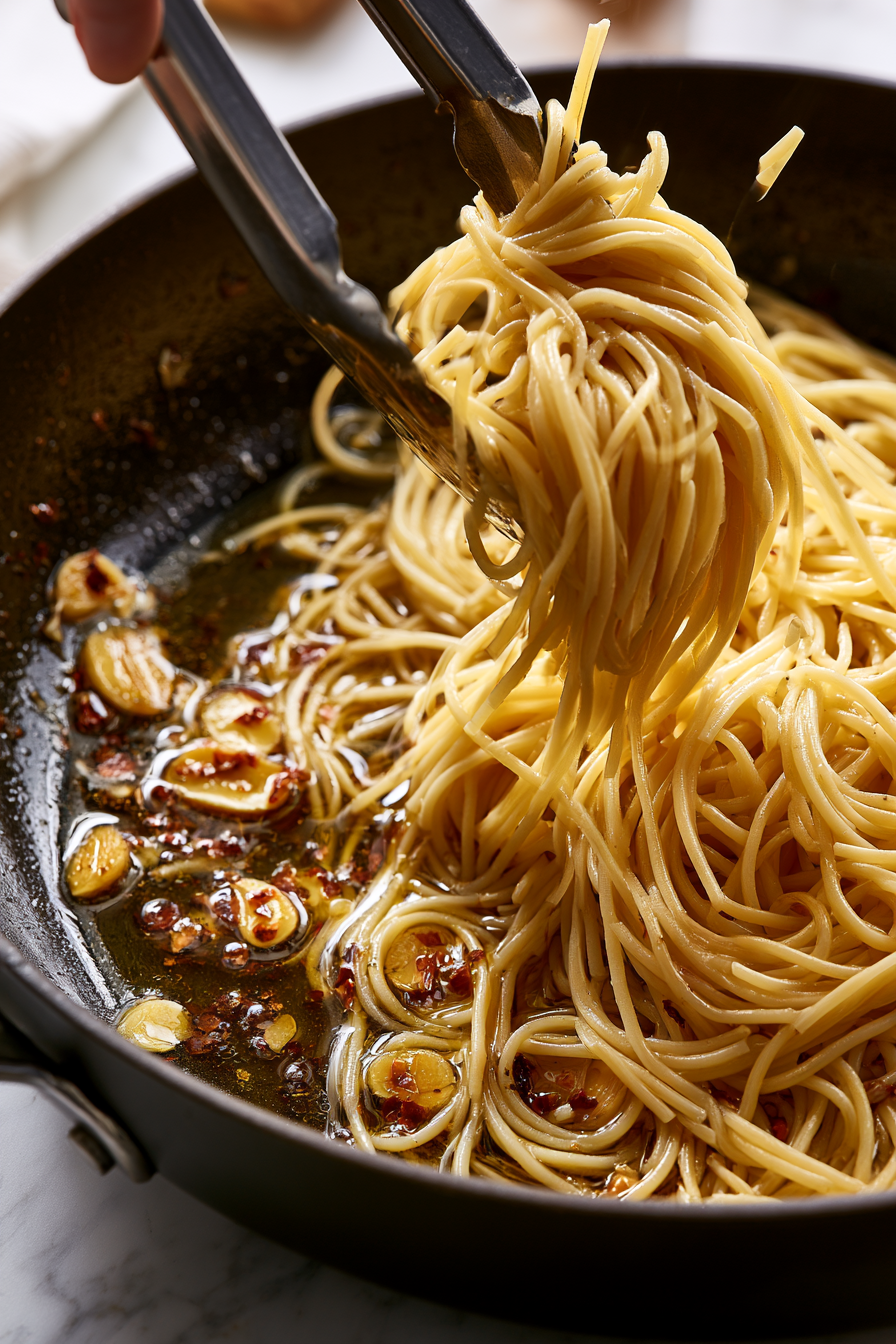
- Transfer the drained spaghetti directly into the skillet with the garlic-infused oil. Add a splash of reserved pasta water and toss continuously until the oil and water combine into a glossy coating.
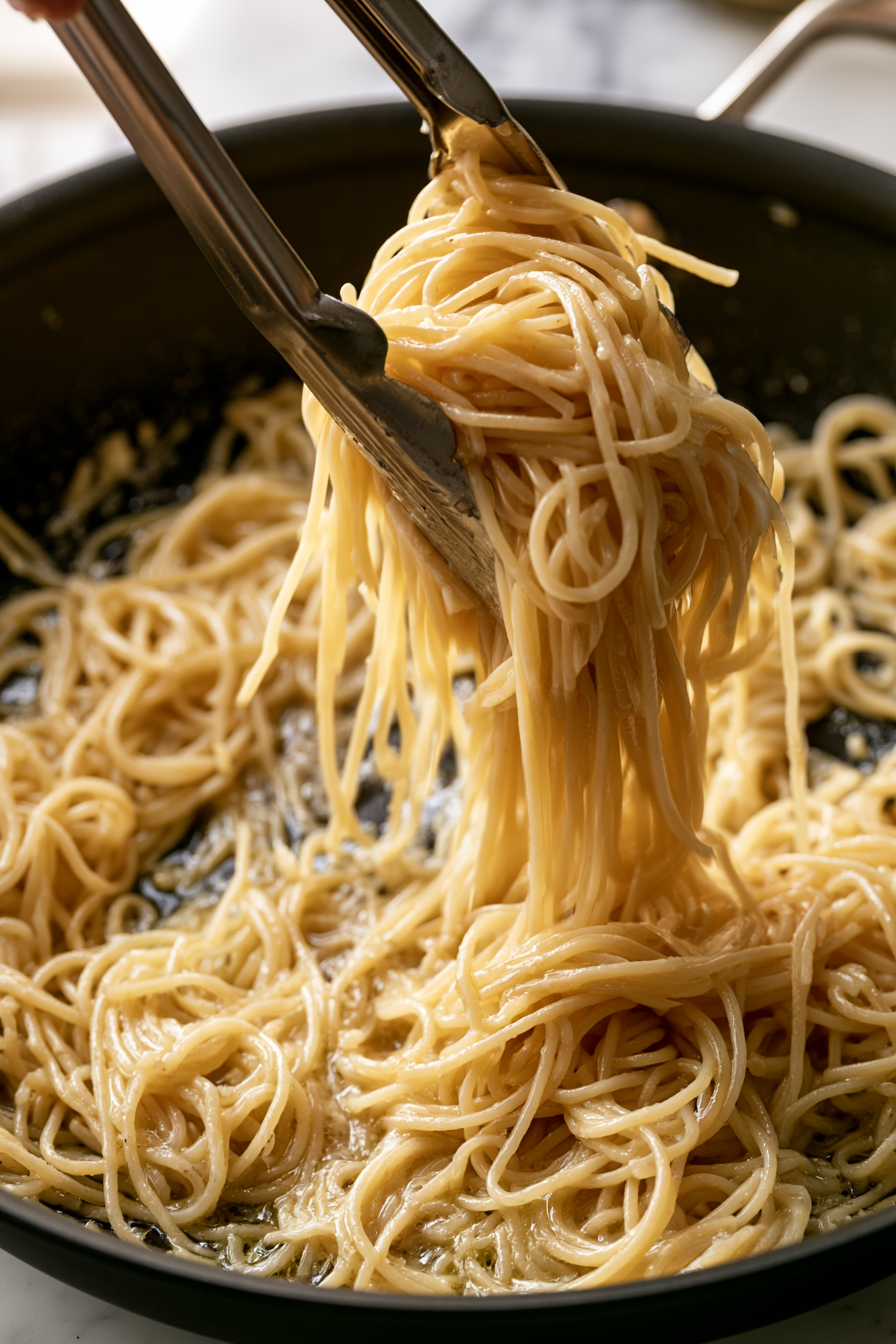
- Continue tossing the pasta for 1–2 minutes, adding more pasta water as needed until the sauce lightly clings to every strand.
- Remove the skillet from heat and stir in fresh parsley, black pepper, and vegan Parmesan or nutritional yeast if using.
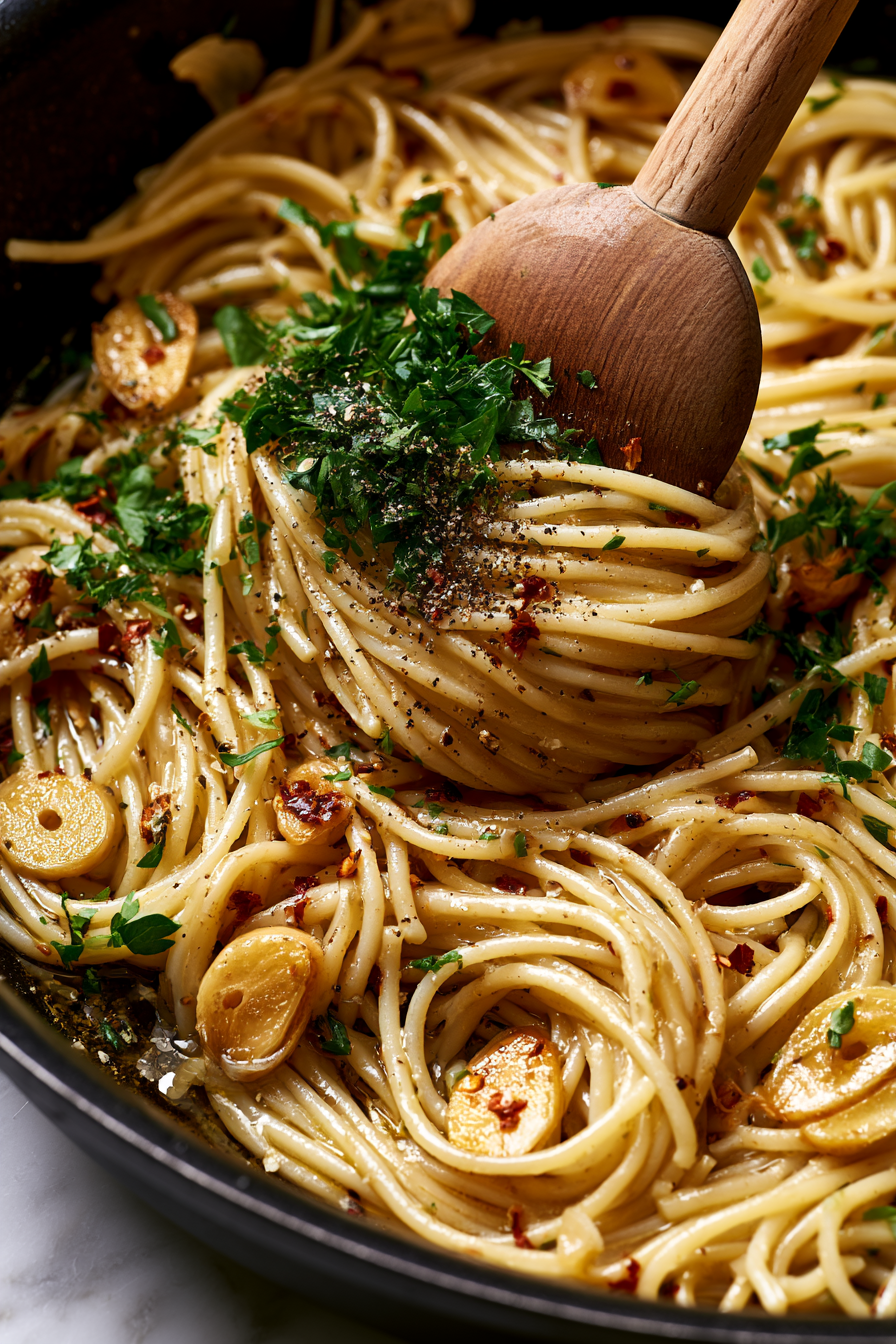
- Add lemon juice for a fresh, bright finish, then taste and adjust seasoning with additional salt or red pepper flakes.
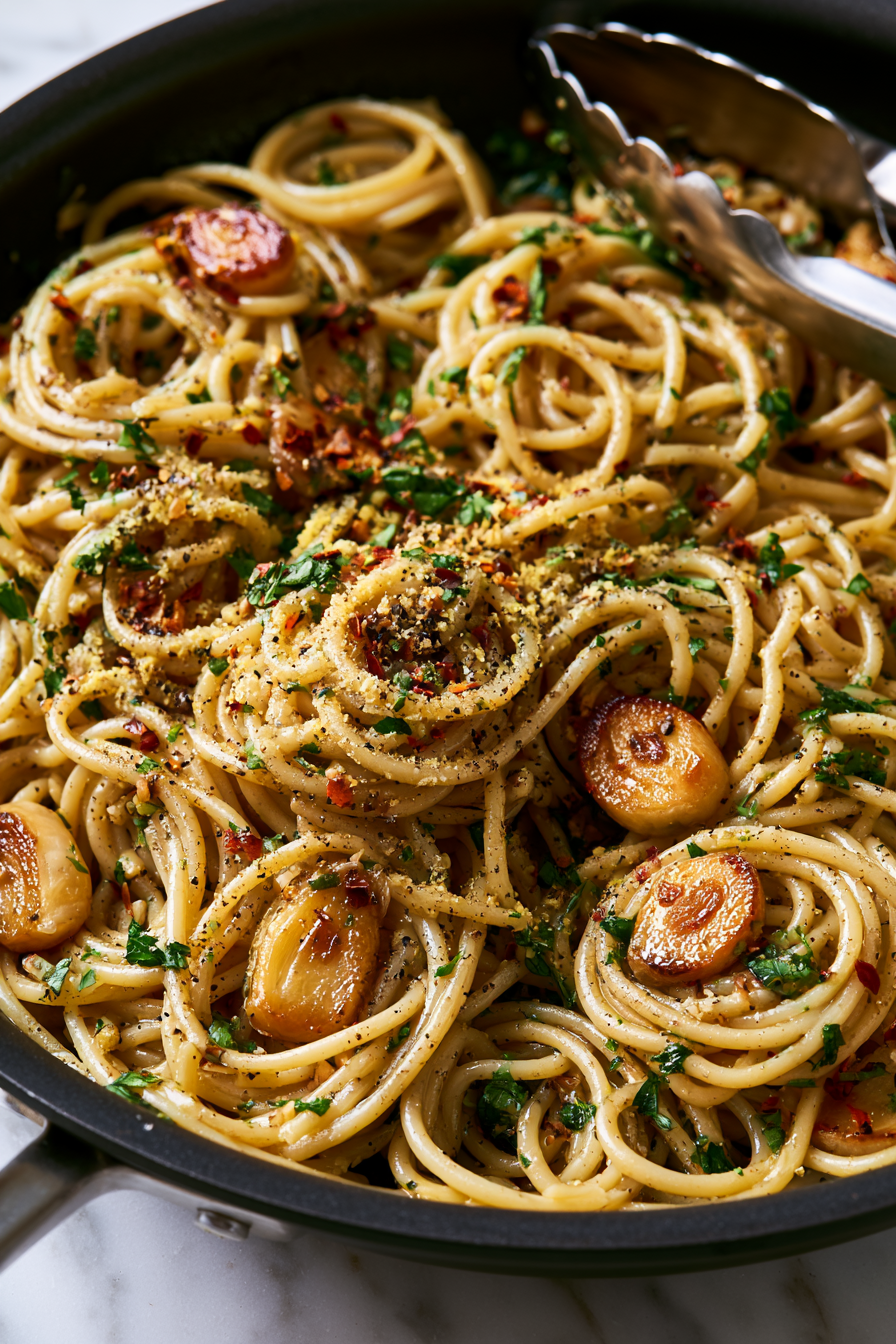
- Serve immediately with extra parsley, vegan Parmesan, and a drizzle of olive oil if desired.
Notes
- Use quality olive oil: Since olive oil is one of the main flavors in this recipe, extra virgin olive oil provides the best taste and aroma.
- Slice garlic instead of mincing: Thinly sliced garlic cooks more evenly and creates flavorful golden pieces throughout the pasta.
- Cook garlic slowly: The garlic should gently infuse the oil rather than fry quickly. Keep the heat low to prevent burning.
- Reserve pasta water: The starch from the pasta water helps emulsify the olive oil and creates the silky texture traditional aglio e olio is known for.
- Adjust the spice: Add more or less red pepper flakes depending on your preferred heat level.
- Keep it traditional: Classic aglio e olio is naturally vegan, but you can add vegan Parmesan, nutritional yeast, peas, mushrooms, or greens for extra flavor and nutrition.
- Make it gluten-free: Use your favorite gluten-free spaghetti or long pasta.
- Storage: Store leftovers in an airtight container in the refrigerator for up to 3 days. Reheat gently in a skillet with a splash of water or olive oil.
Nutrition Information
| Nutrient | Amount Per Serving |
|---|---|
| Calories | 430 kcal |
| Carbohydrates | 62 g |
| Protein | 12 g |
| Fat | 17 g |
| Fiber | 4 g |
| Sugar | 2 g |
| Sodium | 520 mg |
Small Mistakes That Affect Results
- Burning the Garlic: Garlic cooks quickly and can turn bitter if exposed to high heat for too long.
- Skipping Pasta Water: Without the starchy cooking water, the oil may not combine properly with the pasta.
- Overcooking Spaghetti: Soft pasta will not hold the sauce as well as properly cooked al dente noodles.
- Adding Garlic Too Late: The oil needs time to absorb the garlic aroma for the best result.
- Using Low-Quality Olive Oil: Since olive oil is a main ingredient, poor-quality oil can affect the overall taste.
- Not Tossing the Pasta Enough: Continuous tossing helps distribute the garlic oil evenly across the spaghetti.
Delicious Variations You Should Try
- Mushroom Aglio e Olio: Add sautéed mushrooms for a heartier pasta dish with extra depth.
- Greens Version: Stir in spinach, kale, or arugula for added vegetables.
- Protein Boost: Add crispy tofu, chickpeas, or white beans for a more filling meal.
- Lemon Herb Pasta: Increase the lemon juice and add extra fresh herbs for a brighter flavor.
- Tomato Aglio e Olio: Add roasted cherry tomatoes for natural sweetness and color.
- Extra Spicy Pasta: Increase the red pepper flakes or add fresh chili peppers.
- Creamy Vegan Version: Mix in a small amount of cashew cream for a richer sauce.
More Vegan Recipes You’ll Enjoy
Keep It Fresh Longer
- Make Ahead: Prepare the garlic oil mixture shortly before serving for the best aroma and texture.
- Refrigerator Storage: Store leftovers in an airtight container in the refrigerator for up to 3 days.
- Freezer Storage: Freezing is not recommended because the oil-based sauce and pasta texture may change.
- Reheating: Warm gently in a skillet with a splash of water or olive oil to loosen the pasta.
- Freshness Tip: Add fresh parsley and a small drizzle of olive oil after reheating to refresh the flavors.
Frequently Asked Questions
- What does aglio e olio mean?
Aglio e olio means garlic and oil in Italian, referring to the two main ingredients that create the sauce. - Can I use another type of pasta?
Yes. Linguine, spaghetti, bucatini, or other long pasta varieties work well with this style of sauce. - Why does my sauce look oily instead of silky?
The pasta water needs to be added gradually while tossing to help emulsify the oil and create a smoother coating. - How do I prevent garlic from becoming bitter?
Cook garlic slowly over medium-low heat and remove it from the heat once it becomes lightly golden. - Is traditional aglio e olio vegan?
Yes. The classic version is naturally vegan when made with pasta that does not contain eggs. - Can I make this recipe less spicy?
Yes. Reduce the amount of red pepper flakes or leave them out completely. - What type of olive oil works best for this pasta?
Extra virgin olive oil is the best choice because its flavor is a major part of the finished dish. - Why is my pasta sauce not sticking to the noodles?
Make sure to reserve pasta water and toss the spaghetti thoroughly with the garlic oil while the pasta is still warm.

Hi, I’m Austin. Every recipe you’ll find here is carefully tested, photographed, and created to help you cook with confidence…..
know more