Vegan Chow Mein Recipe
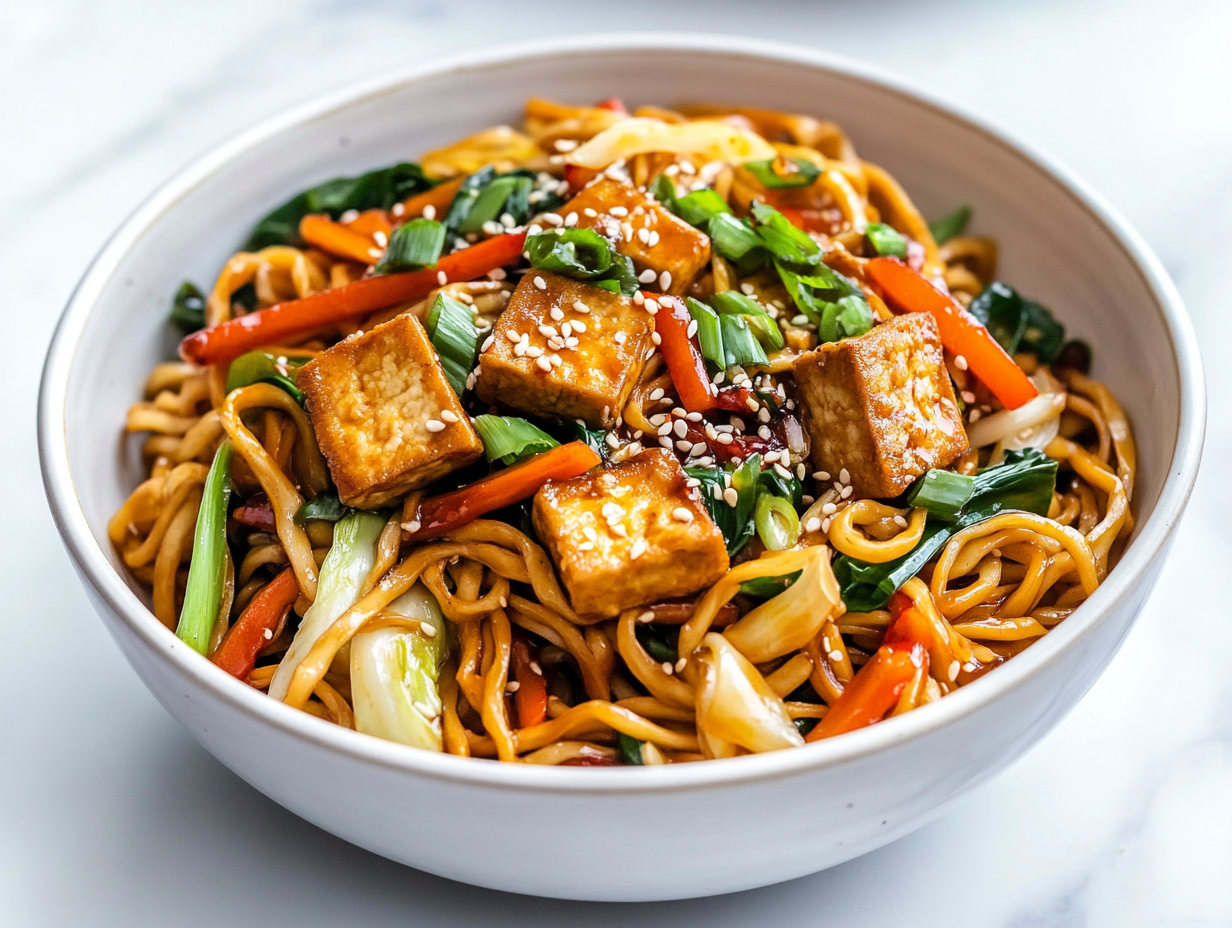
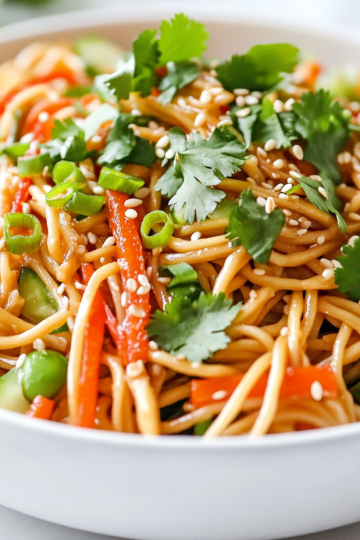
This Vegan Chow Mein Recipe is a delicious plant-based take on the classic Chinese takeout favorite. Chewy noodles are stir-fried with colorful vegetables and a savory sauce made with soy sauce, sesame oil, garlic, and a touch of sweetness for a flavorful meal that comes together quickly.
Loaded with crisp vegetables and your choice of tofu or vegan protein, this easy noodle dish delivers restaurant-style flavor without any animal products. It’s perfect for busy weeknight dinners, meal prep, or whenever you’re craving homemade takeout.
Why You’ll Love This Recipe
- Better Than Takeout: Enjoy classic chow mein flavors with fresh ingredients made at home.
- Quick and Easy: Ready in about 30 minutes with simple preparation.
- Packed With Vegetables: A colorful mix of cabbage, carrots, peppers, and bok choy adds texture and nutrition.
- Plant-Based Protein: Tofu or vegan chicken makes this a satisfying complete meal.
- Meal Prep Friendly: Stores well and tastes even better the next day.
- Customizable: Easily adjust vegetables, spice level, and noodles to your preference.
Ingredient Insights and Substitutions
- Chow Mein Noodles: Choose egg-free noodles labeled vegan since traditional chow mein noodles often contain eggs. Spaghetti, lo mein noodles, or gluten-free noodles can also work.
- Tofu: Extra-firm tofu provides a hearty texture and becomes crispy when properly pressed and cooked.
- Soy Sauce: Dark soy sauce gives the noodles a deeper color and richer flavor. Use tamari for a gluten-free option.
- Sesame Oil: Toasted sesame oil adds a nutty aroma and enhances the authentic stir-fry flavor.
- Vegetables: Napa cabbage, carrots, peppers, and bok choy create the classic chow mein texture, but you can easily swap them with what you have available.
- Vegan Oyster Sauce: This optional ingredient adds extra savory depth and a restaurant-style flavor.
Chef’s Tip: Have all ingredients chopped and sauce prepared before cooking. Stir-frying happens quickly, and having everything ready helps keep the vegetables crisp and the noodles perfectly textured.
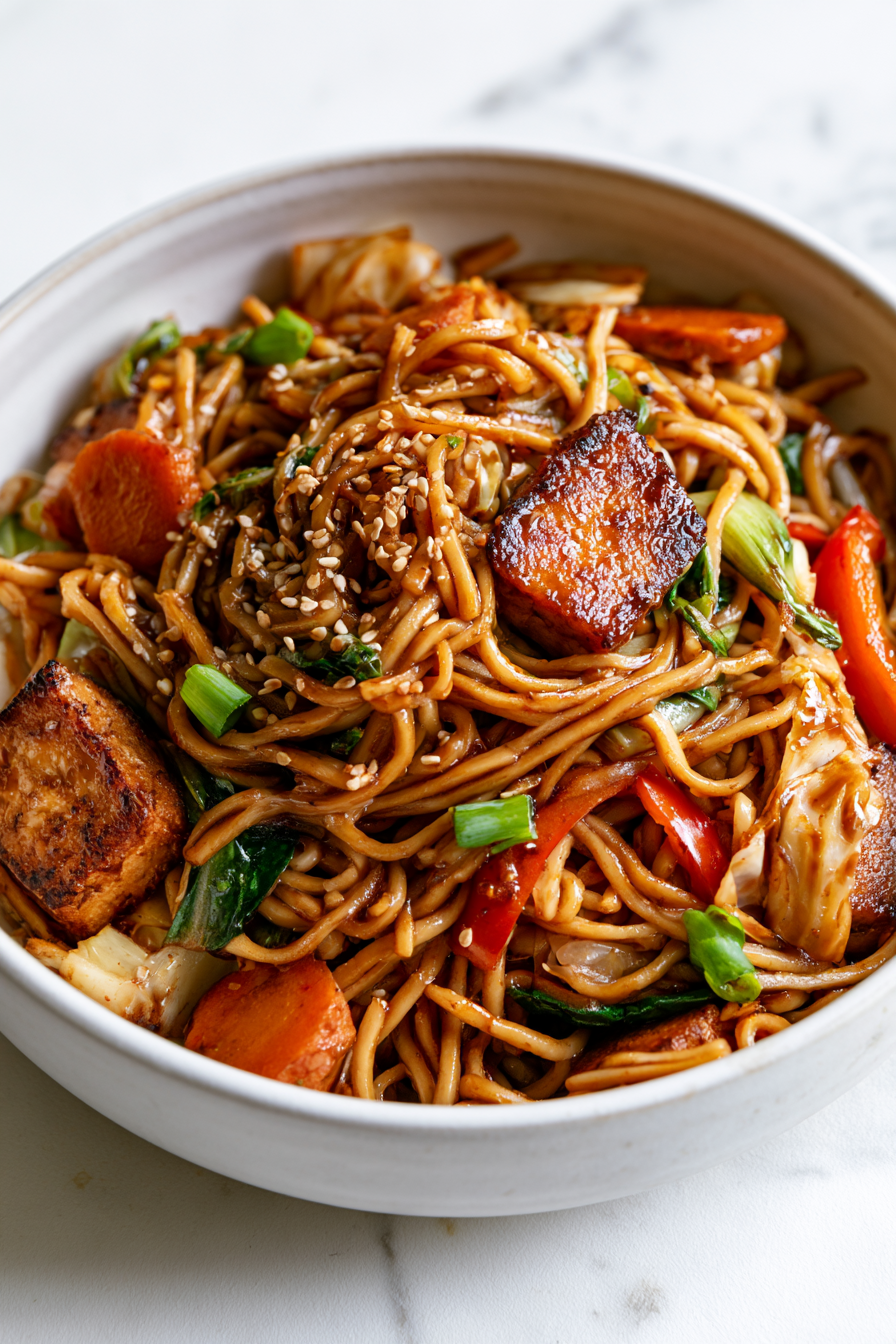
Vegan Chow Mein
Equipment
- Large wok or skillet
- Small Mixing Bowl
- Colander
- Chef's Knife
Ingredients
For the Chow Mein
- 12 ounces vegan chow mein noodles or egg-free noodles
- 2 tablespoons vegetable oil divided
- 8 ounces extra-firm tofu pressed and sliced, or vegan chicken pieces
- 1 medium yellow onion thinly sliced
- 3 garlic cloves minced
- 2 medium carrots julienned
- 2 cups shredded napa cabbage or green cabbage
- 1 red bell pepper thinly sliced
- 1 cup bok choy chopped
- 3 green onions sliced
- 2 tablespoons toasted sesame seeds for serving
For the Chow Mein Sauce
- 3 tablespoons dark soy sauce
- 2 tablespoons water
- 1 tablespoon toasted sesame oil
- 1 tablespoon vegan oyster sauce optional
- 2 teaspoons rice vinegar
- 2 teaspoons maple syrup or agave syrup
- 2 teaspoons cornstarch
- 1 teaspoon sriracha or chili sauce optional
- ½ vegetable bouillon cube crumbled, optional
Instructions
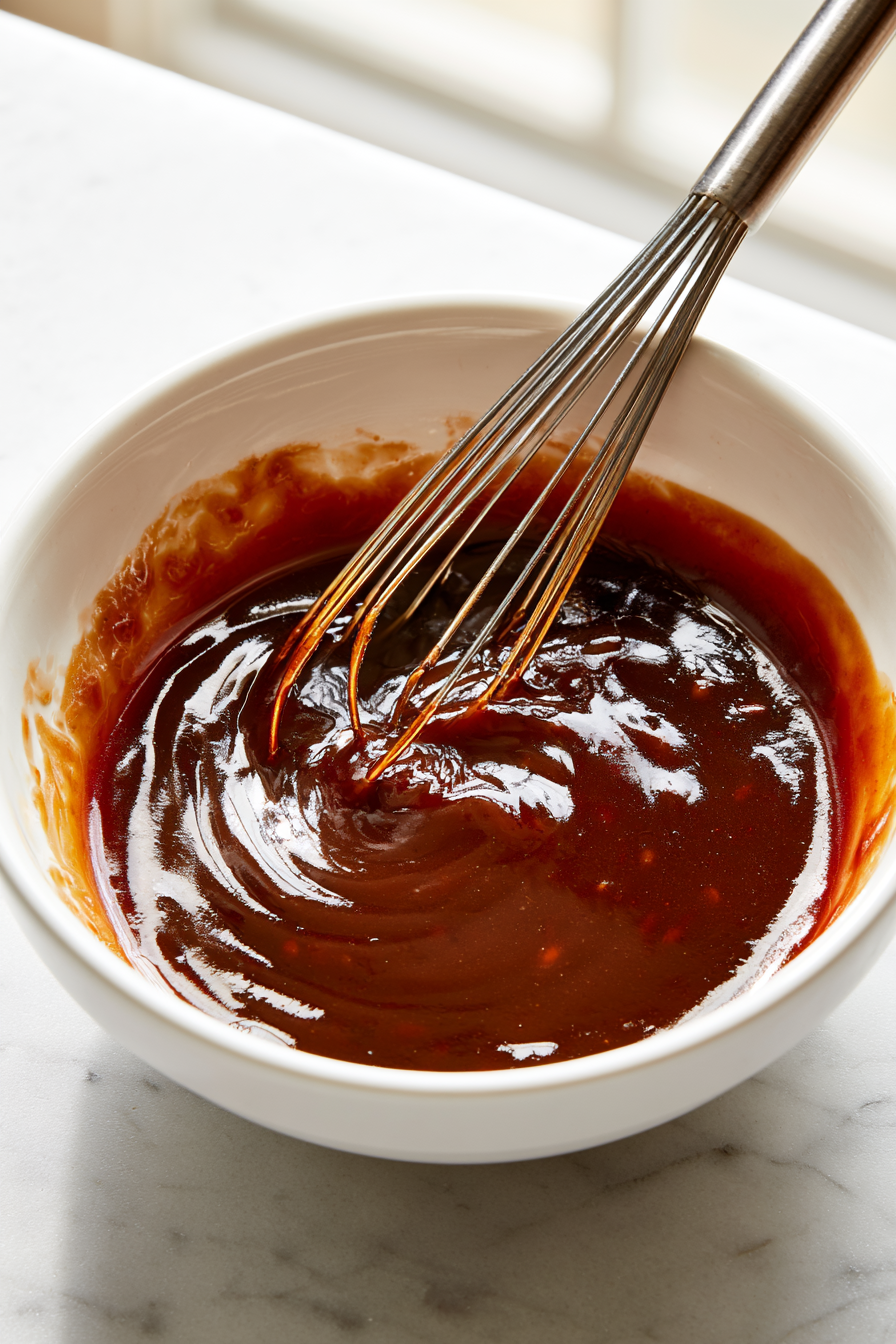
- Prepare the sauce by whisking together dark soy sauce, water, sesame oil, vegan oyster sauce, rice vinegar, maple syrup, cornstarch, sriracha, and vegetable bouillon in a small bowl. Set aside.
- Bring a large pot of water to a boil and cook the chow mein noodles according to the package directions until just tender. Avoid overcooking because the noodles will continue cooking during the stir-frying process.
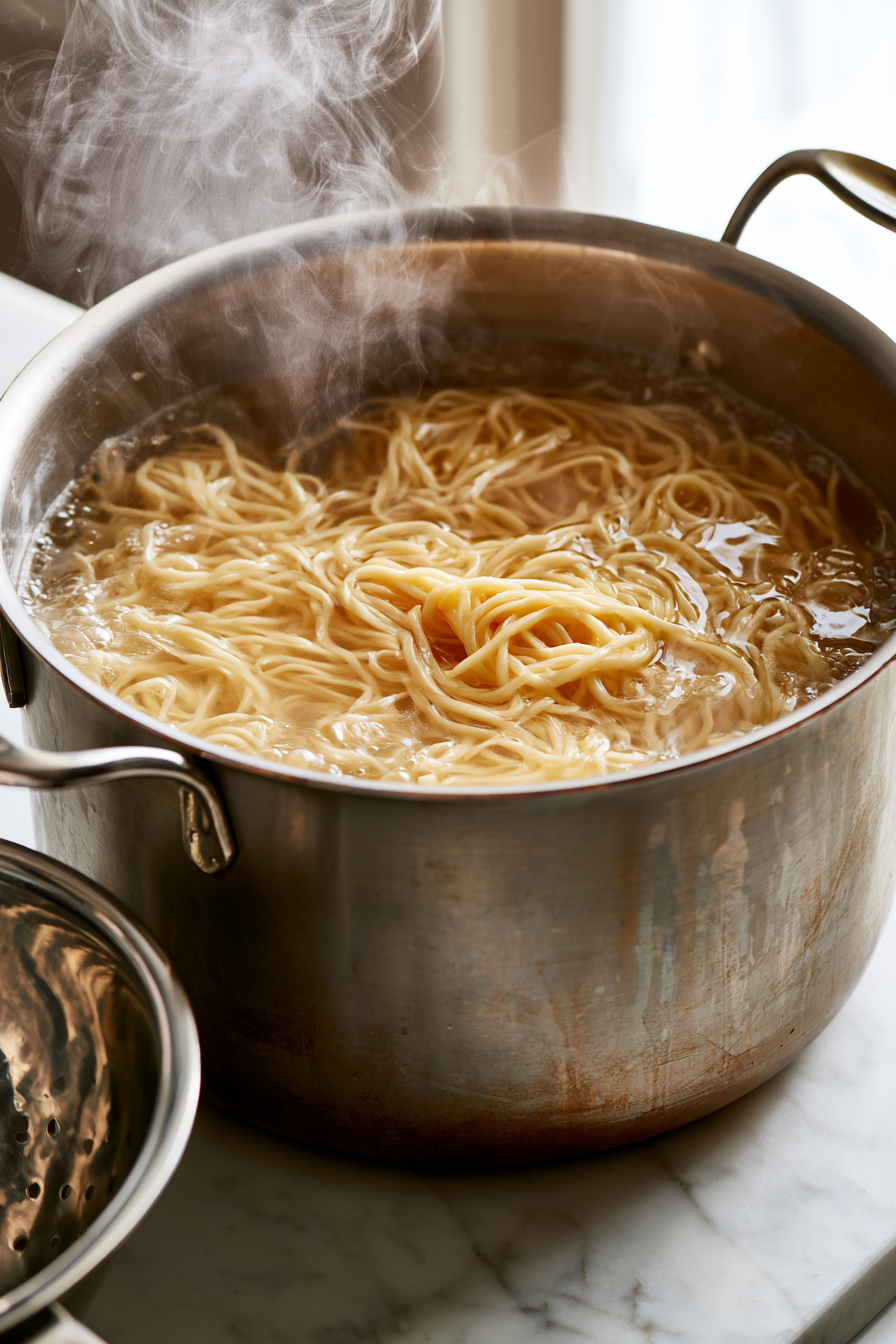
- Drain the noodles and rinse briefly under cold water to stop the cooking. Toss with a small drizzle of oil if needed to prevent sticking.
- Heat 1 tablespoon of vegetable oil in a large wok or skillet over medium-high heat. Add the tofu slices or vegan chicken pieces and cook for 5–7 minutes until golden and lightly crisp. Transfer to a plate and set aside.
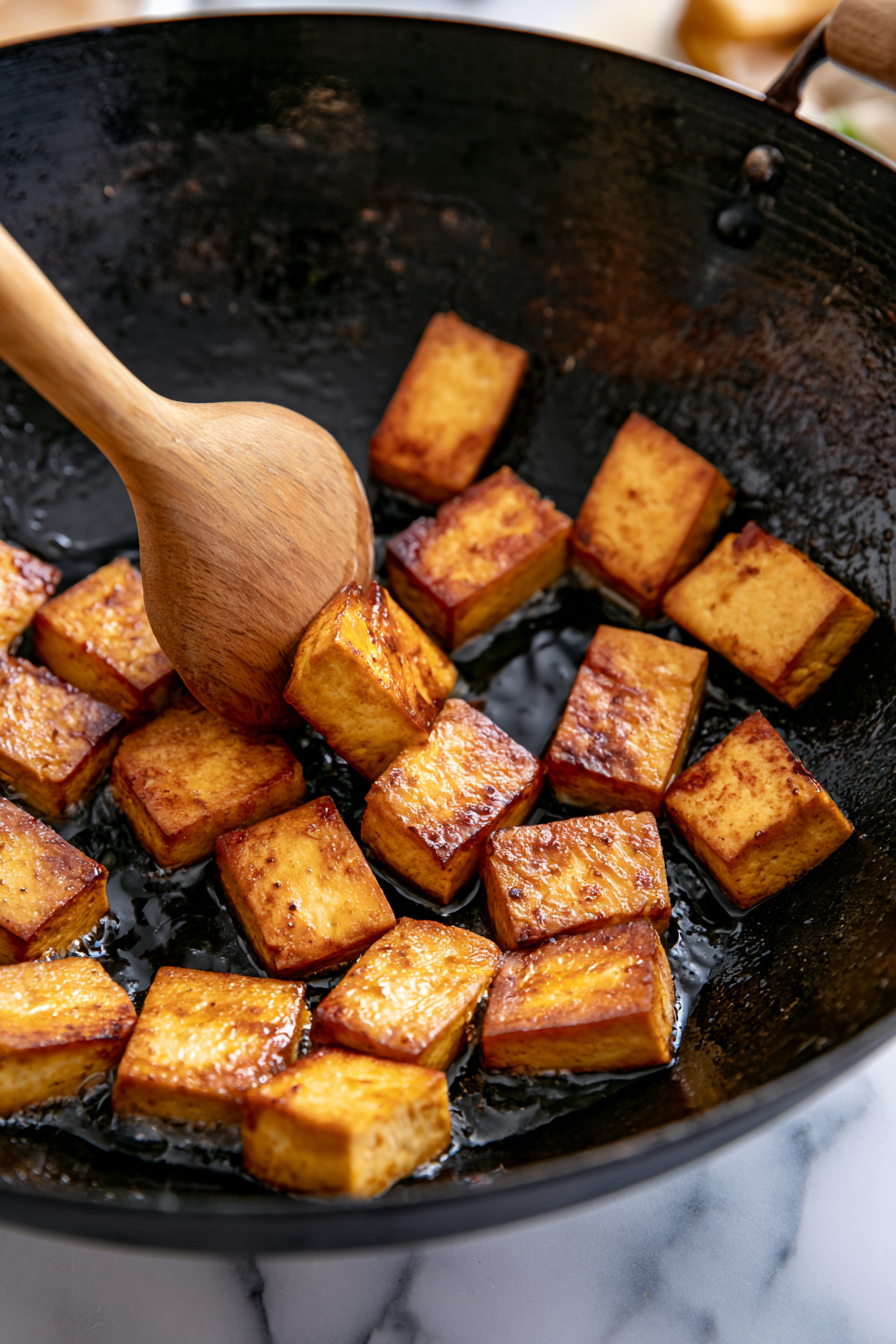
- Add the remaining tablespoon of oil to the pan. Add the onion and garlic and stir-fry for 1–2 minutes until fragrant and slightly softened.
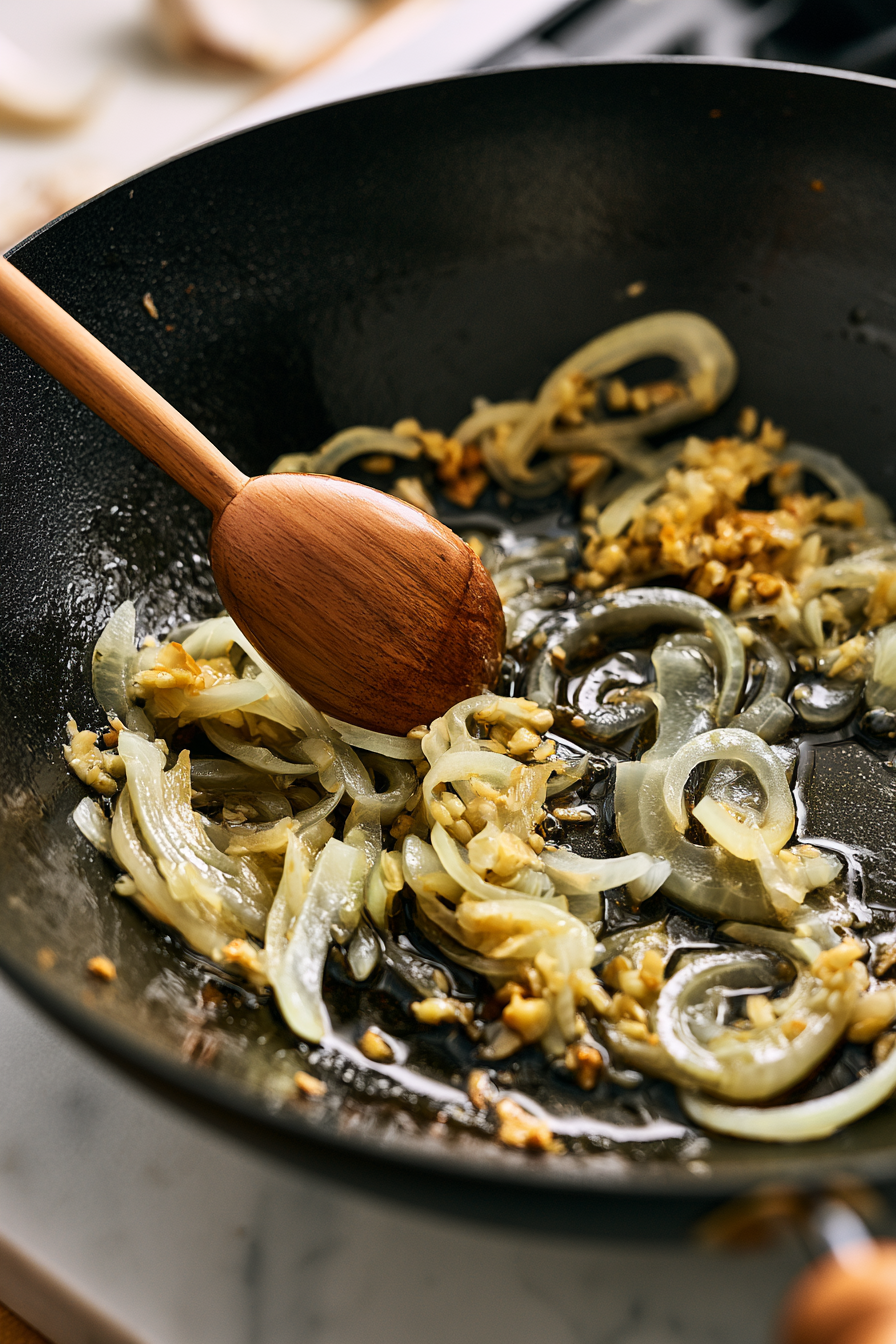
- Add the carrots, cabbage, bell pepper, and bok choy stems. Cook for 3–4 minutes, stirring frequently, until the vegetables are tender but still slightly crisp.
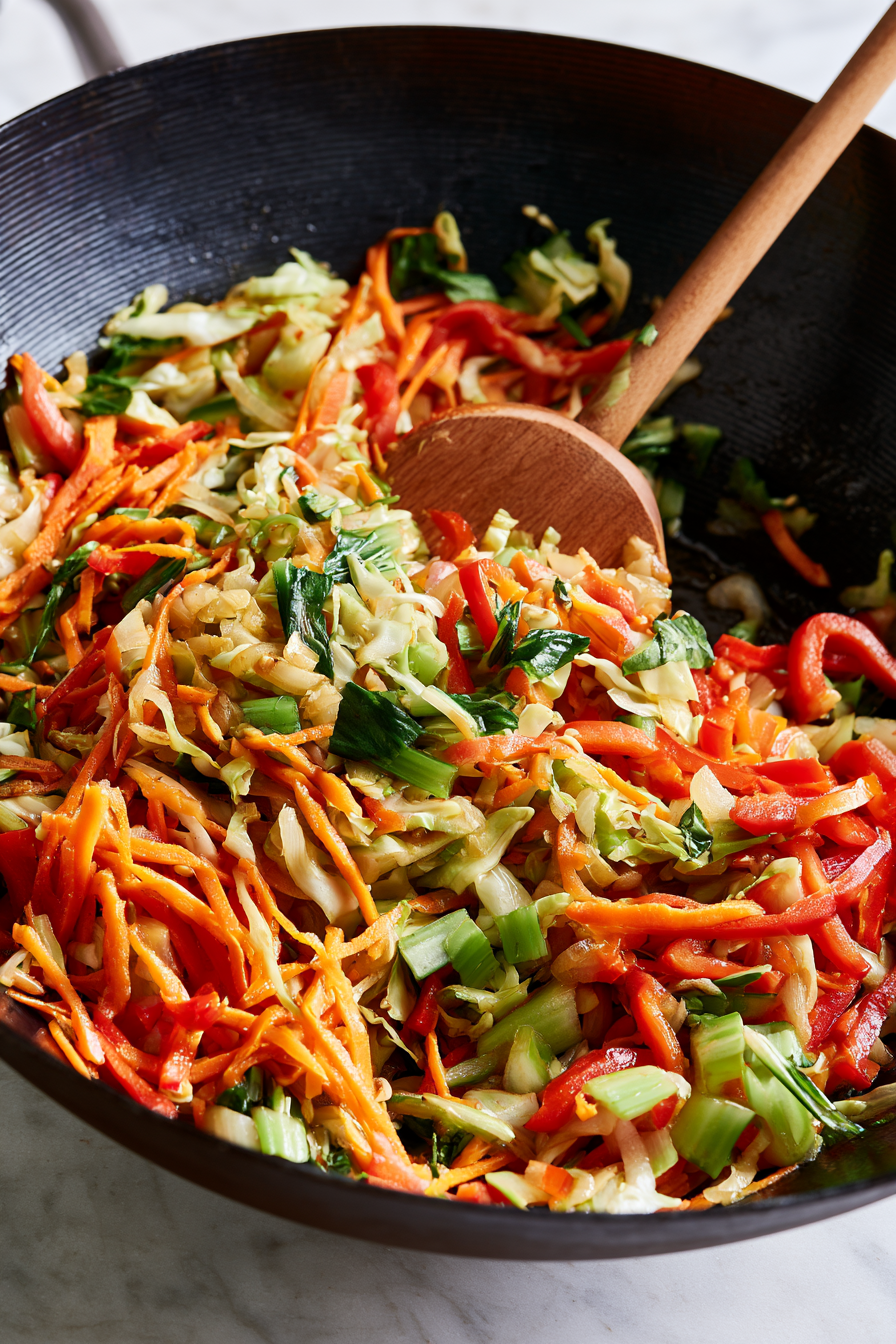
- Return the cooked tofu or vegan chicken to the pan along with the bok choy leaves. Stir everything together until warmed through.
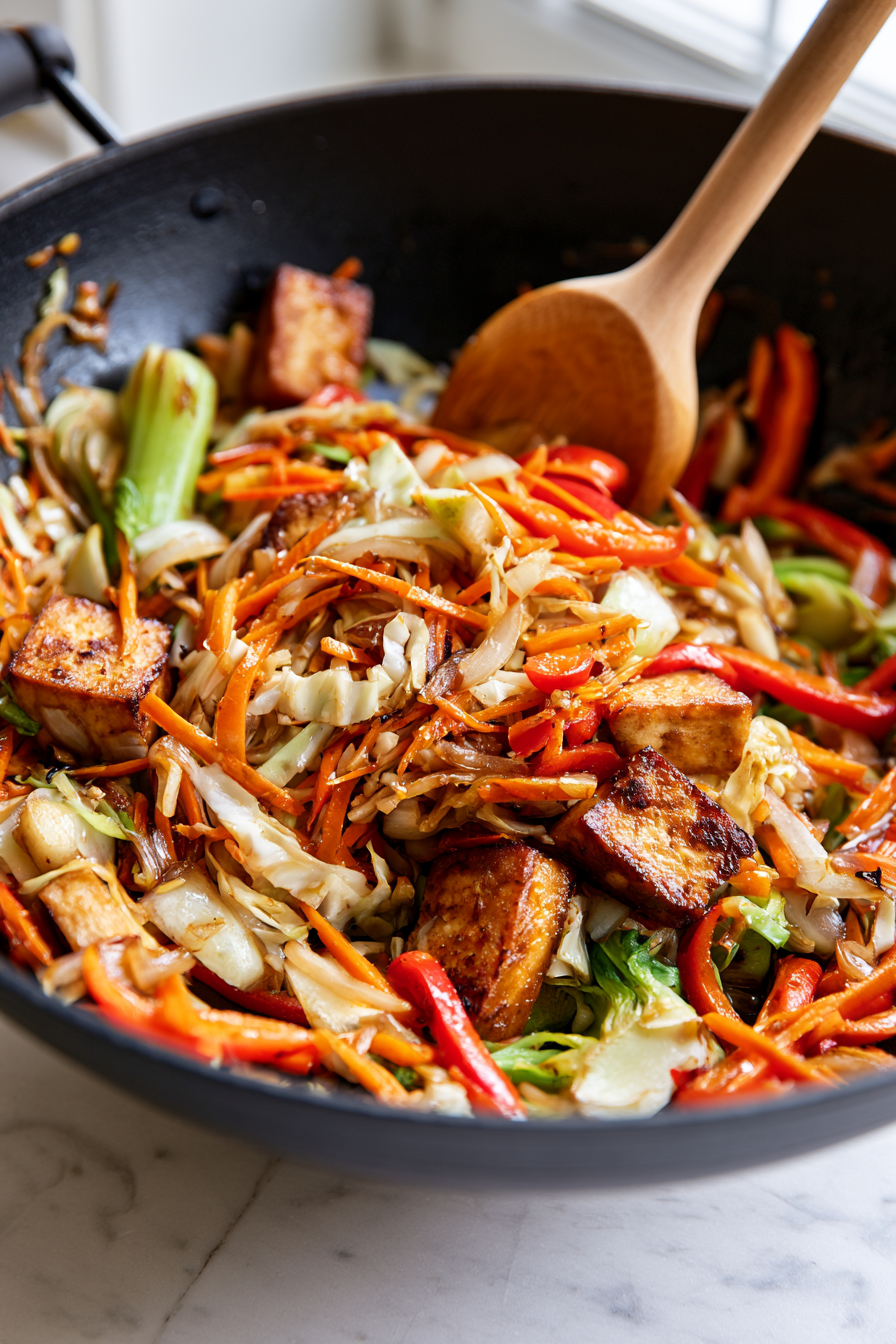
- Add the cooked noodles and pour the prepared chow mein sauce over the top. Toss continuously until the noodles are evenly coated and the sauce thickens slightly.
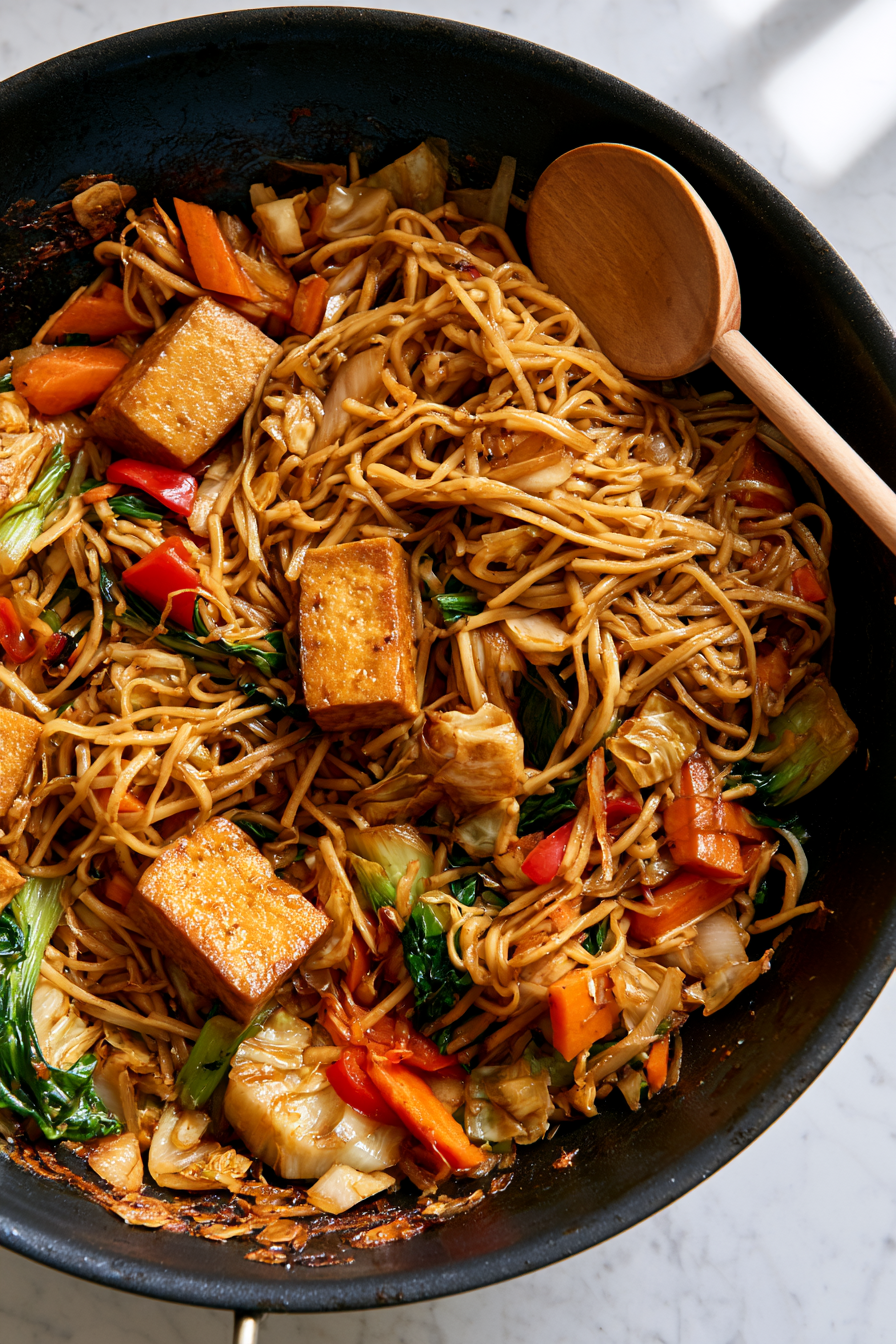
- Continue cooking for another 2–3 minutes, allowing some noodles to lightly crisp against the pan for extra texture.
- Remove from heat and garnish with green onions and sesame seeds. Serve immediately.
Notes
- Choose vegan noodles carefully: Traditional chow mein noodles may contain eggs, so check the packaging and choose noodles labeled vegan. Spaghetti or gluten-free noodles can also work as substitutes.
- Prep everything before cooking: Stir-frying happens quickly, so chop all vegetables and prepare the sauce before turning on the heat.
- Do not overcook the noodles: Slightly undercooked noodles hold their texture better when tossed with hot vegetables and sauce.
- Use high heat: A hot wok or skillet helps create the smoky flavor and lightly crisp texture associated with restaurant-style chow mein.
- Customize the vegetables: Add mushrooms, broccoli, snap peas, bean sprouts, or baby corn based on your preference.
- Add more protein: Crispy tofu, tempeh, edamame, or vegan chicken pieces make this meal more filling.
- Make it gluten-free: Use gluten-free noodles and replace soy sauce with tamari or coconut aminos.
- Storage: Store leftover chow mein in an airtight container in the refrigerator for up to 4 days. Reheat in a skillet with a splash of water to loosen the sauce.
Nutrition Information
| Nutrient | Amount |
|---|---|
| Calories | 390 kcal |
| Carbohydrates | 58g |
| Protein | 16g |
| Fat | 12g |
| Fiber | 6g |
| Sugar | 8g |
| Sodium | 820mg |
Nutrition information is an estimate and will vary depending on the noodles, sauces, and protein options used.
Common Mistakes to Avoid
- Using Non-Vegan Noodles: Always check labels because many traditional chow mein noodles contain eggs.
- Overcooking Noodles: Soft noodles can become mushy after stir-frying with sauce.
- Skipping Ingredient Prep: Stir-fries cook quickly, so ingredients should be ready before heating the pan.
- Crowding the Pan: Too many ingredients can steam vegetables instead of creating a crisp texture.
- Using Low Heat: High heat helps create the smoky flavor associated with restaurant-style chow mein.
- Adding Sauce Too Early: Sauce should coat the noodles after vegetables and protein are cooked.
Delicious Variations You Should Try
- Spicy Vegan Chow Mein: Add extra chili crisp, sriracha, or crushed red pepper flakes.
- Tofu Chow Mein: Use crispy baked tofu cubes instead of sliced tofu.
- Vegetable Chow Mein: Add mushrooms, broccoli, snap peas, bean sprouts, or baby corn.
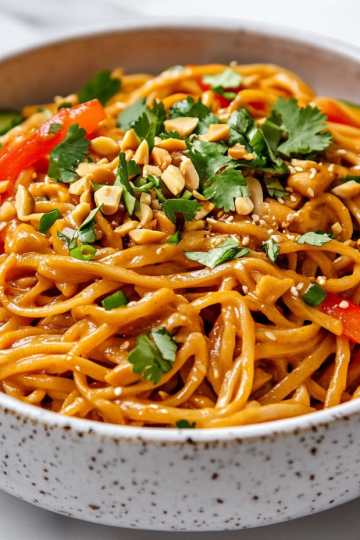
- Peanut Chow Mein: Add a spoonful of peanut butter to the sauce for a creamy twist.
- Coconut Curry Chow Mein: Add curry powder and coconut milk for a fusion-style version.
- High-Protein Chow Mein: Increase tofu, add edamame, or use protein-rich noodles.
- Garlic Chow Mein: Add extra minced garlic and green onions for a stronger flavor.
More Vegan Recipes You’ll Enjoy
Storage and Meal Prep Tips
- Refrigerator Storage: Store leftover chow mein in an airtight container for up to 4 days.
- Reheating: Warm in a skillet with a splash of water to loosen the sauce and refresh the noodles.
- Meal Prep: Chop vegetables and prepare sauce ahead of time for faster cooking.
- Protein Prep: Cook tofu in advance and store separately for better texture.
- Fresh Toppings: Add green onions, sesame seeds, or chili sauce after reheating for a fresher finish.
Frequently Asked Questions
- Can I make Vegan Chow Mein gluten-free?
Yes. Use gluten-free noodles and replace soy sauce with tamari or coconut aminos. - What noodles work best for vegan chow mein?
Vegan chow mein noodles, lo mein noodles, ramen noodles, udon, or spaghetti can all work depending on availability. - Can I use another protein instead of tofu?
Yes. Tempeh, edamame, chickpeas, or vegan chicken alternatives are great substitutes. - Why are my noodles sticky?
Noodles can become sticky if overcooked or not rinsed after boiling. Cooking them slightly under and rinsing briefly helps. - Can I make chow mein ahead of time?
Yes. It stores well and makes a convenient meal prep option for lunches or quick dinners. - How do I make chow mein taste like takeout?
Use high heat, toasted sesame oil, dark soy sauce, garlic, and a balanced sauce with sweet, salty, and savory flavors. - What vegetables can I add to chow mein?
Mushrooms, broccoli, snap peas, cabbage, bok choy, carrots, peppers, and bean sprouts all work beautifully.

Hi, I’m Austin. Every recipe you’ll find here is carefully tested, photographed, and created to help you cook with confidence…..
know more