Vegan Vegetable Pilaf Recipe
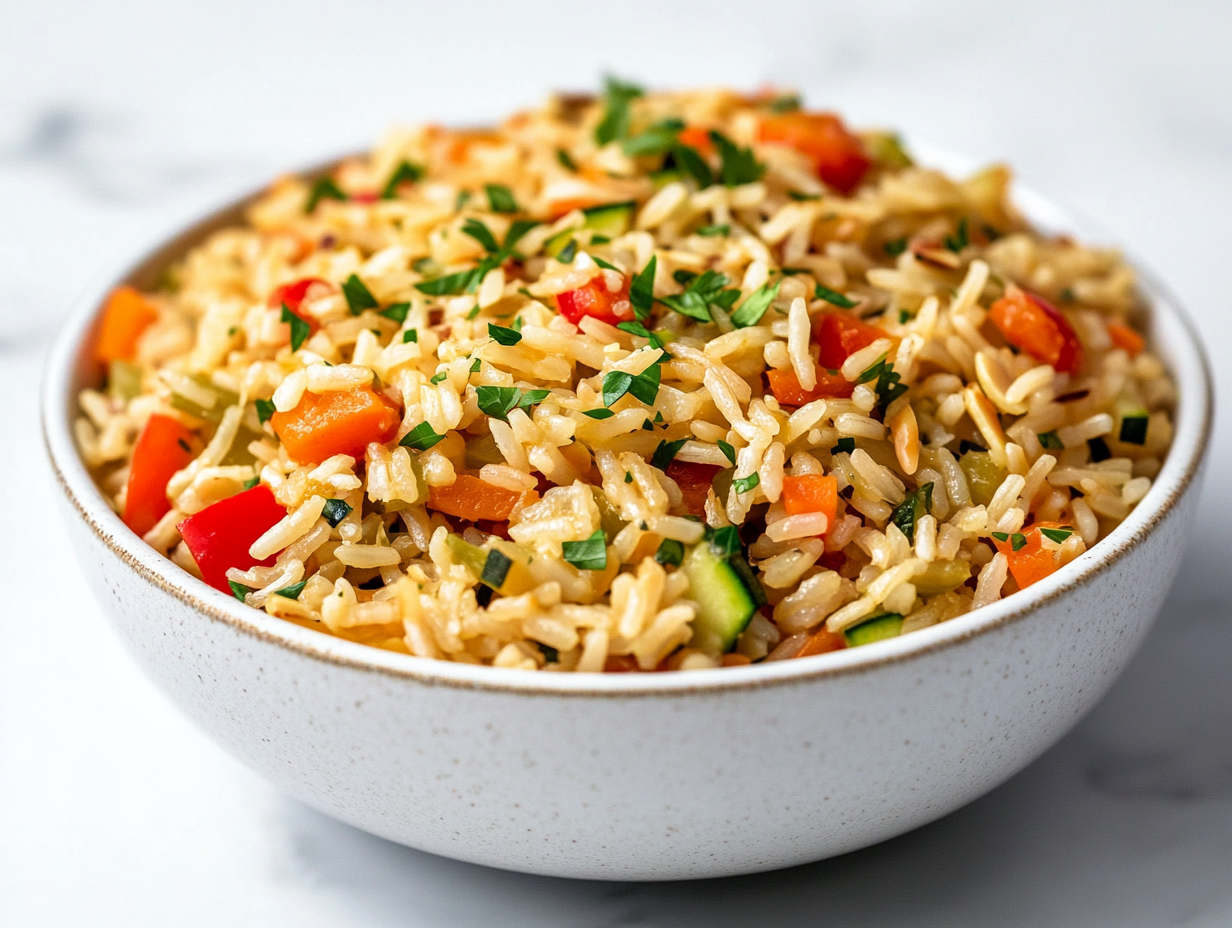
This Vegan Vegetable Pilaf Recipe is a colorful one-pot rice dish made with zucchini, carrots, bell peppers, tomatoes, fresh herbs, and vegetable broth. It is simple enough for a weeknight side dish but substantial enough to serve as a light plant-based main course.
The long-grain rice cooks gently with the vegetables and herbs, creating fluffy grains with a fresh, savory taste. Lemon juice and parsley are stirred in at the end to brighten the dish, while optional toasted almonds add a satisfying crunch.
Why You’ll Reach for This Recipe Again
- One-Skillet Cooking: The pilaf comes together in one covered skillet, keeping cleanup simple.
- Vegetable-Filled: Several colorful vegetables are incorporated directly into the rice.
- Plant-Based: Uses vegan butter or olive oil and vegetable broth for a completely plant-based dish.
- Simple Pantry Staples: Rice, broth, herbs, and everyday vegetables make up the foundation.
- Flexible Side Dish: Serve it alongside roasted vegetables, tofu, or other plant-based mains.
- Easy Meal Prep: Four servings make it useful for planned lunches or dinners throughout the week.
Chef’s Tip: Let the pilaf rest covered for the full 10 minutes after cooking. The trapped steam finishes the rice and helps the grains firm up before you fluff them.
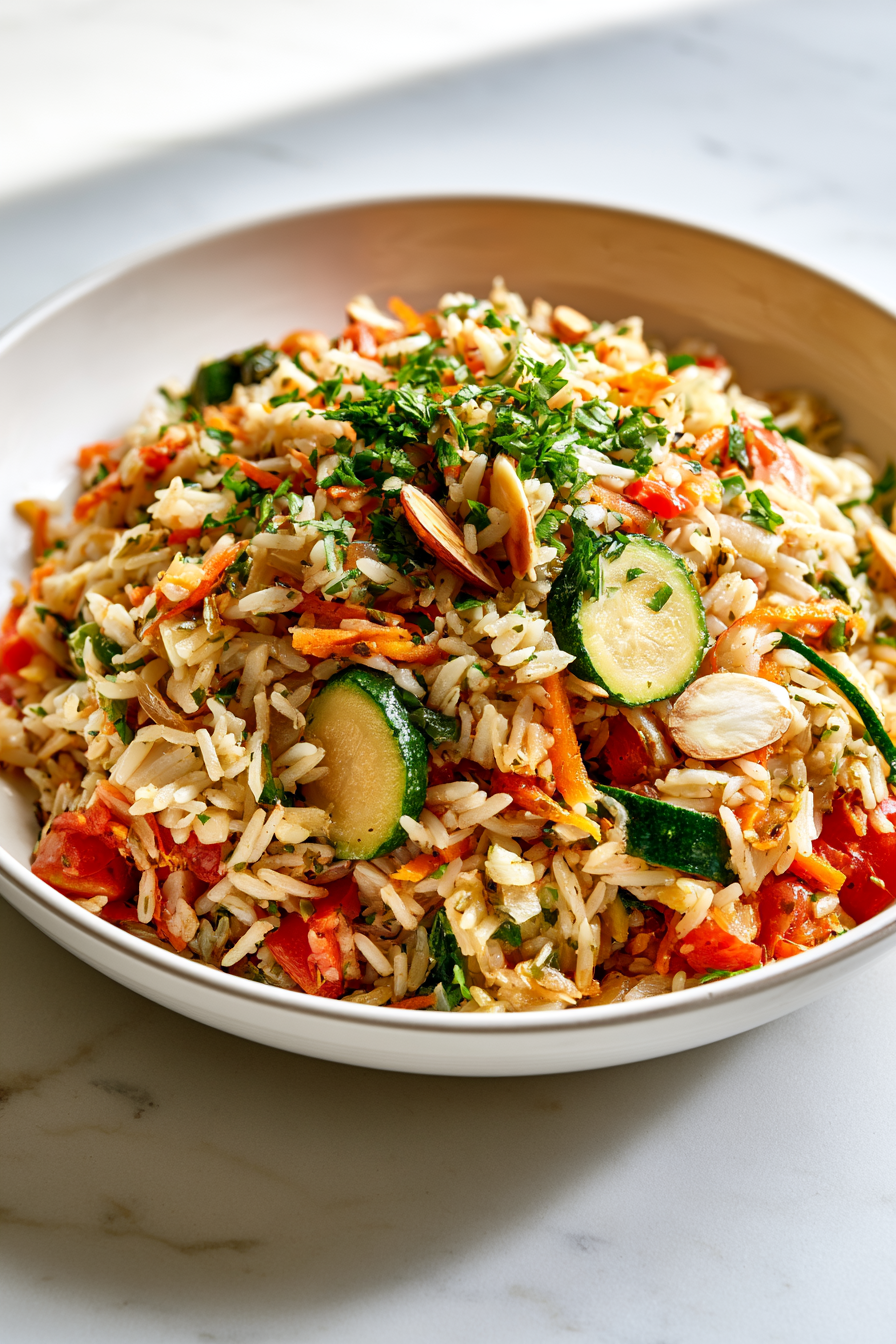
Vegan Vegetable Pilaf Recipe
Equipment
- Large skillet with lid
- Chef's Knife
- Fork
Ingredients
For the Vegetable Pilaf
- 2 tablespoons vegan butter or olive oil
- 1 small yellow onion finely diced
- 1 medium carrot grated
- 1 small red bell pepper diced
- 1 medium zucchini cut into small half-moons
- 1 cup long-grain white rice rinsed and drained
- 4 garlic cloves minced
- 1¾ cups vegetable broth
- ½ cup diced tomatoes
- 1 teaspoon fresh thyme leaves
- 1 teaspoon fresh rosemary finely chopped
- ½ teaspoon dried basil
- ½ teaspoon salt
- ¼ teaspoon black pepper
- 2 tablespoons fresh lemon juice
- 2 tablespoons fresh parsley chopped
Optional Garnishes
- Toasted sliced almonds
- Fresh parsley
- Lemon wedges
Instructions
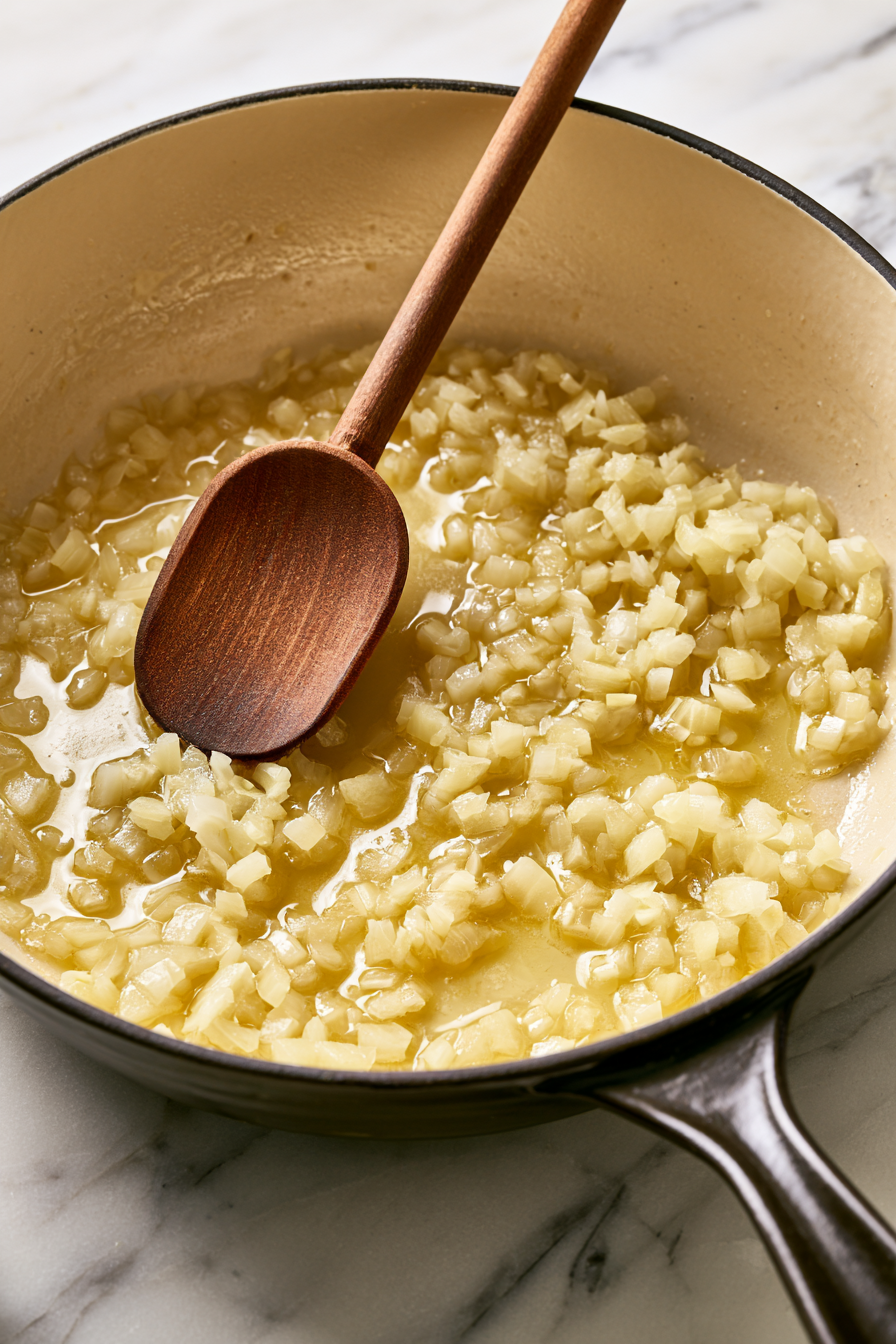
- Heat the vegan butter in a large skillet over medium heat. Add the onion and cook for about 5 minutes until softened.
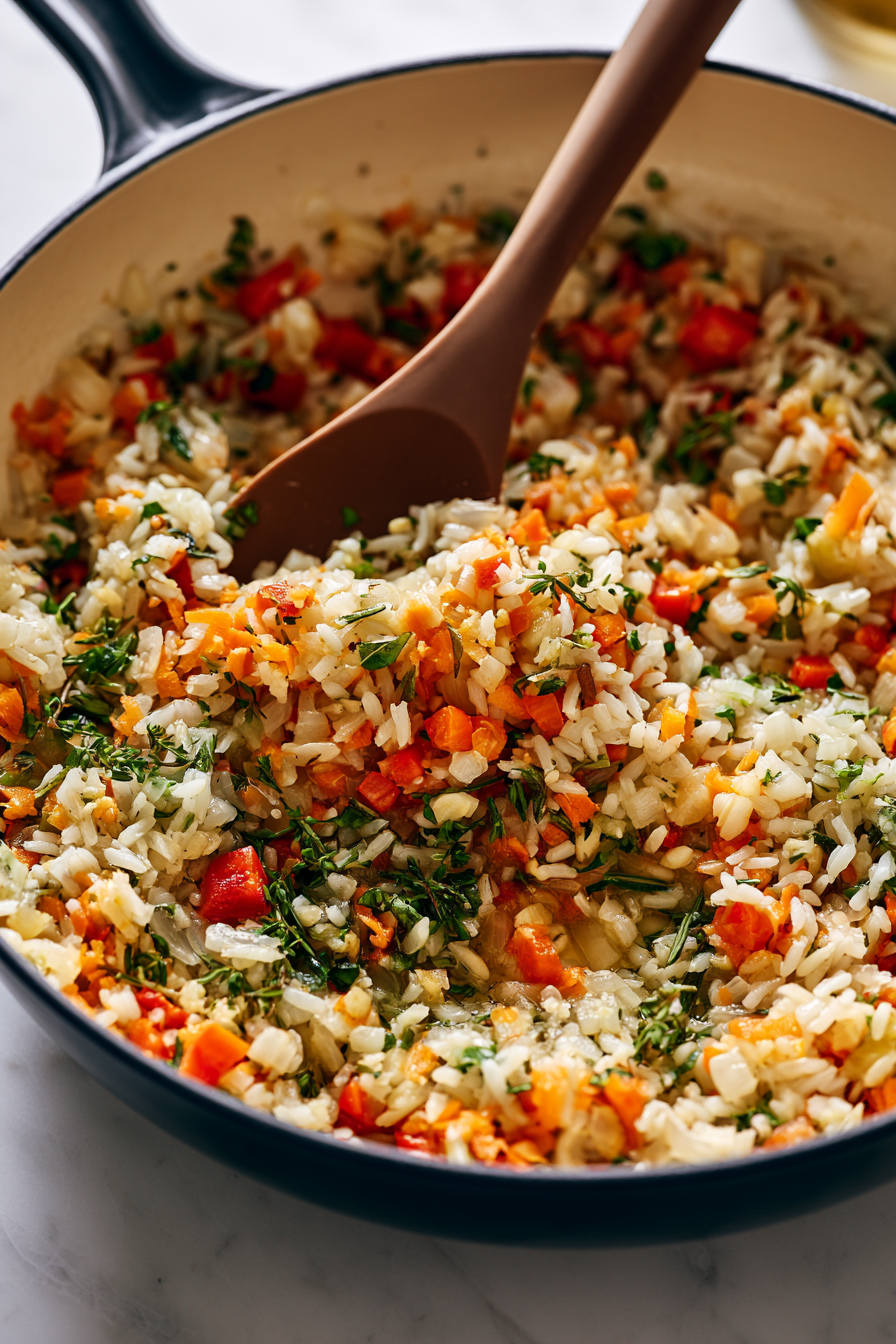
- Stir in the rice, carrot, bell pepper, garlic, thyme, rosemary, and basil. Cook for 2 to 3 minutes until the rice is lightly toasted.
- Add the vegetable broth, diced tomatoes, salt, and black pepper. Bring to a gentle boil.
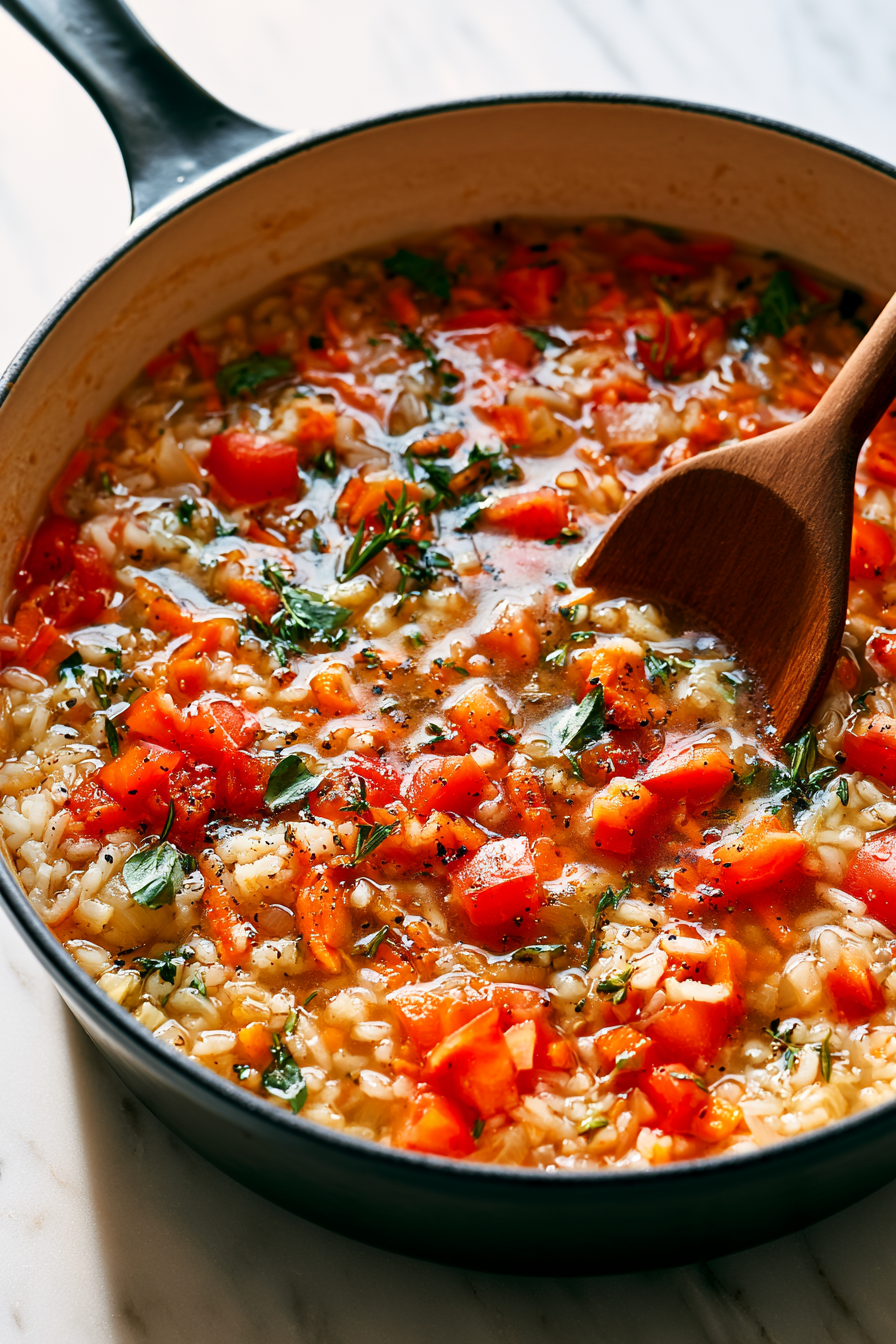
- Reduce the heat to low, cover, and simmer for 10 minutes.
- Stir in the zucchini, cover again, and cook for another 5 minutes.
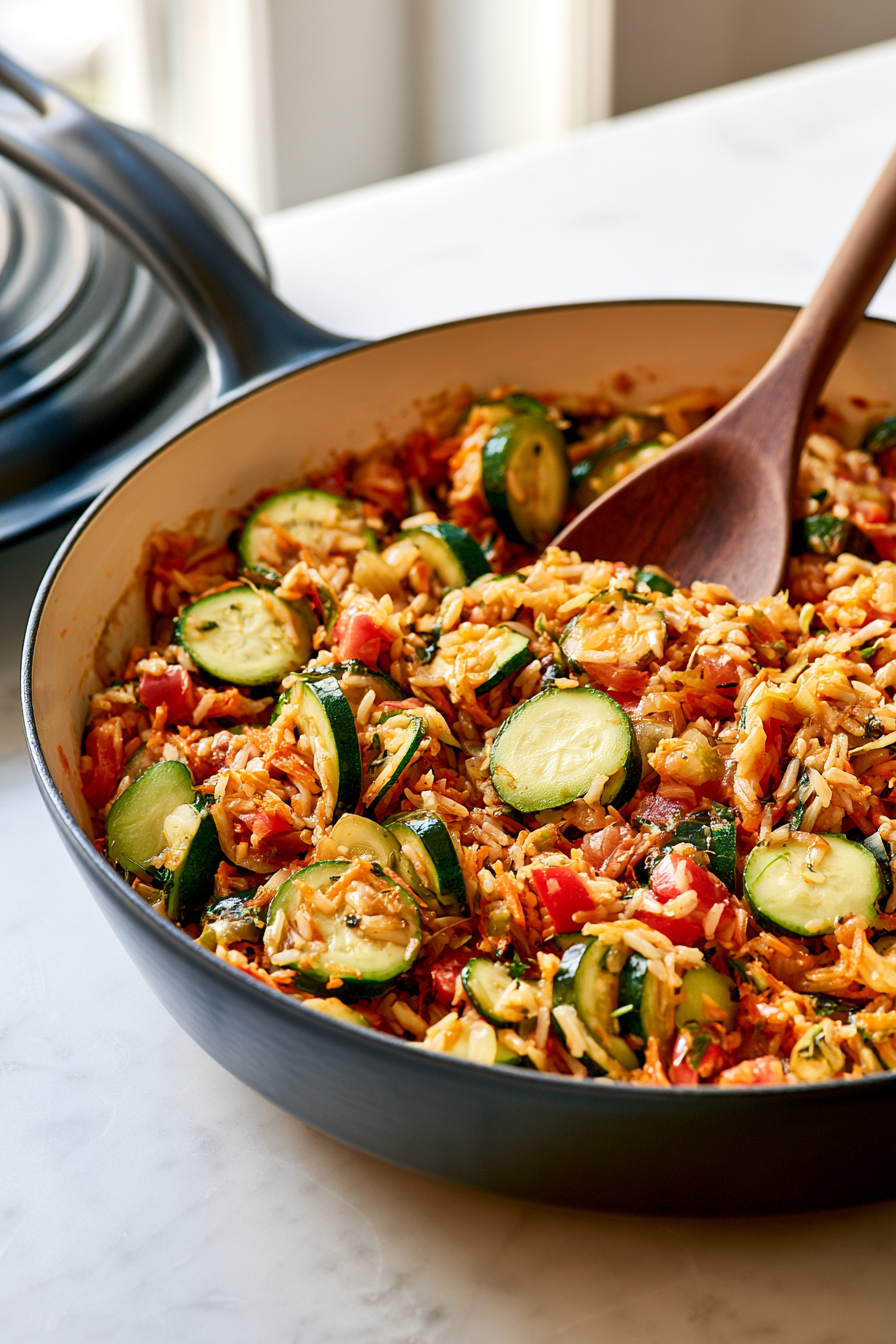
- Remove from the heat and let the pilaf rest, covered, for 10 minutes.
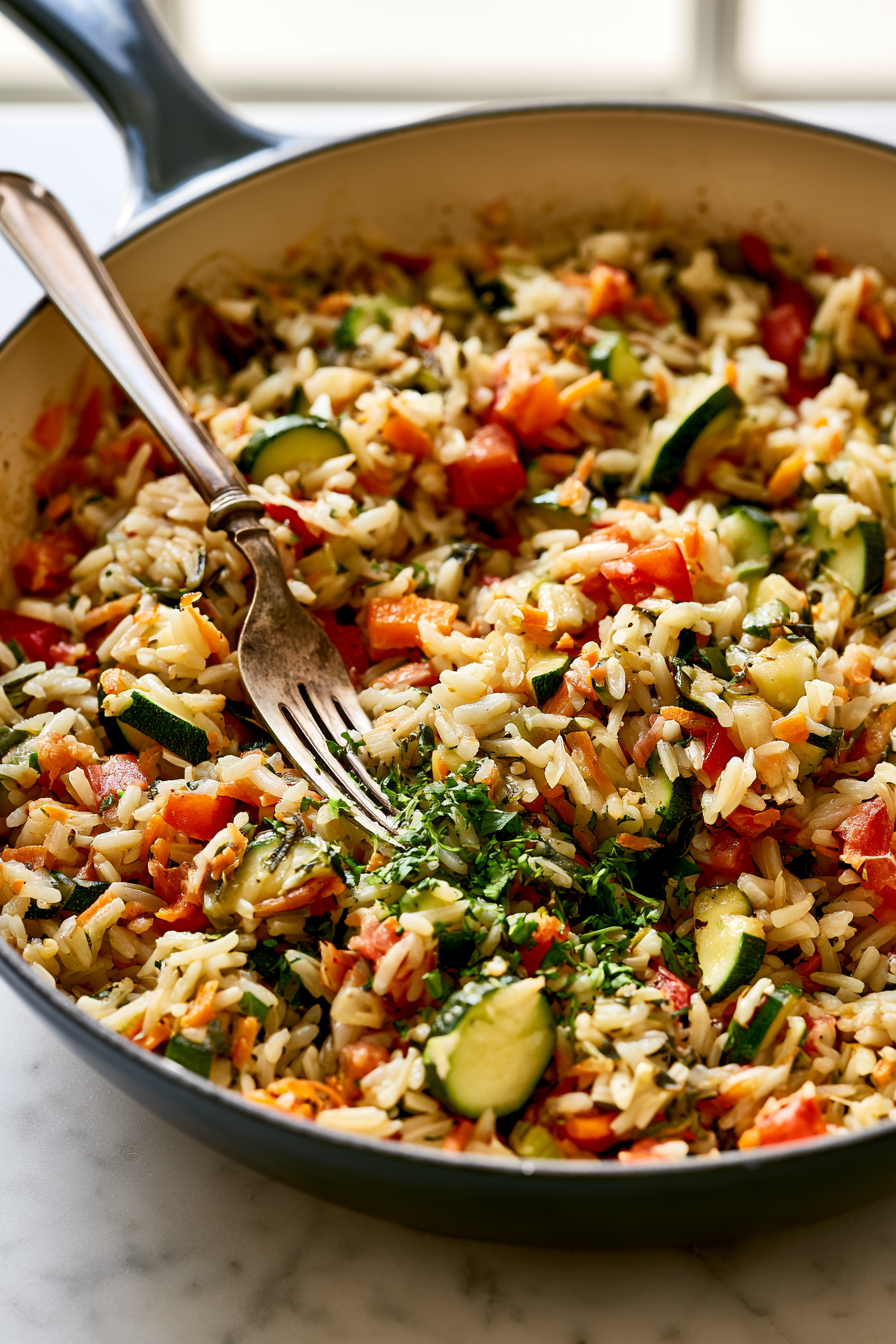
- Fluff the rice with a fork, then stir in the lemon juice and fresh parsley. Taste and adjust the seasoning before serving.
Notes
- Use basmati or jasmine rice for a light, fluffy pilaf. White rice works best with the cooking time and liquid ratio used here.
- Cut the vegetables into similar-sized pieces so they cook evenly.
- For extra protein, add chickpeas, white beans, or cubed tofu.
- You can swap the vegetables with mushrooms, green beans, peas, or spinach.
- Store leftovers in an airtight container in the refrigerator for up to 4 days.
Nutrition Information
| Nutrient | Amount |
|---|---|
| Calories | 245 kcal |
| Carbohydrates | 43g |
| Protein | 5g |
| Fat | 7g |
| Fiber | 4g |
| Sugar | 6g |
| Sodium | 590mg |
Common Mistakes to Avoid
- Skipping the Rice Toasting: Briefly cooking the rice with the vegetables helps develop its flavor before the broth is added.
- Adding Zucchini Too Early: Zucchini only needs the final five minutes of cooking to become tender without losing too much structure.
- Lifting the Lid: Keeping the skillet covered helps retain the steam needed for the rice to cook properly.
- Skipping the Resting Time: Fluffing the rice immediately can result in a less settled texture.
- Using Too Much Liquid: Follow the stated broth measurement to avoid overly wet rice.
- Stirring Too Much: Excessive stirring during cooking can release starch and make the rice less fluffy.
Easy Ways to Change It Up
- Chickpea Pilaf: Add drained chickpeas for extra protein and substance.
- Mushroom Version: Replace some of the vegetables with sliced mushrooms for a more savory variation.
- Green Bean Pilaf: Add chopped green beans for additional vegetable texture.
- Spinach Version: Stir in fresh spinach during the final few minutes of cooking.
- Nutty Finish: Add toasted sliced almonds or pine nuts just before serving.
- Spicy Pilaf: Add a pinch of red pepper flakes for gentle heat.
- Mediterranean Version: Add chopped olives and extra fresh herbs for a Mediterranean-inspired variation.
More Vegan Recipes You’ll Enjoy
Best Ways to Store Leftovers
- Refrigerator Storage: Store cooled pilaf in an airtight container for up to 4 days.
- Portion Storage: Divide leftovers into individual containers for convenient lunches or dinners.
- Reheating: Warm gently in the microwave or on the stovetop until heated through.
- Moisture Tip: Add a small splash of vegetable broth or water if the rice seems dry when reheating.
- Garnish Later: Add toasted nuts, fresh parsley, and lemon wedges after reheating for the best finish.
Frequently Asked Questions
- Why do I need to rinse the rice
Rinsing removes some of the surface starch from the grains, which helps prevent the cooked rice from becoming excessively sticky. - Can I use brown rice instead of white rice
Brown rice requires a different cooking time and liquid ratio, so it should not be substituted directly using the instructions as written. - Why is my pilaf rice still firm
The rice may need additional time to absorb the liquid and finish cooking. Keep the skillet covered so the steam remains trapped while the grains soften. - Why should the zucchini be added later
Zucchini cooks much faster than rice. Adding it during the final cooking stage helps it become tender without spending the entire simmering time in the skillet. - What is the difference between pilaf and plain rice
Pilaf typically involves cooking rice with aromatics and other ingredients, often after briefly sautéing the grains. This builds additional flavor directly into the rice. - Can I make this pilaf without fresh herbs
Yes. The recipe can still be prepared with the dried basil and other seasonings, although fresh thyme, rosemary, and parsley provide a brighter herbal character. - How can I tell when the rice is properly cooked
The grains should be tender without being mushy, and most of the cooking liquid should have been absorbed before the covered resting period.

Hi, I’m Austin. Every recipe you’ll find here is carefully tested, photographed, and created to help you cook with confidence…..
know more