Vegan Bolognese Recipe
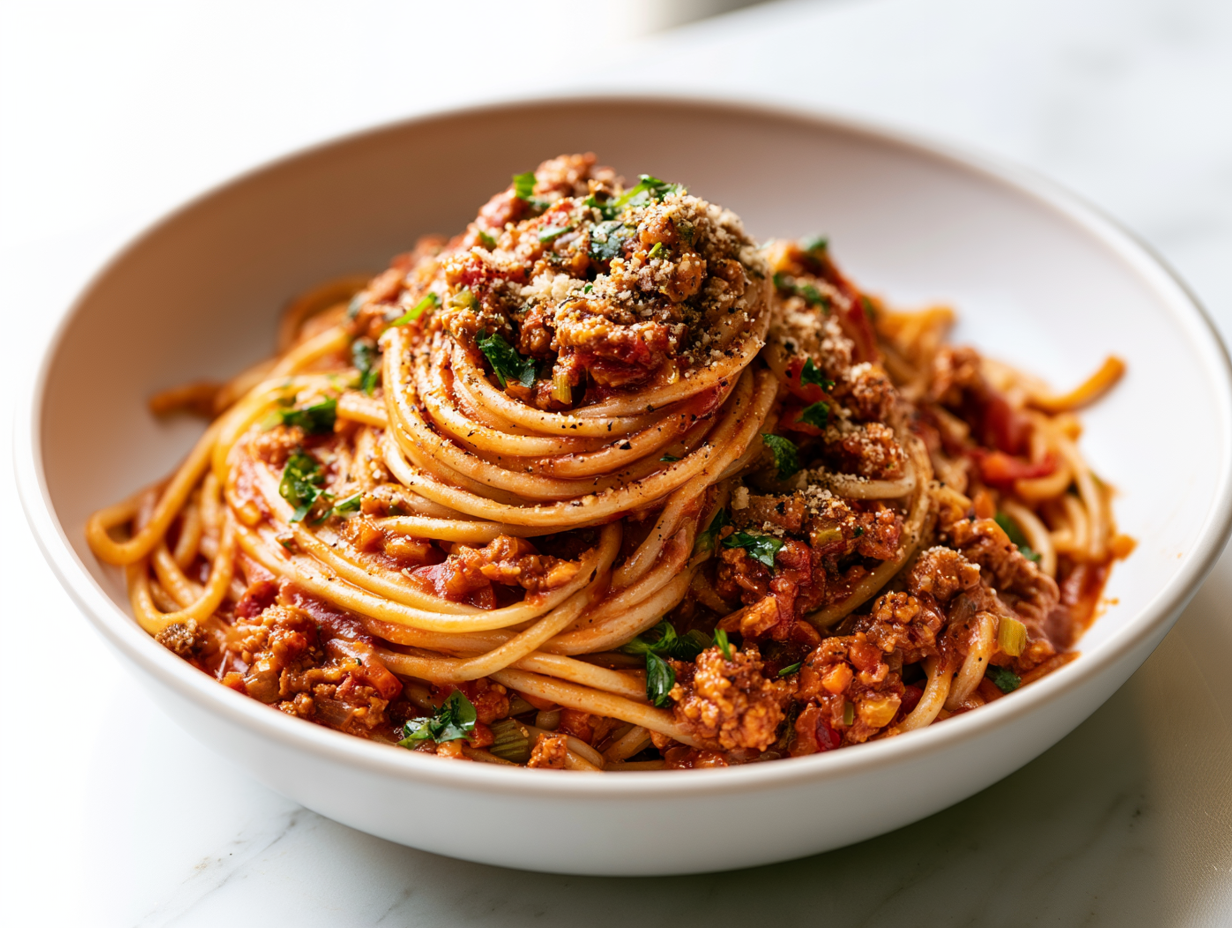
This Vegan Bolognese Recipe is a hearty, tomato-based pasta sauce made with plant-based ground, finely diced vegetables, garlic, herbs, and pantry-friendly seasonings. The sauce simmers gently until thick and rich, making it an easy option for a satisfying vegan dinner.
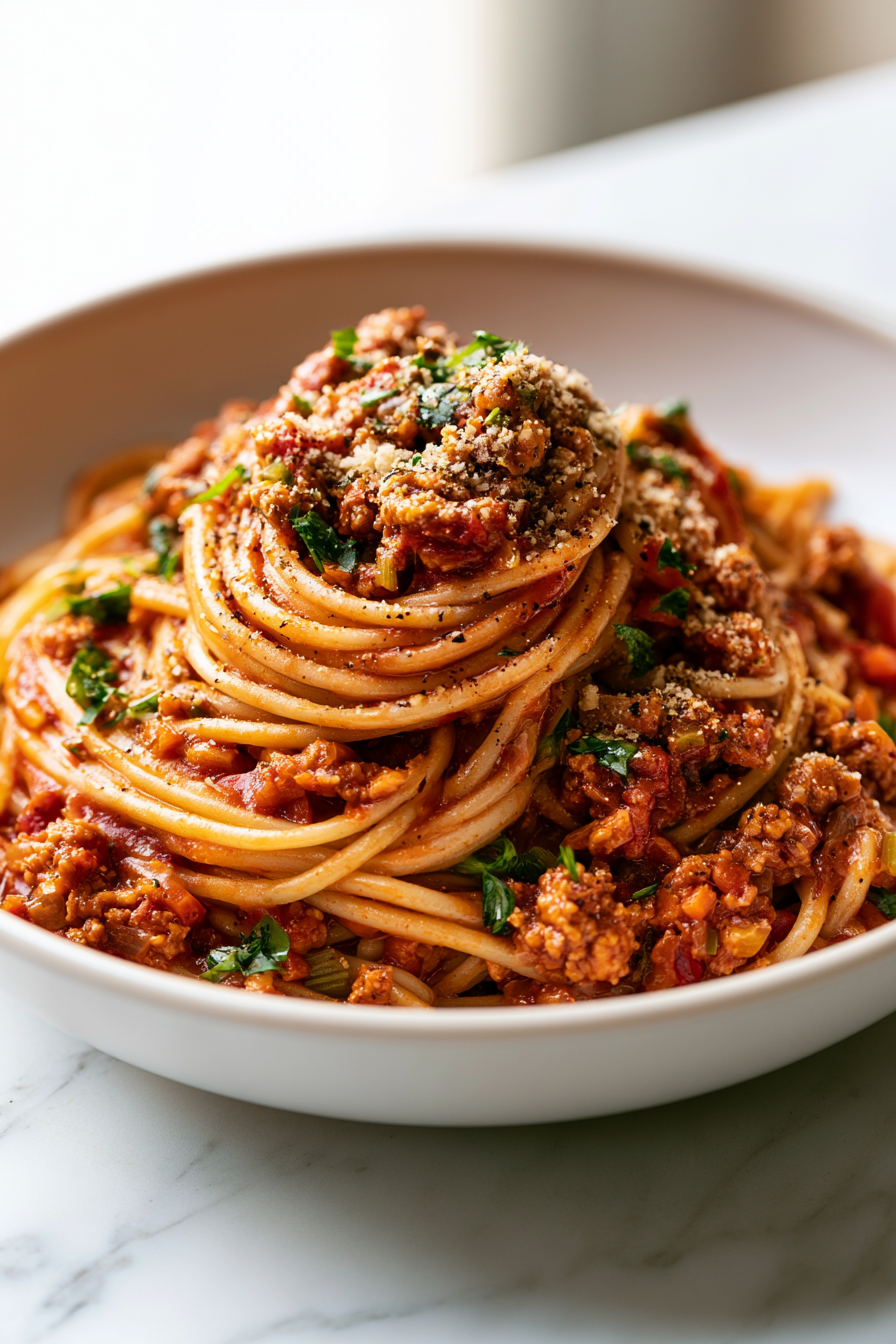
The finished Bolognese has a savory, meaty-style texture with layers of tomato, herbs, garlic, and balsamic vinegar. Tossed with al dente spaghetti, it makes a comforting pasta dinner that is easy to adapt with different noodles or plant-based proteins.
Why You’ll Keep Making This Recipe
- Simple One-Pot Sauce: The Bolognese cooks in one skillet or Dutch oven for straightforward cleanup.
- Pantry Friendly: Most of the ingredients are everyday staples that are easy to keep on hand.
- Meal-Prep Friendly: The sauce can be made ahead and stored for later meals.
- Easy Technique: Sautéing the vegetables and simmering the sauce are the main cooking steps.
- Flexible Protein: Different plant-based ground products or lentils can be used.
- Versatile Sauce: Use it with pasta, baked dishes, or other plant-based meals.
Chef’s Tip: Give the sauce enough time to simmer gently. The gradual reduction concentrates the tomatoes and allows the vegetables, herbs, and plant-based ground to meld into a thicker sauce.
Vegan Bolognese Recipe
Equipment
- Large heavy-bottomed skillet or Dutch oven
- Large pot (for pasta)
- Colander
- Chef's Knife
Ingredients
For the Vegan Bolognese
- 2 tablespoons olive oil
- 1 medium yellow onion finely diced
- 1 medium carrot finely diced
- 1 celery stalk finely diced
- 4 garlic cloves minced
- 12 ounces vegan ground or plant-based meat crumbles
- 2 tablespoons tomato paste
- 28 ounces crushed canned tomatoes
- 1 cup low-sodium vegetable broth
- 2 tablespoons soy sauce or tamari
- 1 tablespoon balsamic vinegar
- 1 teaspoon dried oregano
- 1 teaspoon dried basil
- 1 bay leaf
- ½ teaspoon smoked paprika
- ½ teaspoon fine sea salt
- ¼ teaspoon freshly ground black pepper
- ½ teaspoon granulated sugar optional
- 1 teaspoon vegan Worcestershire sauce optional
For Serving
- 12 ounces spaghetti or your favorite pasta
- 2 tablespoons chopped fresh parsley or basil
- Vegan Parmesan optional
- Freshly ground black pepper for serving
Instructions
- Heat the olive oil in a large skillet or Dutch oven over medium heat. Add the onion, carrot, and celery and cook for 5–7 minutes, stirring occasionally, until the vegetables soften and begin to develop a sweet, savory aroma.
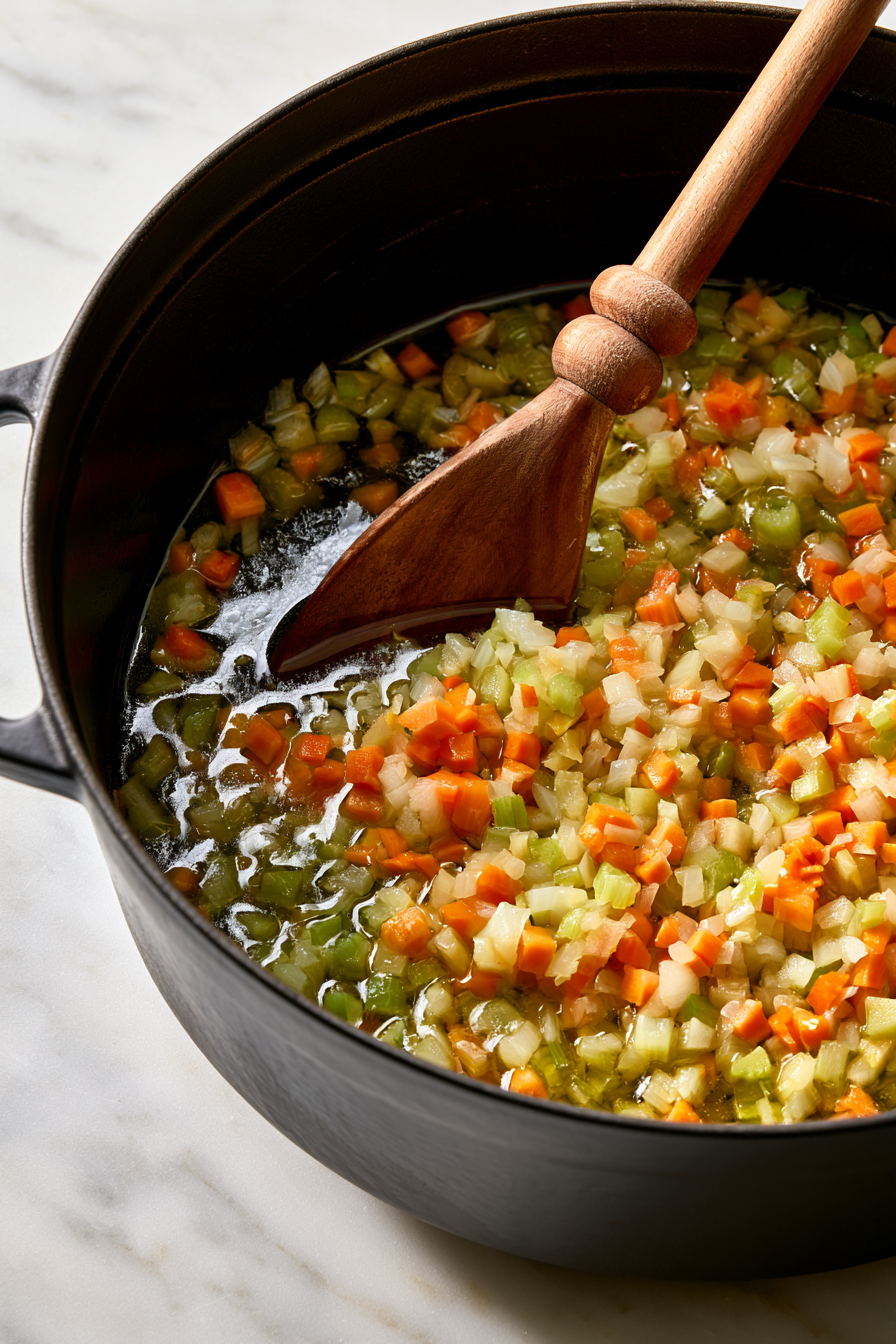
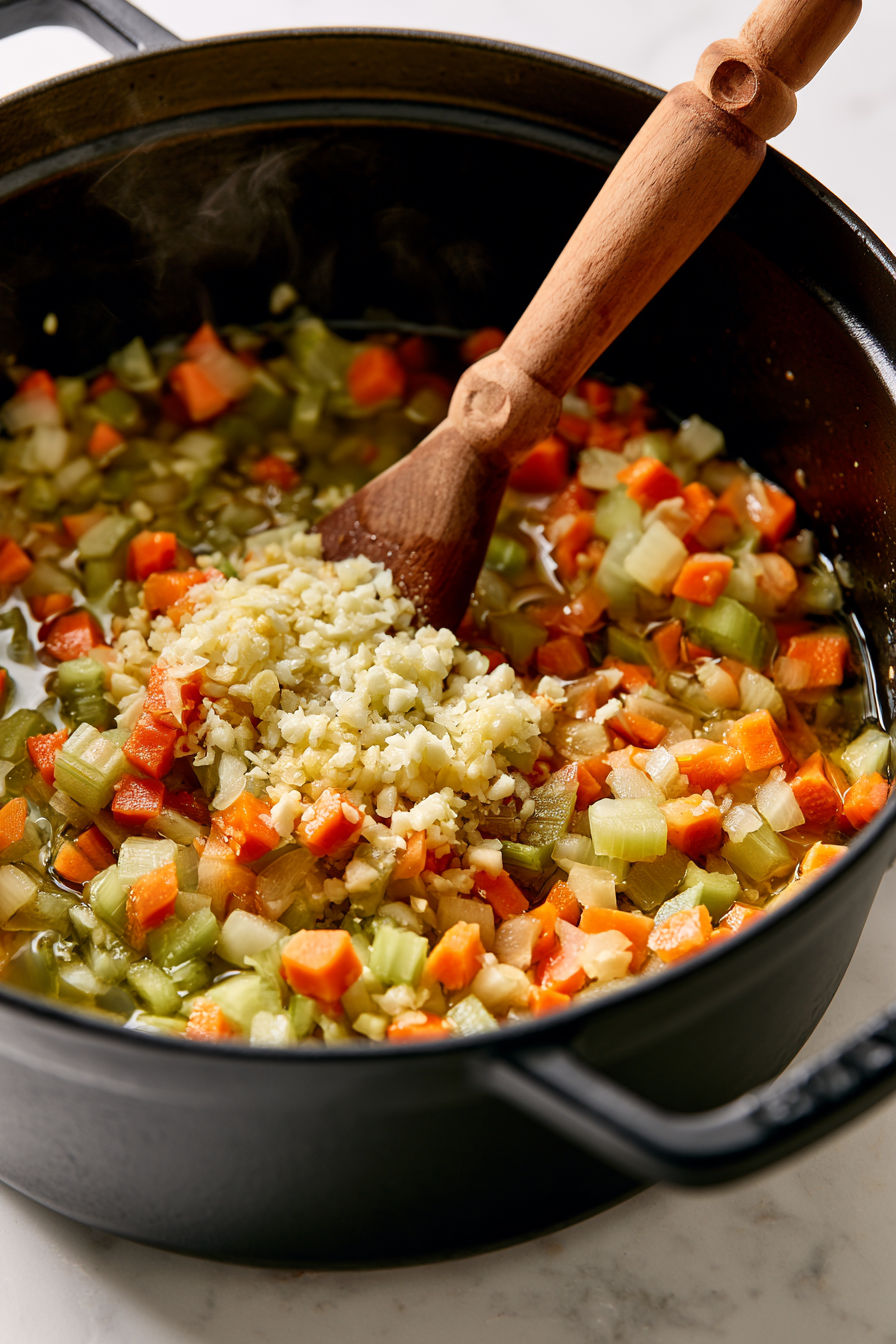
- Add the minced garlic and cook for another minute, just until fragrant.
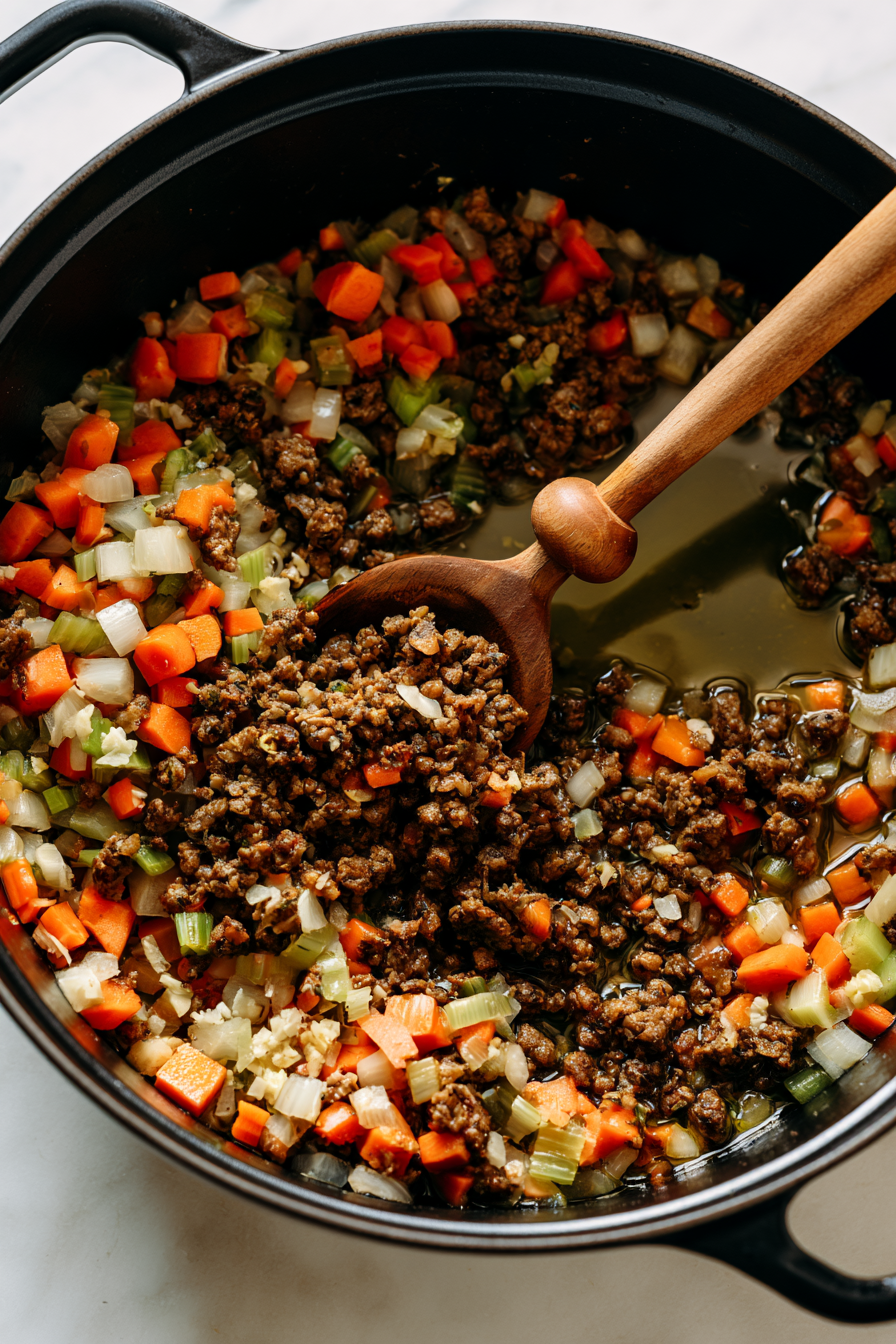
- Stir in the vegan ground and cook for 4–5 minutes, breaking it apart with a wooden spoon. Continue cooking until it begins to brown lightly and develops a hearty texture.
- Add the tomato paste, soy sauce, balsamic vinegar, oregano, basil, and smoked paprika. Stir well and cook for 1–2 minutes to deepen the flavor of the tomato paste and spices.
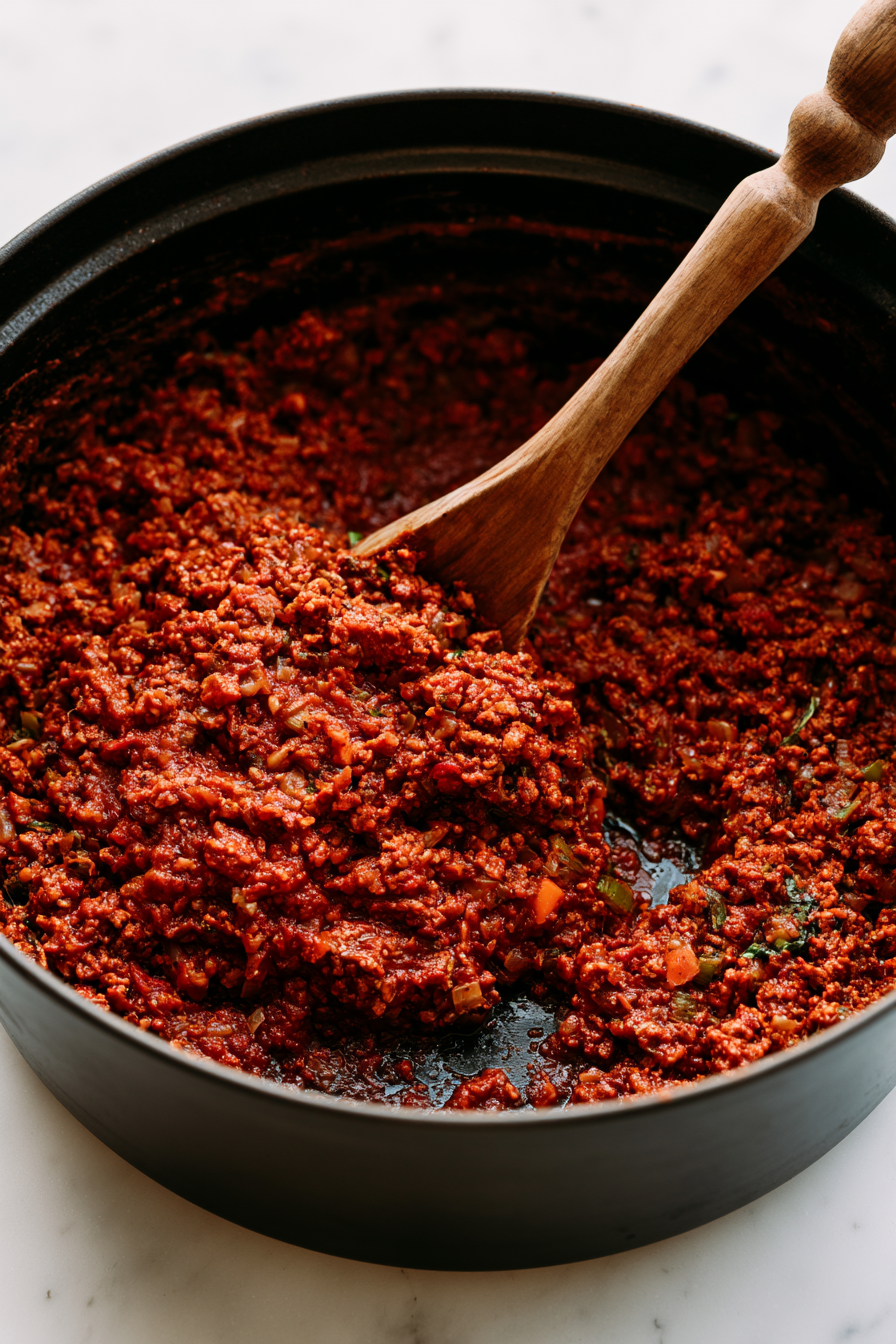
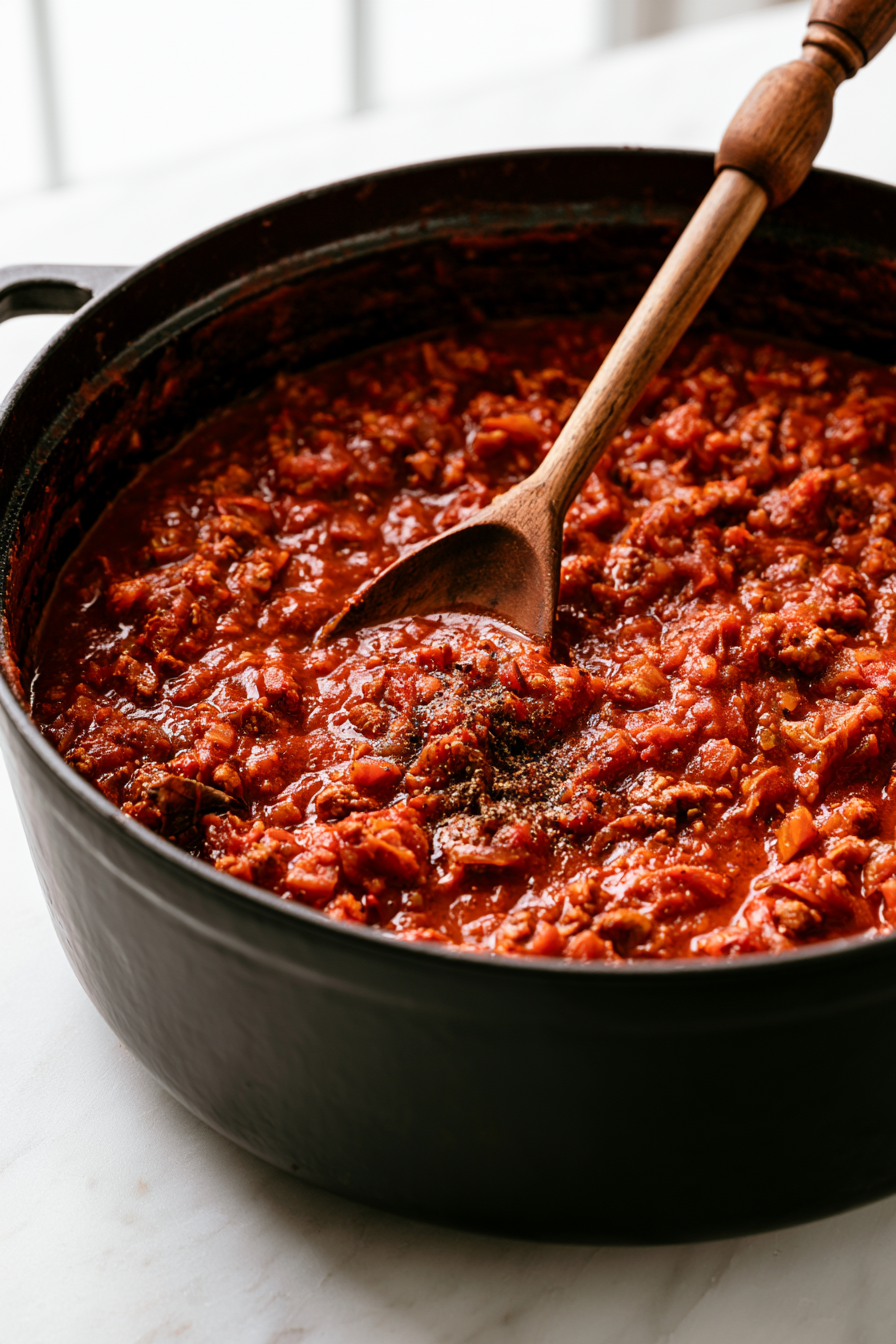
- Pour in the crushed tomatoes and vegetable broth. Add the bay leaf, salt, black pepper, and sugar if your tomatoes are particularly acidic.
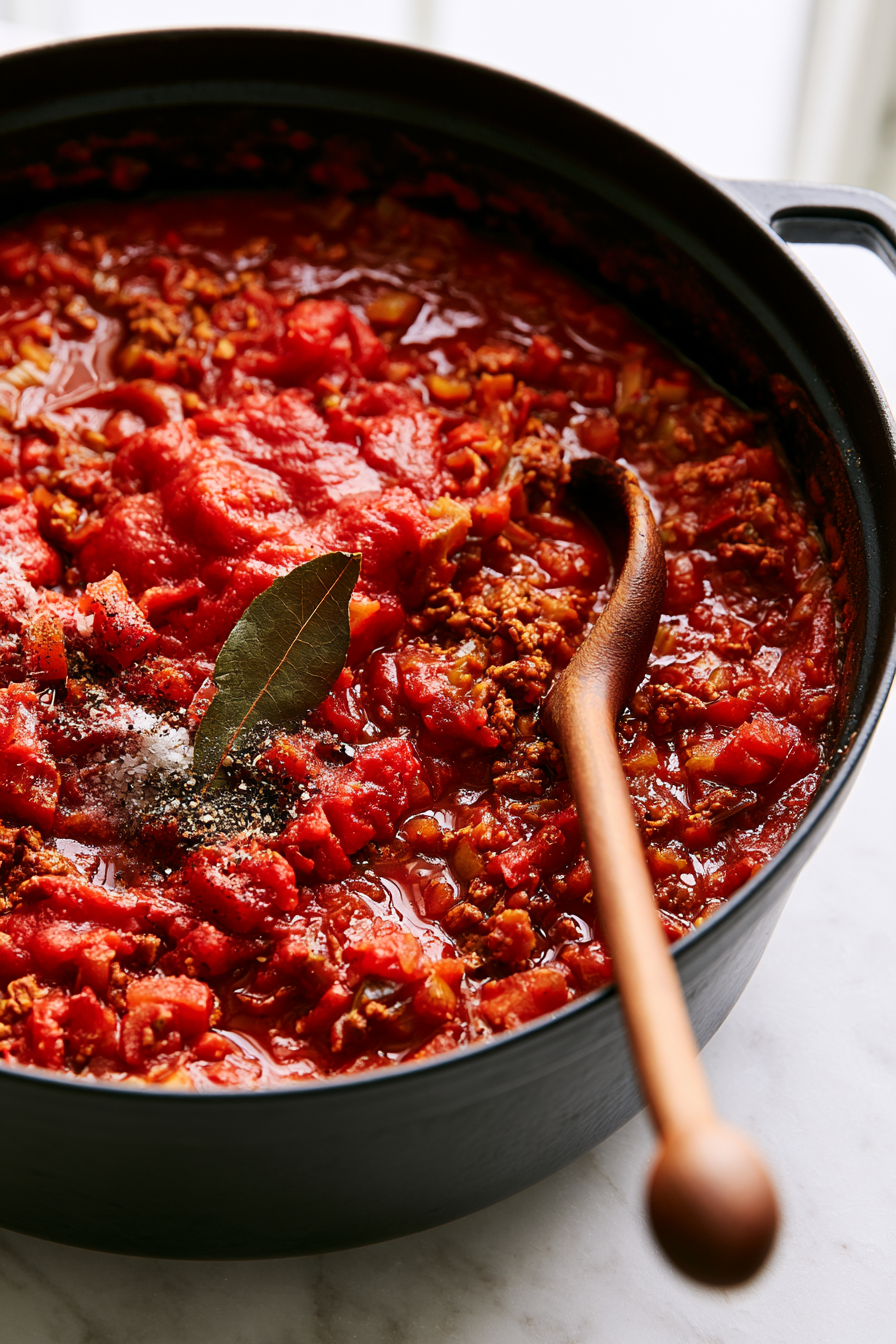
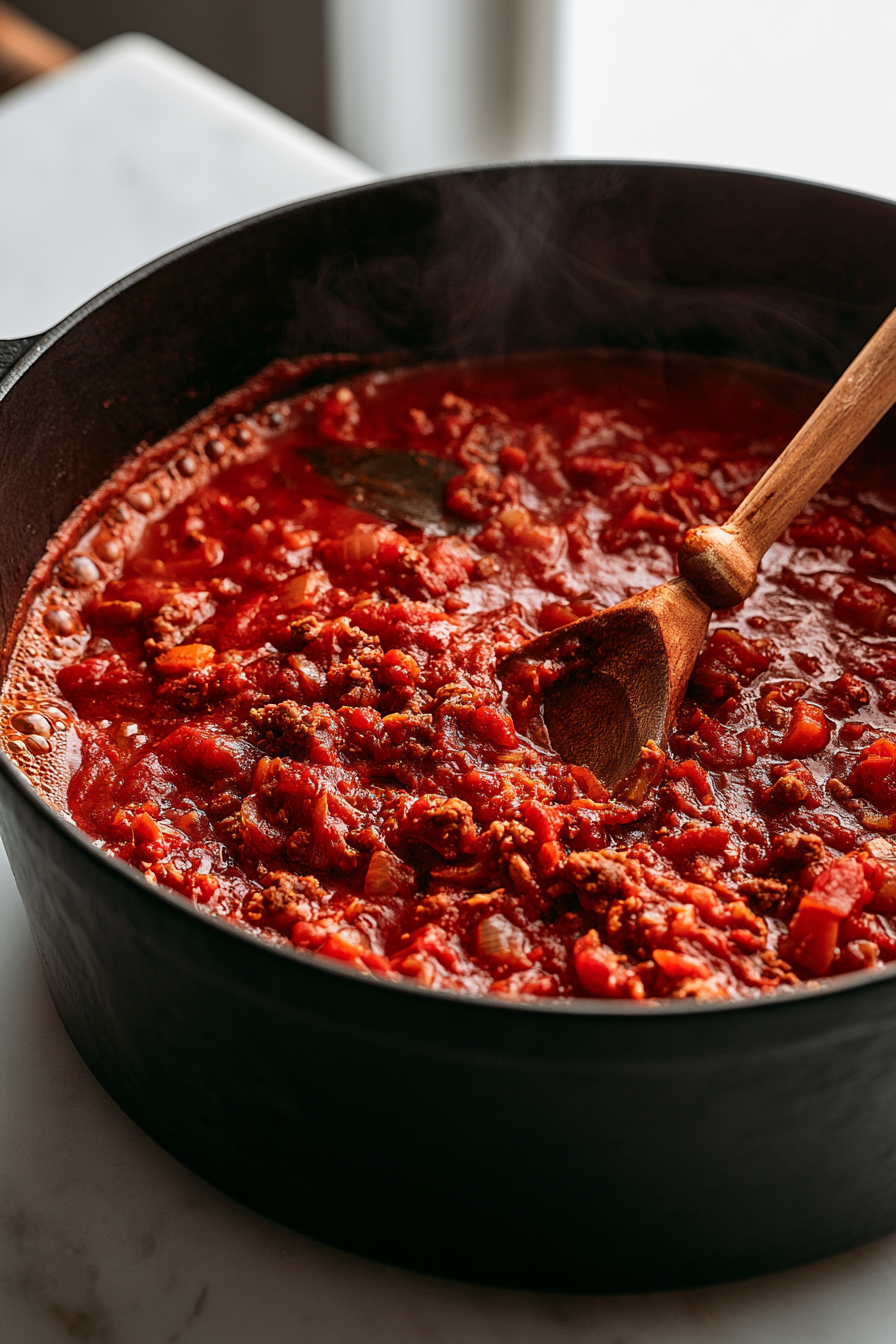
- Bring the sauce to a gentle simmer, then reduce the heat to low. Cover partially and let it simmer for about 30 minutes, stirring occasionally, until the sauce becomes thick and rich.
- While the Bolognese simmers, bring a large pot of generously salted water to a boil. Cook the spaghetti according to the package directions until al dente.
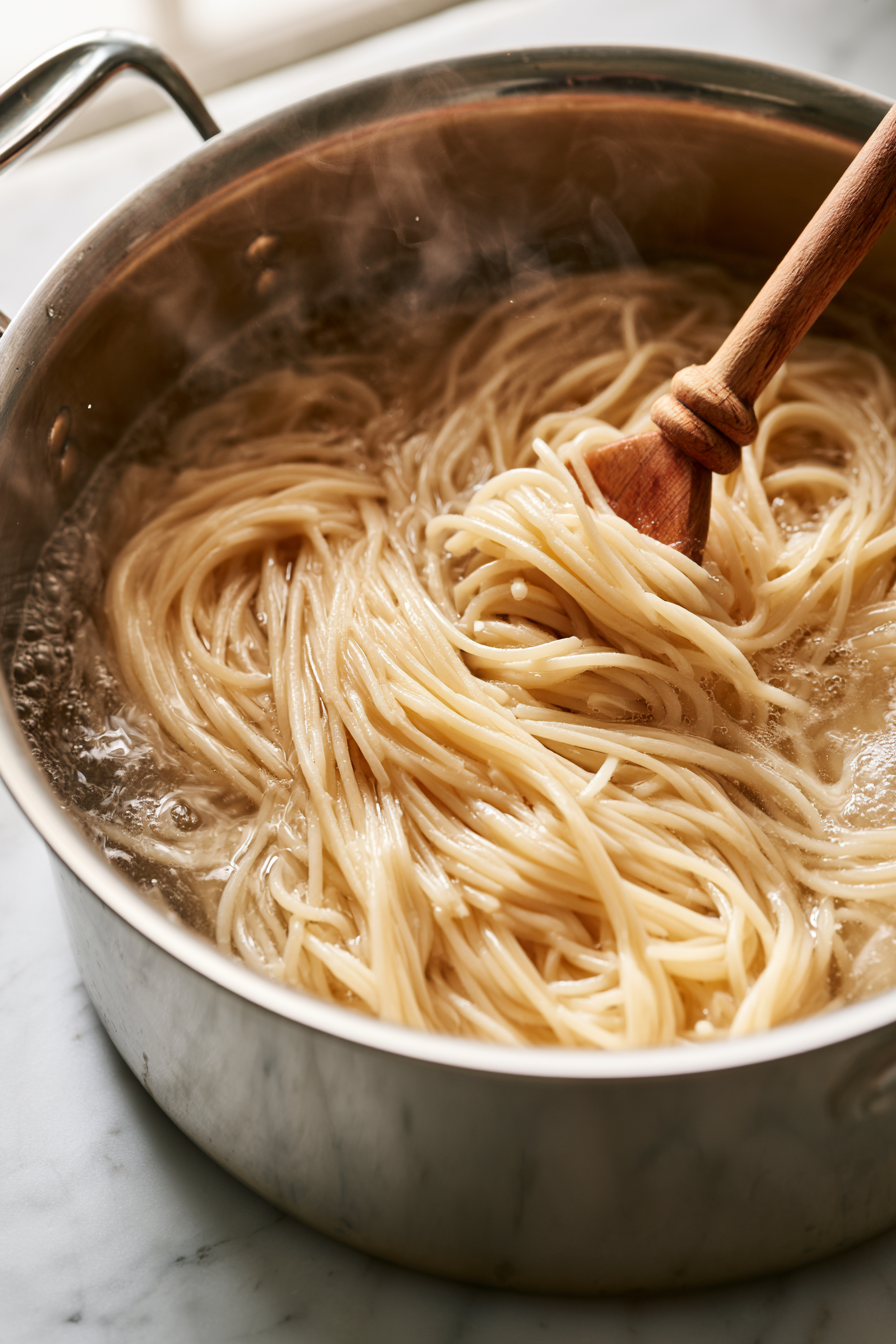
- Reserve about ½ cup of pasta water before draining the spaghetti.
- Remove the bay leaf from the Bolognese and taste the sauce. Adjust the salt, pepper, or balsamic vinegar as needed.
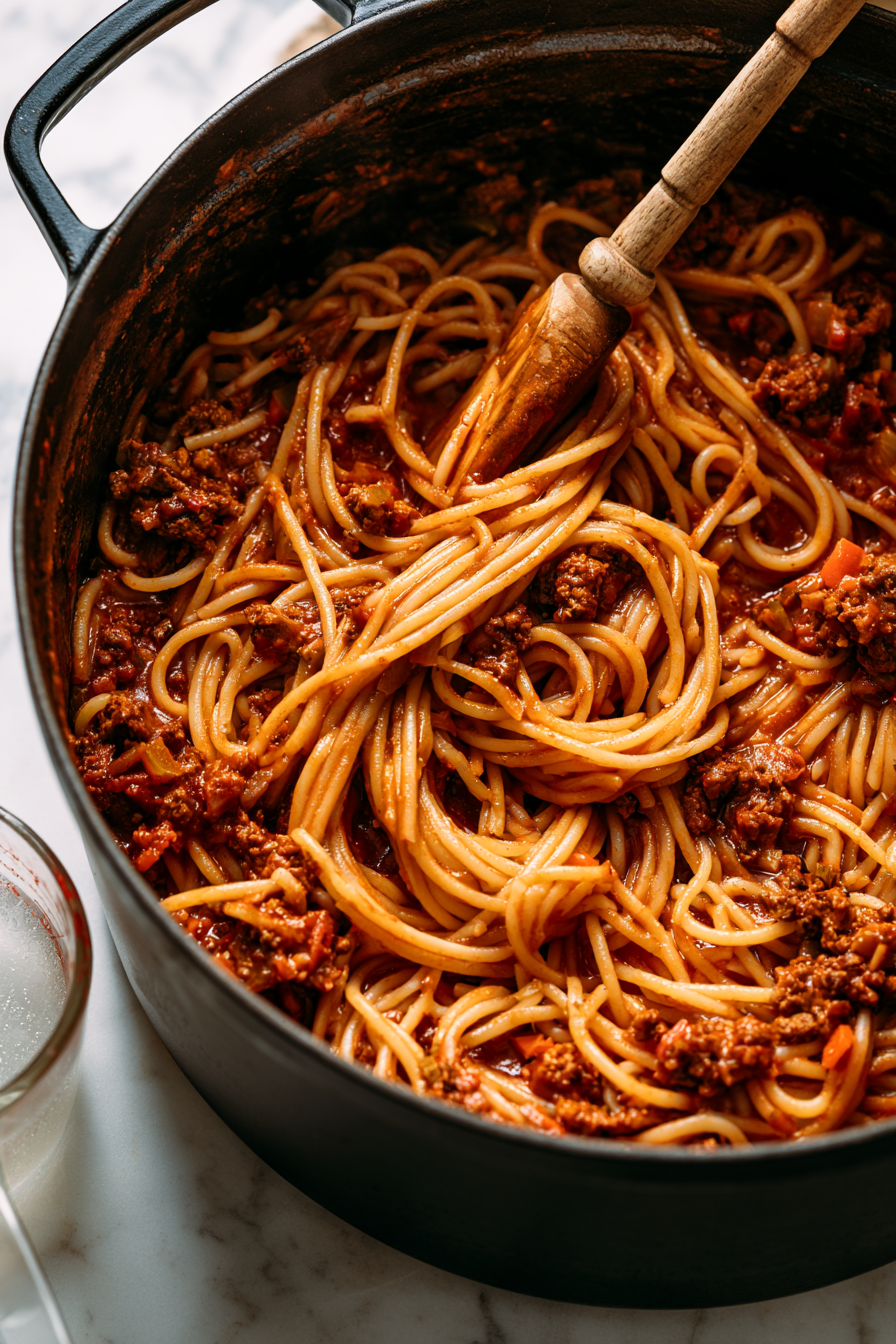
- Add the drained pasta to the sauce and toss gently to coat. If the sauce seems too thick, add a small splash of reserved pasta water until it reaches a silky consistency.
- Serve the Vegan Bolognese immediately with fresh parsley or basil, vegan Parmesan, and plenty of freshly ground black pepper.
Notes
- Let the sauce simmer: The longer the tomato sauce gently cooks, the richer and more developed the flavor becomes. Don’t rush this step if you have extra time.
- Use your favorite vegan ground: Refrigerated, frozen, or shelf-stable plant-based crumbles can all work well. Lentils can also be used as a wholesome alternative.
- Balance the tomatoes: A small amount of sugar is optional but can help balance the acidity of canned tomatoes.
- For a gluten-free version: Use gluten-free pasta, tamari instead of soy sauce, and make sure your vegan ground and Worcestershire-style sauce are gluten-free.
- For extra richness: Stir a tablespoon of olive oil into the finished sauce just before serving.
- Make it ahead: The Bolognese sauce can be prepared up to 3 days ahead and refrigerated in an airtight container. The flavor often becomes even better after resting overnight.
- Freezing: Cool the sauce completely, transfer it to freezer-safe containers, and freeze for up to 3 months. Thaw overnight in the refrigerator and reheat gently on the stovetop.
Nutrition Information
| Nutrient | Amount |
|---|---|
| Calories | 365 kcal |
| Carbohydrates | 50g |
| Protein | 19g |
| Fat | 11g |
| Fiber | 8g |
| Sugar | 10g |
| Sodium | 620mg |
Nutrition information is an estimate and will vary depending on the pasta and plant-based ground used.
Common Mistakes to Avoid
- Cutting Vegetables Too Large: Large pieces may remain noticeable instead of blending naturally into the sauce.
- Skipping the Sauté: Cooking the vegetables first develops their base flavor before the tomatoes are added.
- Adding Tomatoes Too Soon: Give the tomato paste and seasonings time to cook before adding the liquid.
- Boiling Too Hard: A gentle simmer allows the sauce to reduce without scorching on the bottom.
- Overcooking the Pasta: Cook the spaghetti until al dente so it maintains its structure when tossed with the hot sauce.
- Adding Too Much Pasta Water: Add it gradually to loosen the sauce without making it watery.
Delicious Variations You Should Try
- Lentil Bolognese: Replace the plant-based ground with cooked lentils for a legume-based version.
- Mushroom Bolognese: Add finely chopped cremini or button mushrooms with the vegetables.
- Spicy Bolognese: Add crushed red pepper flakes while cooking the tomato paste.
- Extra Vegetable: Stir in finely diced zucchini, mushrooms, or bell peppers.
- Herb-Forward Version: Add fresh basil or parsley toward the end of cooking.
- Creamy Bolognese: Stir a small amount of unsweetened plant-based cream into the finished sauce.
- Baked Pasta: Combine the sauce with cooked pasta and bake with vegan cheese for a casserole-style dinner.
More Vegan Recipes You’ll Enjoy
Best Ways to Store Leftovers
- Refrigerator Storage: Store cooled Bolognese in an airtight container for up to 3 days.
- Store Sauce Separately: If possible, keep the sauce separate from cooked pasta to preserve the pasta’s texture.
- Reheating: Warm the sauce gently in a saucepan over medium-low heat.
- Loosen as Needed: Add a small splash of water or vegetable broth if the sauce becomes too thick.
- Freezer Storage: Freeze the cooled sauce in freezer-safe containers for up to 3 months.
Frequently Asked Questions
- What makes Bolognese different from regular tomato sauce?
Bolognese is typically a heartier sauce built around a combination of aromatics, tomatoes, and a substantial protein component. This vegan version uses plant-based ground to provide that hearty base. - Can I use lentils instead of vegan ground?
Yes. Cooked lentils can replace the plant-based ground for a legume-based version, although the texture and cooking process will be somewhat different. - Why does my Bolognese taste acidic?
Canned tomatoes can vary in acidity. The optional sugar can help balance particularly acidic tomatoes, while a longer gentle simmer can also mellow the sauce. - Should I cook the pasta separately?
Yes. Cooking the pasta separately allows you to control its texture and gives you reserved pasta water for adjusting the sauce. - Why is my Bolognese too thin?
Continue simmering it uncovered or partially covered so excess liquid can evaporate. Avoid adding additional liquid unless the sauce needs it. - Can I use fresh tomatoes instead of canned crushed tomatoes?
You can, but the recipe is designed around the moisture and consistency of canned crushed tomatoes. Fresh tomatoes may require additional cooking time to reduce properly. - How can I make the sauce more savory?
Taste the finished sauce first, then adjust the seasoning with a little additional soy sauce or vegan Worcestershire sauce. Add small amounts at a time to avoid oversalting.

Hi, I’m Austin. Every recipe you’ll find here is carefully tested, photographed, and created to help you cook with confidence…..
know more