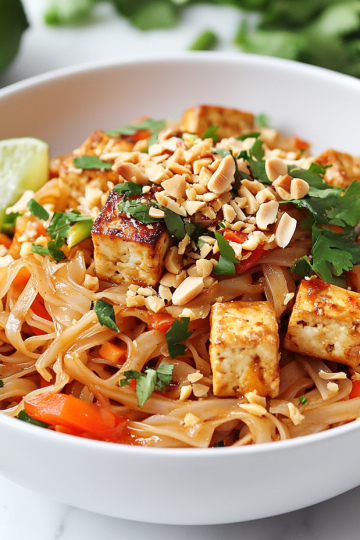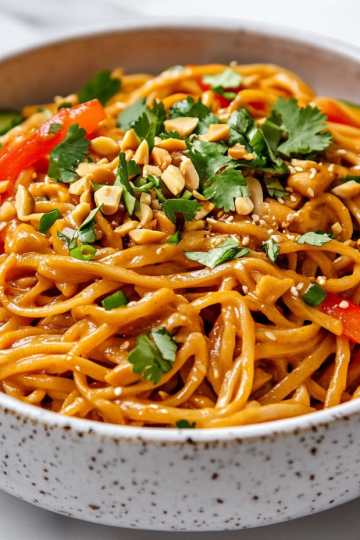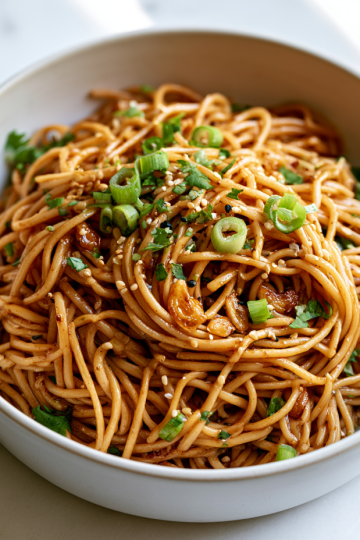
Vegan Udon Noodles Recipe
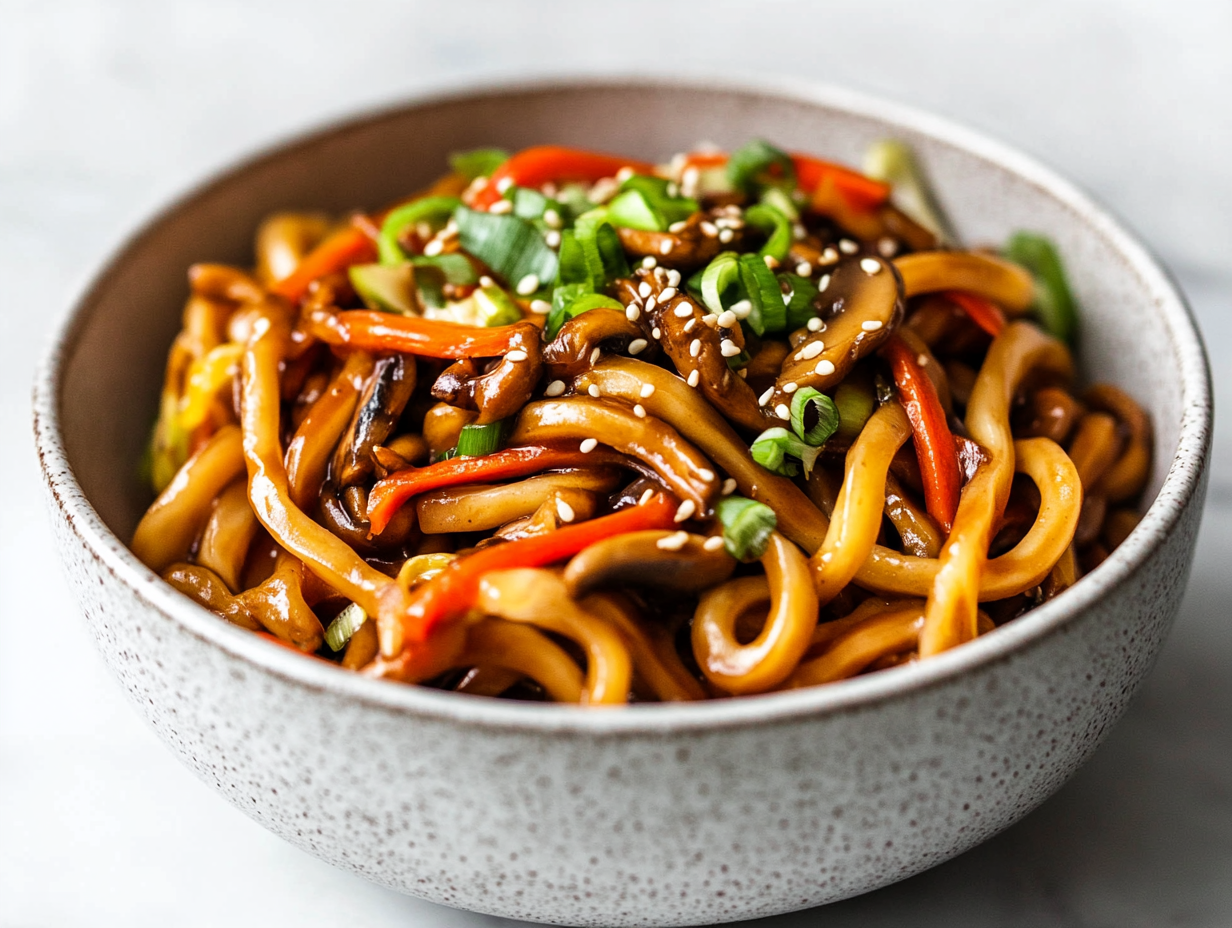
These Vegan Udon Noodles are a quick and comforting Japanese-inspired stir-fry made with thick, chewy udon noodles, crisp vegetables, and a flavorful savory sauce. Inspired by classic yaki udon, this plant-based recipe combines mushrooms, cabbage, carrots, bok choy, and aromatic ginger and garlic for a satisfying meal that tastes like your favorite Japanese restaurant dish.
Ready in under 30 minutes, these noodles are perfect for busy weeknight dinners, easy lunches, or meal prep. The glossy sauce coats every strand of udon, creating a delicious balance of sweet, salty, and umami flavors.
Why You’ll Love This Recipe
- Quick & Easy Dinner: A flavorful meal that comes together in less than 30 minutes.
- Restaurant-Style Flavor: The umami-rich sauce gives homemade noodles an authentic Japanese-inspired taste.
- Chewy Udon Texture: Thick udon noodles create a satisfying and comforting bite.
- Packed With Vegetables: Mushrooms and fresh vegetables add color, texture, and nutrition.
- Perfect for Meal Prep: The flavors continue to develop, making leftovers even better.
- Easy to Customize: Add your favorite vegetables or plant-based proteins.
Ingredient Insights and Substitutions
- Udon Noodles: Fresh or vacuum-packed udon noodles provide the best chewy texture. They only need to be warmed through before serving.
- Soy Sauce: Dark soy sauce adds rich color and savory depth. Use tamari for a gluten-free option.
- Mirin: This Japanese cooking wine adds subtle sweetness and balances the sauce. Replace it with a little extra rice vinegar and maple syrup if needed.
- Mushrooms: Shiitake mushrooms add natural umami flavor, but cremini, oyster, or button mushrooms also work well.
- Vegan Oyster Sauce: This adds a deeper savory flavor similar to traditional yaki udon sauces. Vegan mushroom sauce is a great alternative.
- Vegetables: Cabbage, carrots, bell peppers, and bok choy create a classic stir-fry combination, but you can easily swap them with seasonal vegetables.
Chef’s Tip: Prepare the sauce and chop all vegetables before heating the wok. Stir-frying happens quickly, and having everything ready helps maintain the perfect noodle texture
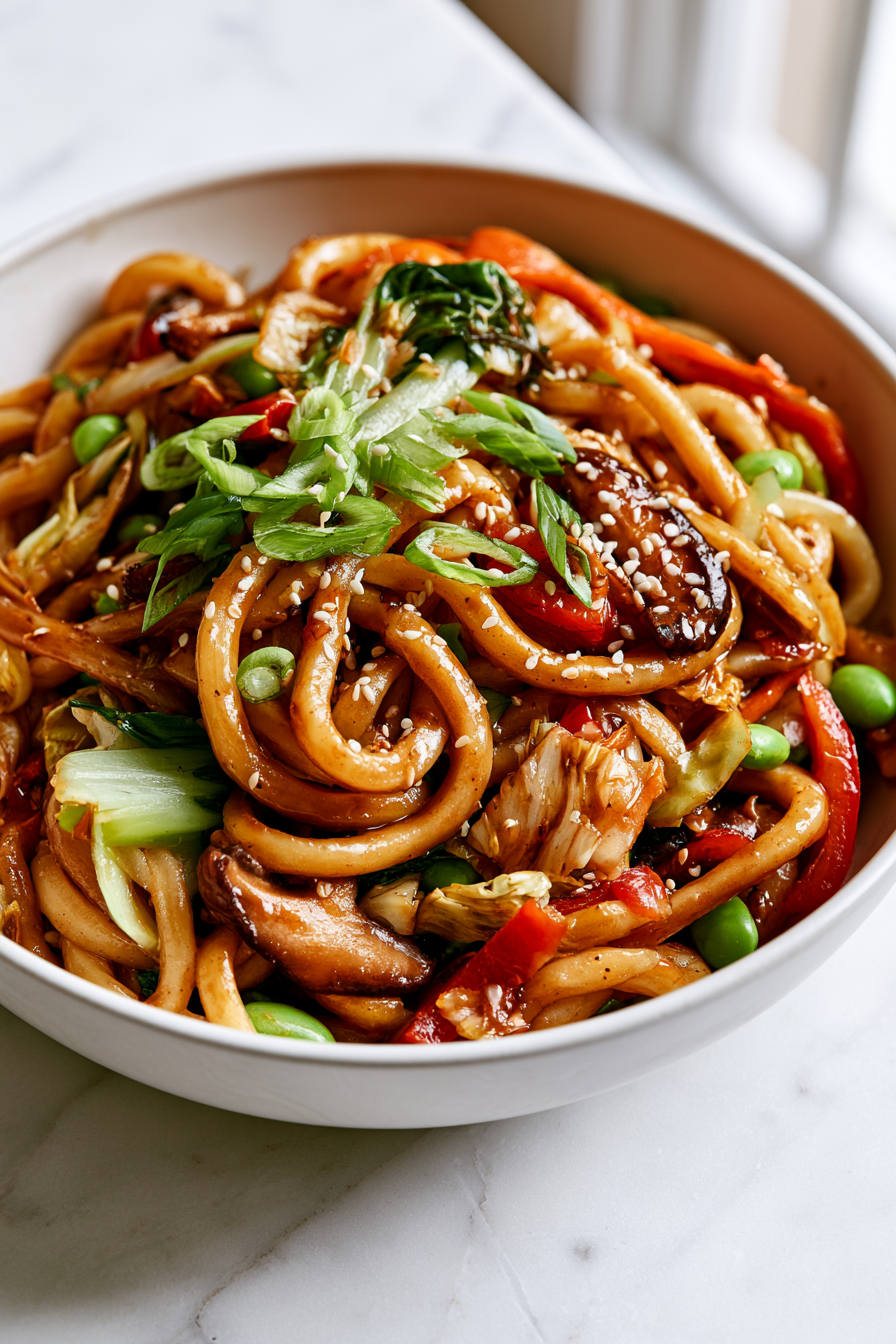
Vegan Udon Noodles
Equipment
- Large wok or skillet
- Large pot or bowl for preparing noodles
- Small Mixing Bowl
- Colander
- Chef's Knife
Ingredients
For the Udon Noodles
- 400 g fresh or vacuum-packed udon noodles
- 2 tablespoons vegetable oil or other neutral oil
- 3 green onions sliced, white and green parts separated
- 1 tablespoon fresh ginger finely grated or julienned
- 3 garlic cloves minced
- 1 cup shredded cabbage
- 1 medium carrot julienned
- 1 red bell pepper thinly sliced
- 1 cup shiitake mushrooms sliced
- 1 cup bok choy or pak choi chopped
- ½ cup edamame cooked
- 2 tablespoons sesame seeds for topping
For the Vegan Udon Sauce
- 3 tablespoons dark soy sauce
- 1 tablespoon mirin
- 1 tablespoon rice vinegar
- 1 tablespoon maple syrup or brown sugar
- 1 tablespoon vegan mushroom sauce or vegan oyster sauce
- 1 teaspoon toasted sesame oil
- ½ teaspoon chili garlic sauce optional
- 1 teaspoon mushroom seasoning optional
Instructions
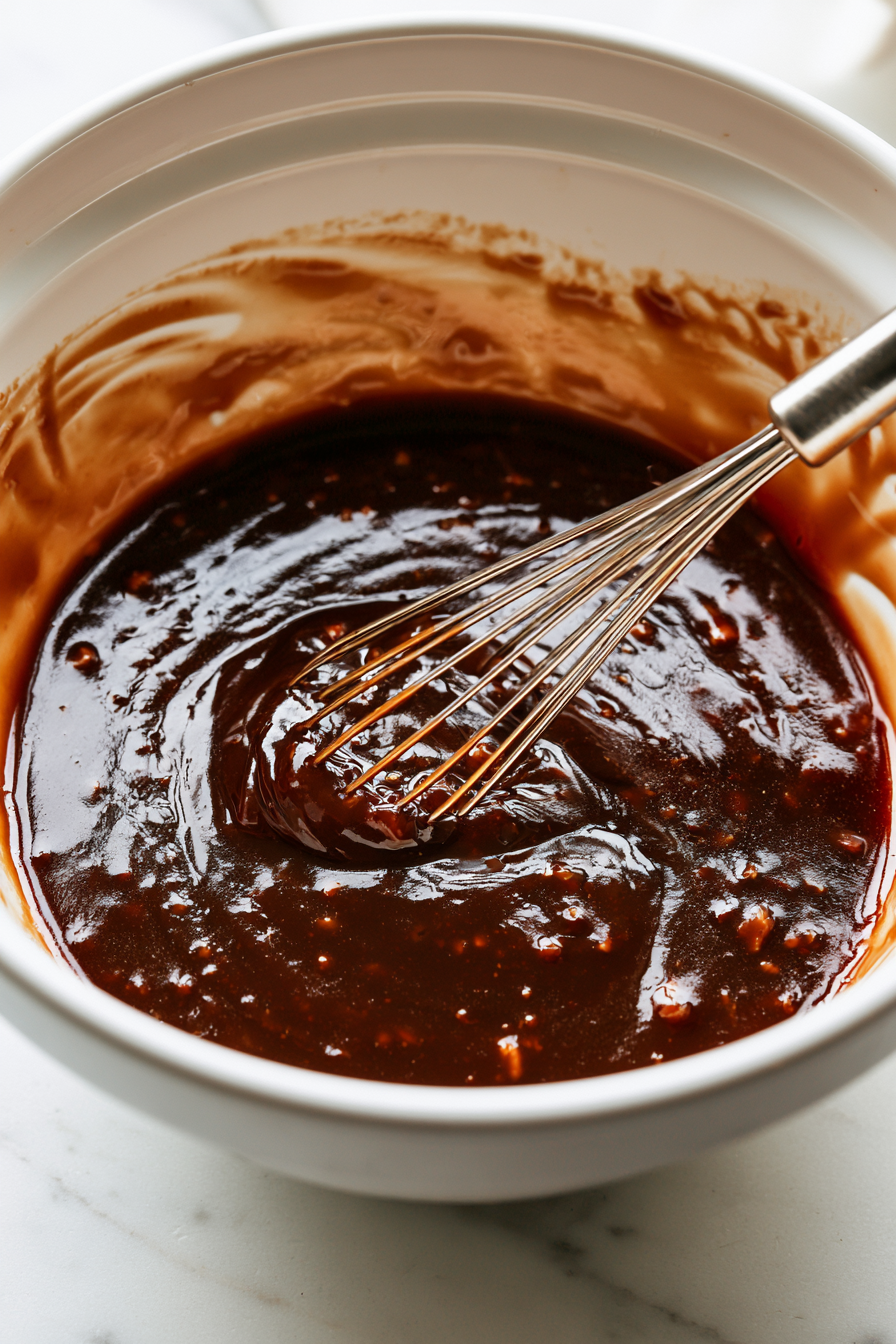
- Prepare the sauce by whisking together dark soy sauce, mirin, rice vinegar, maple syrup, vegan mushroom sauce, sesame oil, chili garlic sauce, and mushroom seasoning if using. Set aside while preparing the vegetables.
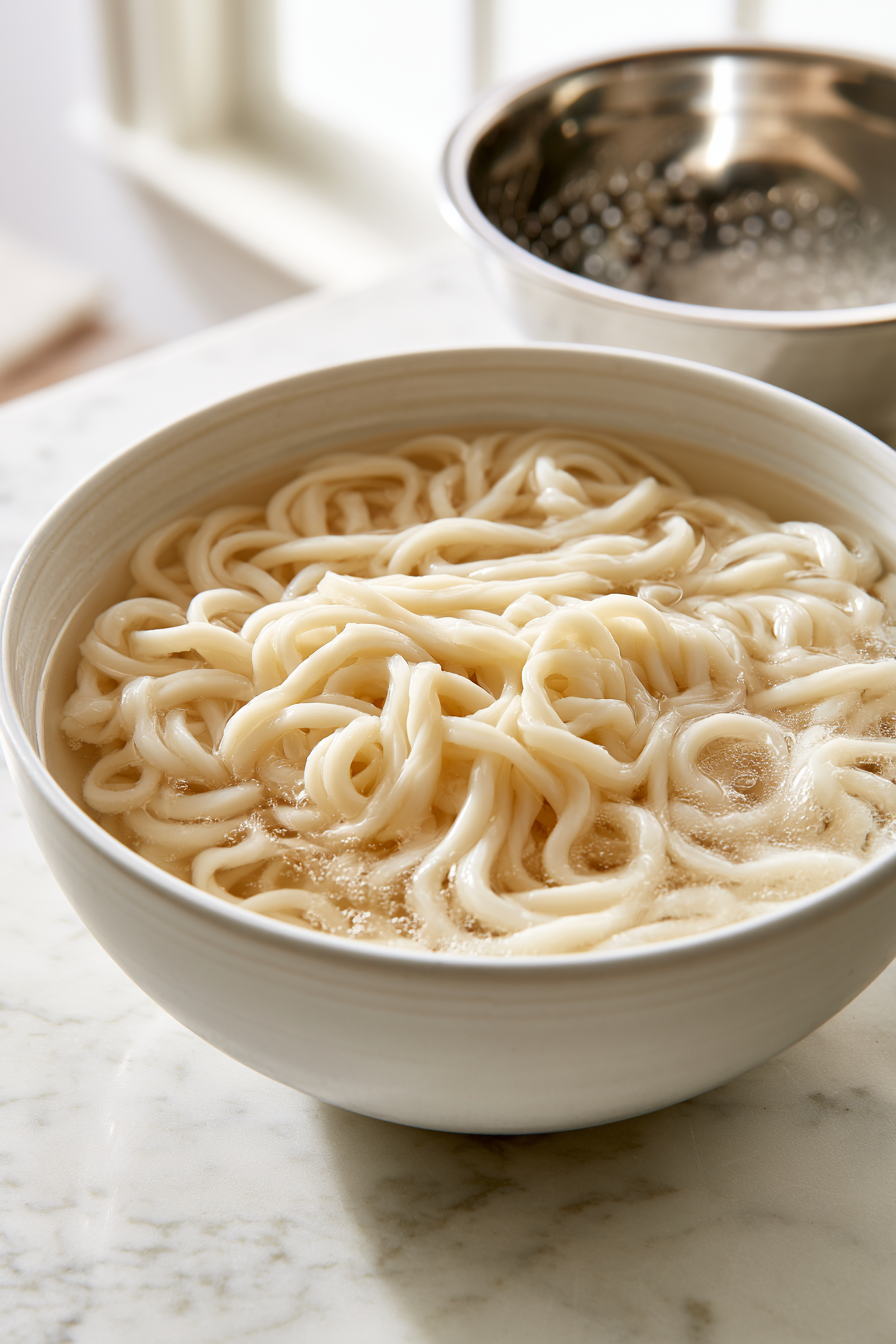
- If using vacuum-packed udon noodles, soak them in warm water for a few minutes until the noodles separate easily. Drain well and gently loosen them with your hands. If using dried udon noodles, cook according to the package directions until just tender, then drain.
- Heat a large wok or skillet over medium-high heat. Add the vegetable oil and allow it to become hot before adding the aromatics.
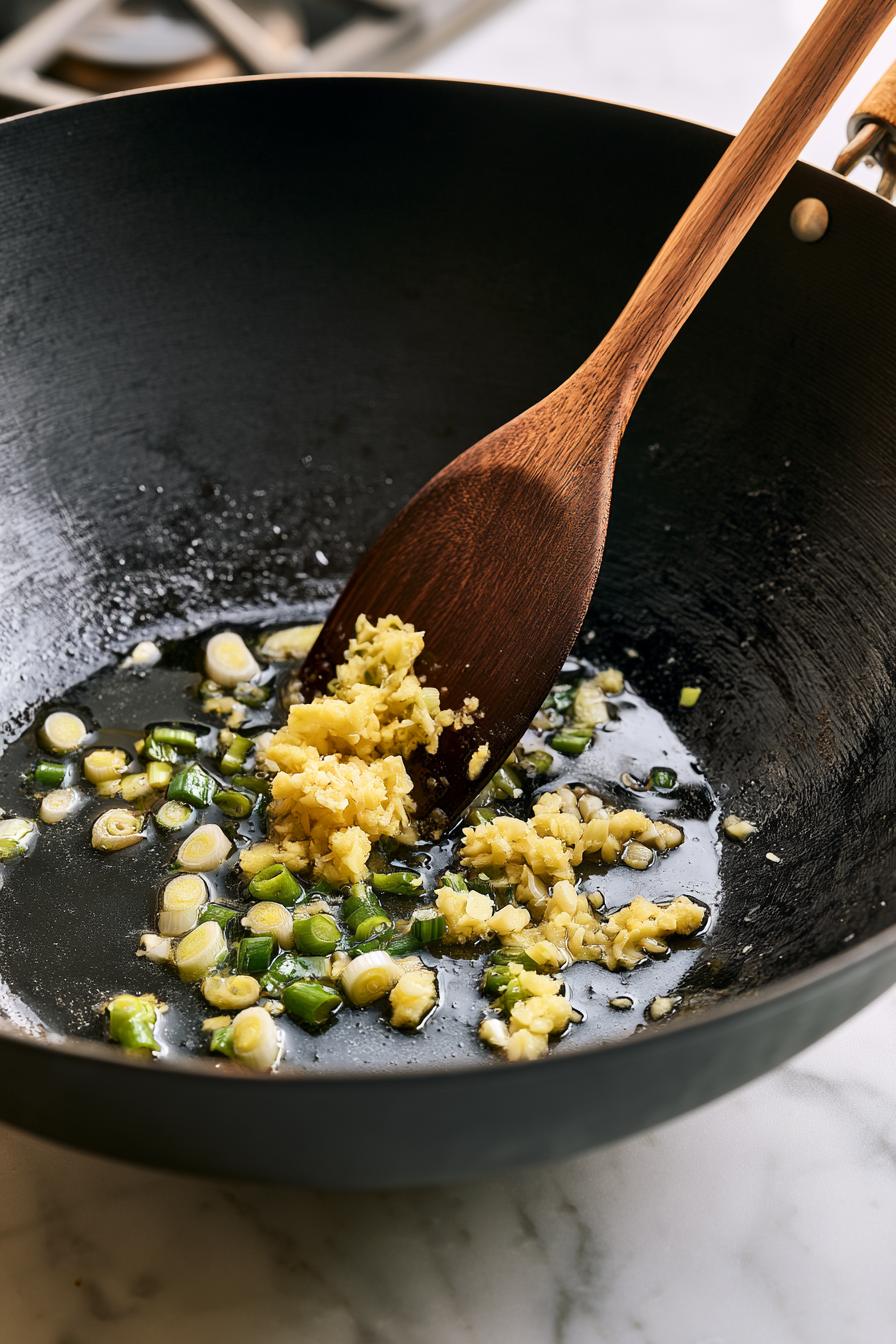
- Add the white parts of the green onions, ginger, and garlic. Stir-fry for about 30–60 seconds until fragrant.
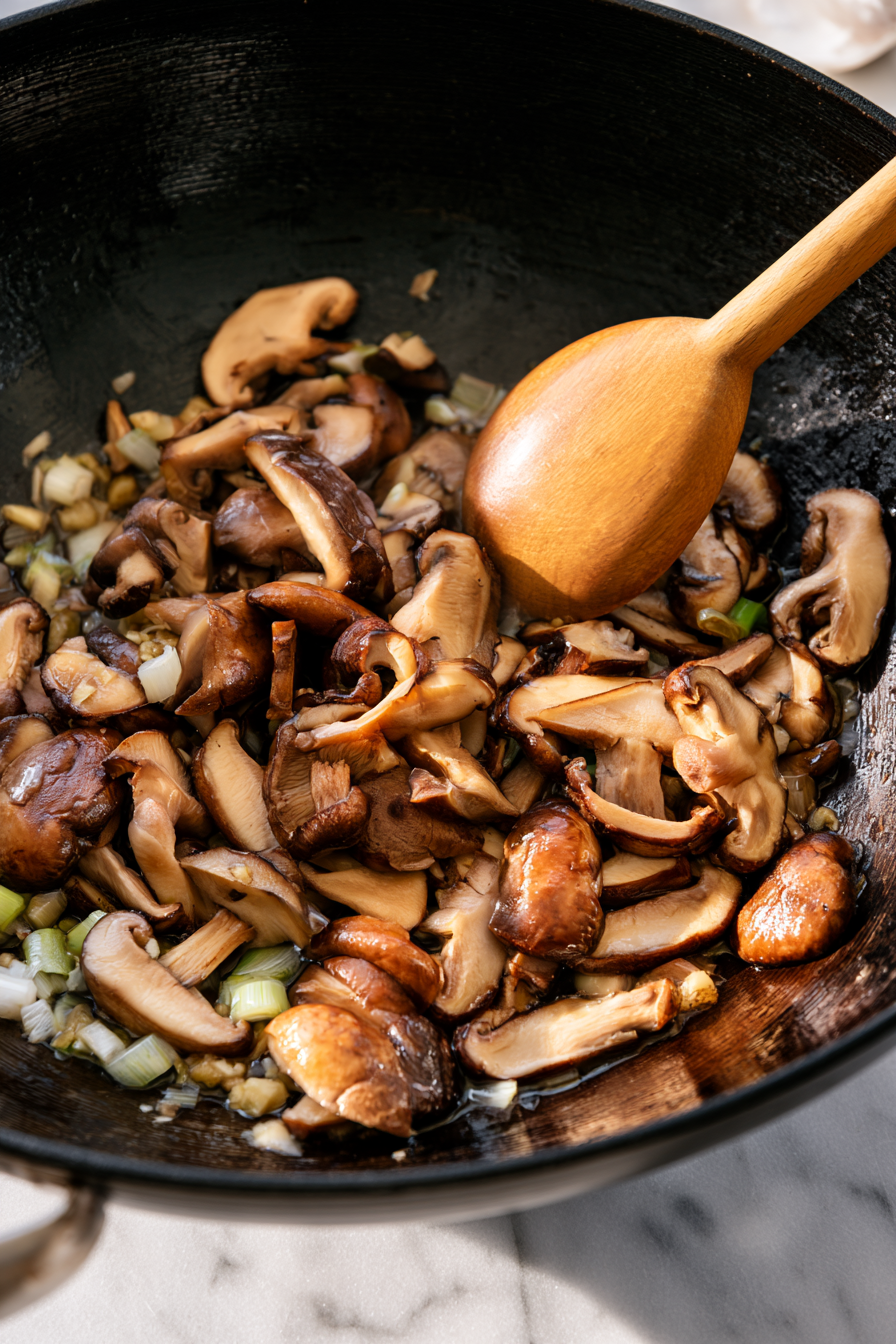
- Add the mushrooms and cook for 2–3 minutes until they begin to soften and develop a deeper flavor.
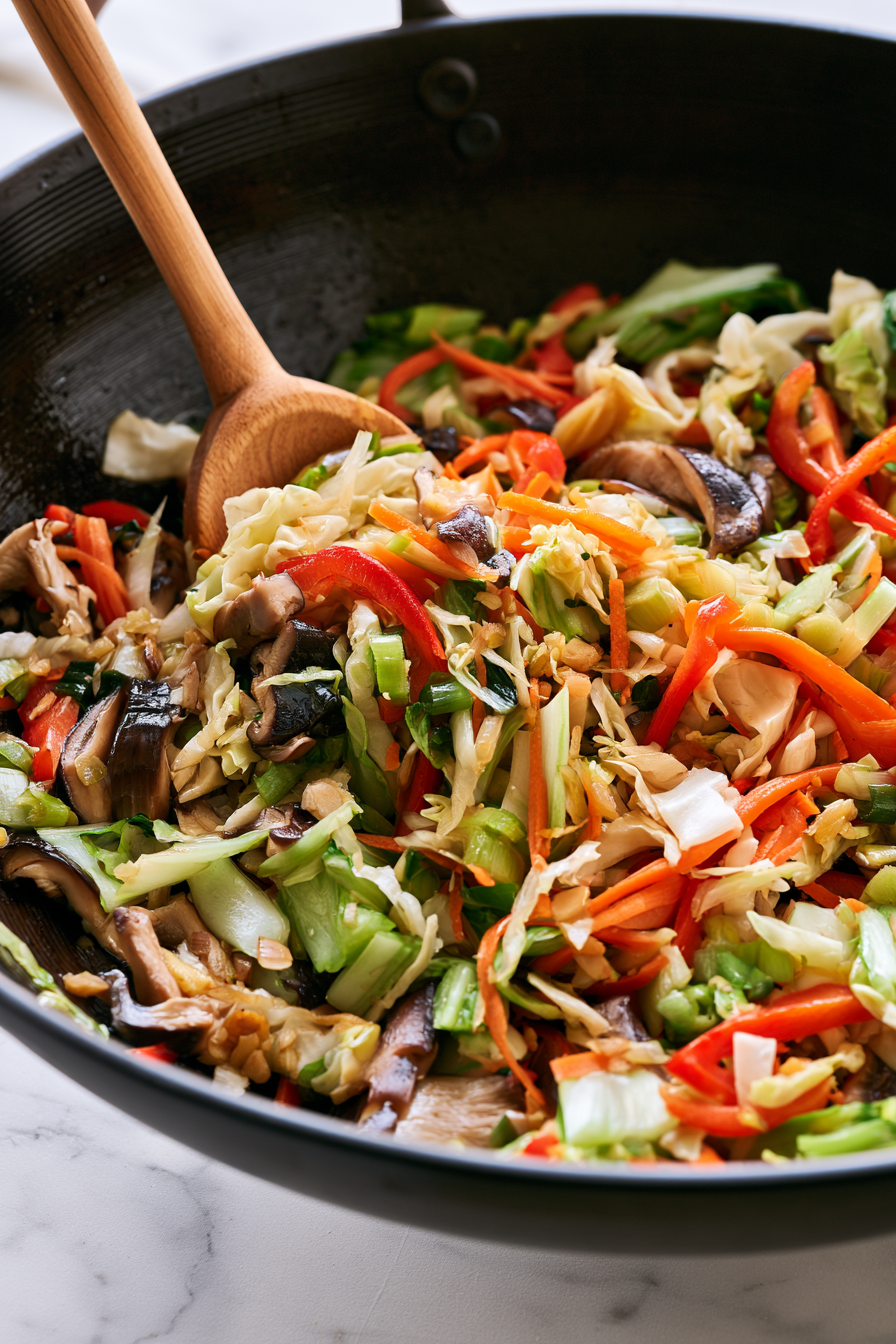
- Add the cabbage, carrot, bell pepper, and bok choy stems. Stir-fry for another 3–4 minutes until the vegetables are slightly tender while still keeping some crunch.
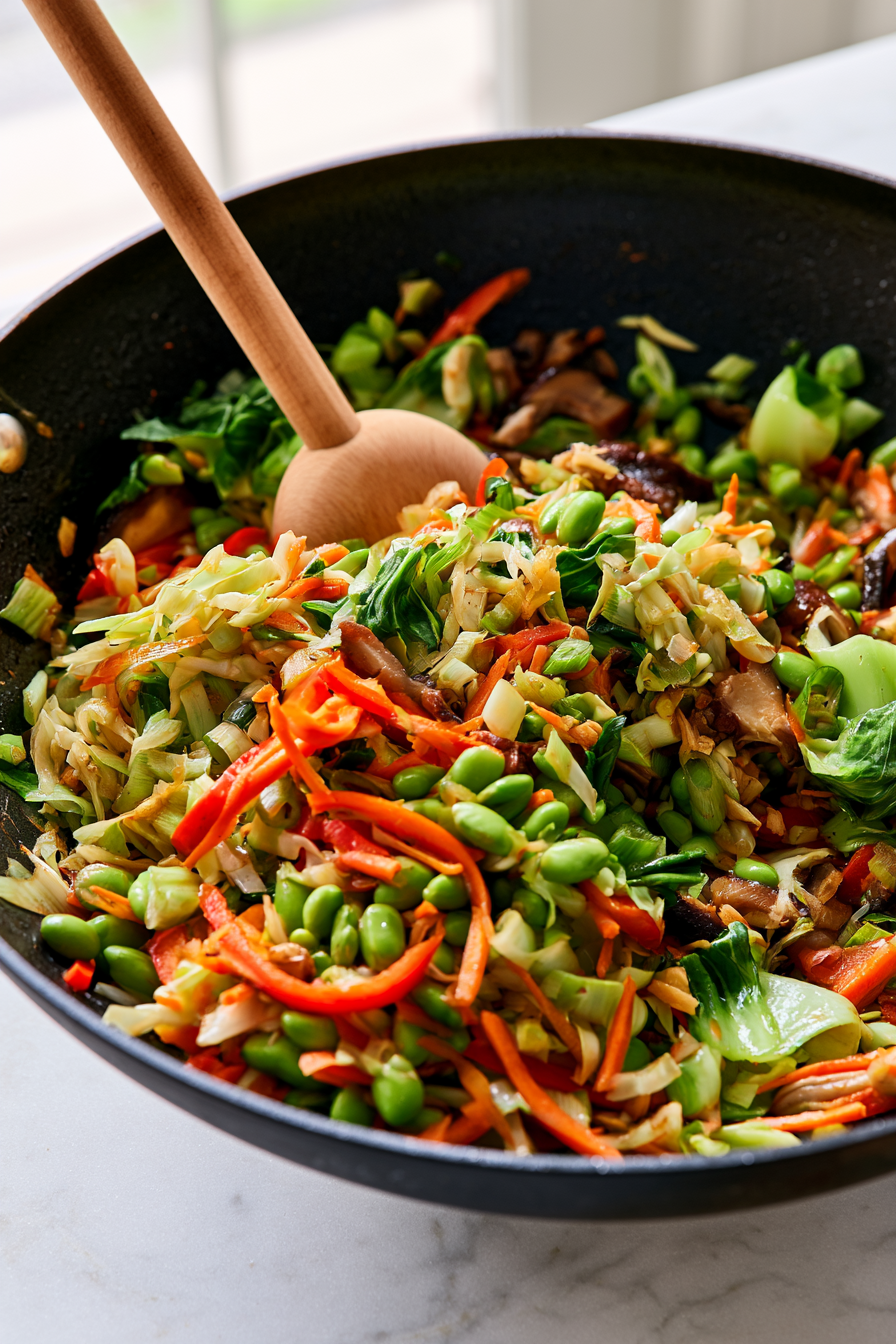
- Add the bok choy leaves and edamame, then toss everything together for another minute.
- Push the vegetables to one side of the wok and add the prepared sauce. Allow it to bubble gently for a few seconds to enhance the flavor.
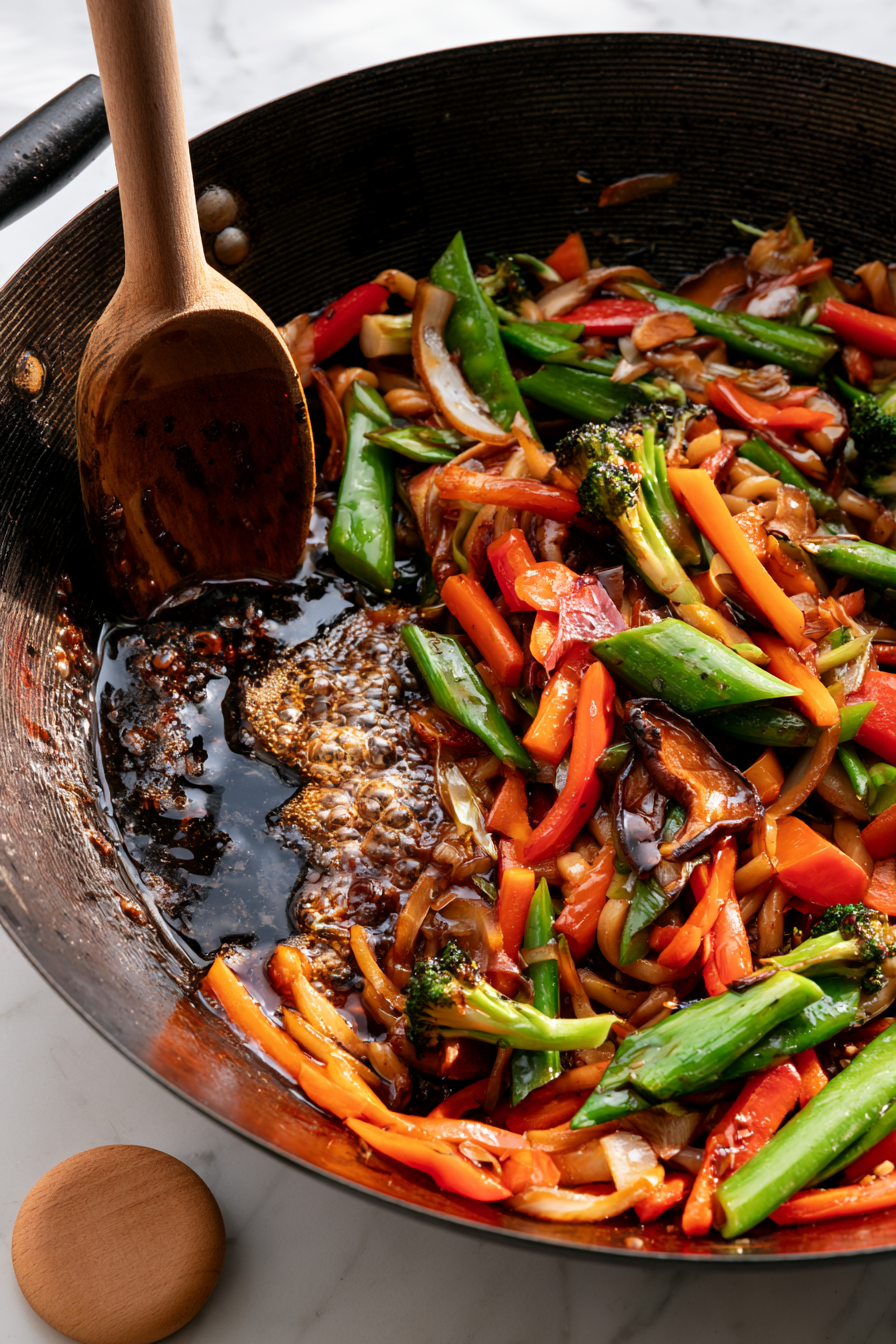
- Add the udon noodles and toss everything together until the noodles are evenly coated in the glossy sauce.
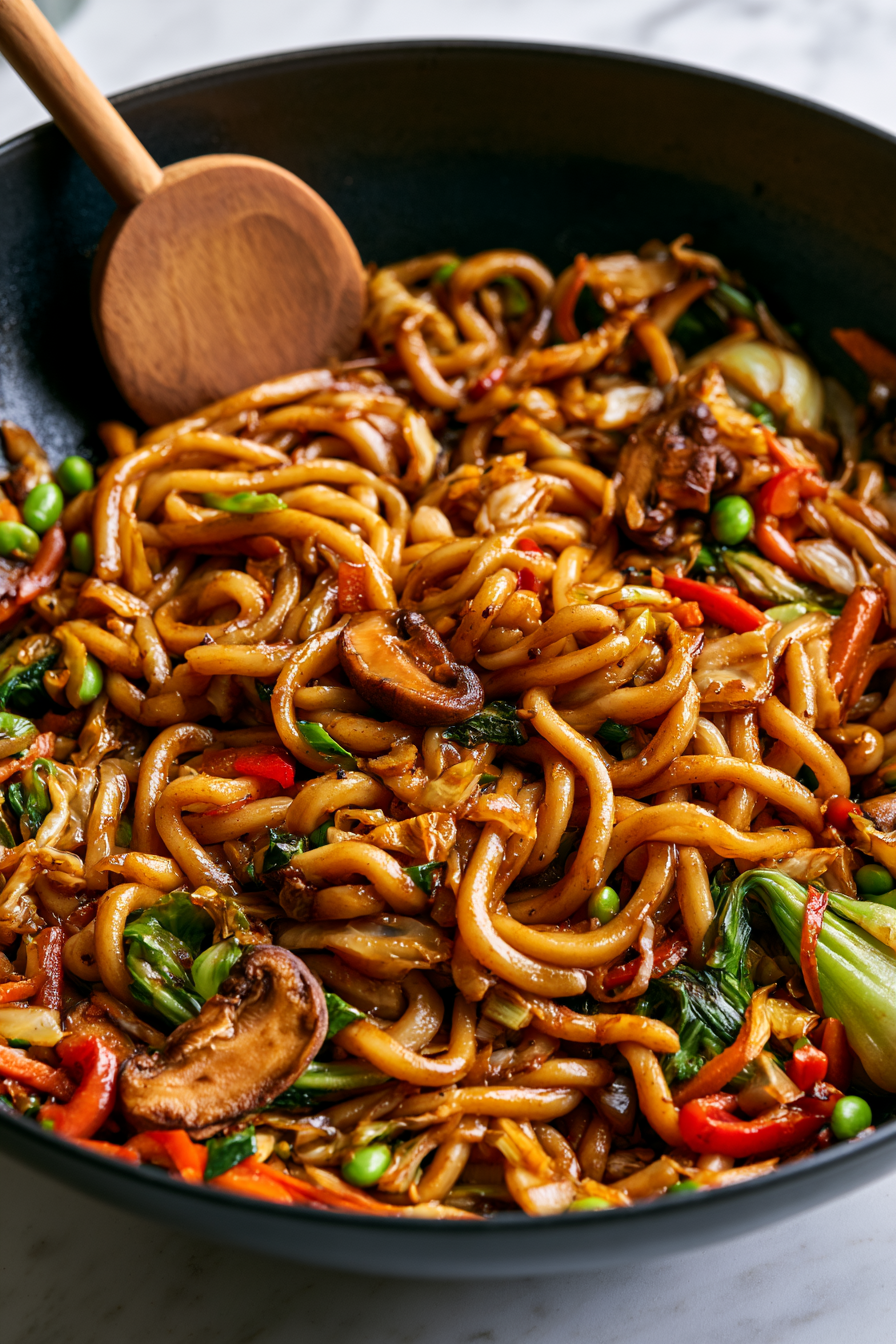
- Continue stir-frying for 2–3 minutes until the noodles are heated through and the sauce has slightly thickened. Be gentle while tossing to avoid breaking the noodles.
- Remove from heat and garnish with the remaining green onions and sesame seeds.
- Serve warm with extra chili sauce, sesame seeds, or fresh herbs if desired.
Notes
- Use fresh udon noodles when possible: Fresh or vacuum-packed udon noodles have the best chewy texture and are ideal for stir-frying.
- Do not overcook the noodles: Udon noodles are already soft and chewy, so they only need to be warmed through and coated with sauce.
- Prepare everything before cooking: Stir-frying moves quickly, so chop the vegetables and mix the sauce before turning on the heat.
- Keep vegetables crisp: Avoid overcrowding the pan. Cooking over medium-high heat helps maintain the vegetables’ texture.
- Add more protein: Crispy tofu, tempeh, edamame, or vegan chicken pieces can make this meal more filling.
- Make it gluten-free: Traditional udon noodles contain wheat. For a gluten-free option, use gluten-free noodles and replace soy sauce with tamari.
- Customize the vegetables: Broccoli, snap peas, napa cabbage, zucchini, bean sprouts, or baby corn are excellent additions.
- Storage: Store leftover Vegan Udon Noodles in an airtight container in the refrigerator for up to 4 days. Reheat in a skillet with a splash of water to loosen the sauce.
Nutrition Information
| Nutrient | Amount |
|---|---|
| Calories | 435 kcal |
| Carbohydrates | 68g |
| Protein | 14g |
| Fat | 13g |
| Fiber | 6g |
| Sugar | 10g |
| Sodium | 780mg |
Nutrition information is an estimate and will vary depending on the noodles, sauces, and vegetables used.
Common Mistakes to Avoid
- Overcooking Udon Noodles: Udon noodles are already soft, so excessive cooking can make them mushy.
- Adding Cold Noodles Directly: Loosen noodles before adding them to the wok for even cooking.
- Skipping Sauce Preparation: Stir-fry recipes move quickly, so prepare the sauce beforehand.
- Using Low Heat: Medium-high heat helps vegetables stay crisp and creates better stir-fry flavor.
- Overcrowding the Pan: Too many ingredients can cause vegetables to steam instead of fry.
- Breaking the Noodles: Toss gently to keep the thick udon strands intact.
Delicious Variations You Should Try
- Spicy Vegan Udon: Add chili crisp, extra chili garlic sauce, or red pepper flakes.
- Tofu Yaki Udon: Add crispy tofu cubes for extra protein and texture.
- Peanut Udon Noodles: Add peanut butter to the sauce for a creamy twist.
- Mushroom Lover’s Udon: Use a mix of shiitake, oyster, and cremini mushrooms.
- Vegetable Loaded Udon: Add broccoli, snap peas, zucchini, napa cabbage, or bean sprouts.
- Coconut Curry Udon: Add curry powder and coconut milk for a fusion-style dish.
- Protein-Packed Udon: Add tempeh, edamame, or vegan chicken pieces.
More Vegan Recipes You’ll Enjoy
Storage and Meal Prep Tips
- Refrigerator Storage: Store leftover Vegan Udon Noodles in an airtight container for up to 4 days.
- Reheating: Warm in a skillet with a splash of water to loosen the sauce.
- Meal Prep: Prepare the sauce and chop vegetables ahead of time for faster cooking.
- Keep Texture Fresh: Add fresh toppings like sesame seeds and green onions after reheating.
- Protein Addition: Store crispy tofu separately and add before serving to maintain texture.
Frequently Asked Questions
- Can I use dried udon noodles instead of fresh noodles?
Yes. Cook dried udon according to package directions, but avoid overcooking since they will continue cooking in the stir-fry. - Can I make Vegan Udon Noodles gluten-free?
Yes. Use gluten-free noodles and replace soy sauce with tamari or coconut aminos. - What vegetables work best with udon noodles?
Broccoli, mushrooms, cabbage, carrots, bok choy, snap peas, zucchini, and bell peppers all pair well. - How can I add more protein to this recipe?
Add crispy tofu, tempeh, edamame, or vegan chicken pieces. - Can I prepare the sauce ahead of time?
Yes. The sauce can be mixed several days ahead and stored in the refrigerator until ready to use. - Why are my udon noodles sticky?
Udon noodles can stick if they are not loosened before cooking. Rinse or soak them briefly before adding them to the wok. - Can I serve these noodles cold?
Yes. While traditionally served warm, leftover udon noodles can also be enjoyed chilled as a noodle salad.

Hi, I’m Austin. Every recipe you’ll find here is carefully tested, photographed, and created to help you cook with confidence…..
know more