Vegan Tomato Basil Pasta Recipe
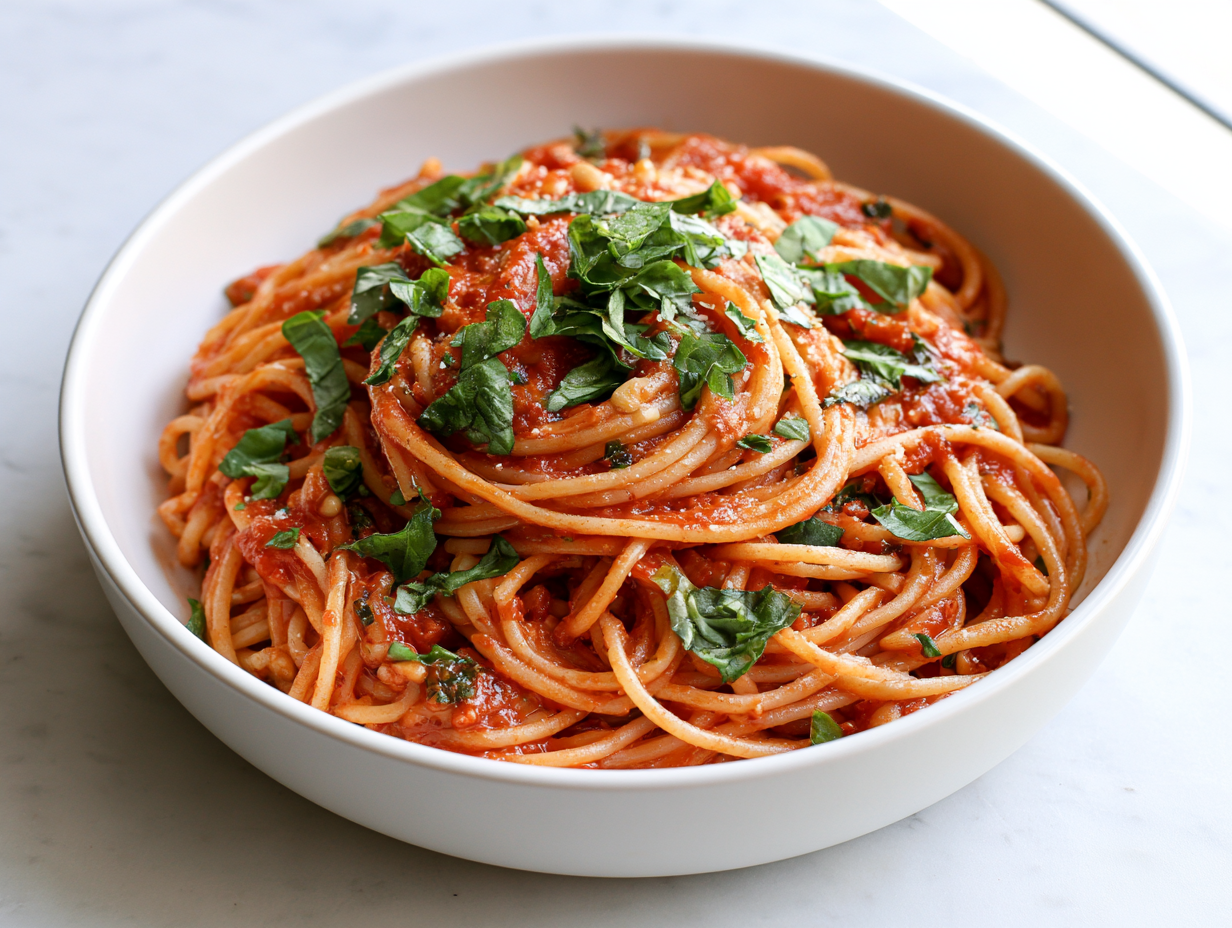
This Vegan Tomato Basil Pasta Recipe is a simple, comforting dinner made with tender pasta, crushed tomatoes, garlic, olive oil, and fresh basil.
It uses everyday ingredients and comes together in about 30 minutes, making it a practical choice when you want a homemade meal without a complicated process.
The tomato sauce is smooth and lightly seasoned, with fresh basil added toward the end to preserve its aroma. Tossing the pasta directly in the skillet helps the sauce cling to every bite, while reserved pasta water brings everything together.
Why This Recipe Works So Well
- Simple Ingredients: Uses familiar pantry staples and a few fresh ingredients.
- One Sauce, Many Uses: The tomato basil sauce can also be used for other pasta dishes or baked recipes.
- Quick Cooking: The sauce simmers while the pasta cooks, keeping the overall preparation efficient.
- Naturally Vegan: No dairy, eggs, or meat are needed for the basic recipe.
- Easy to Adapt: Add vegetables or plant-based protein when you want a more substantial meal.
- Beginner Friendly: The cooking steps are straightforward and require only basic stovetop techniques.
Ingredient Insights and Easy Substitutions
- Crushed Tomatoes: Since they form the base of the sauce, choose good-quality canned tomatoes with a fresh, balanced flavor.
- Fresh Basil: Fresh basil is important for the finishing flavor. Tear the leaves gently rather than chopping them far in advance to help retain their aroma.
- Garlic: Five cloves provide a noticeable garlic presence. Slice or mince them according to your preferred texture.
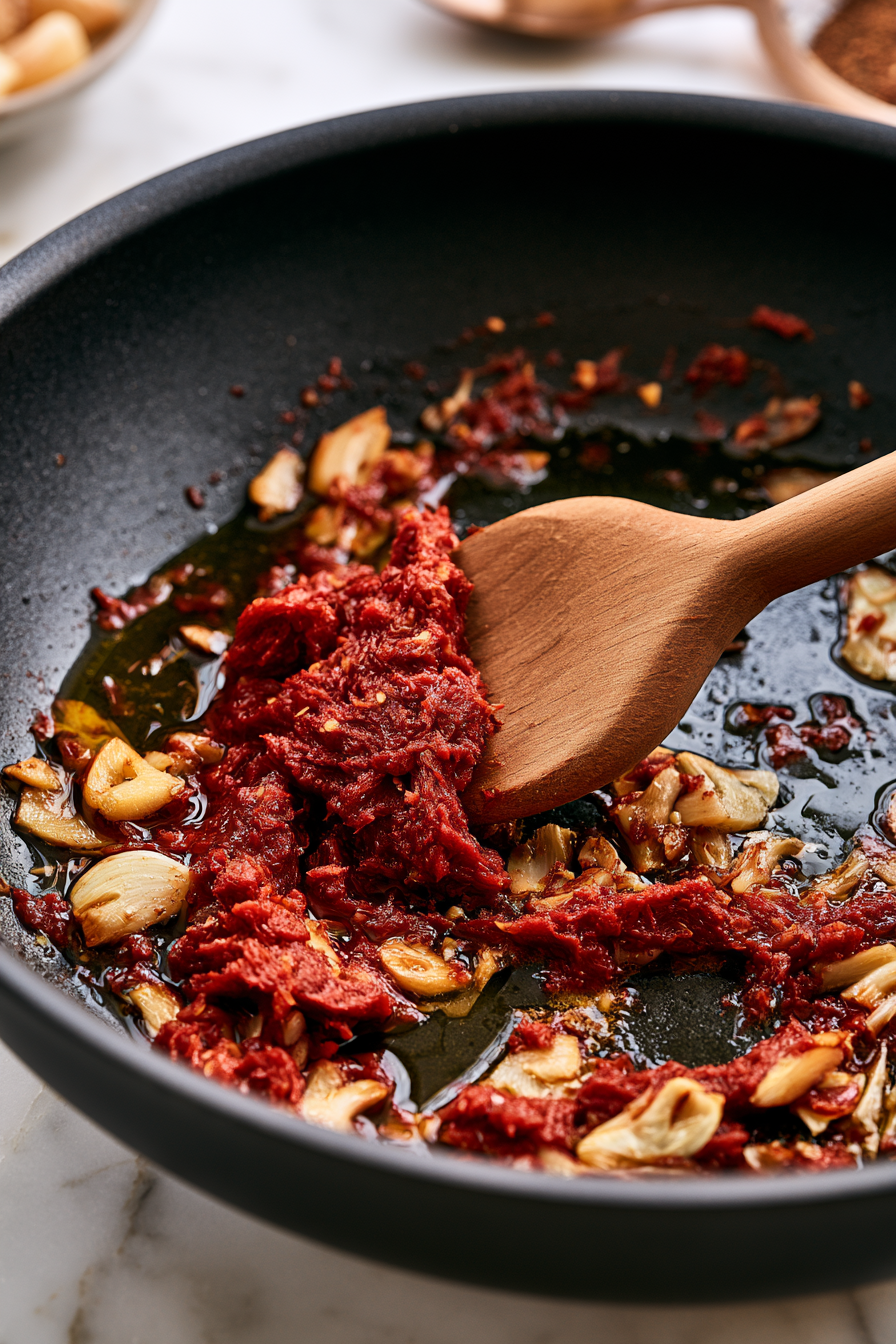
- Tomato Paste: A small amount intensifies the tomato base and gives the sauce more body. Cook it briefly in the oil before adding the tomatoes.
- Pasta: Spaghetti, linguine, and penne all work well. Choose long pasta for a classic presentation or short pasta for a sauce that collects inside the shapes.
- Red Pepper Flakes: These are optional and can be adjusted depending on how much heat you prefer. Leave them out for a milder sauce.
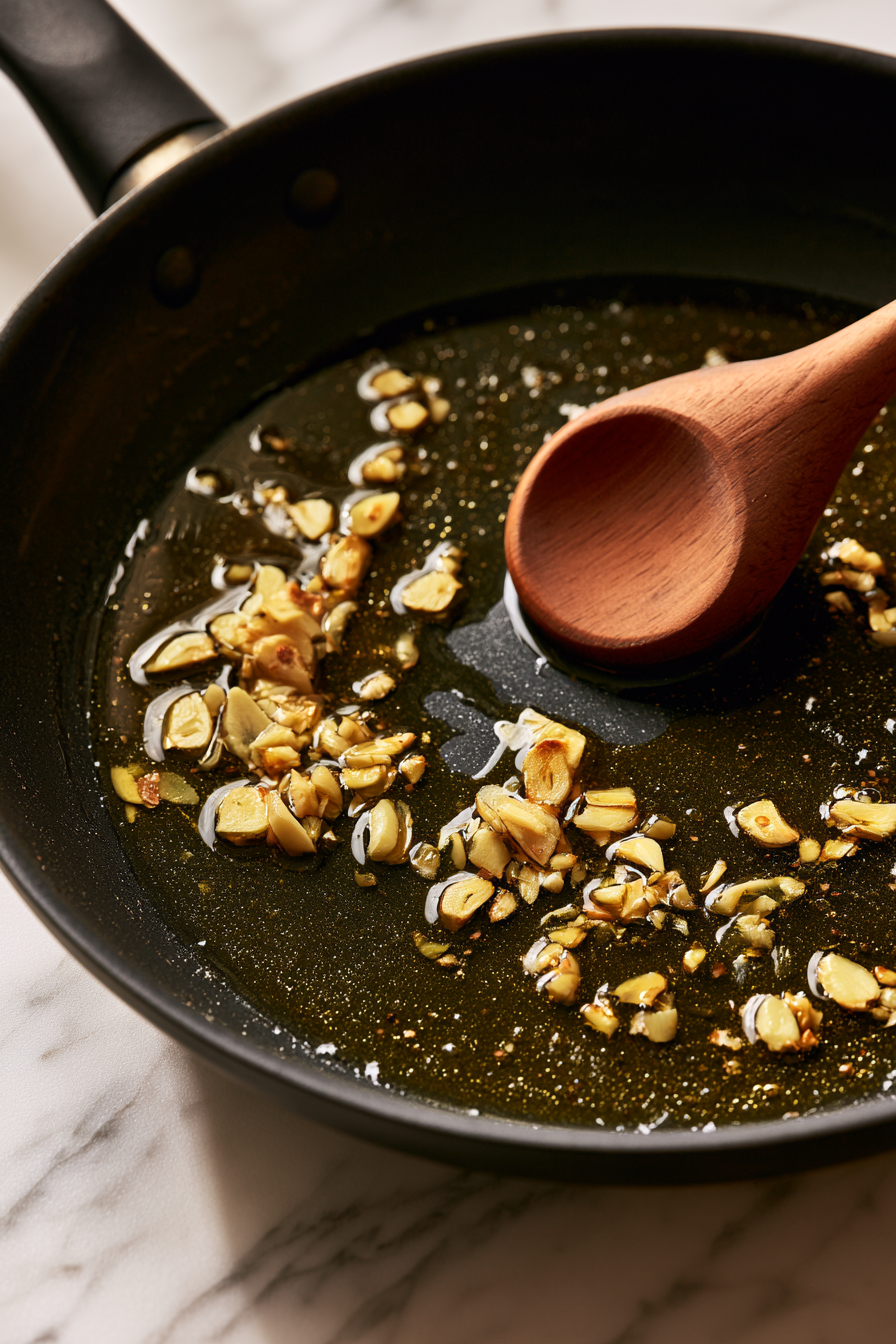
Chef’s Tip: Keep the garlic over medium-low heat and stir it frequently. It should become fragrant without taking on a deep brown color, which can make the sauce taste bitter.
Vegan Tomato Basil Pasta
Equipment
- Large skillet or saucepan
- Colander
- Chef's Knife
- Tongs
Ingredients
- 12 ounces spaghetti linguine, or penne
- 2 tablespoons extra-virgin olive oil
- 5 garlic cloves thinly sliced or minced
- 28 ounces crushed tomatoes
- 1 tablespoon tomato paste
- ½ teaspoon fine sea salt
- ¼ teaspoon freshly ground black pepper
- ½ teaspoon Italian seasoning
- ¼ teaspoon red pepper flakes optional
- ½ teaspoon granulated sugar optional
- ½ cup fresh basil leaves roughly torn
- ¼ cup reserved pasta water as needed
- 2 tablespoons vegan Parmesan optional
- Extra fresh basil for serving
Instructions
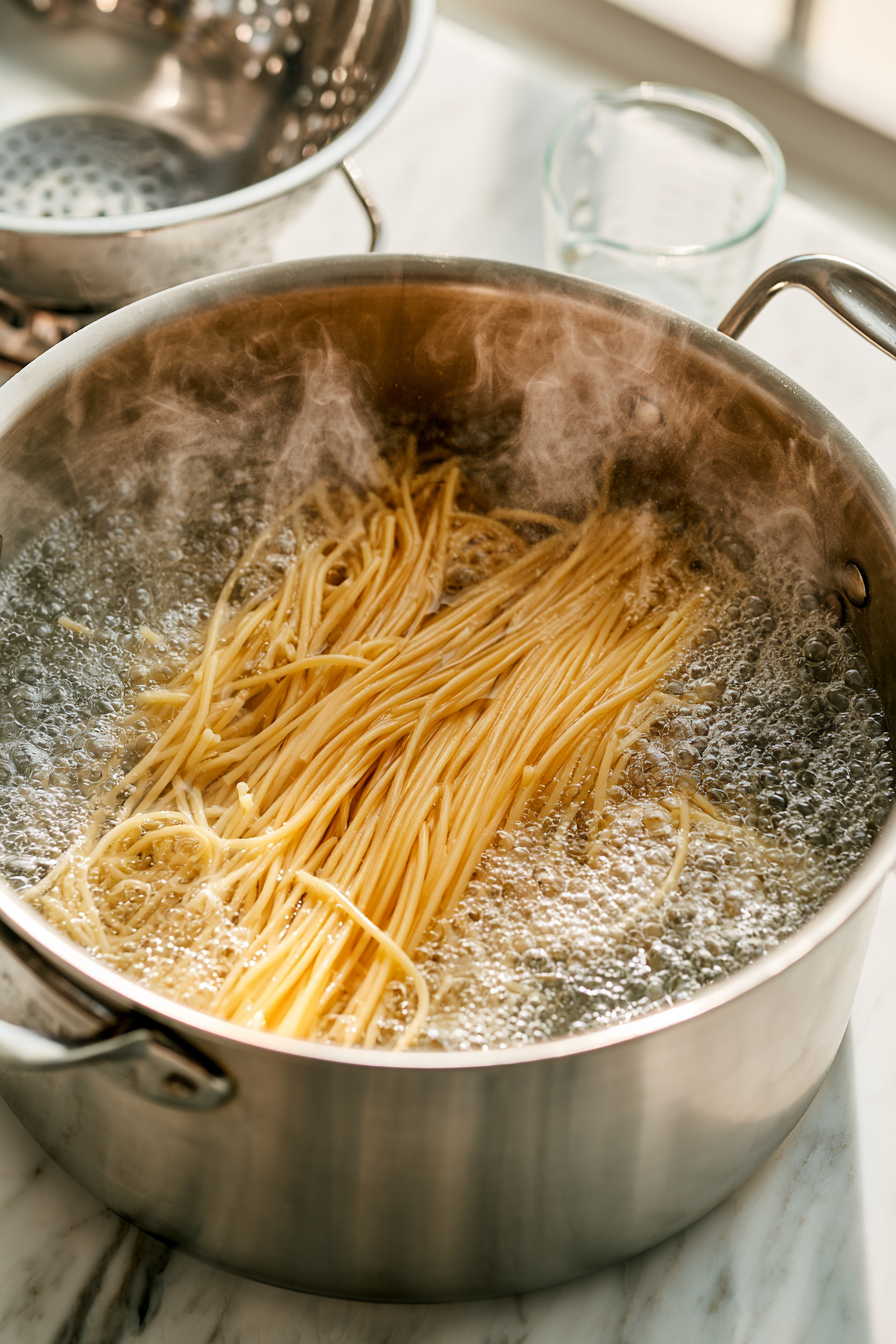
- Bring a large pot of generously salted water to a boil. Cook the pasta according to the package directions until al dente. Before draining, reserve about ½ cup of the pasta water.
- While the pasta cooks, heat the olive oil in a large skillet over medium-low heat. Add the garlic and gently cook for 1–2 minutes, stirring frequently, until fragrant. Keep the heat moderate so the garlic does not brown or become bitter.
- Stir in the tomato paste and cook for about 1 minute, allowing it to deepen in color and develop a richer flavor.
- Pour in the crushed tomatoes and add the salt, black pepper, Italian seasoning, and red pepper flakes if using. Stir well and bring the sauce to a gentle simmer.
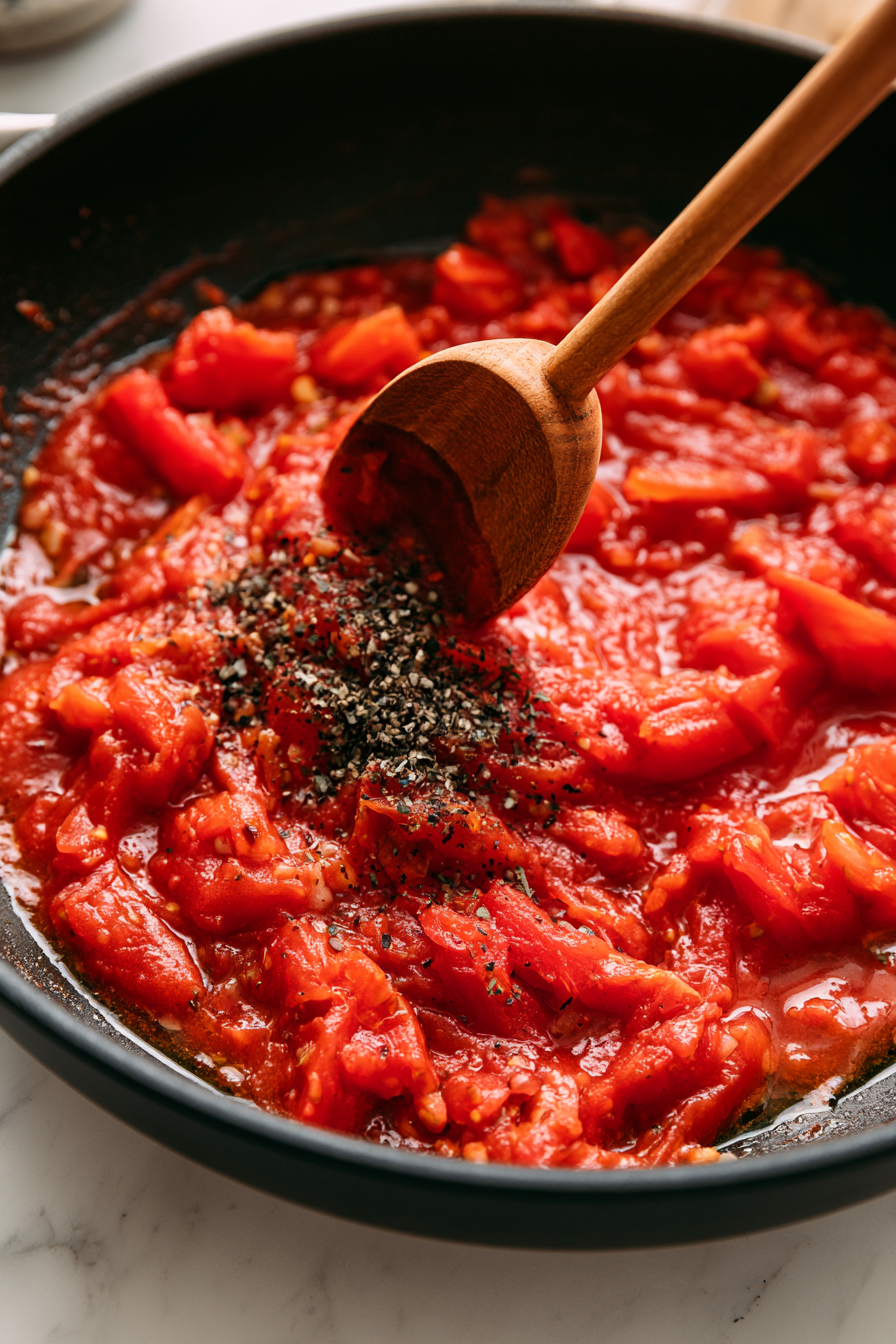
- Let the tomato sauce cook uncovered for 10–12 minutes, stirring occasionally, until it thickens slightly and the flavors come together. If the tomatoes taste particularly acidic, stir in the optional sugar.
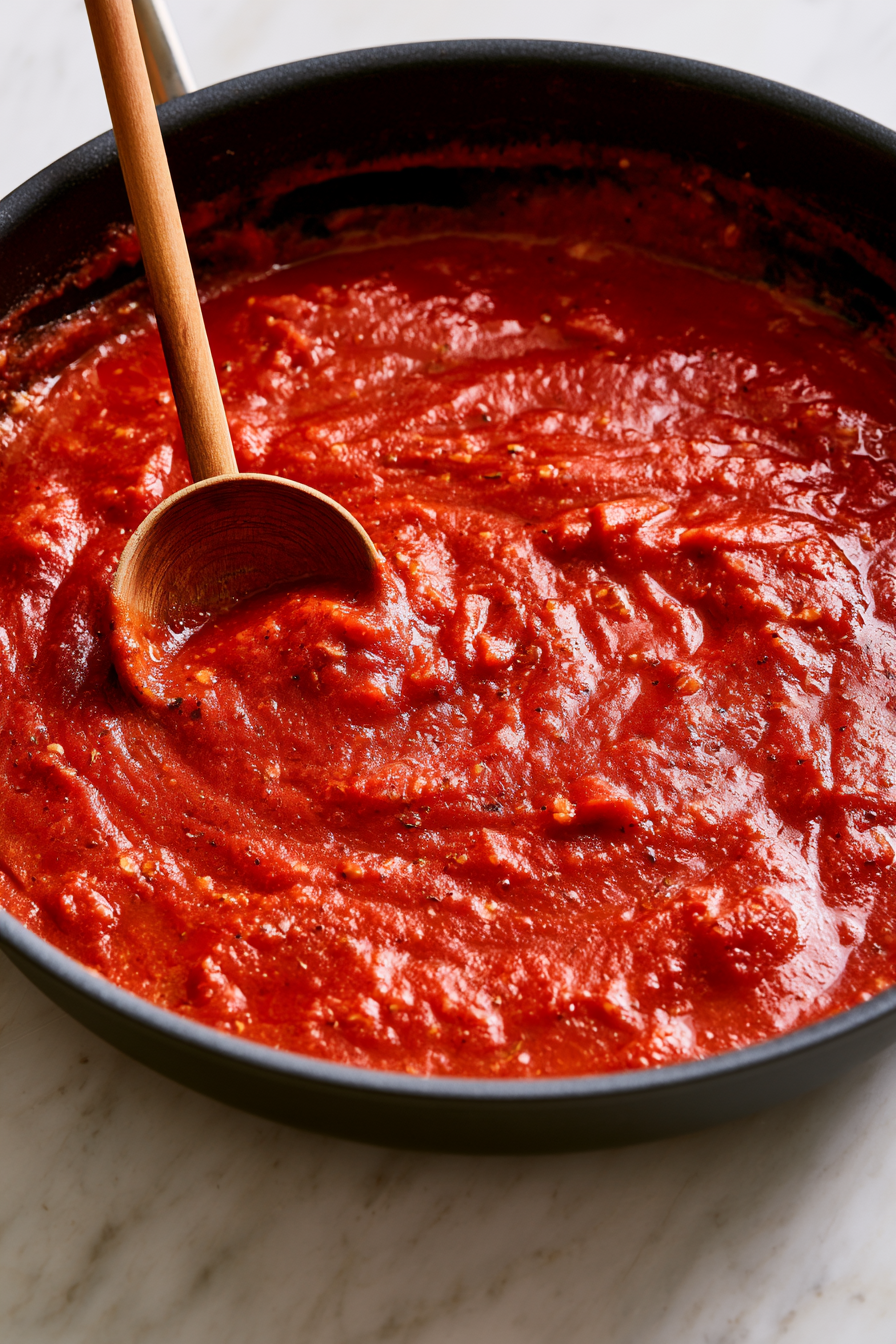
- Tear or roughly chop half of the fresh basil and stir it into the sauce during the final 2 minutes of cooking. Reserve the remaining basil for serving.
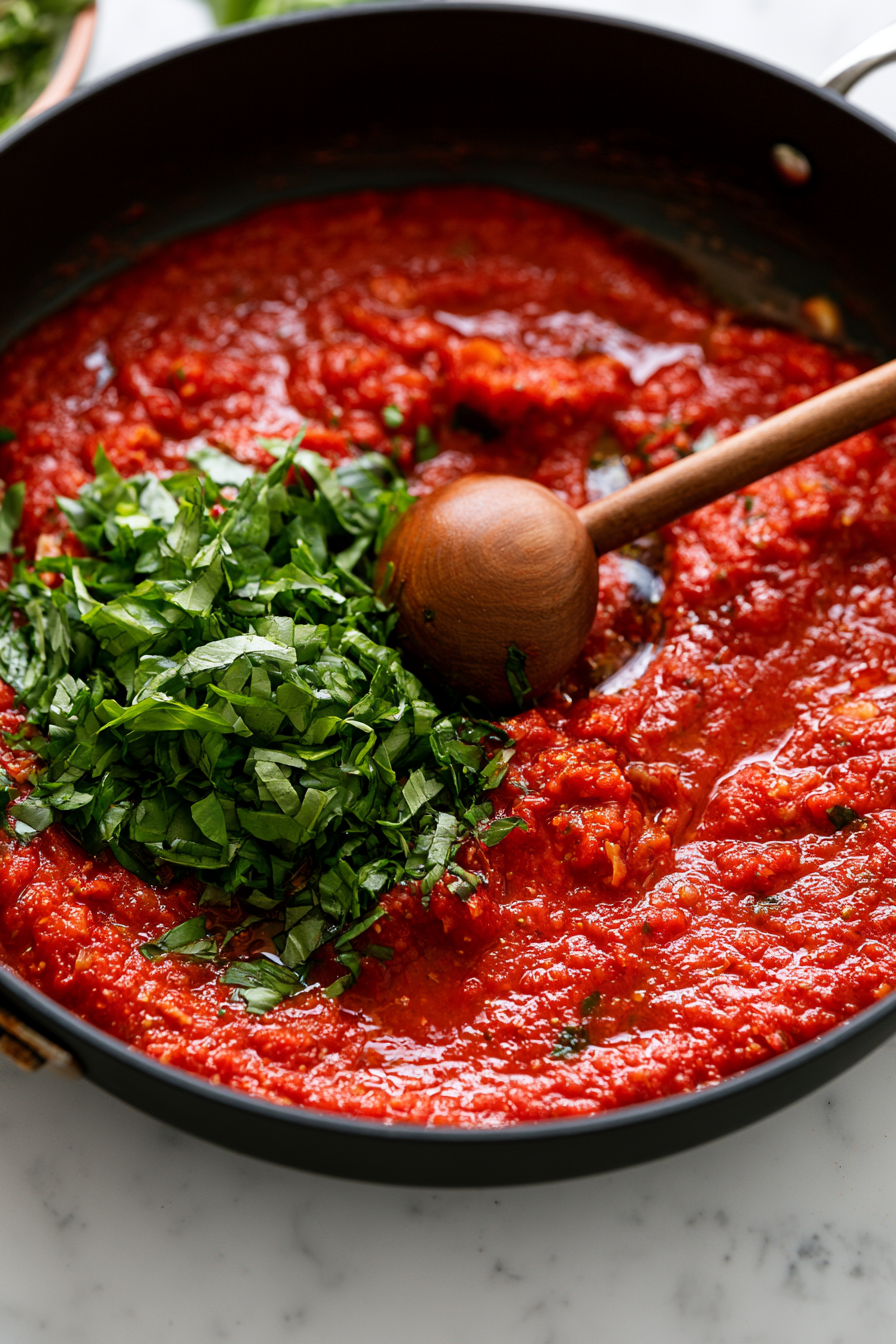
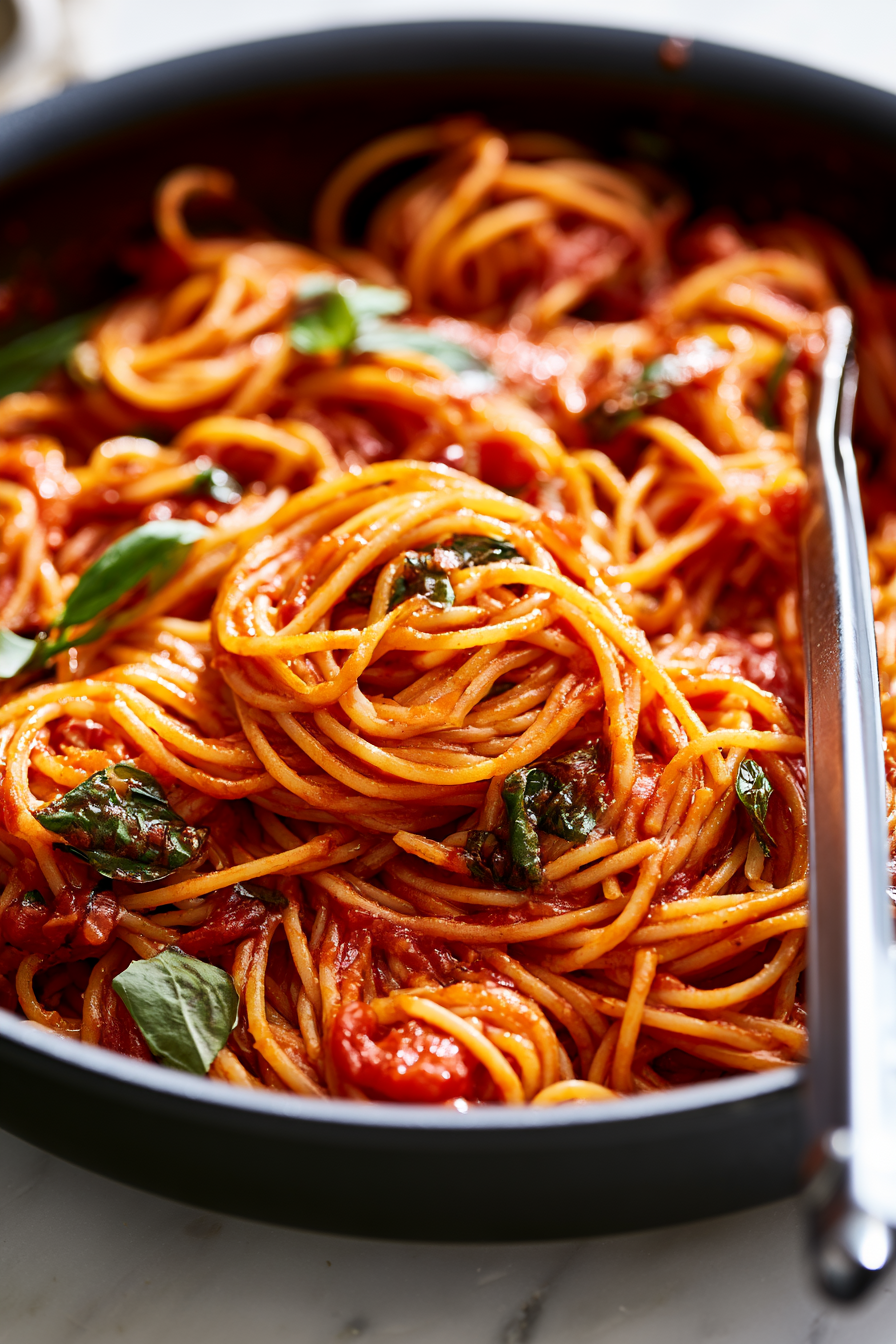
- Add the drained pasta directly to the skillet and toss well to coat every strand or piece with the tomato sauce.
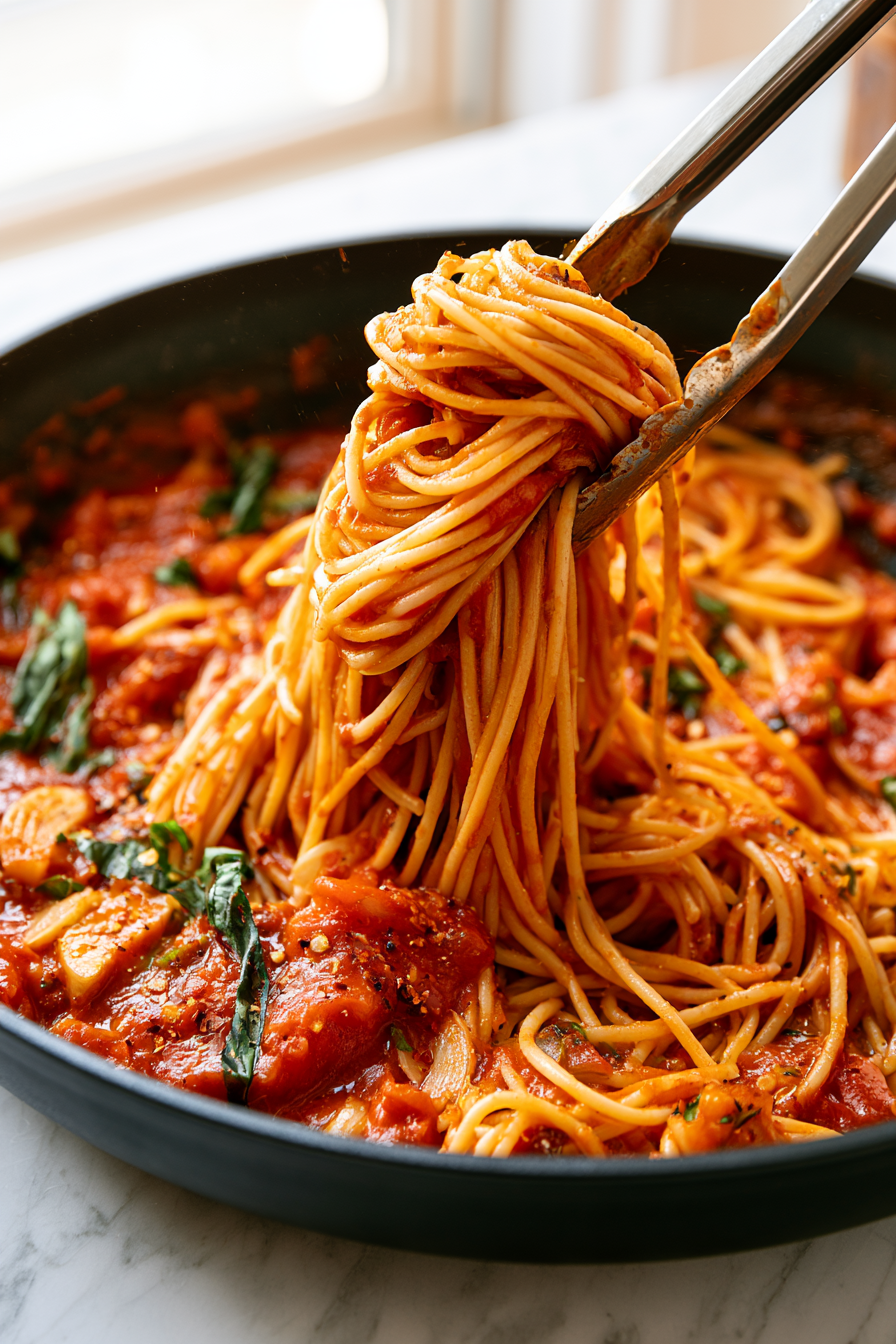
- Add a splash of reserved pasta water if the sauce seems too thick. Toss for another minute until the sauce becomes glossy and clings to the pasta.
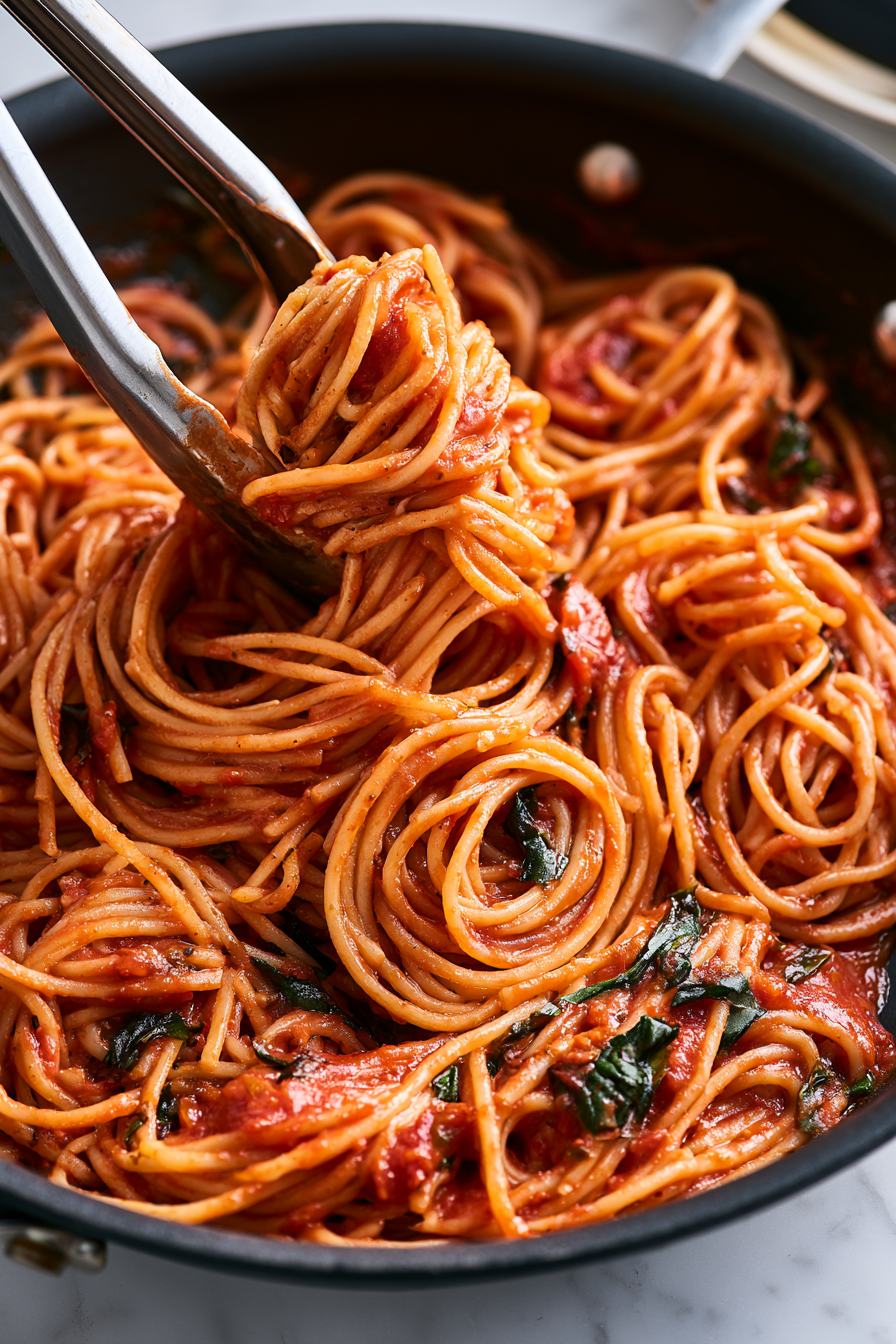
- Taste and adjust the seasoning with additional salt, black pepper, or red pepper flakes as needed.
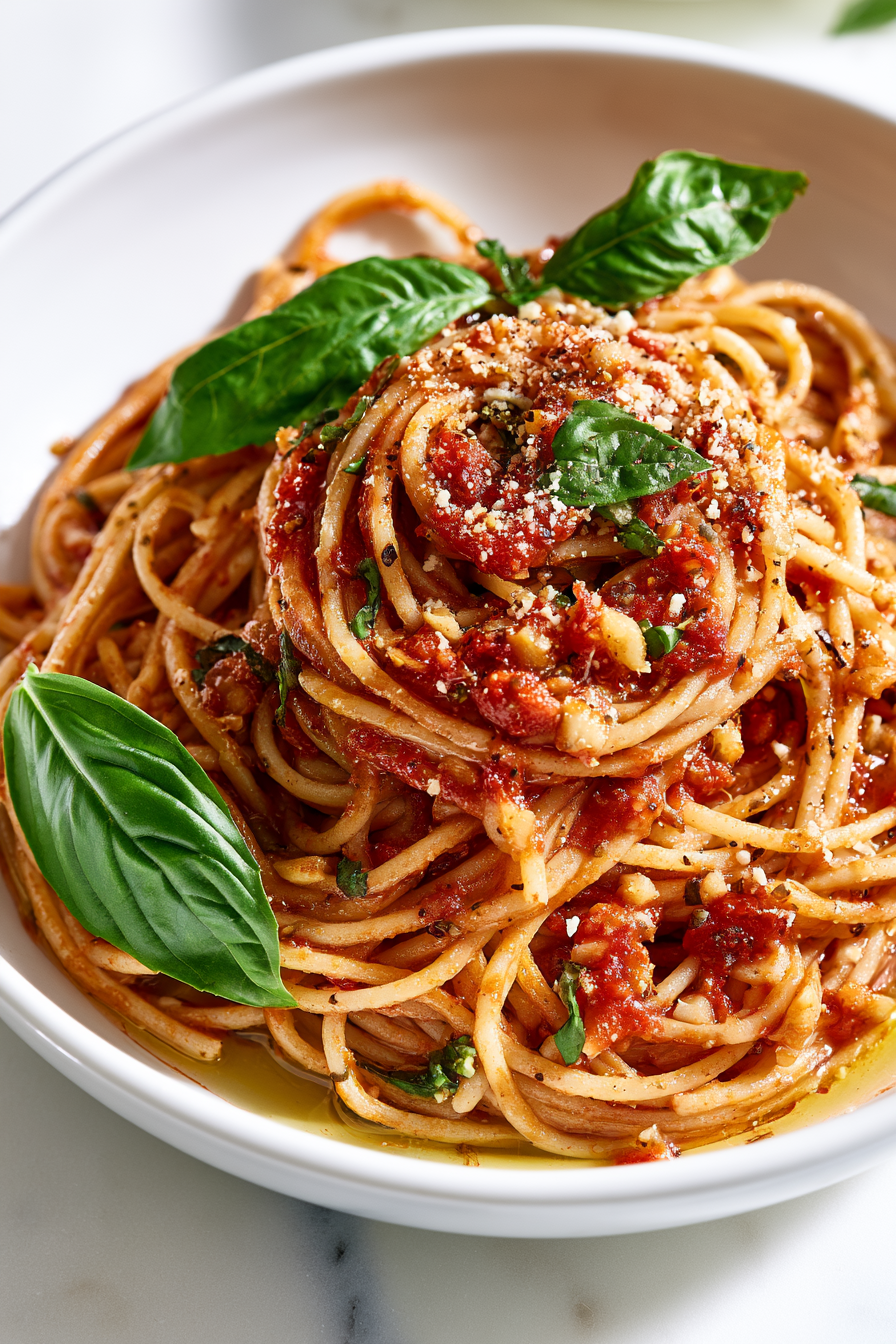
- Divide the pasta between bowls and top with the remaining fresh basil and vegan Parmesan, if using. Finish with a small drizzle of extra-virgin olive oil and serve immediately.
Notes
- Use fresh basil: Fresh basil is the key to the bright, aromatic flavor of this pasta. Add some to the sauce and save plenty for finishing the dish.
- Don’t burn the garlic: Cooking the garlic gently in olive oil helps release its flavor without making it bitter. Keep the heat on medium-low rather than high.
- Choose good tomatoes: Since tomatoes are the main ingredient, high-quality canned crushed tomatoes make a noticeable difference in the finished sauce.
- Balance the acidity: Depending on the tomatoes, a small amount of sugar can help balance sharp acidity. You can also add an extra drizzle of olive oil for a rounder flavor.
- Reserve pasta water: The starchy water helps thin the sauce while allowing it to cling beautifully to the pasta.
- Add vegetables: Sautéed zucchini, mushrooms, spinach, bell peppers, or roasted cherry tomatoes can easily be added for a more substantial meal.
- Make it gluten-free: Use your favorite gluten-free pasta and check the labels of any packaged toppings.
- Storage: Store leftovers in an airtight container in the refrigerator for up to 4 days. Reheat gently on the stovetop or in the microwave with a splash of water.
- Make ahead: The tomato basil sauce can be made up to 3 days ahead. Refrigerate it in an airtight container and toss with freshly cooked pasta when ready to serve.
Nutrition Information
| Nutrient | Amount |
|---|---|
| Calories | 410 kcal |
| Carbohydrates | 65g |
| Protein | 13g |
| Fat | 12g |
| Fiber | 6g |
| Sugar | 9g |
| Sodium | 540mg |
Nutrition information is an estimate and will vary depending on the pasta, tomatoes, and optional toppings used.
Common Mistakes to Avoid
- Burning the Garlic: Garlic can become bitter quickly, so keep the heat moderate and stir frequently.
- Undercooking the Sauce: Give the tomatoes enough time to simmer so the sauce can reduce slightly.
- Overcooking the Pasta: Cook the pasta until al dente rather than completely soft.
- Adding Too Much Pasta Water: Start with a small splash and add more only when the sauce needs loosening.
- Adding Basil Too Early: Cooking all the basil for too long can reduce its fresh aroma.
- Skipping the Toss: Combining the pasta and sauce directly in the skillet helps distribute the tomato sauce evenly.
Easy Ways to Change It Up
- Garlic Mushroom Pasta: Sauté sliced mushrooms before adding the tomato sauce.
- Spicy Tomato Pasta: Increase the red pepper flakes for more heat.
- Spinach Version: Stir fresh spinach into the sauce during the final few minutes.
- Roasted Vegetable Pasta: Add roasted zucchini, bell peppers, or eggplant before serving.
- Creamy Tomato Pasta: Stir in a splash of unsweetened plant-based cream for a richer sauce.
- Protein-Packed Version: Add chickpeas, white beans, or crispy tofu.
- Tomato Olive Pasta: Stir in sliced olives and a few chopped capers for a briny variation.
Serving Suggestions
Serve this Vegan Tomato Basil Pasta with warm garlic bread or crusty bread for an easy weeknight dinner.
Pair it with a simple arugula salad, cucumber caprese salad, or mixed greens tossed with lemon juice and olive oil.
For extra protein, add crispy tofu, white beans, chickpeas, or your favorite plant-based chicken. Roasted vegetables can be served as sides.
Finish each serving with fresh basil, vegan Parmesan, freshly cracked black pepper, and a drizzle of extra-virgin olive oil.
Make-Ahead and Storage Guide
- Sauce Ahead: Prepare the tomato basil sauce up to 3 days ahead and refrigerate it in an airtight container.
- Refrigerator Storage: Store leftover pasta in an airtight container for up to 4 days.
- Separate Components: For the best texture when planning ahead, keep the sauce separate from freshly cooked pasta.
- Reheating: Warm leftovers gently on the stovetop or in the microwave until heated through.
- Freshness Tip: Add a small splash of water when reheating to loosen the sauce and finish with fresh basil.
Frequently Asked Questions
- Can I use fresh tomatoes instead of canned crushed tomatoes?
Yes. Fresh tomatoes can be used, although they contain varying amounts of water and may require a longer simmer to reach the consistency of the canned tomato sauce. - Why does my tomato sauce taste acidic?
Some canned tomatoes are naturally sharper than others. The optional sugar can help balance that acidity, while a little extra olive oil can also soften the overall flavor. - Can I make this pasta with whole wheat noodles?
Yes. Whole wheat spaghetti, linguine, or penne can be used. Follow the package directions because cooking times can differ from regular pasta. - When should I add fresh basil to tomato sauce?
Adding some basil during the final minutes of cooking preserves more of its fresh aroma. Reserve additional leaves for finishing the dish. - Why isn’t my sauce sticking to the pasta?
Toss the drained pasta directly in the skillet with the sauce and add a small amount of reserved pasta water. The starch helps the sauce adhere to the noodles. - Can I use dried basil instead of fresh?
Yes, but the flavor will be different. Fresh basil provides a brighter herbal quality, while dried basil has a more concentrated, earthy character. - What type of tomato paste should I use?
Regular tomato paste works well. Tube-packed or canned tomato paste can both be used as long as the product is plain and unsweetened

Hi, I’m Austin. Every recipe you’ll find here is carefully tested, photographed, and created to help you cook with confidence…..
know more