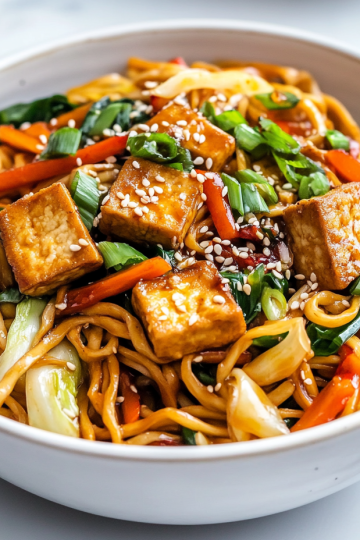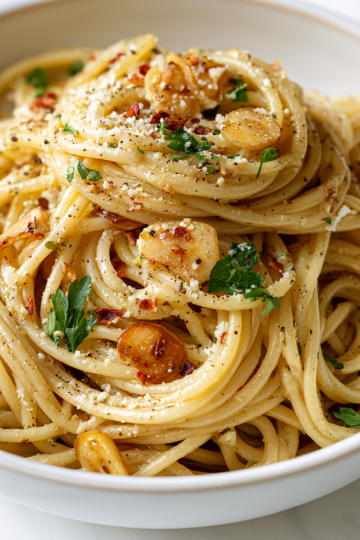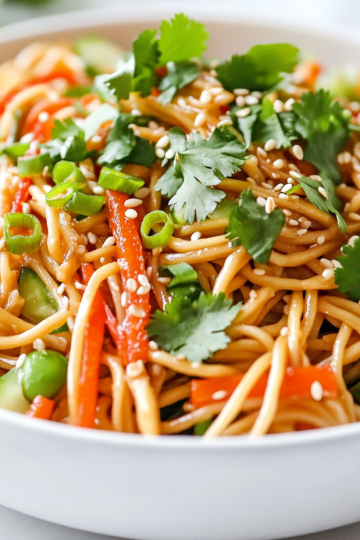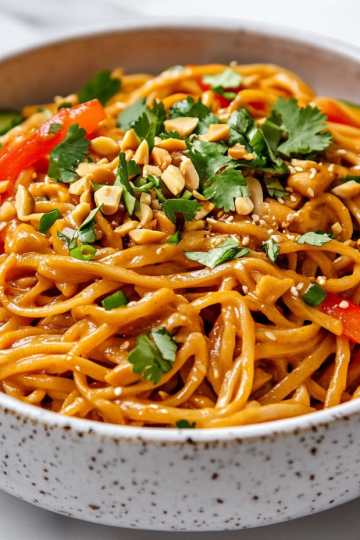
Vegan Ramen Recipe
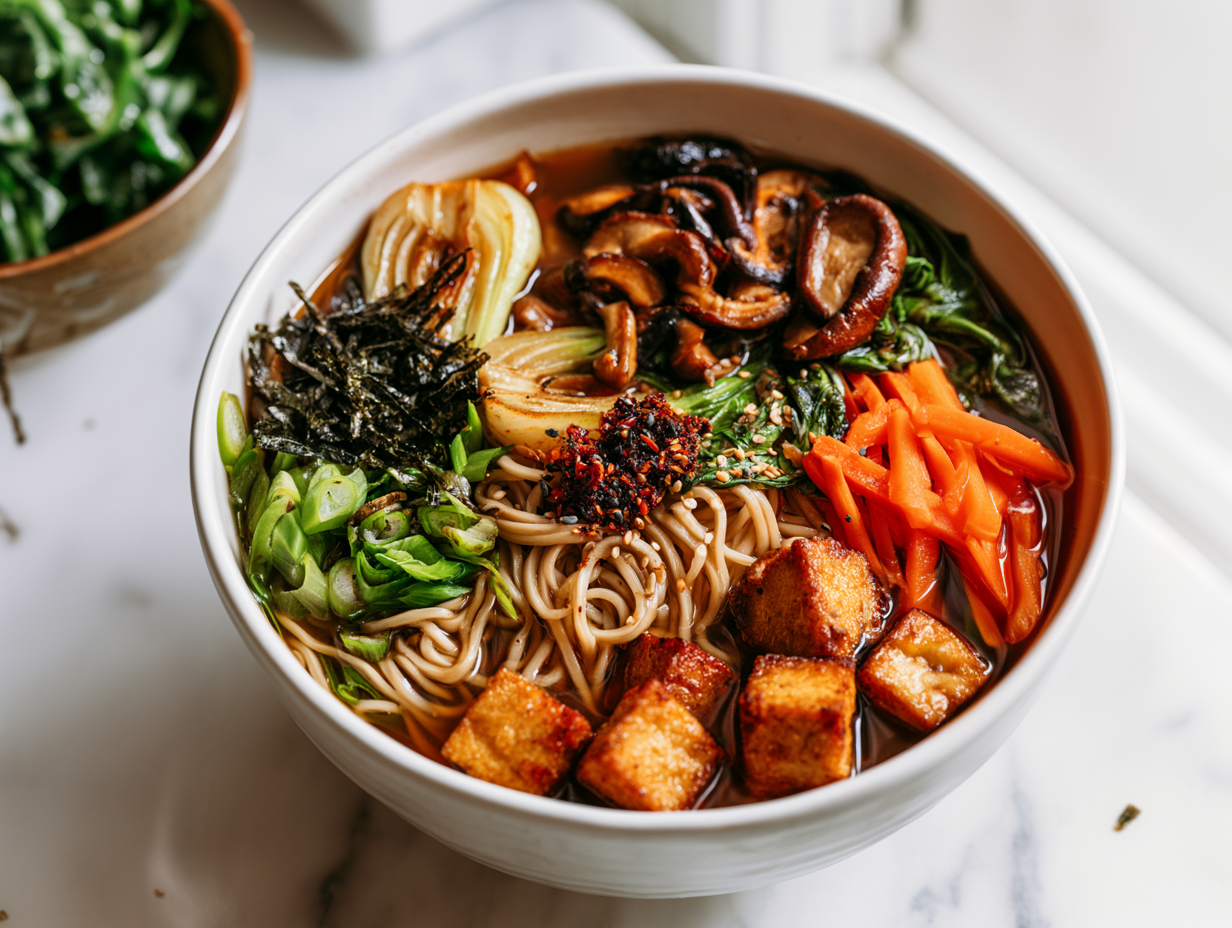
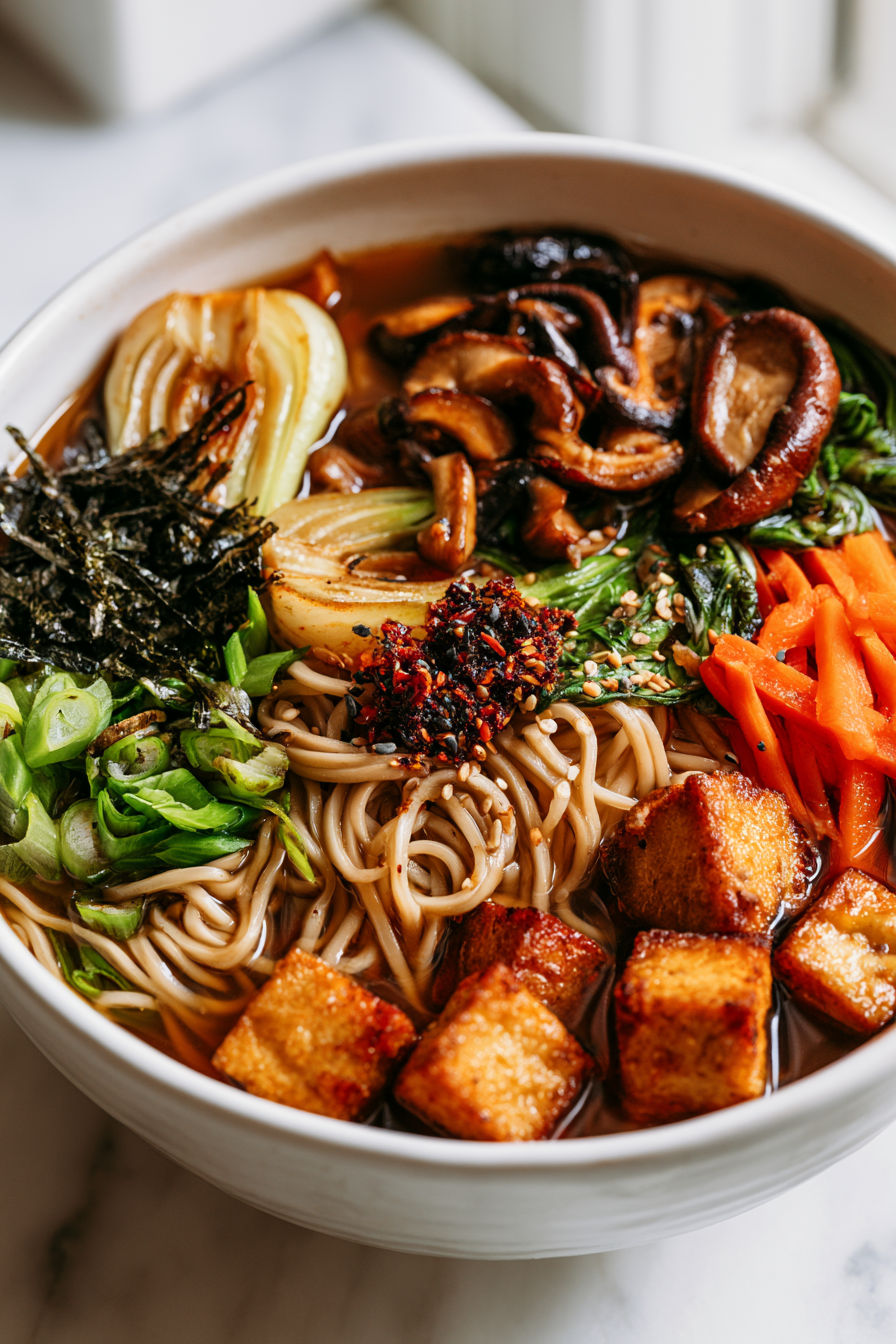
This Vegan Ramen Recipe is a comforting homemade noodle soup made with a deeply flavored mushroom broth, chewy ramen noodles, crispy tofu, and colorful vegetable toppings. It brings together simple plant-based ingredients to create a satisfying meal that works well for cozy dinners, colder days, or whenever you want a restaurant-inspired bowl at home.
The combination of savory miso, shiitake mushrooms, garlic, ginger, and soy sauce creates a rich broth with layers of umami flavor. Each bowl delivers springy noodles, hearty toppings, and a warm soup base that feels nourishing without relying on animal products.
Why You’ll Keep Making This Recipe
- Plant-Based Comfort: A satisfying vegan meal that delivers the warmth and richness expected from a classic ramen bowl.
- Simple Cooking Process: The recipe uses straightforward steps that are easy to follow, even if you are making homemade ramen for the first time.
- Flexible Ingredients: The toppings can be adjusted based on seasonal vegetables or ingredients already available in your kitchen.
- Great Meal Prep Option: The broth can be prepared ahead, making it easier to assemble fresh bowls when needed.
- Beginner Friendly: Most of the cooking involves simmering, sautéing, and assembling, making it approachable for home cooks.
- Restaurant-Inspired at Home: Creates a ramen shop-style experience using accessible grocery store ingredients.
Ingredient Notes & Easy Substitutions
- Shiitake Mushrooms: Dried shiitake mushrooms create the foundation of the broth by adding deep savory notes. Fresh shiitake mushrooms can also be used for the toppings.
- Miso Paste: White miso adds complexity and a smooth savory quality to the broth. Stir it in near the end of cooking to preserve its delicate characteristics.
- Extra-Firm Tofu: Pressing tofu removes excess moisture and helps it develop a better golden exterior when cooked.
- Vegan Ramen Noodles: Always check labels because some ramen noodles contain eggs. Choose noodles specifically marked vegan for a fully plant-based bowl.
- Tamari: Tamari works well instead of soy sauce if you prefer a gluten-free option while keeping the same savory seasoning effect.
- Vegetable Broth: A good-quality vegetable broth provides the liquid base and helps build the overall depth of the ramen.
Chef’s Tip: Press the tofu thoroughly before cooking and avoid moving it too often in the skillet. Letting each side brown properly helps create a crisp exterior.
Vegan Ramen Recipe
Equipment
- Large soup pot or Dutch oven
- Large Skillet
- Medium Saucepan
- Fine-mesh strainer
- Large bowls for serving
- Chef's Knife
- Small Mixing Bowl
- Tongs
Ingredients
For the Mushroom Ramen Broth
- 2 tablespoons avocado oil or neutral cooking oil
- 5 garlic cloves roughly chopped
- 1 large piece fresh ginger about 3 inches, peeled and sliced
- 1 medium yellow onion roughly chopped
- 6 cups vegetable broth
- ½ ounce dried shiitake mushrooms
- 2 tablespoons soy sauce or tamari
- 1 tablespoon white miso paste
- 1 teaspoon toasted sesame oil
- 1 tablespoon rice vinegar
- 1 tablespoon mirin optional
For the Ramen Bowls
- 8 ounces vegan ramen noodles
- 10 ounces extra-firm tofu pressed and cubed
- 1 tablespoon oil for cooking tofu
- 2 cups baby bok choy halved
- 1 cup shiitake mushrooms sliced
- 1 medium carrot julienned
- 4 green onions thinly sliced
- 1 sheet nori sliced into strips, optional
- 2 tablespoons chili crisp or chili oil for serving
- Sesame seeds for topping
Instructions
- Heat oil in a large soup pot over medium heat. Add the garlic, ginger, and onion and cook for 5–8 minutes, stirring occasionally, until the vegetables soften and develop a slightly golden color.
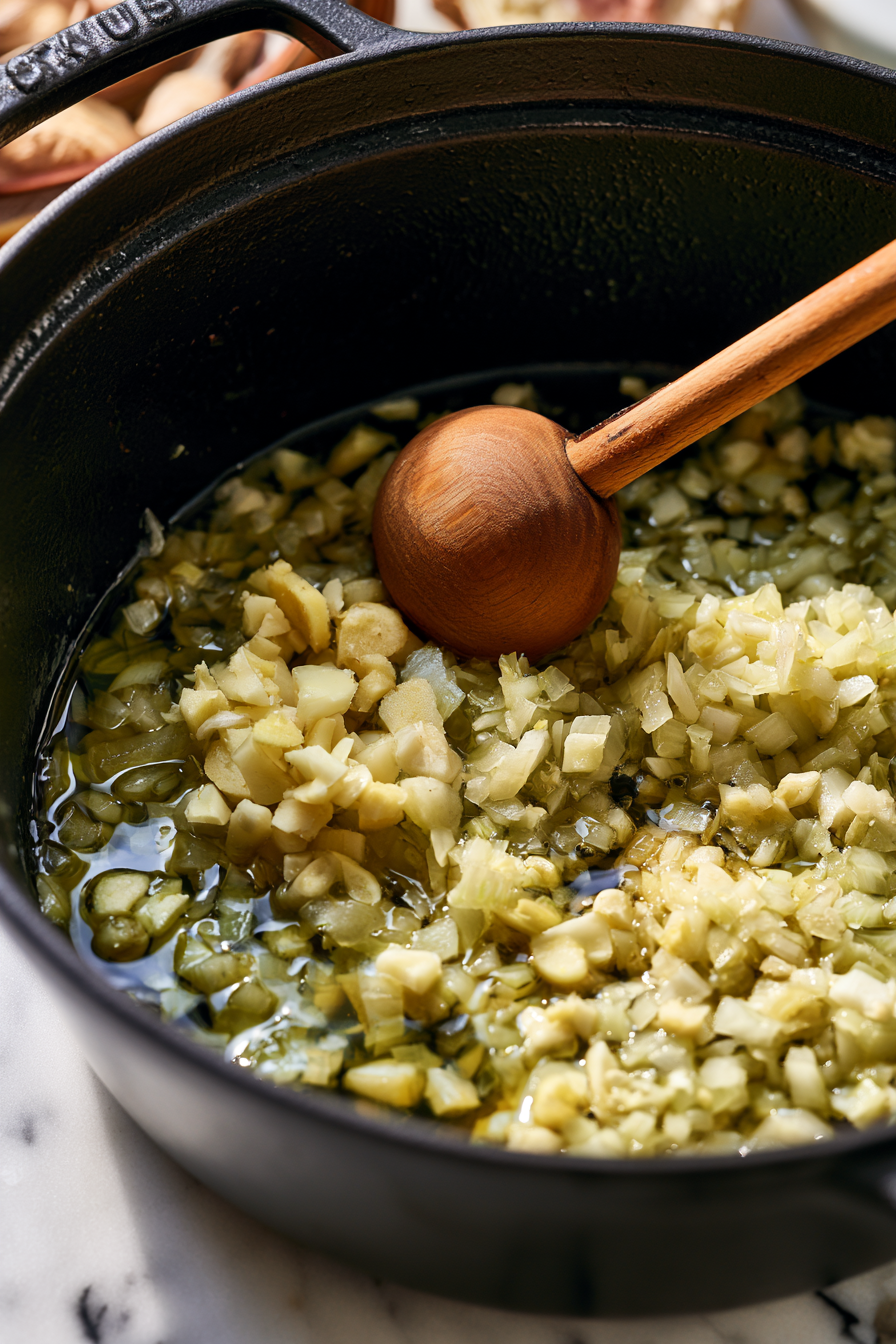
- Add 1 cup of vegetable broth and scrape the bottom of the pot with a wooden spoon to release any flavorful browned bits.
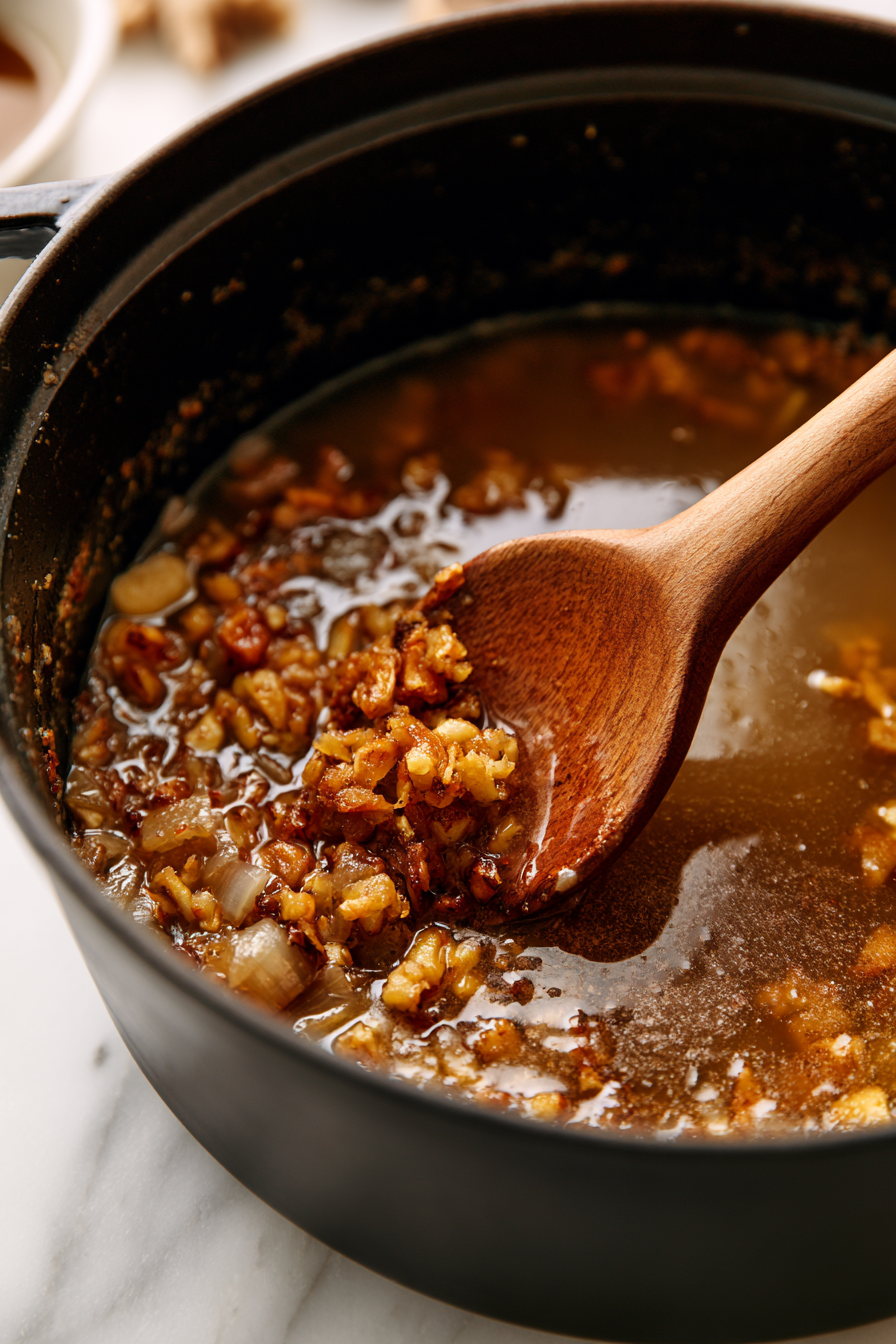
- Pour in the remaining vegetable broth, dried shiitake mushrooms, and soy sauce. Bring the mixture to a gentle simmer.
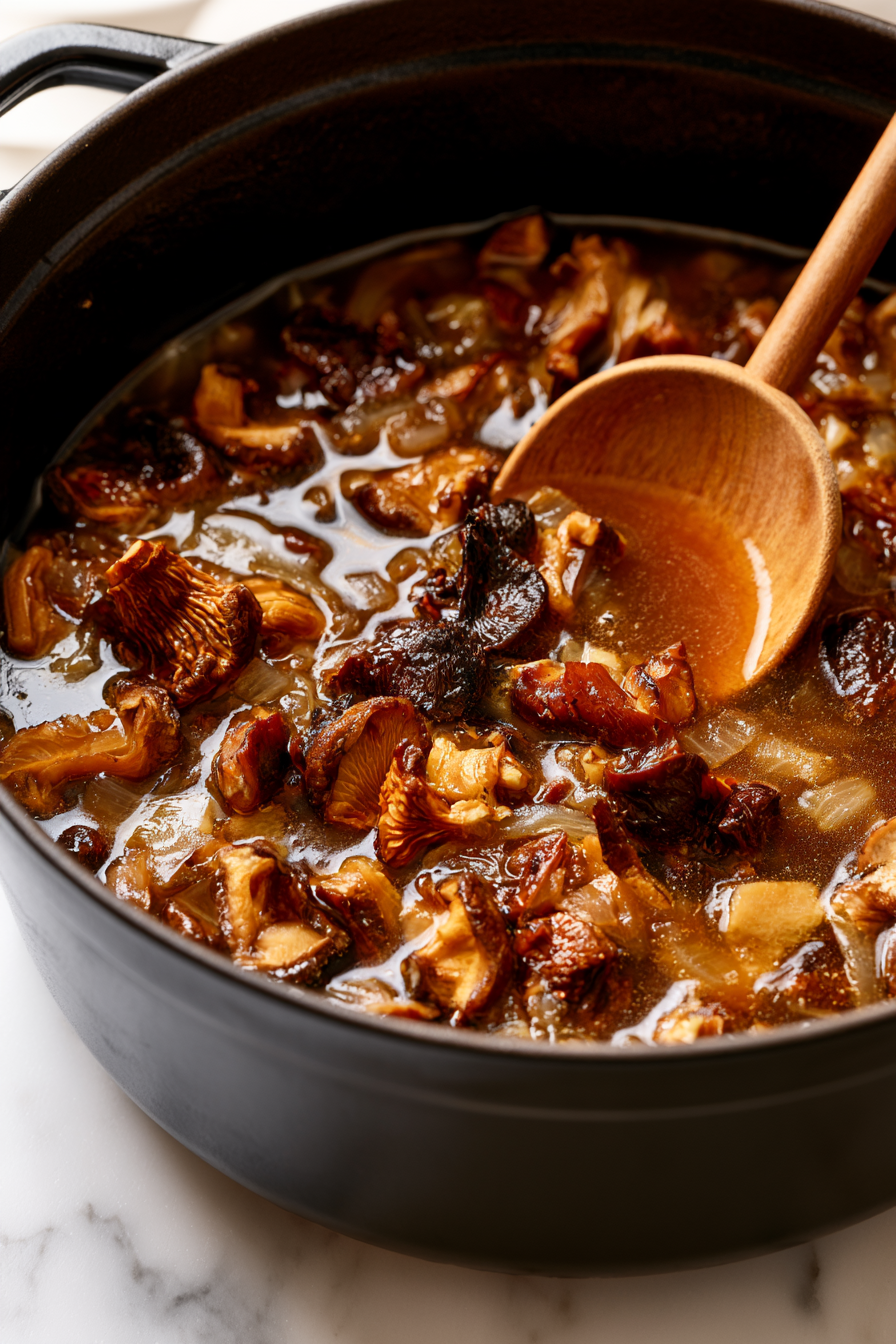
- Reduce the heat to low, cover partially, and allow the broth to simmer for 45–60 minutes. The longer it cooks, the deeper and richer the mushroom flavor becomes.
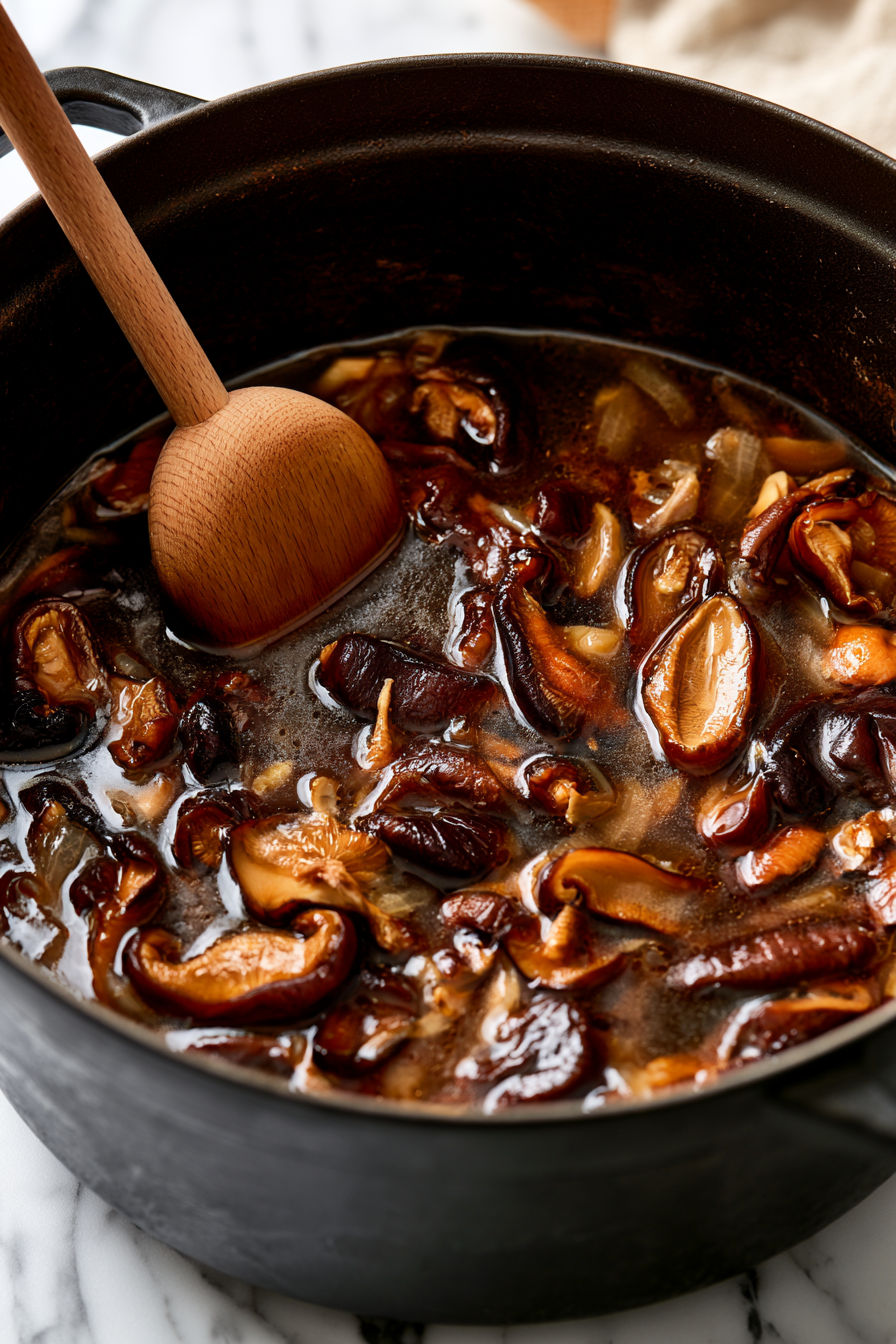
- Strain the broth through a fine mesh strainer, removing the onion, ginger, garlic, and mushroom pieces. Return the broth to the pot.
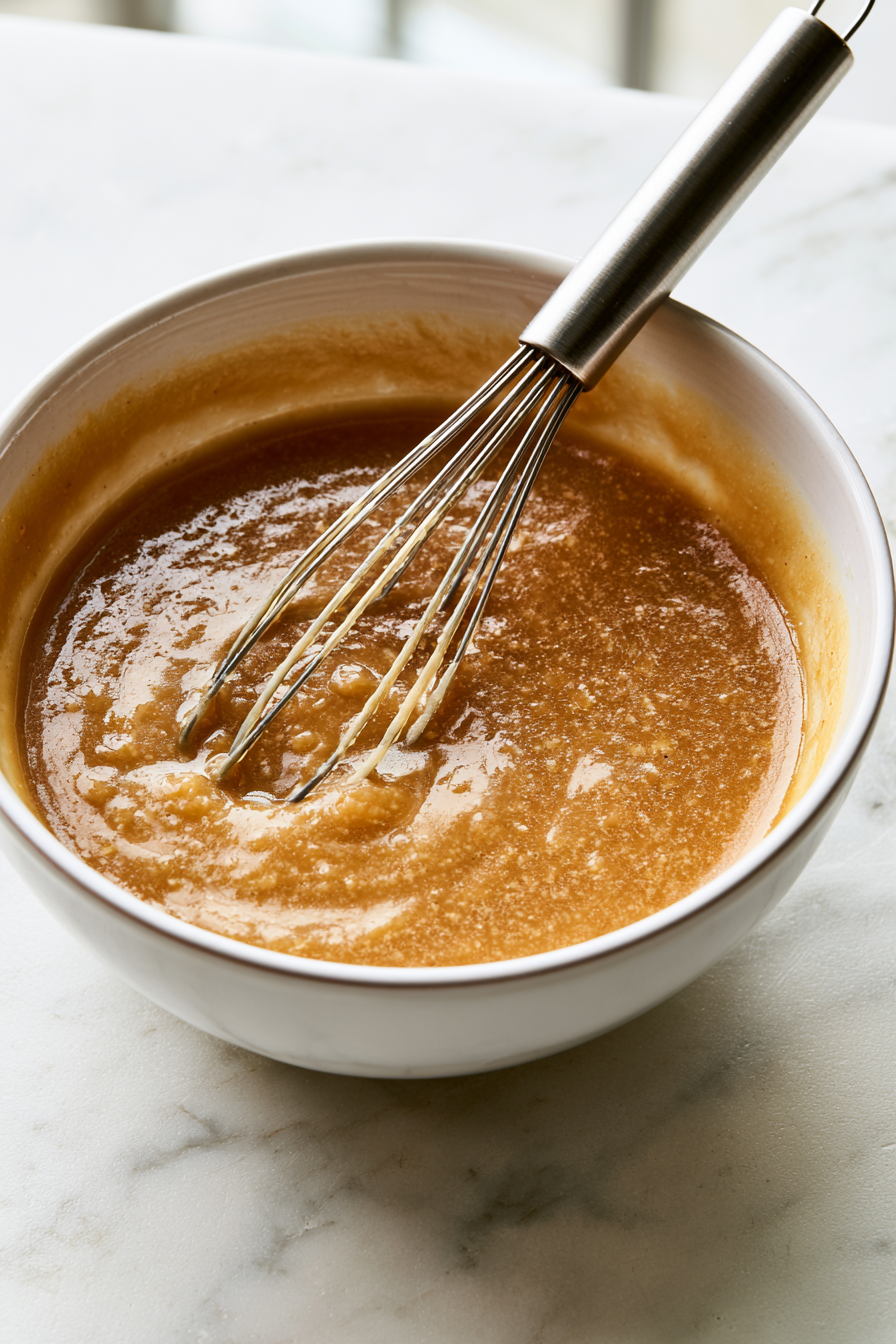
- Whisk the miso paste with a small amount of warm broth in a bowl until smooth. Stir the miso mixture, sesame oil, rice vinegar, and mirin into the broth. Avoid boiling after adding miso to preserve its flavor.
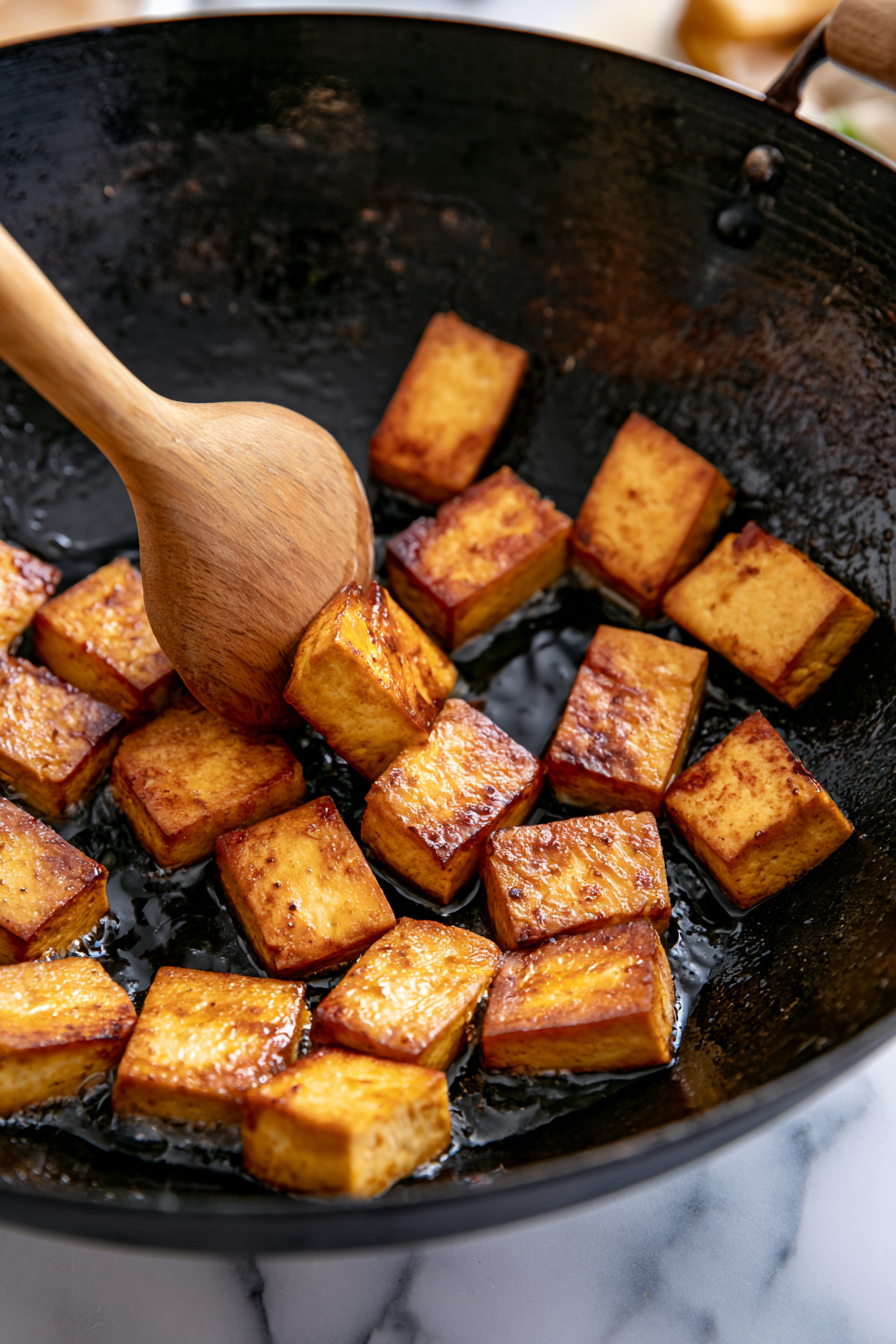
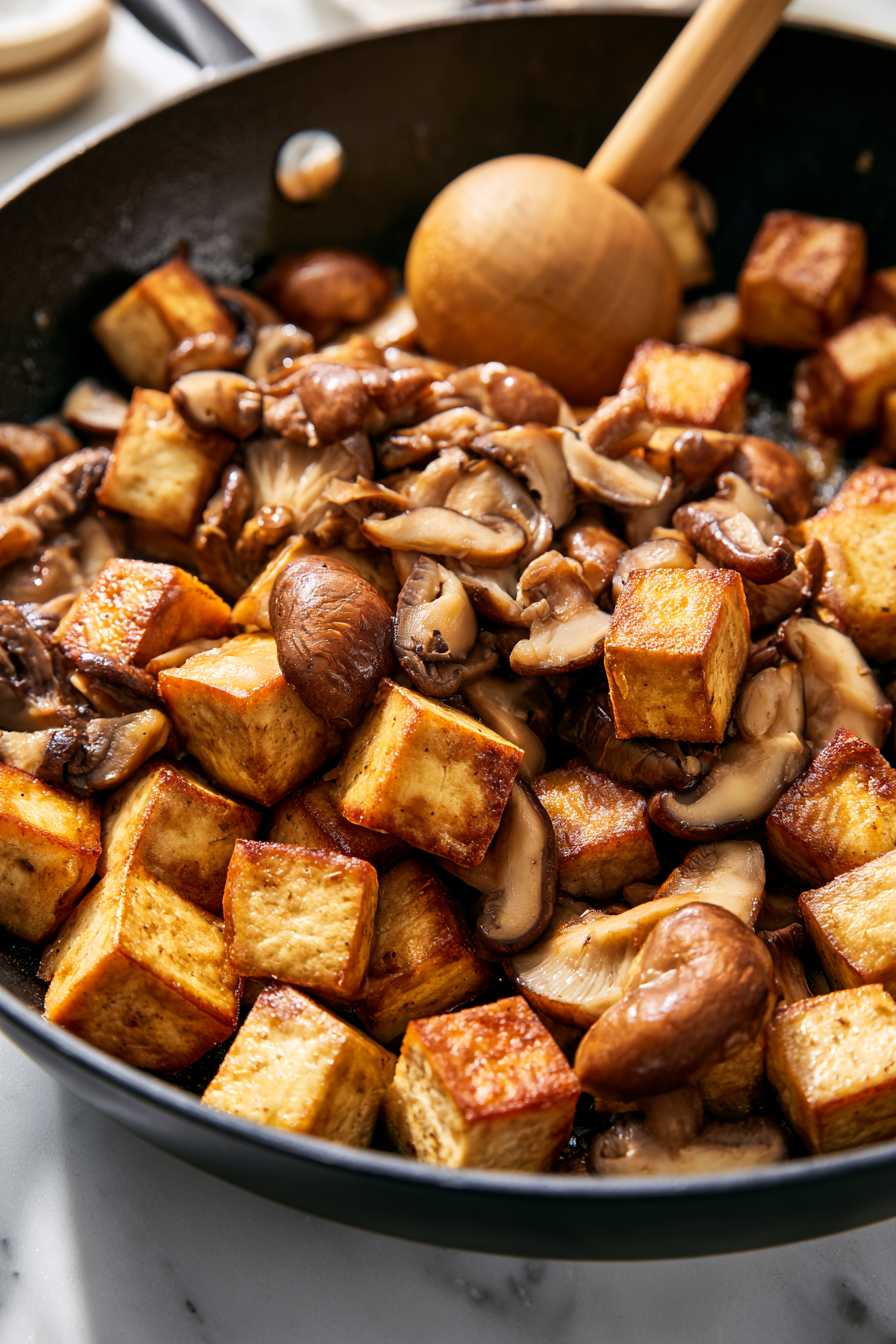
- While the broth simmers, prepare the toppings. Heat oil in a skillet over medium heat and add the tofu cubes. Cook for 5–7 minutes, turning occasionally, until golden and lightly crispy.
- Add the sliced mushrooms to the skillet and cook for 4–5 minutes until tender and browned.
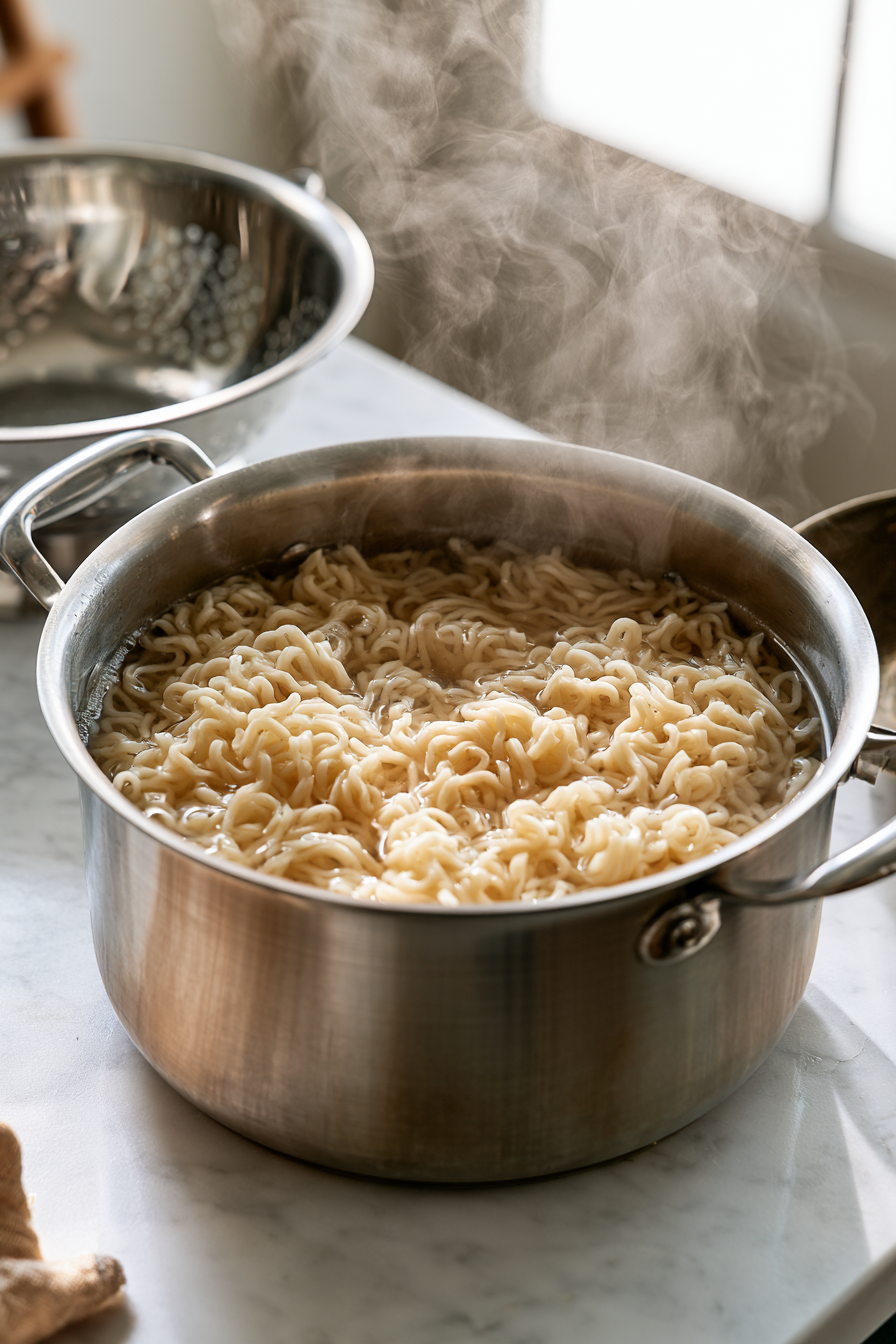
- Cook the ramen noodles according to the package instructions. Drain well and divide between serving bowls.
- Pour the hot mushroom broth over the noodles. Add crispy tofu, sautéed mushrooms, bok choy, carrots, and green onions.
- Finish each bowl with chili crisp, sesame seeds, nori strips, or extra soy sauce as desired.
- Serve immediately while the broth is hot and the noodles are perfectly chewy.
Notes
- Use vegan ramen noodles: Some packaged ramen noodles contain eggs, so check the label carefully and choose noodles specifically marked vegan.
- Do not skip the mushroom broth: The broth is the heart of this recipe. Shiitake mushrooms add deep umami flavor that makes the ramen taste rich and satisfying without meat.
- Add miso at the end: Miso provides a savory depth of flavor, but boiling it can reduce its delicate taste. Stir it in after the broth has finished simmering.
- Press the tofu first: Removing excess moisture helps tofu become crispy instead of soft when pan-fried.
- Make the broth ahead: The mushroom broth can be prepared several days ahead and stored in the refrigerator. It can also be frozen for longer storage.
- Customize the toppings: Add corn, bean sprouts, spinach, bamboo shoots, edamame, roasted vegetables, or extra mushrooms.
- Storage: Store the broth, noodles, and toppings separately whenever possible. Keeping everything together can cause the noodles to absorb too much liquid and become soft.
- Gluten-free option: Use gluten-free ramen noodles and replace soy sauce with certified gluten-free tamari.
Nutrition Information
| Nutrient | Amount Per Serving |
|---|---|
| Calories | 390 kcal |
| Carbohydrates | 52 g |
| Protein | 17 g |
| Fat | 14 g |
| Fiber | 6 g |
| Sugar | 7 g |
| Sodium | 980 mg |
Common Mistakes and How to Avoid Them
- Boiling After Adding Miso: High heat can affect miso’s delicate flavor. Stir it into warm broth at the end of cooking.
- Skipping Tofu Pressing: Excess moisture prevents tofu from browning properly and can leave it soft instead of crisp.
- Using Regular Ramen Noodles: Some instant ramen noodles contain non-vegan ingredients. Check the package before cooking.
- Overcooking the Noodles: Ramen noodles continue absorbing liquid after cooking, so avoid leaving them in hot broth too long before serving.
- Not Simmering the Broth Long Enough: A shorter cooking time may result in a lighter broth with less mushroom depth.
- Adding Too Much Salt Early: Soy sauce and miso both add sodium, so adjust seasoning gradually after combining all ingredients.
Easy Ways to Change It Up
- Spicy Ramen Version: Add extra chili crisp, chili oil, or sliced fresh peppers for more heat.
- Protein-Rich Bowl: Add extra tofu, edamame, or tempeh to increase the plant-based protein.
- Creamy Ramen Version: Stir in a spoonful of peanut butter or a small amount of coconut milk for a richer broth.
- Vegetable-Packed Ramen: Add spinach, corn, bean sprouts, bamboo shoots, or roasted vegetables for more variety.
- Garlic Lover’s Version: Increase the fresh garlic or add roasted garlic for a stronger savory taste.
- Sesame Ramen Version: Finish the bowl with extra toasted sesame seeds and a drizzle of sesame oil.
- Miso Vegetable Ramen: Add more miso paste with extra vegetables for a stronger fermented flavor profile.
More Vegan Recipes You’ll Enjoy
Best Ways to Store Leftovers
- Make Ahead: Prepare the mushroom broth up to several days ahead and keep it ready for quick ramen assembly.
- Refrigerator Storage: Store leftover broth, noodles, tofu, and toppings separately in airtight containers for up to 4 days.
- Freezer Storage: Freeze the mushroom broth in freezer-safe containers for up to 3 months.
- Reheating: Warm the broth gently on the stovetop and add freshly prepared noodles and toppings before serving.
- Freshness Tip: Keep noodles separate from the broth whenever possible to prevent them from becoming overly soft.
Frequently Asked Questions
- Can I make this ramen without tofu?
Yes. You can leave out tofu or replace it with another plant-based protein option such as tempeh or edamame. - What type of mushrooms work best for vegan ramen?
Shiitake mushrooms are ideal because they provide a deep savory taste, but other mushrooms can add extra variety. - Can I use fresh ramen noodles instead of dried noodles?
Yes. Fresh ramen noodles work well and may have a softer, more springy texture when cooked properly. - How can I make the broth taste richer?
Allowing the mushrooms and aromatics to simmer longer helps develop a deeper broth flavor. - Why does my ramen broth taste too salty?
Soy sauce, miso, and vegetable broth all contain sodium. Adjust the amount of added seasoning and use a lower-sodium broth if needed. - Can I make this recipe gluten-free?
Yes. Use gluten-free ramen noodles and replace soy sauce with certified gluten-free tamari. - What type of miso is best for ramen?
White miso works well because it has a mild flavor and blends smoothly into the broth. - Can I add noodles directly into the broth?
It is better to cook noodles separately because they can absorb too much broth and change the final texture.

Hi, I’m Austin. Every recipe you’ll find here is carefully tested, photographed, and created to help you cook with confidence…..
know more