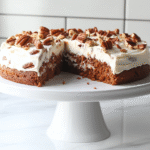
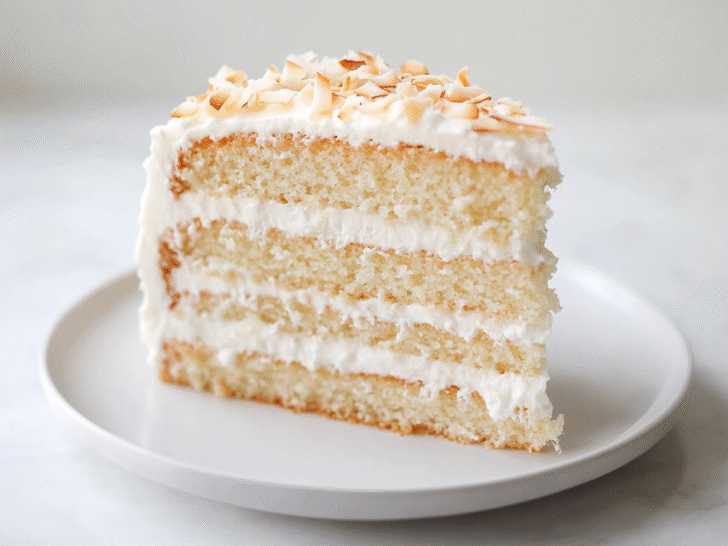
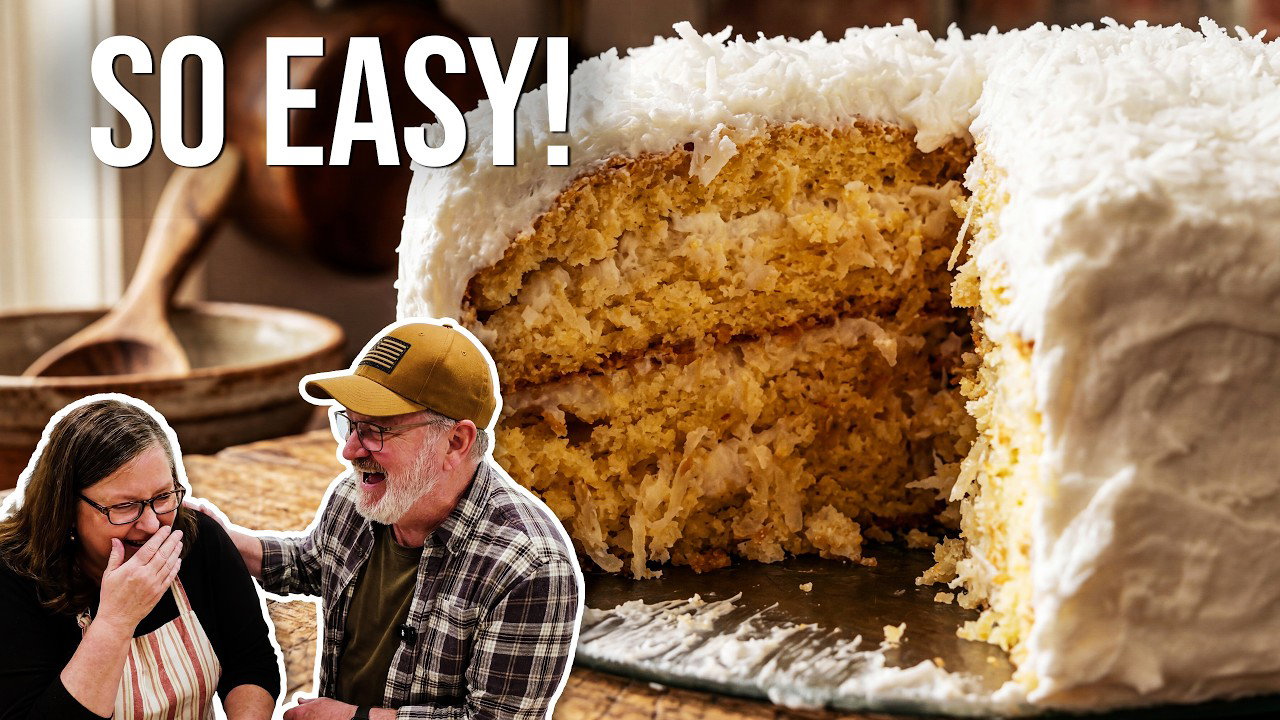
Enjoy the sublime combination of tropical tastes in our Moist Coconut Cake recipe, which will wow your senses. With each bite, this delicious delicacy will take you to a peaceful haven as it celebrates the rich, sweet taste of coconut. Enjoy the mouthwatering aroma and rich texture of this delectable delicacy, which is sure to be a show-stopper at any event.
Layers of rich, tender cake flavored with coconut form the foundation of this delicious masterpiece. The crumb is so soft and virtually melts on your lips because of the precise blending of the components.
Prepare to be enthralled by the flavor and have your senses transported to sunny beaches by our Moist Coconut Cake, the pinnacle of tropical decadence. Apart from that, we have some other recipes for cakes Cherry Dump Cake, and Fresh Apple Cake for all the cake lovers here. So you can definitely check them out as well.
The Part I Love Most About This Cake

I love coconut cake for its amazing texture and moist layers. It reminds me of the evergreen Pineapple Cake or my favorite Blueberry Custard Cake. The tender crumb of the cake gives me a rich and smooth experience, making it an incredibly satisfying treat.
What makes this recipe stand out for me is the balance of texture. The tender crumb, creamy coconut frosting, and light shredded coconut create a cake that feels rich but still light enough for another slice.
I also love how approachable it is. Even though it looks bakery-worthy once frosted, the recipe itself is simple enough for casual weekend baking, birthdays, family gatherings, or anytime you want a dessert that feels a little extra special without becoming complicated.
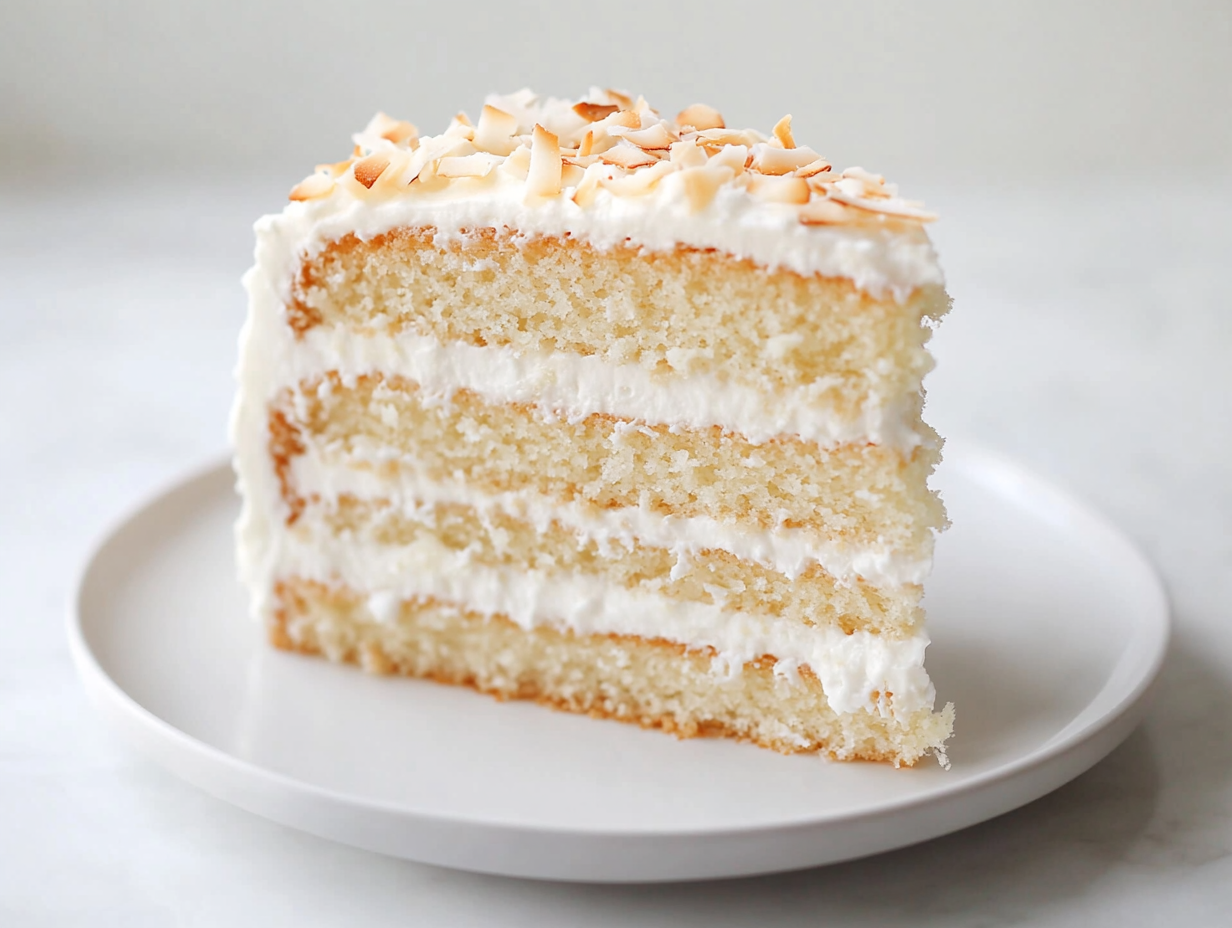
Best Coconut Cake Recipe
Equipment
- Whisk or Electric Hand Mixer
- Measuring Spoons and Cups
- Cake Pans
- Cooling Rack
- Spatula
- Cake Stand
- Oven
- Coconut Shredder (optional)
Ingredients
For the Cake:
- 2 cups all-purpose flour
- 1 ½ teaspoons baking powder
- ½ teaspoon baking soda
- ¼ teaspoon salt
- 1 cup unsalted butter softened
- 1 ½ cups granulated sugar
- 3 large eggs
- 1 teaspoon vanilla extract
- 1 cup coconut milk
- 1 cup shredded coconut sweetened or unsweetened
For the Coconut Cream Frosting:
- 1 cup unsalted butter softened
- 4 cups powdered sugar
- 1 teaspoon vanilla extract
- 1/4 cup coconut cream
Instructions
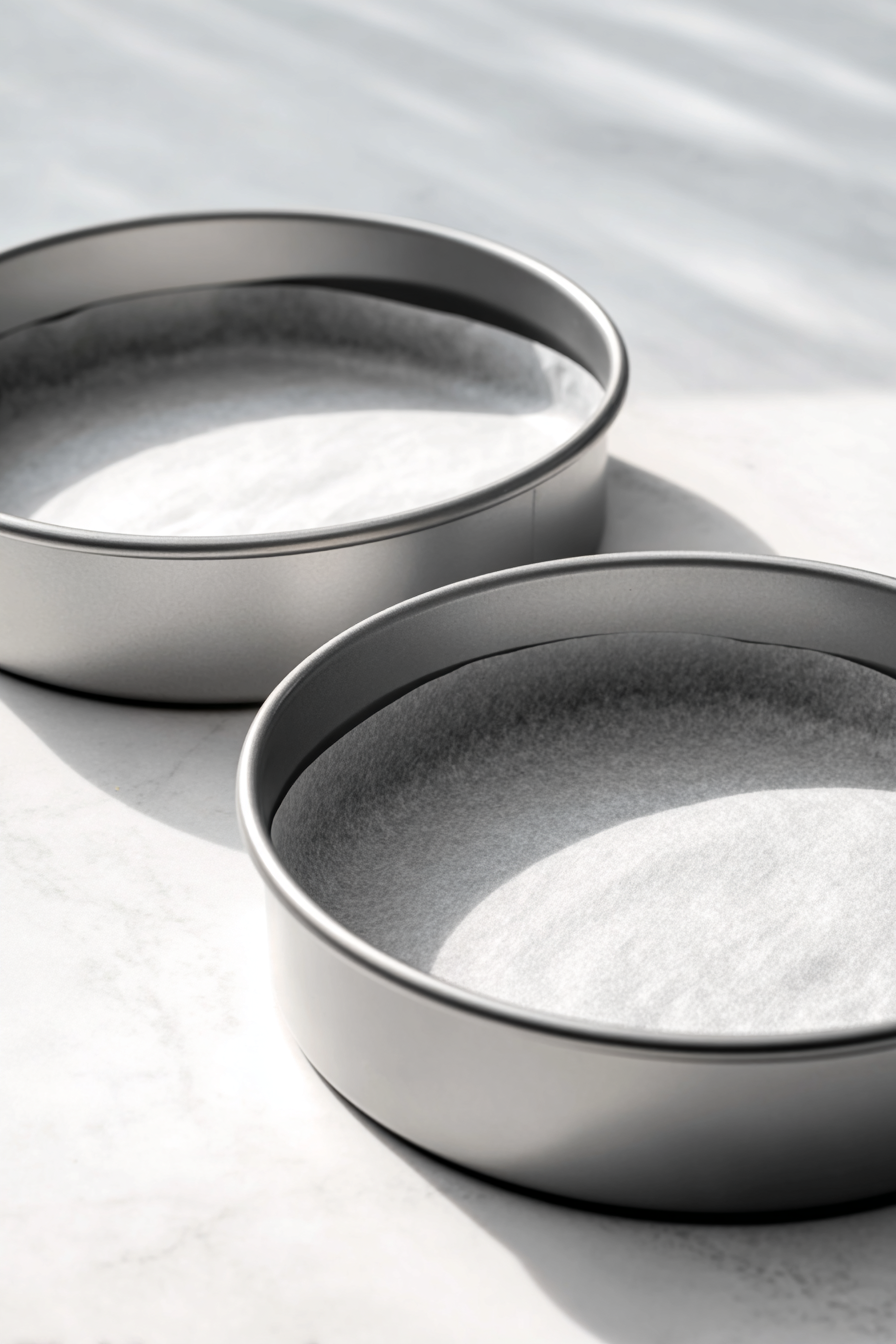
- Preheat the oven to 350°F (175°C). Grease and flour two 9-inch round cake pans.
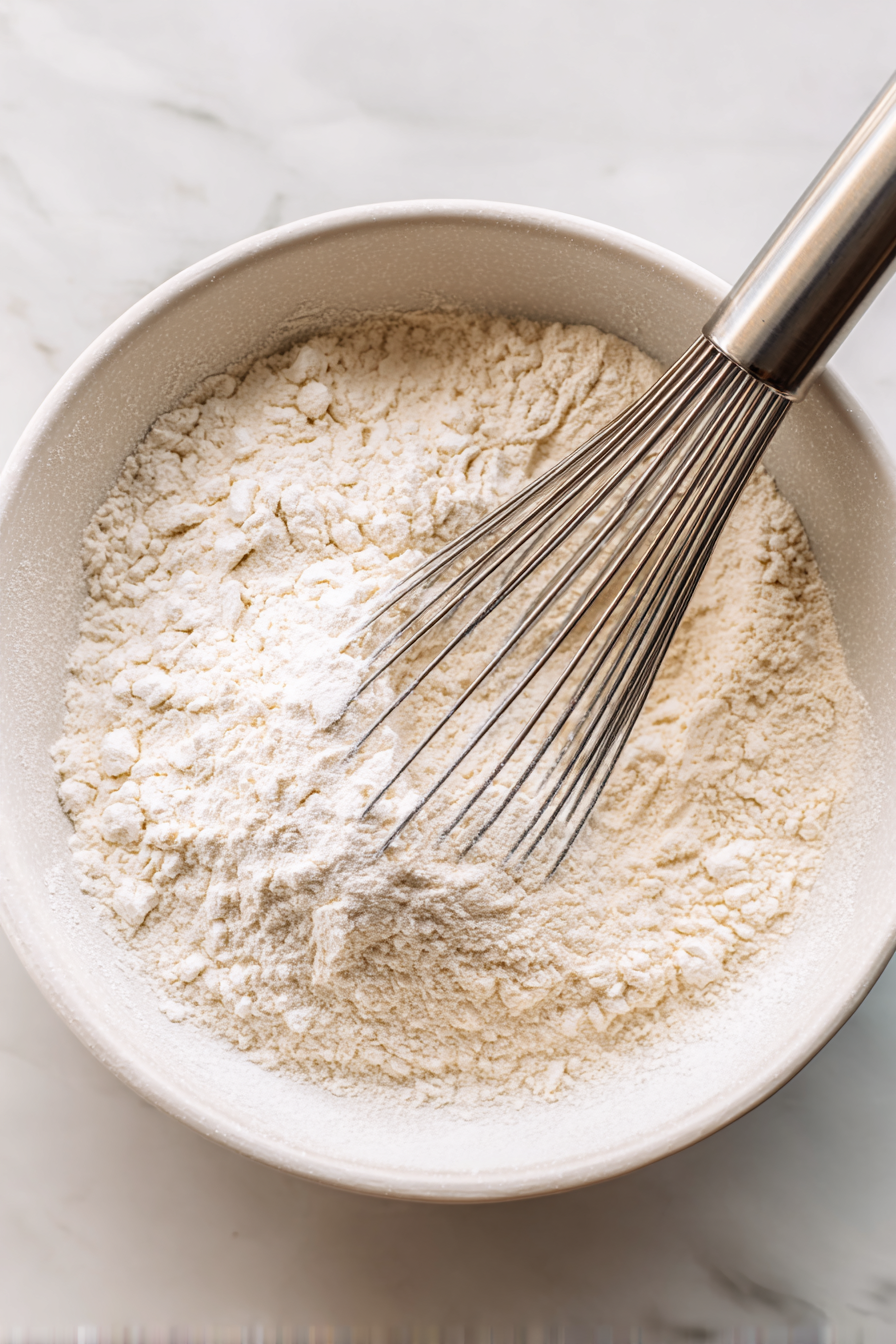
- Whisk together 2 cups of all-purpose flour, 1 ½ teaspoons of baking powder, ½ teaspoon of baking soda, and ¼ teaspoon of salt. Set aside.
- In a large mixing bowl, cream together 1 cup of softened unsalted butter and 1 ½ cups of granulated sugar until light and fluffy.
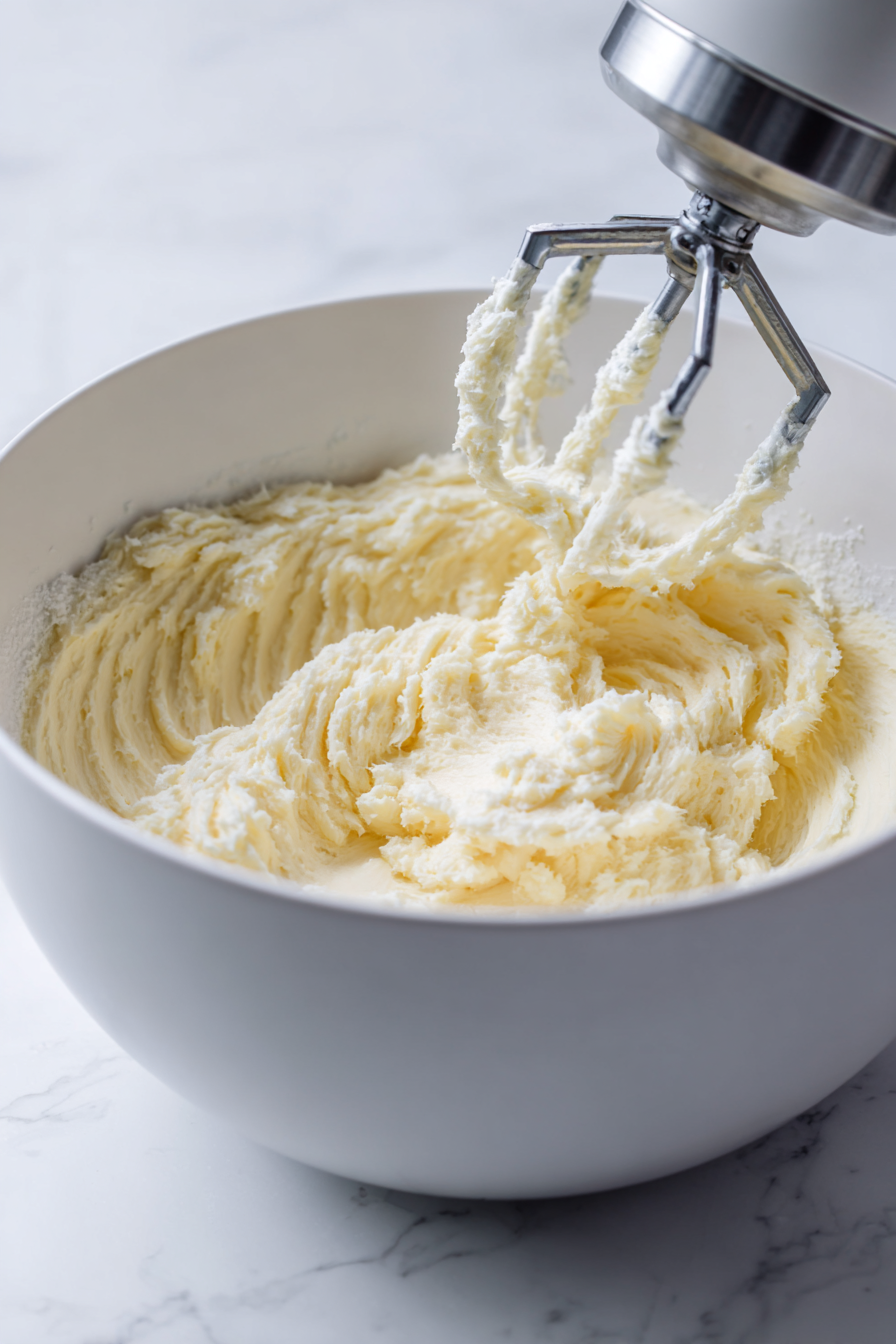
- Beat in 3 eggs, one at a time, and add 1 teaspoon of vanilla extract. Mix until well combined.
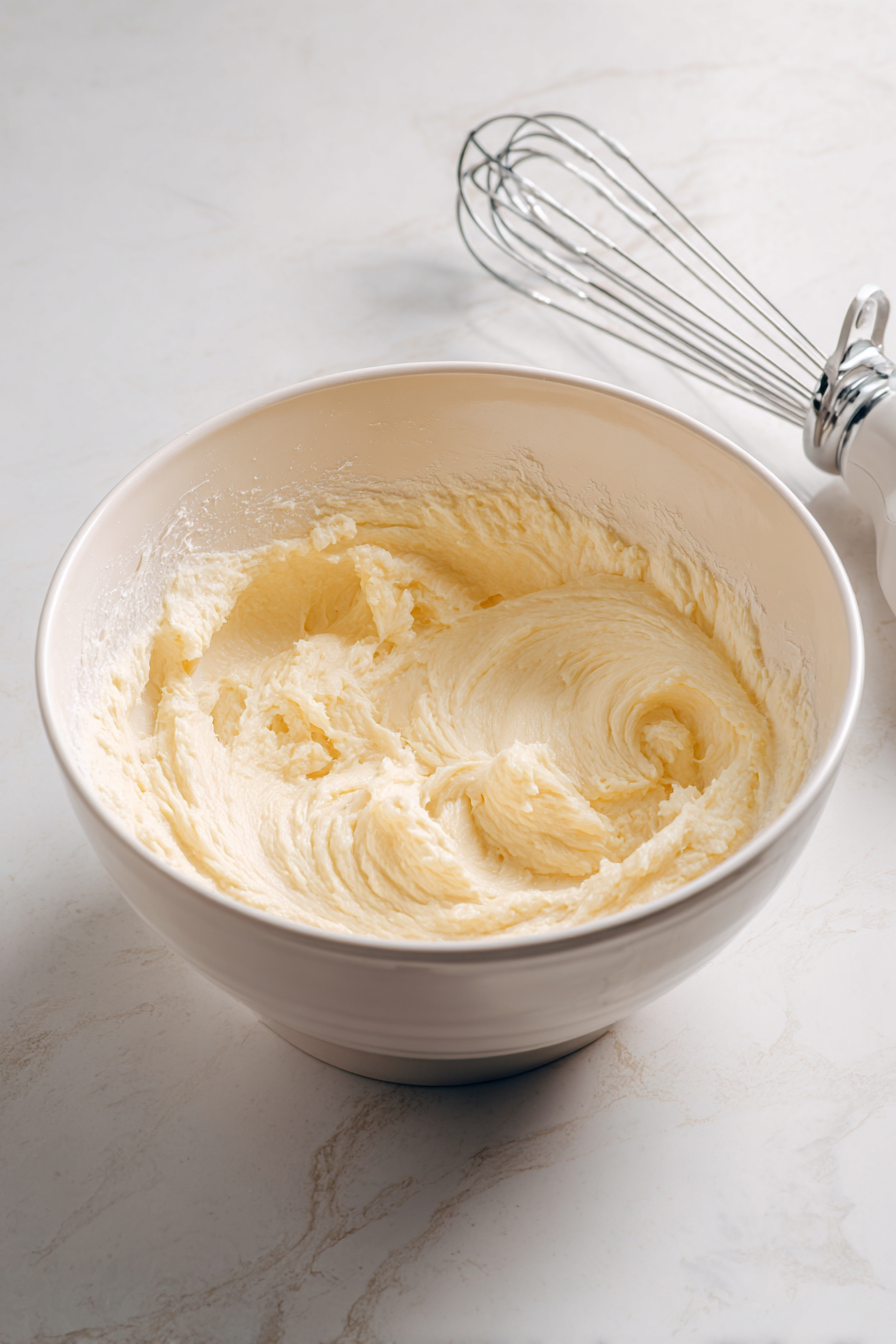
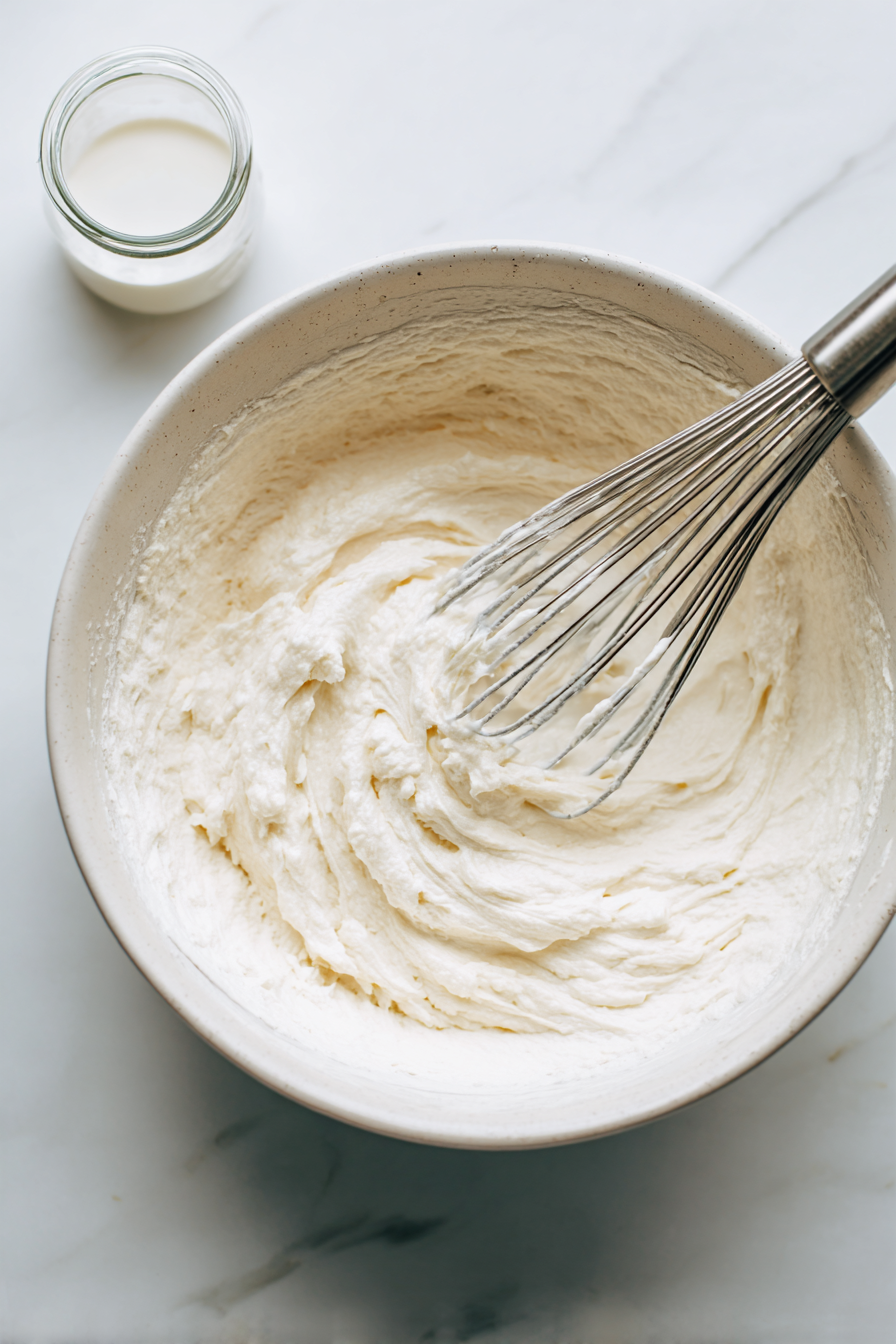
- Gradually add the dry ingredients to the wet ingredients, alternating with 1 cup of coconut milk. Begin and end with the dry ingredients. Mix until just combined.
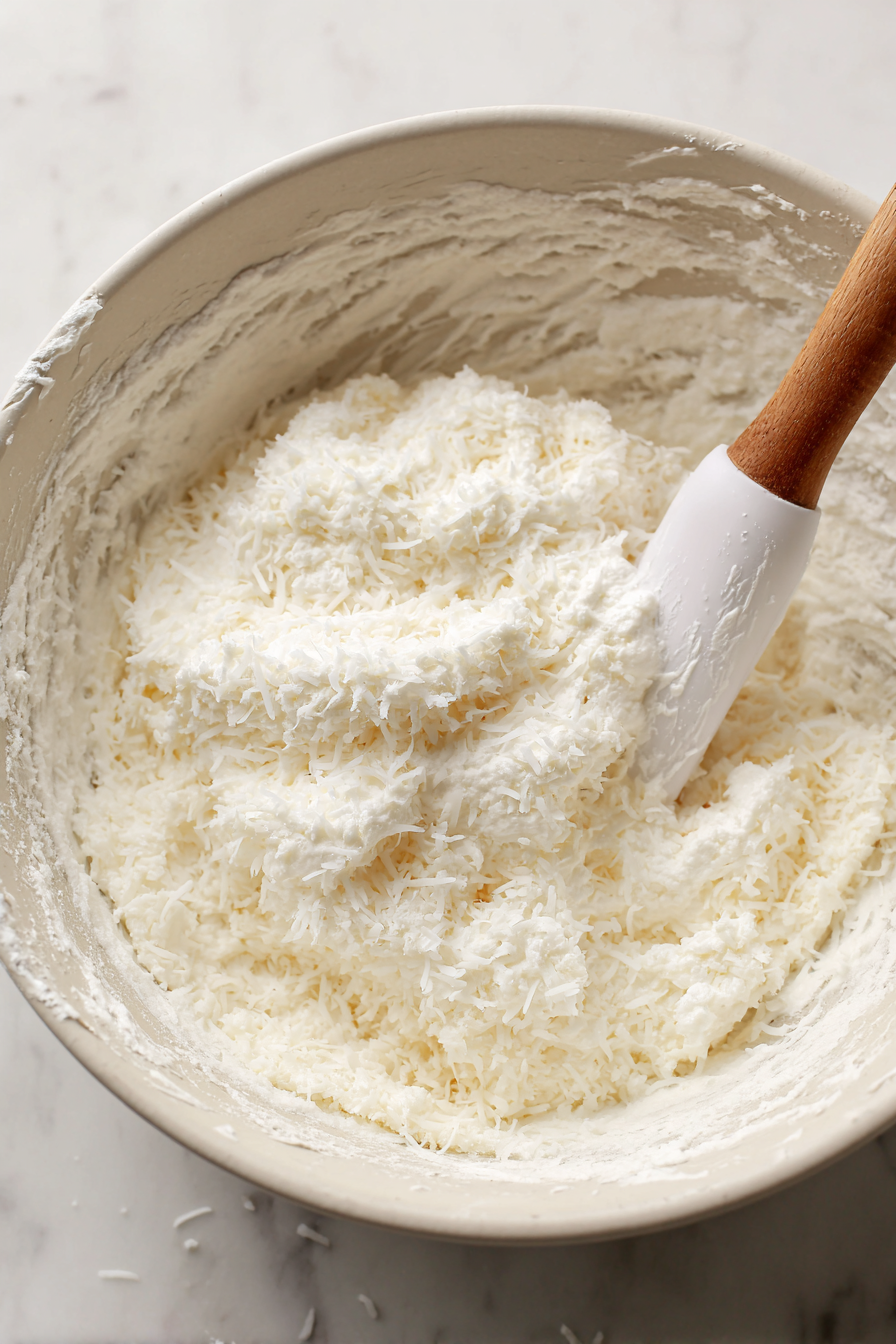
- Gently fold in 1 cup of shredded coconut.
- Divide the batter evenly between the prepared pans. Bake for 25-30 minutes, or until a toothpick inserted into the center comes out clean. Allow the cakes to cool in the pans for 10 minutes, then transfer them to a cooling rack to cool completely.
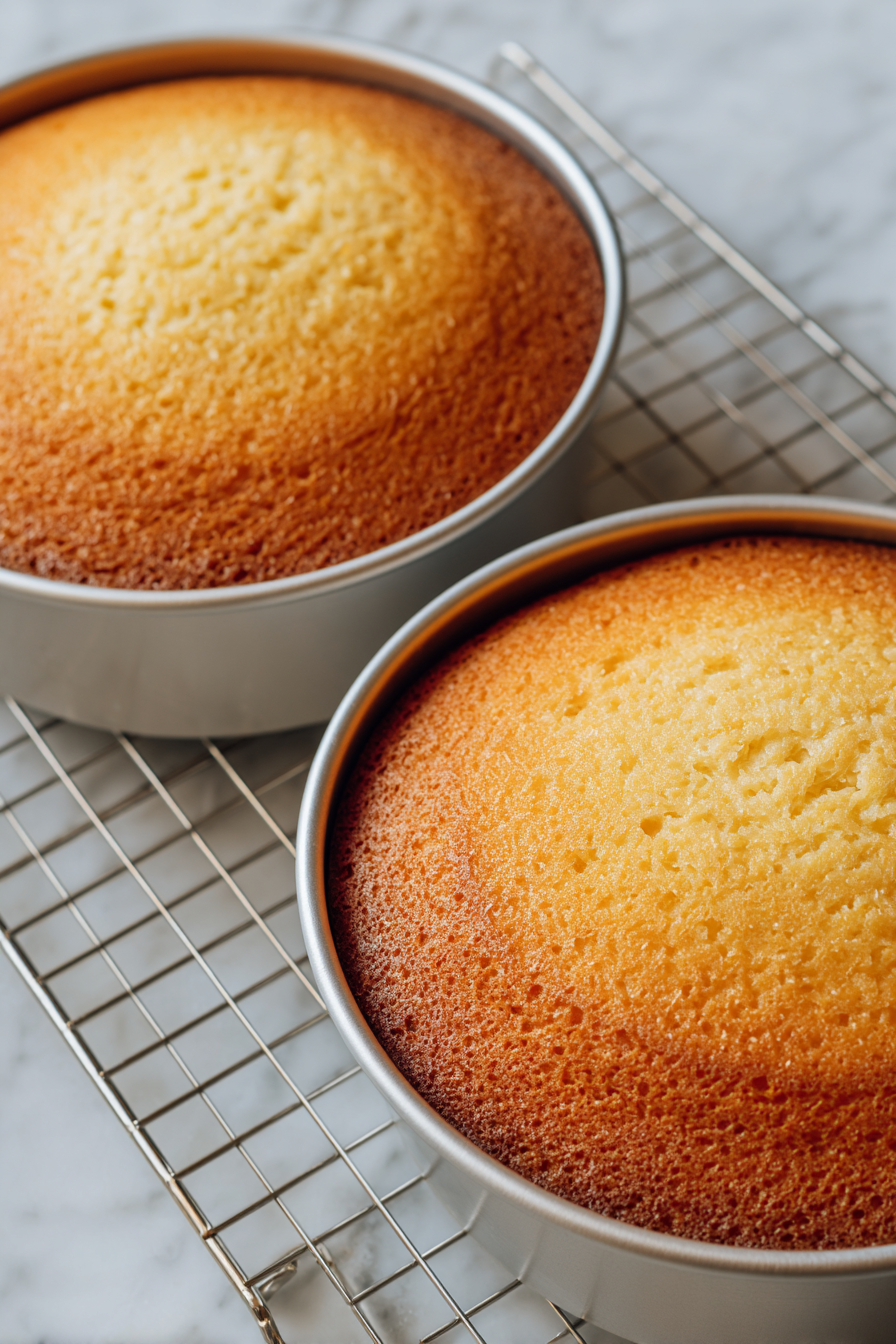
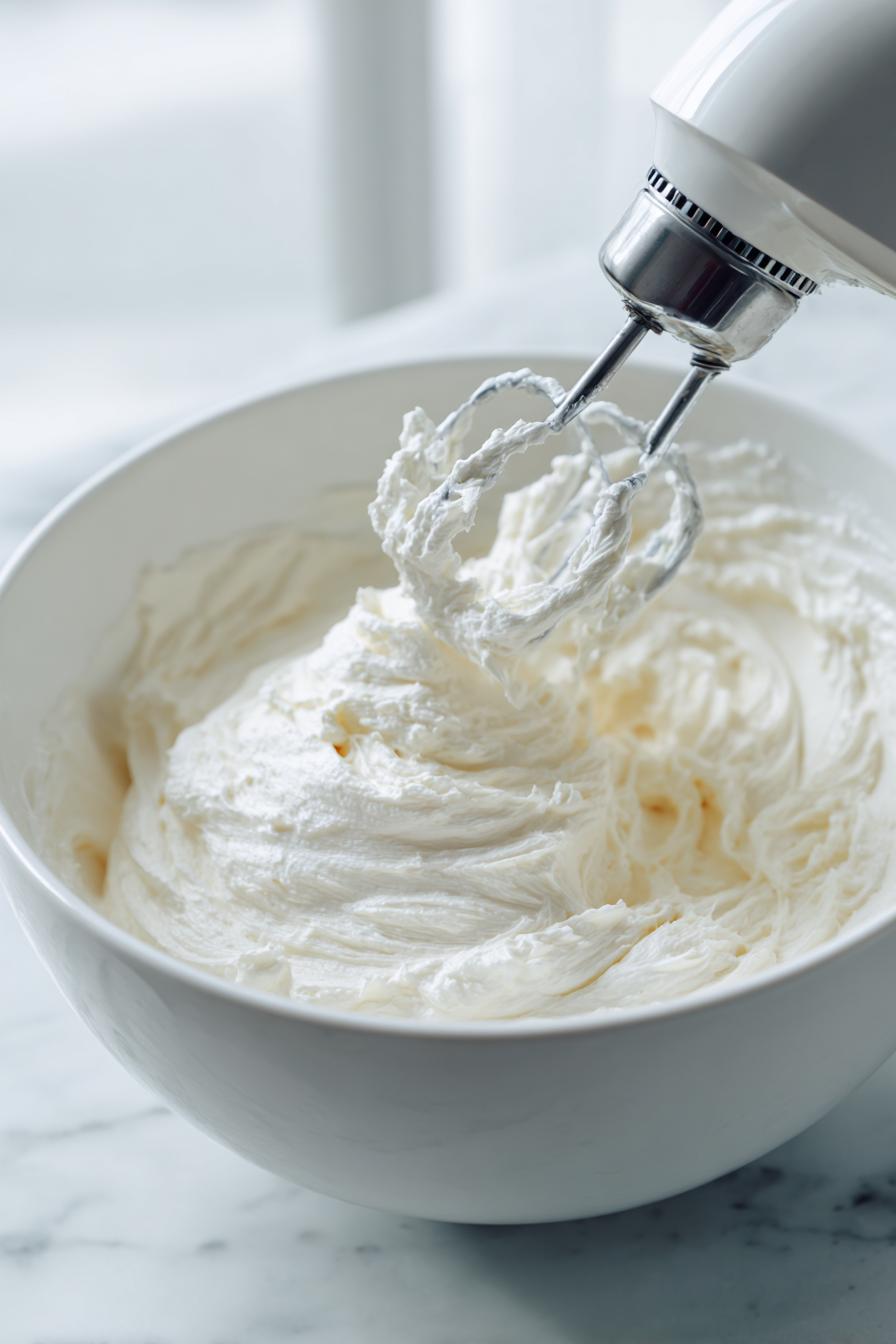
- Prepare the Coconut Cream Frosting by beating together 1 cup of softened unsalted butter, 4 cups of powdered sugar, and 1 teaspoon of vanilla extract until smooth. Gradually add 1/4 cup of coconut cream and continue beating until well combined.
- Once the cake layers are completely cooled, spread a layer of coconut cream frosting on top of one cake layer. Place the second layer on top and frost the entire cake with the remaining frosting.
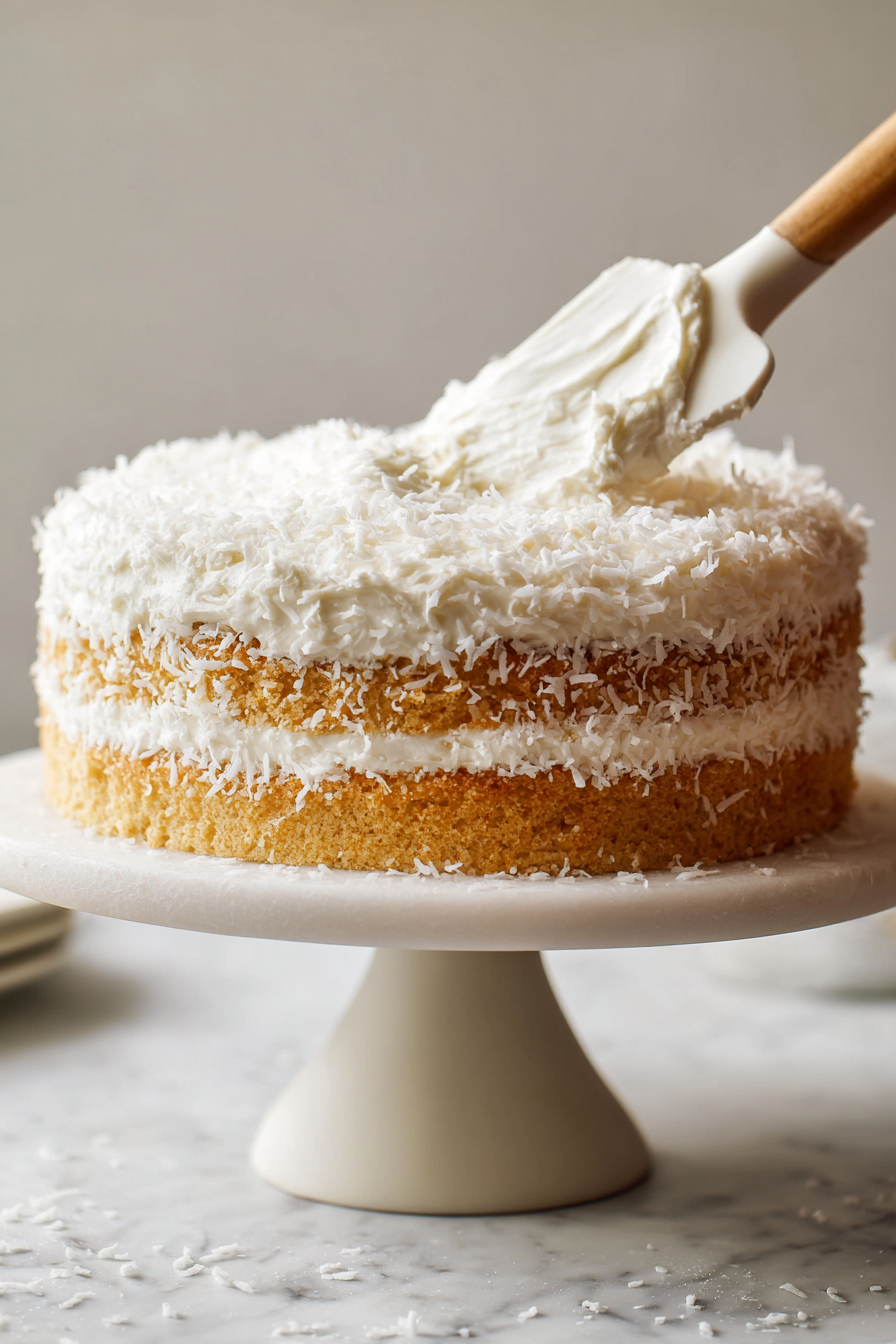
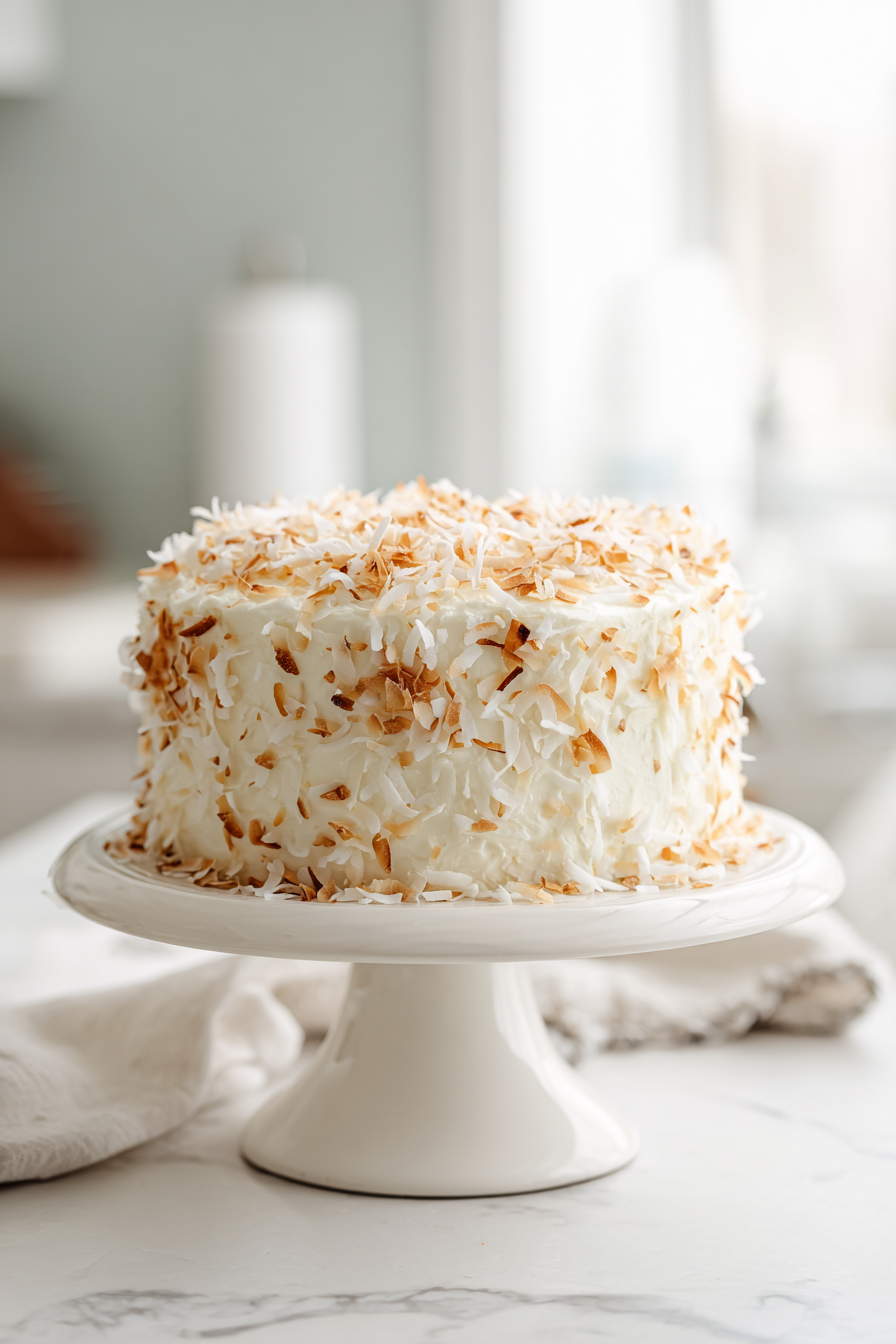
- Optionally, garnish the frosted cake with additional shredded coconut for decoration.
- Slice and serve the Moist Coconut Cake, savoring the tropical flavors of the homemade coconut cream frosting. Adjust sweetness and coconut levels to your liking. Enjoy!
Notes
- Room Temperature Ingredients: Use room temperature butter, eggs, and dairy for smooth blending.
- Precise Measurement: Measure ingredients accurately for consistent results.
- Careful Mixing Technique: Avoid overmixing to maintain a light and fluffy texture.
- Properly Greased Pans: Thoroughly grease and line cake pans to prevent sticking.
- Patience During Cooling: Allow cake layers to cool completely before frosting for stability.
Nutrition
Small Baking Tips That Make a Big Difference
Using room temperature butter, eggs, and coconut milk helps everything blend together smoothly and creates a softer cake texture.
Try not to overmix the batter once the flour is added. Mixing just until combined helps keep the cake light and fluffy instead of dense.
Greasing and lining the cake pans properly makes removing the layers much easier later on.
Most importantly, let the cake cool completely before frosting. Warm cake layers can melt the frosting and make decorating messy.
Fun Variations for Coconut Cake!
Variations and substitutions for Moist Coconut Cake:
- Nuts: Add a crunch by incorporating chopped nuts like almonds or pecans into the batter.
- Fruit Additions: Mix in diced pineapple or banana for a tropical twist and added sweetness.
- Citrus Zest: Enhance the flavor by adding lemon or lime zest to the batter.
- Chocolate Drizzle: Drizzle melted chocolate over the frosted cake for a chocolate-coconut combination.
- Rum Flavor: Infuse a hint of rum into the cake or frosting for a boozy and exotic touch.
- Dairy-Free Options: Use plant-based alternatives such as coconut oil instead of butter and coconut milk instead of dairy milk for a dairy-free version.
- Gluten-Free: Substitute gluten-free flour to make the cake suitable for those with gluten sensitivities.
- Egg Replacements: Replace eggs with applesauce, yogurt, or a commercial egg replacer for an egg-free version.
- Reduced Sugar: Cut down on sugar or use natural sweeteners like honey or maple syrup for a less sweet option.
- Different Frosting: Experiment with a cream cheese frosting or a tangy citrus glaze instead of coconut cream frosting.
Remember to adjust quantities accordingly and conduct a toothpick test to ensure the cake is fully baked, especially when making ingredient substitutions.
What Not To Do When Baking Coconut Cake
Avoid overbaking the cake layers or they can lose their soft, moist texture.
Don’t frost the cake while it’s still warm or the frosting may slide right off.
Be careful not to overmix the batter once the dry ingredients are added, since that can make the cake heavier instead of fluffy.
And if you’re adding extra coconut on top, press it on gently after frosting so it sticks evenly without pulling the frosting away.
What I Love Serving With This Cake
This coconut cake is one of those desserts that somehow works for both casual weekends and holiday tables. I usually serve it with drinks that feel warm, cozy, and a little festive.
Whiskey Apple Cider Punch pairs really well with the soft coconut flavor, especially during fall and winter gatherings. For something richer and smoother, Coffee Milk Punch makes the whole dessert feel extra comforting.
If I’m serving this cake for an evening get-together, I love adding a Sazerac Cocktail or a Spiced Pear Old Fashioned to the table. The deeper flavors balance the sweetness of the frosting really nicely without overpowering the cake itself.
And honestly, even a simple coffee alongside a chilled slice of this cake is hard to beat.
Storage & Freezing Tips
Store the frosted coconut cake covered in the refrigerator for up to 4 days.
For the best texture, let slices sit at room temperature for about 15–20 minutes before serving.
You can also freeze the unfrosted cake layers for up to 2 months by wrapping them tightly in plastic wrap and storing them in a freezer-safe container.
Frequently Asked Questions
- Can I use canned coconut milk?
Yes. Full-fat canned coconut milk gives the cake a richer coconut flavor and a softer texture. - Can I make this cake ahead of time?
Absolutely. The cake layers can be baked a day ahead and frosted later once fully cooled. - Should I use sweetened or unsweetened coconut?
Either works well. Sweetened coconut creates a slightly richer dessert, while unsweetened keeps the flavor more balanced. - Can I turn this recipe into cupcakes?
Yes. Just reduce the baking time slightly and check for doneness with a toothpick. - Can I freeze coconut cake?
Yes. The cake layers freeze very well, especially before frosting. - Why did my cake turn dense?
Overmixing the batter is usually the main reason. Mix only until the ingredients are combined. - Does coconut cake need to stay refrigerated?
Because of the frosting, it’s best stored in the refrigerator if not serving the same day.

hi there,
i’m Anne
A food blogger with a passion for creating vibrant, approachable recipes.