Vegan Peanut Noodles Recipe
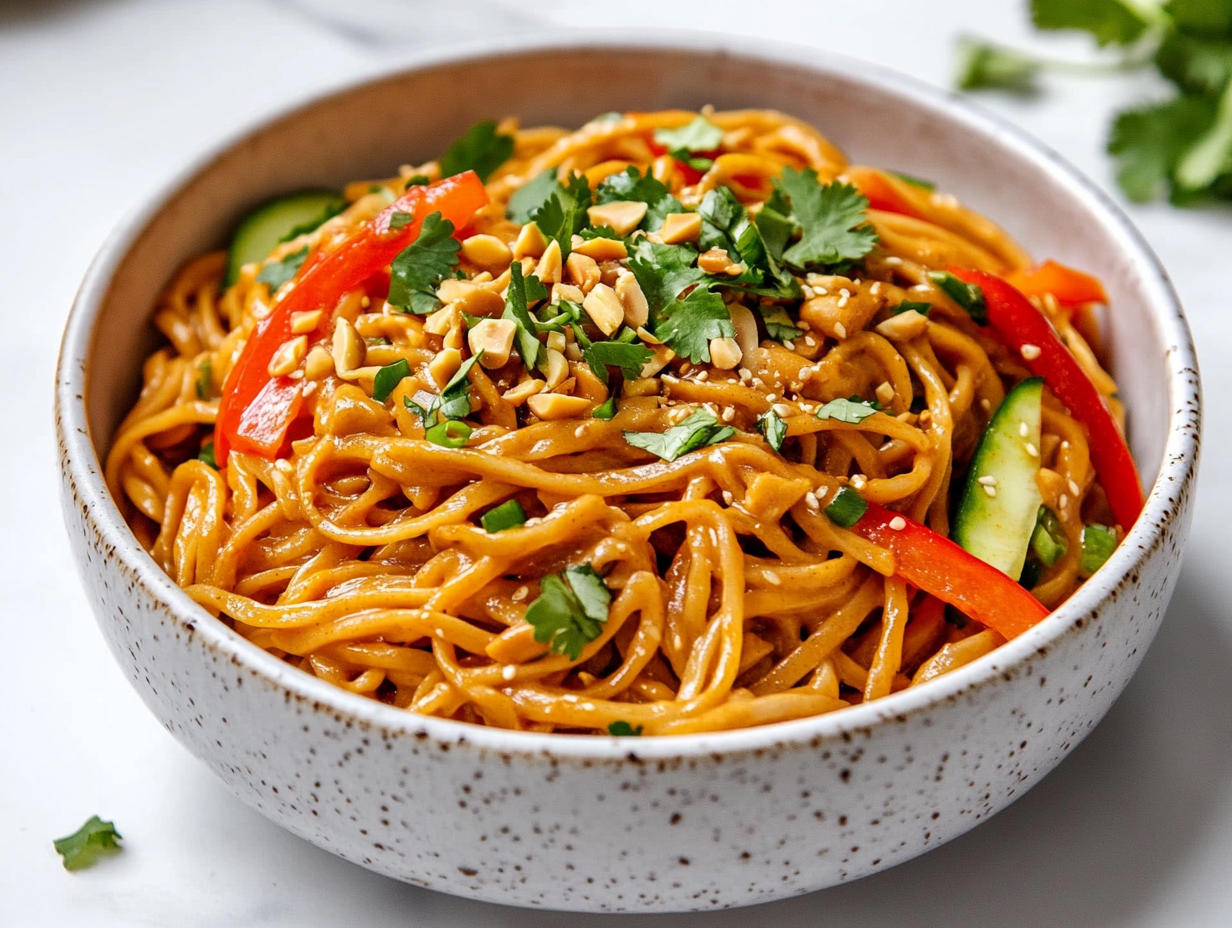
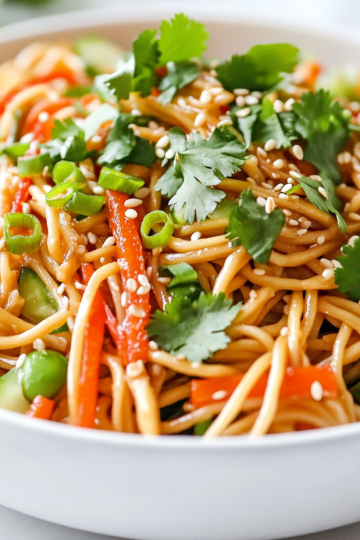
These Vegan Peanut Noodles are a quick and satisfying plant-based meal made with chewy noodles, crunchy vegetables, and a creamy peanut sauce. The sauce combines peanut butter, soy sauce, lime juice, garlic, ginger, and a touch of spice for a balanced Asian-inspired flavor.
The noodles are coated in a smooth sauce that pairs well with fresh vegetables like bell peppers, carrots, cucumber, and edamame. They can be served warm for dinner or chilled as a refreshing noodle salad for lunch.
Why You’ll Reach for This Recipe Again
- Quick Preparation: The sauce comes together while the noodles cook, keeping the recipe efficient.
- No Complicated Steps: Simple mixing and tossing create a flavorful homemade meal.
- Plant-Based Protein: Peanut butter and edamame add satisfying protein to the dish.
- Meal Prep Friendly: The ingredients store well and can be prepared ahead for easy meals.
- Flexible Serving Style: Enjoy these noodles warm, at room temperature, or chilled.
- Easy Customization: Change the vegetables, noodles, or spice level based on what you have available.
Ingredient Insights and Swaps
- Peanut Butter: Use creamy natural peanut butter for the smoothest sauce. Peanut butter with minimal added ingredients gives the best consistency.
- Soy Sauce or Tamari: Soy sauce adds savory depth, while tamari works well for a gluten-free option.
- Lime Juice: Fresh lime juice brightens the sauce and balances the richness of the peanut butter.
- Noodles: Udon noodles create a chewy texture, while soba and rice noodles offer lighter alternatives. Spaghetti can also be used when needed.
- Edamame: Cooked shelled edamame adds plant-based protein and pairs naturally with the peanut sauce.
- Fresh Ginger: Grated ginger adds warmth and freshness. Use fresh ginger when possible for the strongest flavor.
Chef’s Tip: Whisk the peanut sauce before adding it to the noodles and adjust the thickness with warm water slowly. A thinner sauce coats the noodles more evenly without becoming heavy.
Vegan Peanut Noodles Recipe
Equipment
- Large mixing bowl
- Small whisk or spoon
- Colander
- Chef's Knife
Ingredients
For the Peanut Sauce
- ½ cup creamy peanut butter
- 3 tablespoons low-sodium soy sauce or tamari
- 2 tablespoons lime juice
- 1 tablespoon maple syrup or brown sugar
- 1 tablespoon rice vinegar
- 1 tablespoon sesame oil
- 2 garlic cloves finely minced
- 1 teaspoon fresh ginger grated
- 1 –2 tablespoons sriracha or chili garlic sauce optional
- ⅓ cup warm water plus more as needed
For the Noodles
- 12 ounces noodles such as udon, soba, rice noodles, or spaghetti
- 1 red bell pepper thinly sliced
- 1 cup shredded carrots
- 1 cup cucumber julienned
- 1 cup shelled edamame cooked
- 3 green onions sliced
- ¼ cup roasted peanuts chopped
- ¼ cup fresh cilantro chopped
Instructions
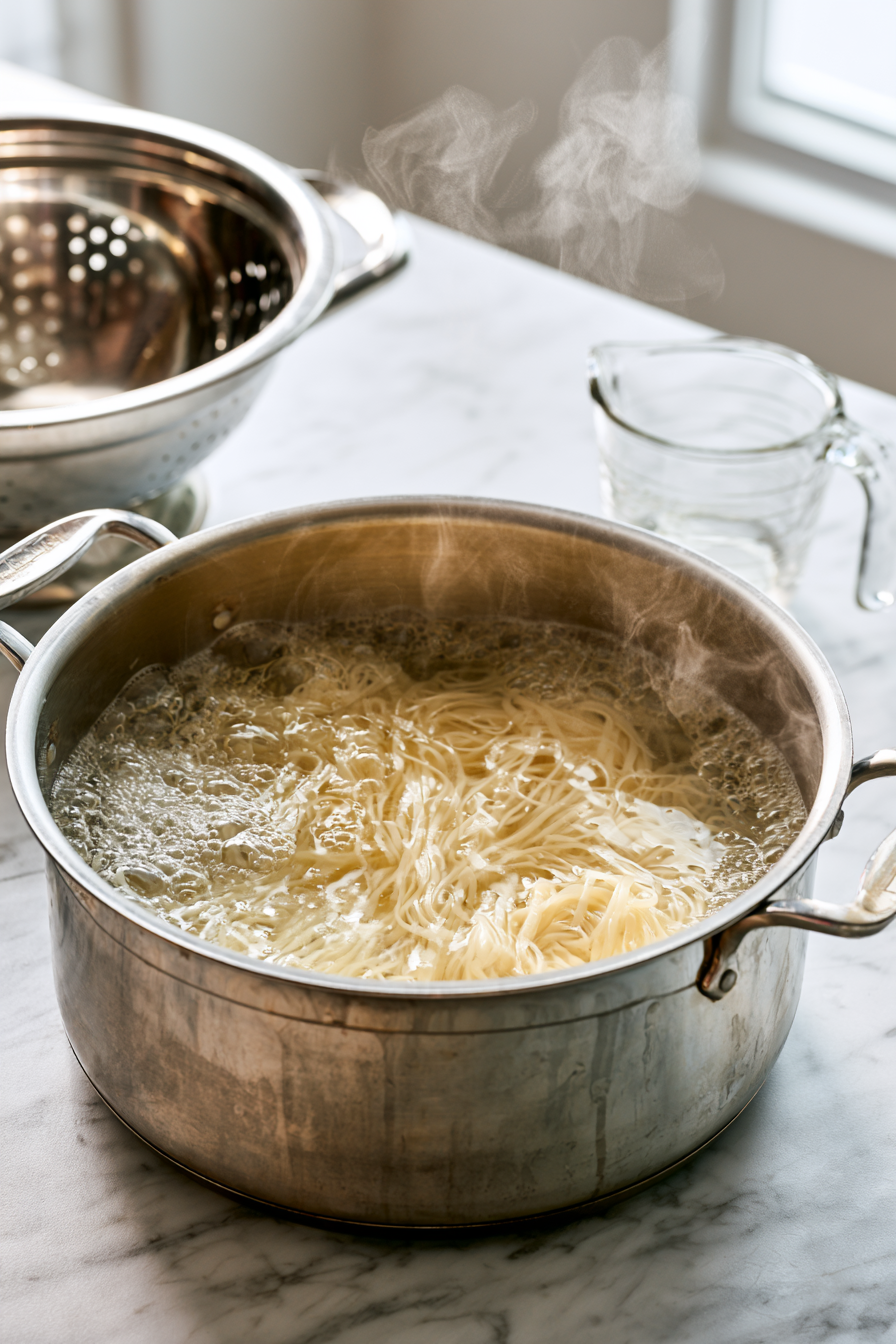
- Bring a large pot of water to a boil and cook the noodles according to the package directions until tender. Drain well and rinse briefly under cool water if you prefer a chilled noodle texture.
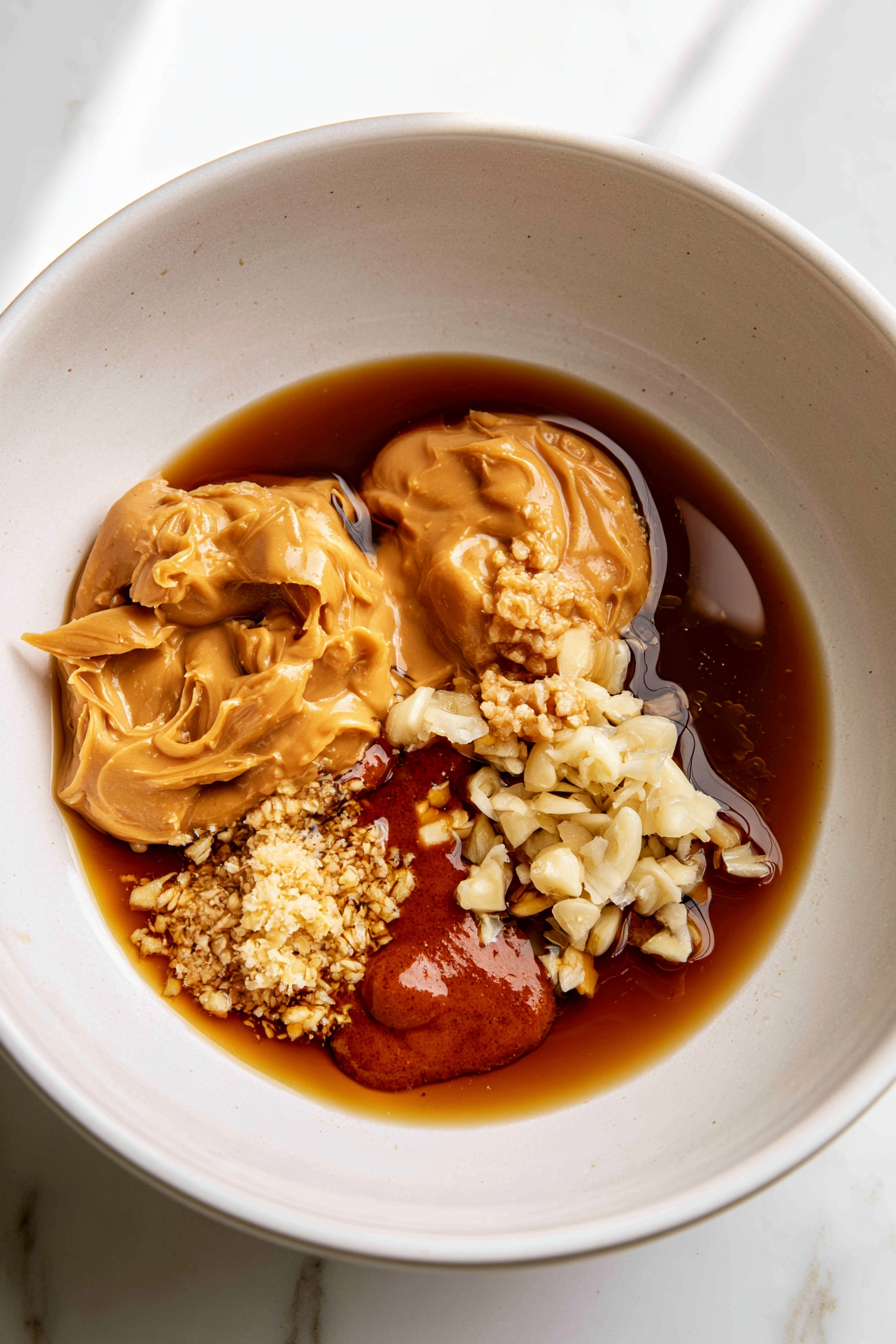
- While the noodles cook, prepare the peanut sauce. Add the peanut butter, soy sauce, lime juice, maple syrup, rice vinegar, sesame oil, garlic, ginger, sriracha, and warm water to a bowl.
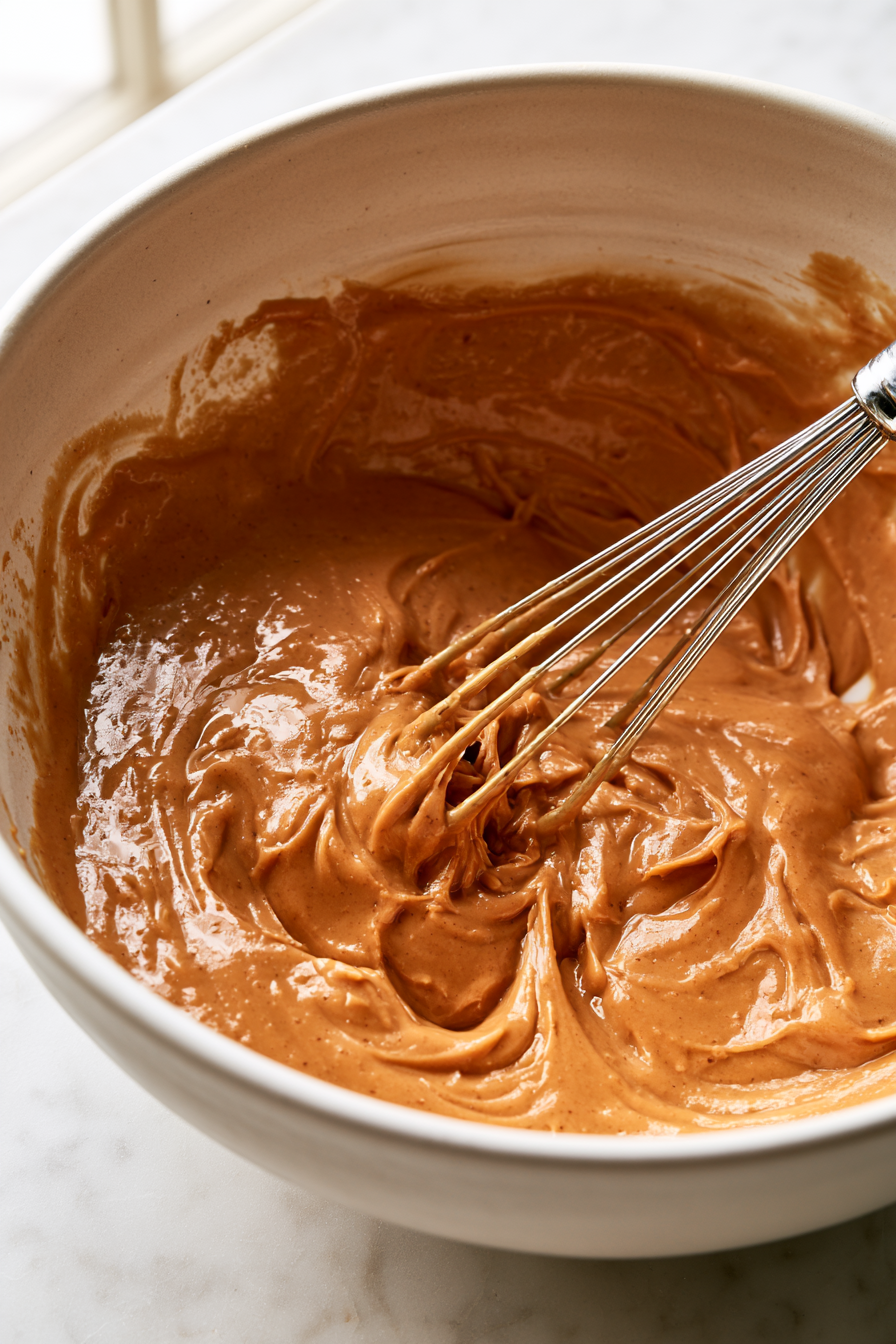
- Whisk the sauce until smooth and creamy. Add more warm water a tablespoon at a time if the sauce is too thick. It should be smooth enough to coat the noodles easily.
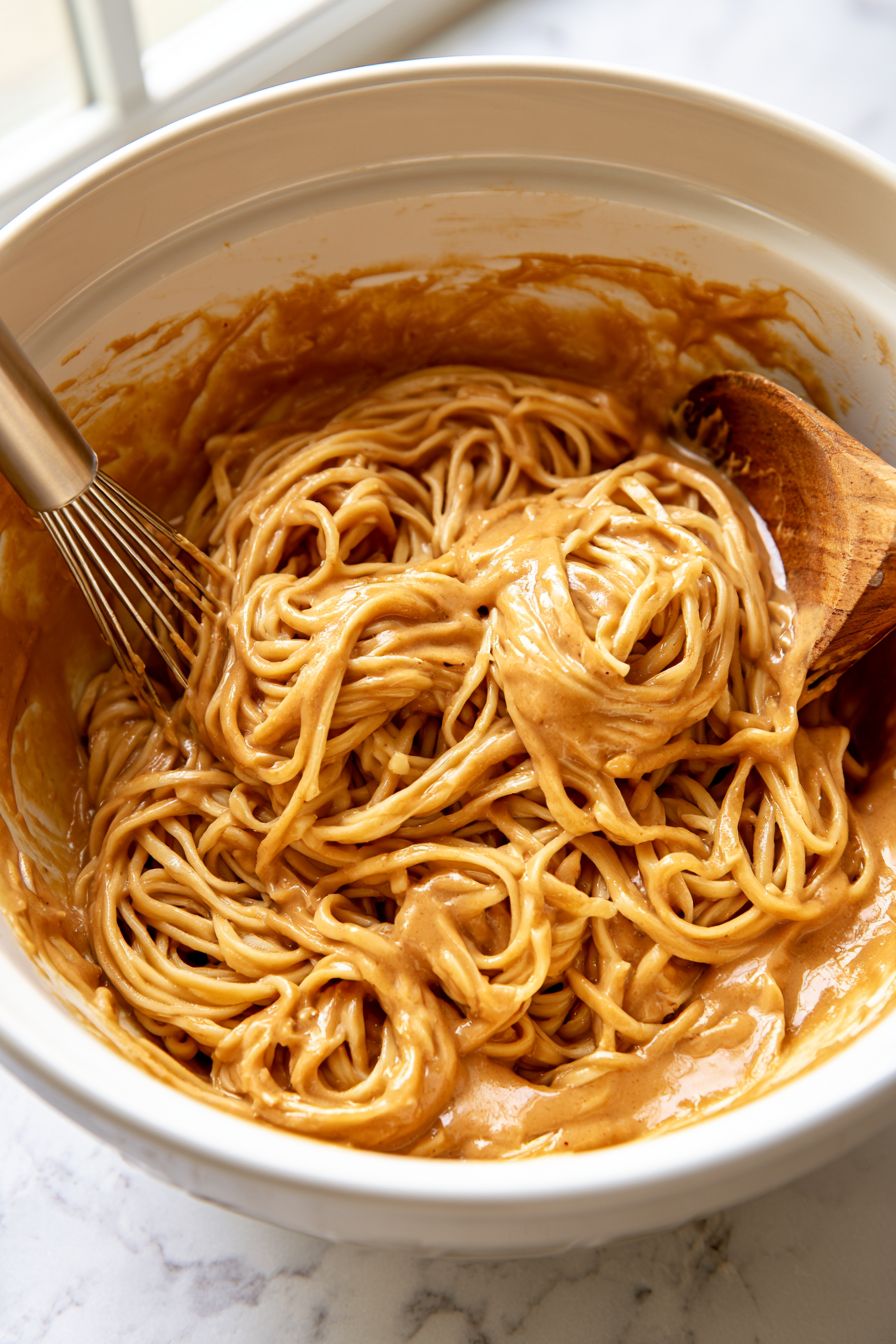
- Add the cooked noodles to a large bowl and pour the peanut sauce over the top. Toss well until every noodle is evenly coated with the creamy peanut mixture.
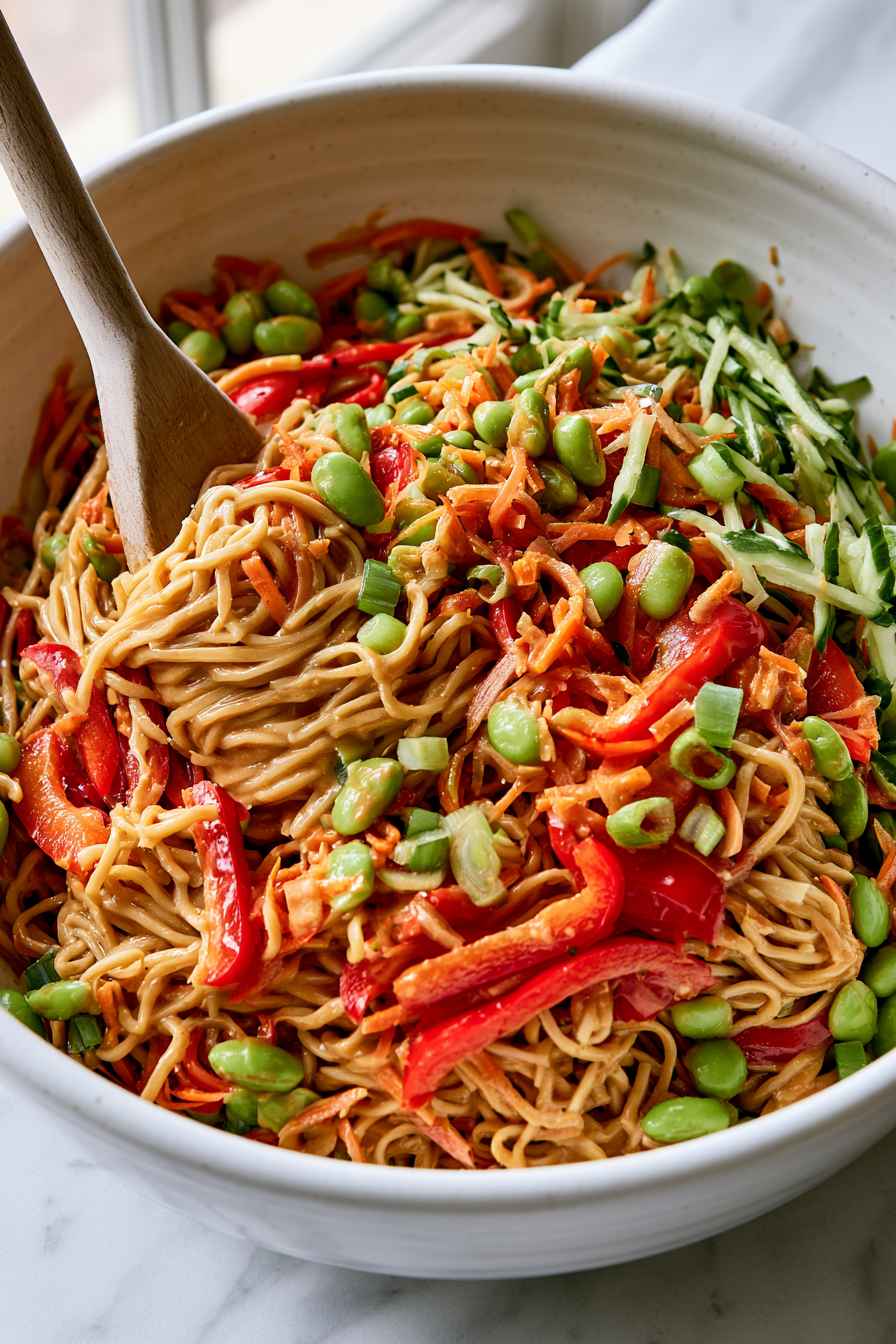
- Add the sliced bell pepper, carrots, cucumber, edamame, and green onions. Gently toss everything together until the vegetables are evenly distributed.
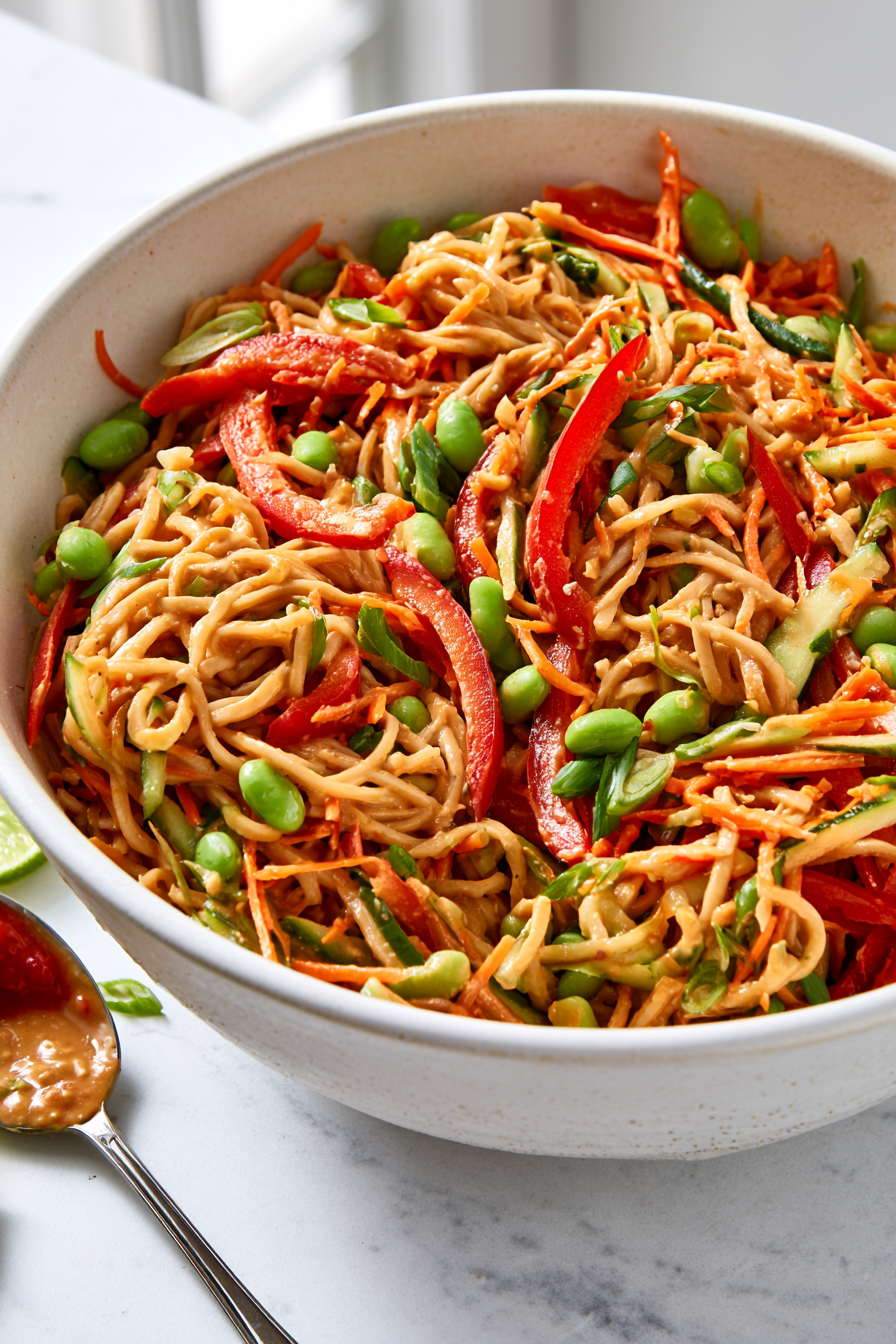
- Taste and adjust the seasoning as needed. Add more lime juice for freshness, soy sauce for saltiness, or chili sauce for extra heat.
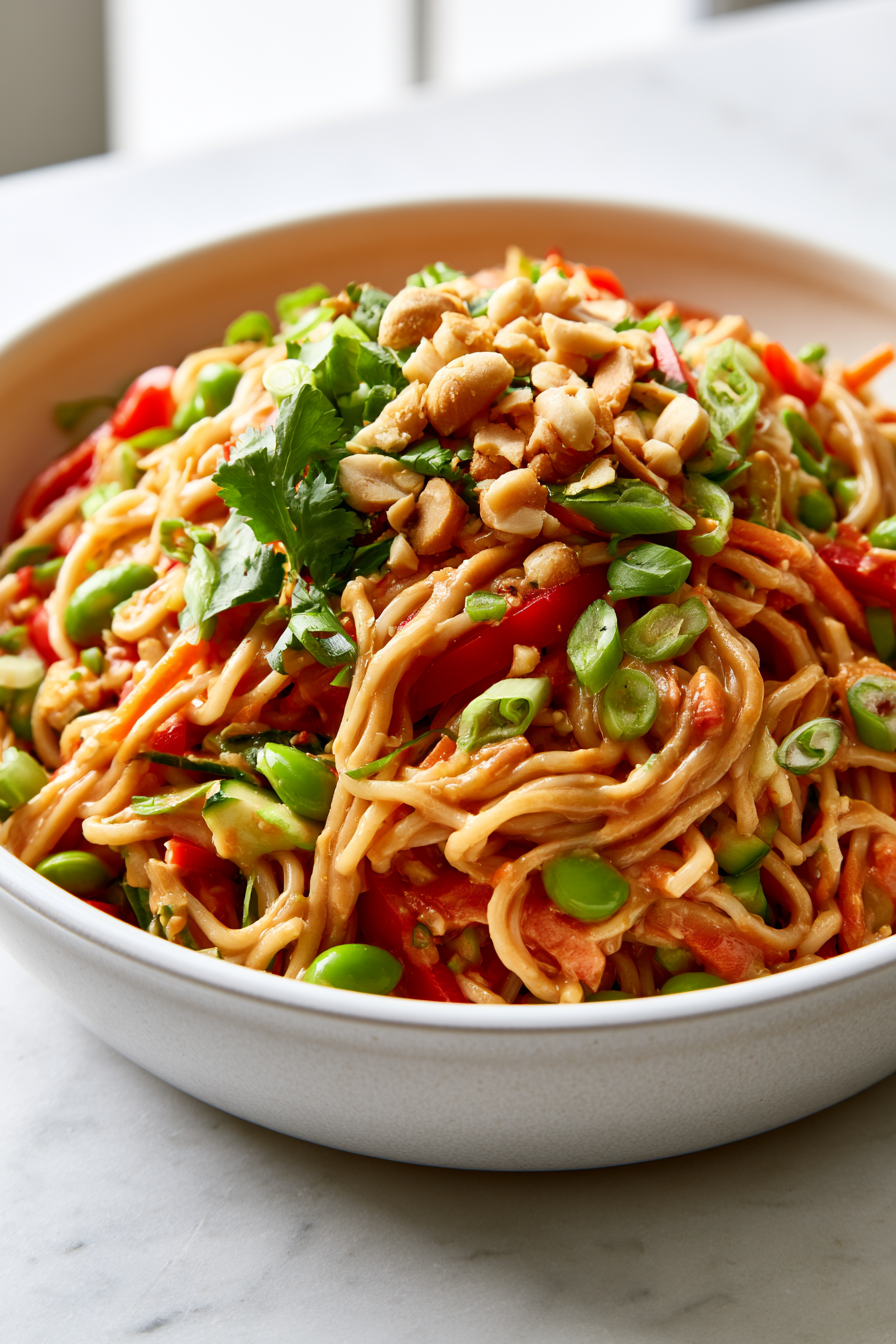
- Serve the noodles topped with chopped peanuts, fresh cilantro, and additional green onions.
Notes
- Use natural peanut butter: Creamy peanut butter with minimal added ingredients creates the smoothest sauce and the best peanut flavor.
- Adjust the spice level: Add more or less sriracha depending on your preferred heat level. You can leave it out completely for a mild peanut noodle dish.
- Choose the right noodles: Udon noodles create a chewy texture, while rice noodles and soba noodles offer lighter alternatives. Regular spaghetti also works well in a pinch.
- Thin the sauce as needed: Peanut sauce naturally thickens as it sits. Add warm water before serving or reheating to bring it back to a silky consistency.
- Add more protein: Crispy tofu, tempeh, edamame, or vegan chicken alternatives make this meal even more filling.
- Make it gluten-free: Use gluten-free noodles and replace soy sauce with tamari or coconut aminos.
- Storage: Store leftover noodles in an airtight container in the refrigerator for up to 4 days. Add a splash of water and toss well before serving again.
- Meal prep friendly: Prepare the peanut sauce ahead of time and store it separately for quick lunches throughout the week.
Nutrition Information
| Nutrient | Amount |
|---|---|
| Calories | 460 kcal |
| Carbohydrates | 62g |
| Protein | 16g |
| Fat | 19g |
| Fiber | 7g |
| Sugar | 9g |
| Sodium | 680mg |
Nutrition information is an estimate and will vary depending on the noodles, peanut butter, sauces, and toppings used.
Small Mistakes That Affect Results
- Using Cold Peanut Butter: Cold peanut butter can be harder to mix smoothly into the sauce.
- Making the Sauce Too Thick: Peanut butter naturally thickens, so add warm water gradually until it reaches the right consistency.
- Overcooking the Noodles: Soft noodles may break apart when tossed with the sauce.
- Skipping Sauce Adjustment: Peanut butter brands vary, so taste and adjust lime, soy sauce, or sweetness as needed.
- Adding Vegetables Too Early: Fresh vegetables are best added after the noodles are coated to maintain their texture.
- Not Rinsing Noodles for Cold Serving: Rinsing removes excess starch when preparing a chilled noodle salad.
Delicious Variations You Should Try
- Spicy Peanut Noodles: Add extra sriracha, chili crisp, or crushed red pepper flakes.
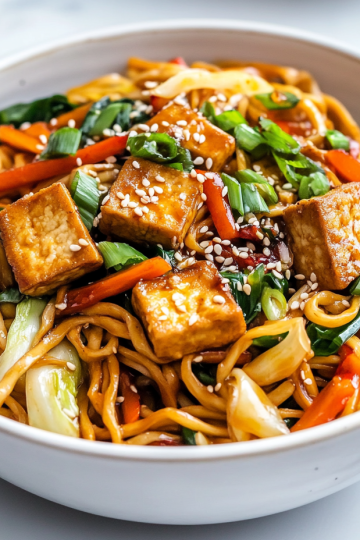
- Tofu Peanut Noodles: Add crispy baked or pan-fried tofu for extra protein.
- Thai-Inspired Version: Add fresh basil, cilantro, and a squeeze of extra lime.
- Peanut Sesame Noodles: Add toasted sesame seeds and extra sesame oil.
- Vegetable Loaded Version: Include broccoli, snap peas, mushrooms, or cabbage.
- Creamier Sauce: Blend in a small amount of coconut milk for a richer sauce.
- Crunchy Peanut Noodles: Add shredded cabbage and extra chopped peanuts before serving.
More Vegan Recipes You’ll Enjoy
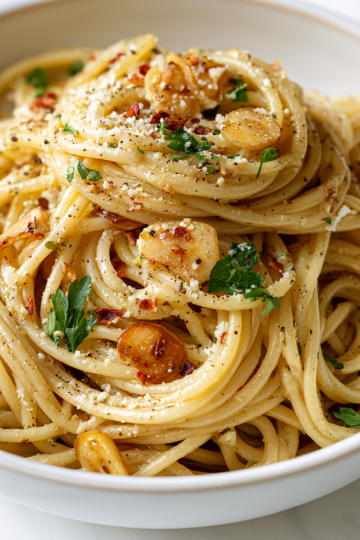
- Vegan Garlic Noodles
- Vegan Tomato Basil Pasta
- Vegan Alfredo
- Vegan Pesto Pasta
- Chickpea Zucchini Skillet
Keep It Fresh Longer
- Refrigerator Storage: Store leftover noodles in an airtight container for up to 4 days.
- Separate Sauce Storage: Keep extra peanut sauce separately if preparing ahead for better texture.
- Reheating: Warm gently or enjoy chilled depending on your preference.
- Loosen the Sauce: Add a splash of warm water and toss well if the sauce thickens.
- Fresh Toppings: Add fresh cilantro, green onions, or peanuts after storing to refresh the dish.
Frequently Asked Questions
- Can I use crunchy peanut butter instead of creamy?
Yes. Crunchy peanut butter works well if you enjoy extra texture in the sauce. - Can I serve these noodles cold?
Yes. After cooking and cooling the noodles, they work well as a chilled peanut noodle salad. - Why is my peanut sauce too thick?
Peanut butter naturally thickens when mixed with other ingredients. Add warm water gradually until the sauce reaches a smooth consistency. - Can I make the peanut sauce ahead of time?
Yes. Prepare the sauce in advance and store it separately in the refrigerator. Add warm water before using if it becomes thicker. - What vegetables work best with peanut noodles?
Bell peppers, carrots, cucumber, edamame, broccoli, cabbage, mushrooms, and snap peas all pair well with the sauce. - Can I use almond butter instead of peanut butter?
Yes. Almond butter can replace peanut butter, although the flavor will be slightly different. - How can I add more protein to this recipe?
Add crispy tofu, tempeh, extra edamame, or a plant-based chicken alternative for more protein.

Hi, I’m Austin. Every recipe you’ll find here is carefully tested, photographed, and created to help you cook with confidence…..
know more