Vegan Stuffed Peppers Recipe
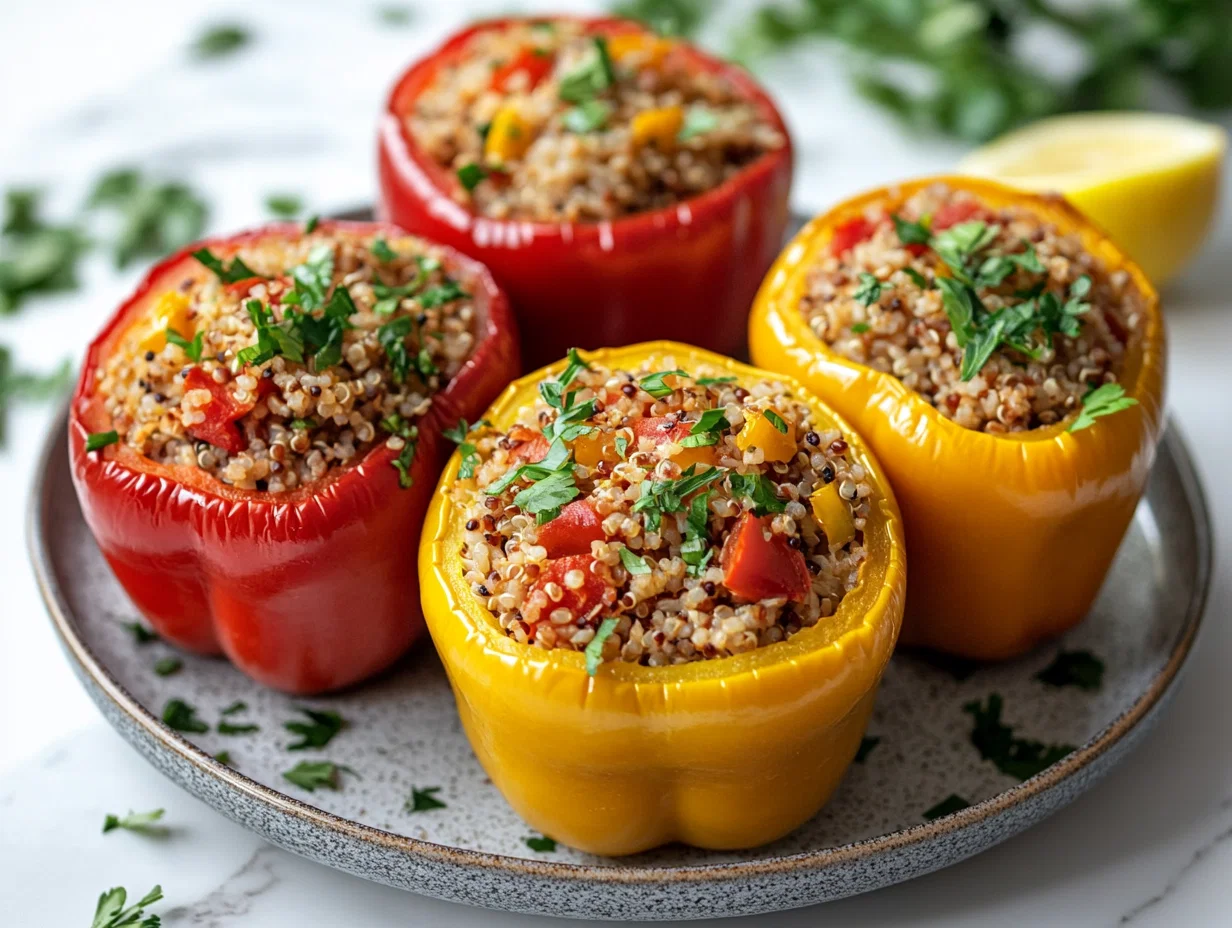
There’s something about peeling back that wrinkled, charred skin and revealing a warm, fragrant filling that makes me smile. It’s like a little gift—simple, honest, and full of personality. I love the way these peppers look—slightly blistered, with a smoky aroma that hints at the roasting process.
This recipe is about embracing the imperfect, using what I have on hand, and making something nourishing and satisfying without fuss. It’s a reminder that you don’t need fancy ingredients or perfect presentation to create a meal that feels like a hug. Plus, they’re great for days when you want something hearty but quick.
Honoring the imperfect beauty of rustic, home-cooked vegan meals—embracing the messy, flavorful charm of stuffed peppers that look like they’ve been loved for years.
Why These Peppers Matter to Me
- I love how versatile these peppers are—every time I make them, I tweak the filling based on what’s in the fridge.
- There’s a comforting chaos in preparing these—chopping, stuffing, roasting—that somehow feels grounding.
- I feel proud when I serve these—they look rustic but taste like they’ve been slow-cooked for hours.
- Cooking these always reminds me of family dinners, where everyone gathers around the table, plates piled high.
My Inspiration Behind These Peppers.
A busy week led me to experiment with what I had leftover grains, a bit of roasted veg, some herbs. The first batch was a mess filling spilling out, peppers a bit too firm—but I loved the smoky flavor. Now, I make them whenever I want a comforting, easy meal that feels like a
A Little History of Stuffed Peppers
- Stuffed peppers have roots in Mediterranean cuisines, especially Greek and Turkish, where they’re called 'biber dolması'.
- The idea of stuffing vegetables dates back to ancient times, using whatever ingredients were available.
- Bell peppers became popular in Europe in the 16th century after explorers brought them from the Americas.
- Vegan versions often adapt traditional meat fillings with grains, beans, and vegetables, keeping the spirit alive.
Ingredient Spotlight

- Bell peppers: First-person, I love their sweet, smoky aroma when roasted. Swap for poblano for extra heat.
- Cooked grains: They add texture and act as a filler. Quinoa is light; rice is more neutral. Adjust seasoning accordingly.
- Beans: Creamy and hearty—black beans work well, but kidney or chickpeas are good swaps, too.
- Herbs: Fresh parsley or cilantro brighten the dish—dried herbs won't give the same punch, so use sparingly.
- Spices: Cumin and smoked paprika add depth. Use chipotle for smoky heat or turmeric for earthiness.
The Key Players in These Peppers
Bell peppers:
- They soften beautifully in the oven, turning sweet and tender, with smoky charred spots.
- Their vibrant color contrasts with the stuffing, making each bite visually inviting and aromatic.
Quinoa:
- Cooked quinoa: Slightly fluffy and nutty, it absorbs flavors well and adds a satisfying texture.
- They’re small but mighty—boosting protein and keeping the filling cohesive without mucky mush.
Ingredient Substitutions
- Grains: Use millet or buckwheat, which bring different textures but work just as well.
- Beans: Swap black beans for lentils or chopped tofu for a different protein punch.
- Herbs: Basil or oregano can replace parsley for a Mediterranean twist.
- Spices: Swap cumin for curry powder or coriander for a fresh, different flavor profile.
- Oil: Use walnut or sesame oil for a nutty aroma—just a splash for richness.
Equipment & Tools
- Baking sheet: To roast the peppers evenly.
- Sharp knife: To cut off tops and remove seeds.
- Mixing bowl: To prepare and combine filling ingredients.
- Spoon or small spatula: To stuff the peppers smoothly.
Step-by-Step Guide to Perfect Vegan Stuffed Peppers
- Preheat oven to 190°C (375°F). Line a baking sheet with parchment.
- Wash and dry the peppers. Cut off the tops and remove seeds. Keep the stems for presentation if you like.
- In a bowl, mix cooked grains, beans, chopped vegetables, herbs, and spices. Taste and adjust salt and pepper.
- Stuff the peppers with the filling, pressing gently to pack it in. Place upright on the baking sheet.
- Bake for 25-30 minutes. The peppers should be charred in spots and tender when pierced with a fork.
- Check doneness: peppers are soft, filling is hot, and edges are blistered. If not, bake a few more minutes.
- Remove from oven, let rest for 5 minutes. Drizzle with lemon or olive oil before serving.
Let the peppers rest for 5 minutes before serving. Drizzle with lemon juice or a splash of olive oil for extra brightness.
How to Know It's Done
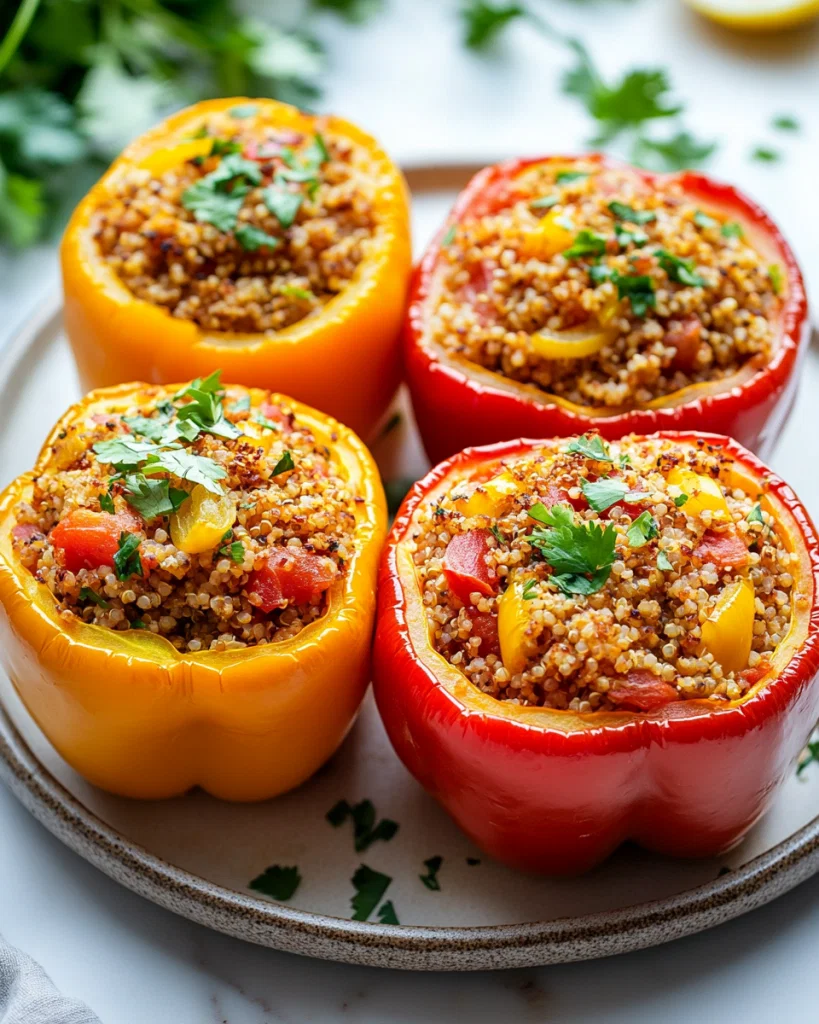
- Peppers are slightly blistered and tender when pierced.
- Filling is hot and holds shape without spilling out.
- Peppers smell smoky and fragrant, aroma wafting through the kitchen.
Rustic Vegan Stuffed Peppers
Equipment
- Sharp Knife
- Spoon or small spatula
Ingredients
- 4 large bell peppers preferably colorful for visual appeal
- 1 cup cooked grains quinoa or rice work well
- ½ cup cooked beans black beans or chickpeas
- 1 cup chopped vegetables such as zucchini, tomatoes, or roasted veggies
- 2 tablespoons fresh herbs parsley or cilantro, chopped
- 1 teaspoon ground cumin
- ½ teaspoon smoked paprika
- to taste salt and pepper
- 1 tablespoon olive oil for mixing and drizzling
Instructions
- Preheat your oven to 190°C (375°F) and line a baking sheet with parchment paper.
- Wash each bell pepper, then slice off the tops and carefully remove the seeds and membranes, keeping the stems intact if you like a rustic look.
- Place the peppers cut-side down on the baking sheet and roast in the oven for about 10 minutes until slightly blistered and beginning to soften.
- While the peppers roast, combine cooked grains, beans, chopped vegetables, herbs, cumin, smoked paprika, salt, pepper, and a tablespoon of olive oil in a mixing bowl. Mix everything well until evenly coated and the flavors meld together.
- Remove the peppers from the oven and let them cool slightly so they are safe to handle. Then, gently stuff each pepper with the prepared filling, pressing down lightly to pack it in.
- Arrange the stuffed peppers upright on the baking sheet and bake for an additional 20-25 minutes, until the peppers are tender and blistered in spots, and the filling is hot and slightly caramelized on the edges.
- Once baked, remove the peppers from the oven and let them rest for about 5 minutes. Drizzle with a little more olive oil or a squeeze of lemon for added brightness.
- Serve the peppers warm, enjoying the smoky aroma, tender texture, and rustic charm in each bite.
Nutrition
Cooking Tips & Tricks
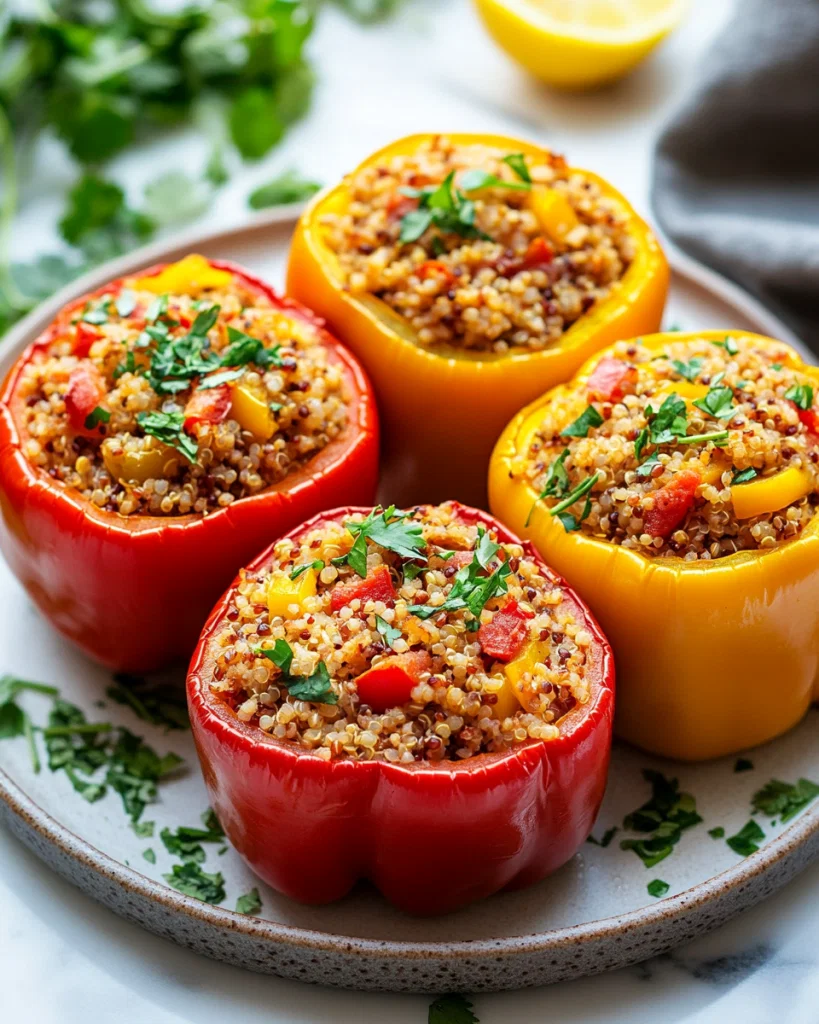
- Pre-cook grains slightly for quicker baking and better filling texture.
- Use a piping bag or plastic bag with the tip cut for neat stuffing.
- Char the peppers in the oven for a smoky flavor—watch closely to prevent burning.
- Sprinkle a little nutritional yeast on top before baking for cheesy, umami notes.
- Add a splash of balsamic vinegar or lemon juice after baking to brighten flavors.
Common Mistakes and How to Fix Them
- FORGOT to pre-cook the filling? Sauté it briefly to prevent dryness after baking.
- DUMPED in raw peppers? Parboil peppers 3-4 minutes to soften before stuffing.
- OVER-TORCHED the tops? Cover with foil during baking and lower oven temp slightly.
- SEEDS spilling out? Remove seeds thoroughly for a cleaner presentation.
Quick Kitchen Fixes
- If peppers are too firm, bake an extra 5 minutes, checking every 2 minutes.
- Splash a bit of broth or water if filling looks dry during baking.
- Patch a tear in the pepper with a small piece of foil or parchment paper.
- Shield burnt spots with a sprinkle of fresh herbs or a drizzle of oil.
- If filling is too bland, stir in a dash of hot sauce or smoked paprika.
What to Serve With Vegan Stuffed Peppers
Make-Ahead and Storage Tips
- Prepare the filling a day ahead; store in the fridge for up to 2 days, flavors intensify overnight.
- Stuffed peppers can be assembled a few hours before baking—keep covered in the fridge.
- Reheat in the oven at 180°C (350°F) for 10-15 minutes until warmed through; the peppers will soften further.
- Leftovers keep well for 3 days; the flavors deepen, and the peppers get even more tender.
10 Practical Q&As for Perfect Vegan Stuffed Peppers
1. How do I select the best peppers for stuffing?
Use bell peppers that are firm and brightly colored. They hold up well during roasting and look vibrant.
2. Should I cook the filling before stuffing?
Pre-cook the filling slightly to ensure it's heated through when stuffed into the peppers.
3. How long and at what temperature do I bake them?
Bake at 190°C (375°F) for about 25-30 minutes until the peppers are tender and slightly blistered.
4. Why rest the peppers after baking?
Let the peppers rest for 5 minutes after baking to settle the filling and avoid burns.
5. How do I prepare the peppers for stuffing?
Use a sharp knife to make a small cut at the stem for easier stuffing and better oven heat circulation.
6. How can I enhance the flavor before serving?
Add a splash of lemon juice or vinegar before serving for brightness and balancing the flavors.
7. How should I store and reheat leftovers?
Keep leftovers in an airtight container in the fridge for up to 3 days. Reheat in oven or microwave.
8. What tools are best for stuffing the peppers?
Use a sturdy spoon or small spatula to stuff the peppers without tearing the skin.
9. How do I know when the peppers are cooked through?
Check for doneness by piercing the pepper; it should be tender but not mushy.
10. What if the peppers aren’t soft enough after baking?
If peppers are too firm, bake a few extra minutes and check every 5 minutes.
Stuffed peppers are a flexible, forgiving dish—whatever you toss in, they somehow come together beautifully. I find that once you get the hang of roasting and stuffing, it’s hard to go back to boring salads or plain grains.
They’re a real testament to how humble ingredients can turn into something memorable. Plus, the smell alone—roasted peppers mingling with herbs—is enough to make anyone stop and take notice. It’s a dish that invites you to slow down and enjoy the simple pleasures of cooking.
hi there,
i'm Austin
A photographer who loves to cook. During the day, I take pictures, but at night, I dive into the world of flavors and recipes.
know more